Table of Contents
- Understanding Caliche and Its Importance in Construction Aggregates
- Step-by-Step Breakdown of the Caliche Crushing Plant Process Flow
- Key Equipment Used in a Caliche Crushing and Screening Operation
- Optimizing Material Flow for Maximum Throughput and Efficiency
- Environmental and Operational Considerations in Caliche Processing
- Frequently Asked Questions
- What is a caliche crushing plant and how does its flow chart guide operations?
- What are the key stages in a caliche crushing plant flow chart?
- How does material hardness affect caliche crusher selection in the flow design?
- Why is closed-circuit crushing essential in a caliche processing flow?
- How do screening efficiency and screen aperture size influence the caliche crushing flow?
- What role does moisture content play in caliche crushing plant operations?
- How are fines managed in a caliche crushing process flow?
- What environmental controls should be integrated into a caliche crushing flow chart?
- Can a modular caliche crushing plant follow the same flow principles?
- How is automation used to optimize caliche crushing plant flow?
- What are common bottlenecks in a caliche crushing flow and how are they resolved?
- How do specification requirements (e.g., TXDOT, Caltrans) affect caliche plant flow design?
Understanding Caliche and Its Importance in Construction Aggregates
-
Caliche is a sedimentary deposit composed primarily of calcium carbonate, clay, silt, sand, and gravel, formed in arid and semi-arid regions through the precipitation of minerals from percolating groundwater. Over time, these minerals cement loose soil particles into a hardened layer, often found near the surface in regions such as the southwestern United States, northern Mexico, and parts of Africa and Australia.
-
As a construction aggregate, caliche offers several advantages due to its widespread availability, relatively low extraction cost, and acceptable engineering properties. When properly processed, caliche serves as a viable material for road bases, subbases, and fill applications. Its composition allows for moderate to high load-bearing capacity, making it suitable for infrastructure projects where high-strength bedrock aggregates are economically or geographically inaccessible.
-
The variability in caliche composition necessitates thorough geological assessment prior to use. Deposits can range from loosely cemented soils to dense, indurated layers requiring significant mechanical force to excavate and crush. Key parameters such as carbonate content, plasticity index, gradation, and abrasion resistance must be evaluated to determine suitability for specific construction applications.
-
Processing caliche into construction-grade aggregate involves several stages: extraction, primary crushing, screening, secondary crushing (if required), and final classification. The crushing stage is critical—proper crusher selection (e.g., jaw or impact crushers) ensures efficient size reduction while preserving particle integrity. Screening ensures proper gradation for target specifications, such as AASHTO M 147 or ASTM D2940.
-
One challenge in using caliche is its potential for high swelling or shrinkage when exposed to moisture, particularly in clay-rich variants. Stabilization with additives like lime or cement may be necessary to improve performance in subgrade applications. Additionally, consistent quality control throughout the processing flow is essential to meet engineering standards and ensure long-term structural stability.
-
Despite limitations, caliche remains a strategically important resource in regions with limited natural aggregates. Its integration into modern processing workflows supports cost-effective, sustainable construction by reducing reliance on distant quarries and minimizing transportation-related emissions.
Step-by-Step Breakdown of the Caliche Crushing Plant Process Flow
-
Extraction: Caliche ore is extracted from open-pit quarries using drilling and blasting techniques to fracture the hard, naturally cemented sediment. High-capacity excavators or front-end loaders load the fragmented material into haul trucks for transport to the primary crushing stage.
-
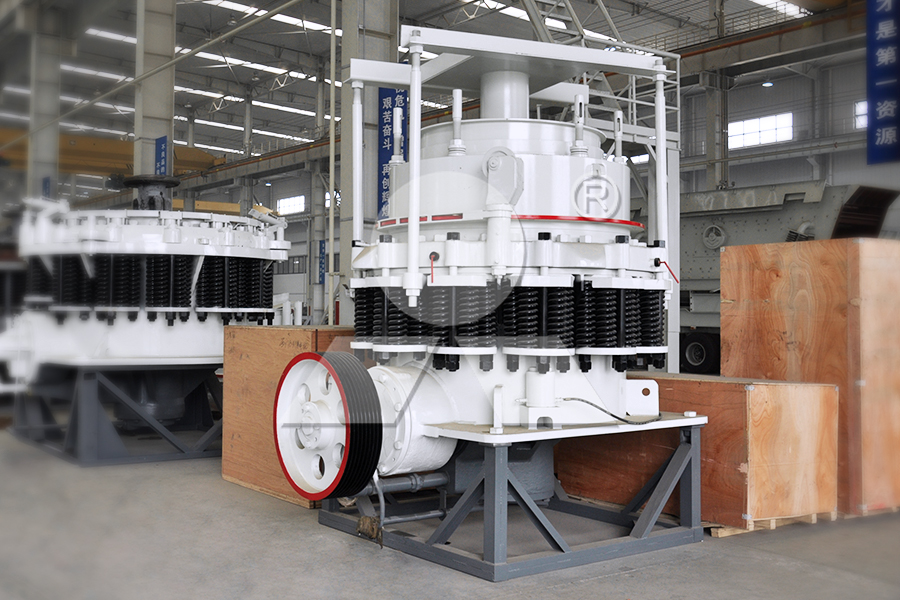
Primary Crushing: Material is fed via vibrating grizzlies into a primary jaw or gyratory crusher. The grizzly screen pre-screens out fine particles, bypassing undersized material to reduce crusher load. The crusher reduces boulders to a nominal size of 6–10 inches, preparing feedstock for secondary processing.
-
Conveying and Screening: Crushed material is transported by heavy-duty conveyor belts to a scalping or primary screening unit. A vibrating screen separates fines (typically -1 inch) for stockpiling or further processing, while oversize material proceeds to secondary crushing.
-
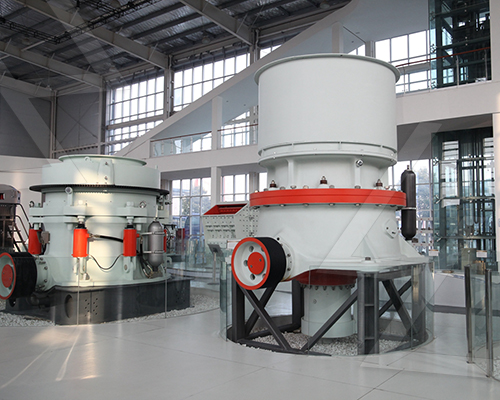
Secondary Crushing: Oversized fractions enter a cone or impact crusher for further size reduction. This stage targets a product size range of 0.5 to 1.5 inches, enhancing gradation control and preparing material for tertiary processing or final classification.
-
Tertiary Crushing (if required): For applications demanding finer aggregates, material undergoes tertiary crushing in a fine cone or high-speed impact crusher. This stage achieves precise size reduction, typically producing particles below 0.5 inches to meet specification requirements.
-
Final Screening and Classification: Output from secondary or tertiary crushing passes through multi-deck vibrating screens to segregate aggregate into marketable size fractions (e.g., #4, #8, #57). Air or water-assisted classification may be employed to control dust and improve particle cleanliness.
-
Stockpiling and Load-Out: Separated aggregate fractions are conveyed to designated radial stackers for organized stockpiling. Automated load-out systems or loaders transfer material to trucks or railcars, ensuring accurate batching and minimizing contamination.
-
Dust and Moisture Control: Throughout the process, water sprays and dust suppression systems mitigate airborne particulates. Enclosed conveyors and baghouse collectors at transfer points maintain environmental compliance and protect equipment.
-
Quality Assurance: Inline sampling and real-time particle analyzers monitor gradation, moisture content, and contaminant levels. Adjustments to crusher settings or screen decks are made dynamically to maintain product consistency and meet ASTM or project-specific standards.
Key Equipment Used in a Caliche Crushing and Screening Operation
-
Primary crusher (typically a jaw crusher): Designed to handle large feed sizes, jaw crushers reduce raw caliche extracted from the quarry face into manageable material for downstream processing. These units offer high reduction ratios and reliability under abrasive conditions, making them ideal for initial size reduction.
-
Secondary crusher (commonly a cone or impact crusher): After primary crushing, caliche is further reduced in size to meet precise aggregate specifications. Cone crushers are preferred for harder caliche deposits due to their ability to produce cubical product with consistent gradation. Impact crushers may be used when a higher percentage of fines is acceptable or when feed material is less abrasive.
-
Vibrating feeder: Positioned at the head of the process, the vibrating feeder regulates the flow of raw caliche into the primary crusher. It ensures a consistent and controlled feed rate, minimizing surges that could overload downstream equipment and optimizing crusher efficiency.
-
Vibrating screen (single or multi-deck): Used for sizing crushed material, vibrating screens separate caliche into various product fractions based on particle size. Multi-deck configurations allow simultaneous classification into multiple grades (e.g., #4, #8, #57), enhancing operational efficiency and product versatility.
-
Conveying system (belt conveyors): A network of belt conveyors transports material between crushing and screening stages, as well as to stockpiles. Designed for durability and minimal maintenance, these conveyors are constructed with heavy-duty belts and idlers to withstand the abrasive nature of caliche.
-
Dust suppression system: Integral to environmental and operational compliance, dust control measures—including water sprays and enclosed conveyors—minimize airborne particulates generated during crushing and material transfer.
-
Control system (PLC-based automation): Modern caliche operations rely on programmable logic controllers (PLCs) to monitor and regulate equipment performance, feed rates, and plant throughput. Real-time diagnostics and remote monitoring enhance uptime and reduce operational risk.
-
Stockpile management equipment (stackers and radial reclaimers): Once processed, aggregate is stored in designated stockpiles via stackers. Radial reclaimers facilitate controlled retrieval, ensuring consistent product supply to loading or transport operations.
Each component is engineered for integration, durability, and maximum throughput—ensuring consistent production of specification-grade aggregates essential for road base, concrete, and asphalt applications.
Optimizing Material Flow for Maximum Throughput and Efficiency
-
Calibrate feed control mechanisms to maintain a consistent material flow into the primary crusher, minimizing surges and bottlenecks. Precise regulation via variable-frequency drives (VFDs) on vibrating feeders ensures optimal feed rates aligned with crusher capacity, reducing downtime and wear.
-
Position scalping screens upstream of the primary crusher to remove undersized material before crushing. This pre-screening reduces crusher load, improves throughput, and extends equipment life by preventing unnecessary processing of fines.
-
Implement closed-circuit crushing configurations where necessary, particularly in secondary and tertiary stages. Recirculating oversize material via return conveyors ensures product meets specification while maximizing yield and reducing waste.
-
Optimize conveyor design and alignment to minimize transfer points and elevation changes. Each transfer induces energy loss and potential material degradation; engineered chute systems with wear-resistant liners reduce spillage and dust while maintaining flow velocity.
-
Monitor material burden depth and belt speed across conveyors to balance load distribution. Overloading induces belt slippage and motor strain; underutilization wastes energy. Use belt weigh feeders and real-time monitoring systems for dynamic adjustment.
-
Integrate automation and centralized control systems to synchronize crusher settings, screen operation, and conveyor speeds. Programmable logic controllers (PLCs) enable rapid response to flow variations, maintaining steady-state operation under fluctuating feed conditions.
-
Conduct regular particle size analysis at key process nodes. Data from online analyzers or periodic sampling informs crusher gap adjustments and screen media selection, ensuring consistent product gradation and minimizing recirculation load.
-
Design stockpile management protocols to prevent segregation and ensure homogeneous blending. Stacked layers of varying moisture or gradation can disrupt downstream flow; use controlled stacking patterns and radial reclaimers to maintain consistency.
-
Evaluate material residence time across processing stages. Prolonged retention in bins or on conveyors increases risk of moisture retention and clogging, particularly with clay-rich caliche. Incorporate vibratory aids or air cannons where necessary.
-
Perform energy audits on drive systems to identify inefficiencies. High-efficiency motors, regenerative drives, and proper belt tensioning collectively reduce power consumption without sacrificing throughput.
Optimizing material flow is not merely about velocity—it is about precision, consistency, and system-wide harmony. Every component must function in concert to achieve maximum throughput and operational efficiency in caliche aggregate processing.
Environmental and Operational Considerations in Caliche Processing
- Minimize dust generation through enclosed conveyors, water sprays, and dust collection systems at transfer points and crusher discharges.
- Implement real-time particulate matter monitoring to ensure compliance with regional air quality regulations, particularly in arid zones where caliche extraction is common.
- Utilize sealed, low-emission crusher designs and conduct routine maintenance to prevent fugitive dust and equipment degradation from abrasive caliche particulates.
Water usage must be optimized, especially in regions with limited hydrological resources. Closed-loop water recycling systems reduce freshwater intake and mitigate runoff. Sedimentation ponds capture suspended solids from wash plant effluent, enabling safe discharge or reuse. Regular water quality testing ensures regulatory compliance and prevents soil or aquifer contamination.
Noise pollution from crushers, screens, and conveyors should be mitigated through acoustic enclosures, strategic plant layout, and operational scheduling to avoid peak community sensitivity periods. Conduct baseline and periodic noise assessments aligned with local ordinances.
Site topography and hydrology dictate drainage design. Install silt fences, berms, and stormwater retention basins to control erosion and prevent sediment-laden runoff from reaching natural waterways. Restoration plans for exhausted extraction zones should be developed prior to mining initiation, incorporating native vegetation and soil stabilization techniques.
Energy efficiency is critical for operational sustainability. Select high-efficiency motors, variable frequency drives (VFDs), and optimized crusher settings to reduce power consumption. Conduct energy audits to identify inefficiencies and prioritize upgrades. On-site solar or hybrid power solutions may reduce carbon footprint in remote installations.
Waste stream management includes segregation of non-caliche materials during extraction and proper disposal of non-reusable fines. Where feasible, fines are repurposed in road base or soil stabilization applications. Equipment oil and lubricant handling must follow strict containment protocols to prevent soil and groundwater contamination.
Operational resilience depends on predictive maintenance, real-time process monitoring, and redundancy in critical components. Automated control systems improve throughput consistency while reducing human error and downtime. Personnel must be trained in environmental protocols, emergency response, and equipment safety procedures.
Environmental compliance is not static; permits, reporting obligations, and regulatory thresholds evolve. Establish a compliance tracking system with periodic internal audits to maintain alignment with environmental standards and ensure long-term operational continuity.
Frequently Asked Questions
What is a caliche crushing plant and how does its flow chart guide operations?
A caliche crushing plant is an industrial setup designed to process caliche—a composite sedimentary material rich in calcium carbonate—into usable aggregate or base material for construction. The flow chart outlines each stage of processing, including primary crushing, screening, secondary/tertiary crushing (if needed), classification, and final product storage, ensuring optimal throughput, product quality, and operational efficiency.
What are the key stages in a caliche crushing plant flow chart?
The typical flow consists of: 1) Feed hopper and apron feeder, 2) Primary jaw or gyratory crusher, 3) Vibrating screen for scalping, 4) Secondary cone or impact crusher, 5) Intermediate screening (closed-circuit recycling), 6) Tertiary crusher (optional), 7) Final screening and classification, 8) Product stockpiling. Each stage refines material to meet specified size gradations.
How does material hardness affect caliche crusher selection in the flow design?
Despite its sedimentary origin, caliche can contain abrasive components like silica and iron oxides. Plants processing harder caliche types typically select robust primary crushers like jaw or gyratory models, while secondary stages may employ cone crushers for better shape and size control. The flow chart must balance wear resistance, throughput, and product quality when specifying equipment.
Why is closed-circuit crushing essential in a caliche processing flow?
Closed-circuit crushing recycles oversized particles back through the secondary or tertiary crusher after screening, ensuring consistent product size and reducing waste. This feedback loop is critical in caliche operations due to variable feed composition, enhancing yield and compliance with base-material specifications like AASHTO M-147.
How do screening efficiency and screen aperture size influence the caliche crushing flow?
Screening efficiency directly impacts plant capacity and product quality. Proper aperture selection on vibrating screens—based on target gradation (e.g., #4, #57, or TX DOT Type I)—ensures oversize is returned for re-crushing and fines are properly segregated. High-efficiency inclined or horizontal screens with anti-blinding technology are often incorporated in expert-level flow designs.
What role does moisture content play in caliche crushing plant operations?
High moisture in caliche causes blinding in screens and chute blockages. Flow charts for moisture-prone feedstocks include prescreening, rotary scrubbers, or soil crushers to disaggregate wet material before primary crushing. Some advanced plants integrate conditioned feeding systems or drying zones in arid regions to manage variable moisture.
How are fines managed in a caliche crushing process flow?
Fines (material < #200) are captured using high-frequency vibrating screens, air separators, or wet washing systems. In many jurisdictions, caliche fines are utilized as RAP or stabilized base, so the flow chart often includes a dedicated fines recovery circuit with dewatering screens or hydrocyclones to enhance resource utilization and environmental compliance.
What environmental controls should be integrated into a caliche crushing flow chart?
Expert-level designs include dust suppression systems (spray bars, chemical binders), enclosed conveyors, cyclone collectors, and baghouses to meet EPA and OSHA standards. Noise mitigation and sediment basins are also plotted in the flow to manage runoff, especially in surface mining contexts where caliche is extracted.
Can a modular caliche crushing plant follow the same flow principles?
Yes. Modular or portable plants replicate stationary flow charts in a compact, relocatable form. They maintain key stages—primary crushing, screening, recirculation—but use integrated skid-mounted units. Flow optimization is even more critical due to space and power constraints, often requiring automated control systems for real-time adjustment.
How is automation used to optimize caliche crushing plant flow?
Modern flow charts include PLC-based automation that monitors feed rate, crusher settings, screen performance, and moisture sensors. Feedback loops adjust apron feeders, crusher CSS (closed-side setting), and screen amplitude dynamically, minimizing downtime and energy use while maintaining product consistency.
What are common bottlenecks in a caliche crushing flow and how are they resolved?
Bottlenecks often occur at primary feeding (due to uneven feed or material bridging), screen blinding, or conveyor transfer points. Solutions include variable-frequency drive (VFD) feeders, ultrasonic screen cleaners, and engineered chute designs with wear liners—integrated into expert flow charts to ensure continuous operation.
How do specification requirements (e.g., TXDOT, Caltrans) affect caliche plant flow design?
Specifications dictate final gradation, plasticity index (PI), and Los Angeles abrasion values. The flow chart must include precise control points—such as adjustable crushers, multi-deck screens, and lab-tested sampling intervals—to ensure products meet regional DOT standards, often requiring staged quality assurance integrated into the process flow.