Table of Contents
- Transforming Marginal Deposits into Profitable Assets: The Strategic Value of Bauxite Beneficiation
- Advanced Separation Technologies for Enhanced Alumina Recovery from Low-Grade Ore
- Optimizing Process Efficiency: Tailored Solutions for Diverse Bauxite Mineralogy
- Sustainable Resource Utilization: Minimizing Waste and Environmental Impact
- Technical Specifications: Customizable Systems for Specific Ore Characteristics
- Proven Results: Case Studies and Performance Data from Global Operations
- Case Study 1: Lateritic Bauxite Upgradation, West Africa
- Case Study 2: Beneficiation of High-Silica Diasporic Bauxite, Asia
- Functional Advantages Validated Across Operational Case Studies:
- Frequently Asked Questions
- How to extend wear parts lifespan in bauxite beneficiation crushers?
- What is the best grinding mill for varying low-grade bauxite hardness?
- How to control excessive vibration in bauxite screening and crushing equipment?
- What are critical lubrication specs for heavy-duty bauxite processing machinery?
- How to adapt a beneficiation plant for low-grade ore with high clay content?
- What hydraulic system adjustments optimize bauxite processing performance?
In an era of intensifying demand for aluminum and heightened focus on sustainable resource management, the efficient utilization of low-grade bauxite reserves has become an imperative for the global industry. These marginal ores, often characterized by high silica content and complex mineralogy, present both a significant challenge and a substantial opportunity. The beneficiation of low-grade bauxite is not merely a technical process but a strategic necessity, unlocking value from previously sub-economic deposits and extending the life of existing mining operations. By employing advanced techniques to reduce impurities and enhance alumina content, producers can transform challenging material into a viable feedstock, ensuring supply chain resilience and promoting more responsible stewardship of finite mineral wealth. This exploration delves into the innovative methods driving this critical field forward.
Transforming Marginal Deposits into Profitable Assets: The Strategic Value of Bauxite Beneficiation
The economic viability of a bauxite deposit is not solely defined by its in-situ Al₂O₃ grade, but by the recoverable alumina content and the cost of its extraction. Low-grade deposits, often considered marginal or sub-economic, contain significant locked value in the form of reactive silica (SiO₂), iron oxides (Fe₂O₃), and titanium oxides (TiO₂) that dilute the alumina and increase processing costs downstream. Strategic beneficiation transforms these liabilities by producing a consistent, high-grade smelter feed, thereby converting stranded resources into long-term, profitable assets. The core value proposition is the reduction of the silica module (Al₂O₃/SiO₂ ratio) from a marginal level (e.g., 4-6) to a commercially attractive level (>10), directly impacting Bayer process efficiency and caustic soda consumption.
The engineering challenge lies in the material characteristics of the ore. Low-grade bauxite is often lateritic, heterogeneous, and can exhibit high abrasiveness and clay content. Effective beneficiation circuits must be engineered for this specific duty, moving beyond generic crushing and screening.
Critical Functional Advantages of a Purpose-Built Beneficiation Plant:
- Ore Hardness & Abrasion Adaptability: Circuits configured with primary crushers (e.g., jaw or gyratory) and secondary/tertiary stages (cone crushers) built with high-chrome or manganese steel (Mn-14% to 18%) liners to withstand high Silica Index ores, minimizing downtime and maintenance costs.
- Clay & Fines Management: Integrated scrubbing and desliming modules, employing log washers, trommel screens, or hydrocyclones, are essential for disintegrating sticky lateritic matrices and removing fine silica particles that are detrimental to the Bayer process.
- Precision Separation for Silica Reduction: Application of sensor-based ore sorting (for coarse reject) or froth flotation (for fine silica) to achieve targeted alumina enrichment and silica rejection, directly upgrading the silica module.
- Moisture & Handling Control: Incorporation of high-capacity thickeners and vacuum disc filters to manage moisture content post-washing, ensuring material handleability for transport and reducing freight costs.
- System Robustness & Capacity: Design for a defined throughput (e.g., 500 – 1500 TPH) with redundant critical paths and built with components certified to international standards (ISO 9001, CE marked), ensuring operational availability >90%.
The selection of technology is dictated by the ore’s mineralogy. A comparative analysis of two common flowsheets highlights this dependency:
| Process Parameter | Physical Washing & Screening Circuit | Integrated Washing & Flotation Circuit |
|---|---|---|
| Target Ore Type | Lateritic bauxite with free silica (quartz) and clay. | Bauxite with finely disseminated reactive silica (kaolinite). |
| Core Mechanism | Size reduction, attrition scrubbing, and size-based separation. | Scrubbing, desliming, and cationic reverse flotation of silicates. |
| Key Upgrade | Effective for removing coarse + fine silica and clay. | Essential for rejecting fine, reactive silica that washing cannot remove. |
| Product Moisture | Higher, requires efficient dewatering. | Lower post-flotation, but with reagent management considerations. |
| Capital Intensity | Moderate. | Higher, due to flotation cells, reagent systems, and control loops. |
The strategic value is quantified through a complete life-of-mine financial model. Key metrics include the increased revenue from a higher-value product, reduced refinery operating expenses (lower caustic consumption, higher throughput), and the extension of mineable reserves. By deploying a tailored beneficiation solution, a resource with a 25-year mine life at a marginal grade can be transformed into a 40-year asset with a superior, consistent feed grade. This de-risks the refinery investment and provides a sustainable competitive advantage, insulating operations from alumina price volatility by maintaining a lower position on the global cost curve. The investment is not merely in processing equipment, but in asset longevity and supply chain control.
Advanced Separation Technologies for Enhanced Alumina Recovery from Low-Grade Ore
Advanced separation technologies are critical for economically processing low-grade bauxite ores with high silica content (low Available Alumina to Reactive Silica, A/S ratio). The core challenge is the efficient liberation and removal of aluminosilicates (kaolinite) and other gangue minerals to upgrade the feed to the Bayer process. Modern systems integrate high-wear materials engineering with precise process control to maximize recovery from complex, variable deposits.
Core Technological Approaches
-
Sensor-Based Ore Sorting (XRT & LIBS): Deployed pre-crushing or after primary crushing to reject low-grade waste, significantly reducing energy and chemical consumption downstream.
- Functional Advantage: Direct measurement of elemental composition (LIBS) or density (XRT) enables real-time, high-tonnage rejection of barren or high-silica material, improving head grade.
- Functional Advantage: Reduces mill feed by 20-40%, lowering overall grinding costs and tailings volume.
-
High-Gradient Magnetic Separation (HGMS): Essential for removing paramagnetic impurities like iron oxides (goethite, hematite) and, critically, titanium-bearing minerals which can cause scaling in digestion.
- Functional Advantage: Utilizes high-intensity magnetic fields and advanced matrix designs to capture fine, weakly magnetic particles from slurries, enhancing product purity.
- Functional Advantage: Modern superconducting HGMS systems offer dramatically reduced power consumption for high-volume processing.
-
Advanced Froth Flotation: Reverse flotation for silica removal is the most impactful technology for upgrading low-grade bauxite. Key advances lie in reagent regimes and cell design.
- Functional Advantage: Selective cationic collectors (e.g., amine-based) promote the flotation of kaolinite and quartz, leaving alumina-rich minerals in the underflow.
- Functional Advantage: Incorporation of column flotation cells improves grade-recovery efficiency by providing deeper froths and cleaner separation, particularly for fine particles.
-
Cycloning & Classification Optimization: Not merely a preparatory step, but a separation process itself. Advanced multi-stage hydrocyclone systems separate fine, high-silica kaolinite from coarser gibbsitic/boehmitic fractions.
- Functional Advantage: Precise cut-point control through adjustable vortex finders and spigots, engineered from high-alumina ceramics or polyurethane composites for wear resistance.
- Functional Advantage: Efficient de-sliming prevents the unnecessary processing of ultra-fines, reducing reagent consumption in subsequent flotation stages.
Engineering & Material Specifications for Reliability
The abrasive and often corrosive nature of bauxite slurries demands rigorous engineering. System longevity and uptime are non-negotiable for project economics.
| Component | Material Specification | Functional Purpose | Industry Standard / Benchmark |
|---|---|---|---|
| Slurry Pump Wet-Ends | ASTM A532 Class III Type D (High-Chrome White Iron), Ceramic-lined | Resistance to severe abrasion from silica and iron oxides at high solids density. | ISO 13709 (API 610) for centrifugal pumps. |
| Hydrocyclone Liners | High-alumina ceramic (≥92% Al₂O₃), Modular polyurethane | Maintains classification efficiency by preserving critical cyclone geometry; ceramic offers superior life in primary roles. | Engineered to meet specific cut-point (d50) and capacity (m³/hr) parameters. |
| Flotation Cell Impellers/Diffusers | Ni-Hard IV, UHMWPE, or specialized rubber compounds | Balances wear resistance with controlled hydrodynamic performance for optimal particle-bubble contact. | Designed for specific power input (kW/m³) to ensure proper suspension and air dispersion. |
| Pipeline & Launder Wear Areas | In-situ ceramic tile lining, Abrasion-resistant steel (AR400/500) | Protects against high-velocity slurry erosion in transfer points, ensuring long-term system integrity. | CE marked/PED compliant for pressure applications; thickness gauged for life-cycle management. |
Operational & Economic Parameters
The selection and sizing of separation circuits are dictated by ore characteristics and plant economics. Key performance indicators include:
- Throughput & Recovery: Modern plants are designed for 500-3,000 TPH feed capacity, with target alumina recoveries of 85-92% from low-grade run-of-mine ore.
- Ore Adaptability: Circuit modularity and control logic must accommodate variability in Bond Work Index (12-18 kWh/t) and clay content. Adaptive control systems adjust parameters like flotation reagent dosage and cyclone pressure in real-time based on feed analysis.
- Grade Enhancement: Effective circuits can improve the A/S ratio from 4-6 to over 10, meeting Bayer plant feed specifications while minimizing downstream caustic consumption and red mud generation.
- Water & Energy Efficiency: Closed-circuit water recycling is standard. The integration of pre-concentration via ore sorting and efficient classification reduces specific energy consumption (kWh/t of product) by targeting only valuable material for fine grinding and chemical treatment.
Optimizing Process Efficiency: Tailored Solutions for Diverse Bauxite Mineralogy
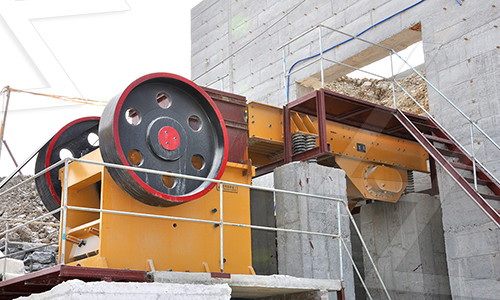
The core challenge in beneficiating low-grade bauxite is not the alumina content itself, but the variable and often adverse mineralogy of the gangue. Silica (as quartz, kaolinite, or other clays), iron oxides, and titanium minerals each present unique processing hurdles that demand a tailored, mineralogy-first approach. A one-size-fits-all plant design leads to suboptimal recovery, excessive energy consumption, and unsustainable wear on equipment. Optimization, therefore, is achieved by precisely matching the beneficiation circuit—from comminution to separation—to the specific ore body’s characteristics.
Key Mineralogical Challenges and Targeted Responses:
-
High Silica Content (Reactive & Non-Reactive): This is the most common economic driver. A detailed liberation analysis is critical.
- For Coarse, Liberated Quartz: A robust scrubbing and desliming circuit, followed by size classification and gravity separation (e.g., hydrocyclones, spirals), is most efficient. This minimizes energy-intensive fine grinding.
- For Finely Disseminated or Clay-Bound Silica: Advanced selective grinding strategies are employed to liberate aluminous phases while minimizing sliming. Subsequent separation may require froth flotation with tailored collectors (e.g., cationic for quartz reverse flotation) or magnetic separation for associated iron.
-
High Iron Oxide (Fe₂O₃) Content: Iron can be paramagnetic (goethite, hematite) or ferromagnetic (magnetite).
- High-intensity wet magnetic separators (WHIMS) are standard for removing paramagnetic iron, directly improving the smelter-grade feed ratio.
- The presence of even minor magnetite can be leveraged using low-intensity magnetic drums for pre-concentration, protecting downstream equipment from abrasion.
-
Complex Titanium Minerals (TiO₂): Rutile and anatase are often finely intergrown. Their high specific gravity and paramagnetism inform the circuit.
- A combination of gravity concentration (for liberated coarse grains) and high-gradient magnetic separation (HGMS) is typically deployed for titanium removal or recovery as a by-product credit.
Engineering for Reliability and Throughput: Process efficiency is meaningless without mechanical integrity. Plant design must account for the extreme abrasiveness of quartz and the corrosive nature of clay-rich, alkaline slurries.
- Materials of Construction: Critical wear zones in crushers, chutes, cyclones, and slurry lines are lined with ISO 9001-certified abrasion-resistant materials. This includes high-chrome white iron (HCWI) for maximum impact-abrasion resistance and specialized alumina ceramics for sliding abrasion. Pump wetted parts utilize ASTM A532 Class III Type A alloys or equivalent.
- Equipment Selection & USP: The heart of a high-tonnage operation is its grinding and separation equipment. Our solutions prioritize:
- Ore Hardness Adaptability: Grinding circuits are designed with variable-speed drives and controlled by particle size analyzers (PSD) to automatically adjust for fluctuations in Bond Work Index (BWI).
- Proven TPH Capacity: Scalable modular designs based on pilot testwork ensure nameplate throughput (250-3000 TPH ranges) is consistently met, with built-in redundancy for critical units.
- Separation Efficiency: High-capacity, low-maintenance separators like advanced hindered settling classifiers and high-recovery flotation cells with optimized rotor-stator designs ensure sharp separations at target cut points.
Technical Parameter Framework for Circuit Design:
The following parameters, derived from comprehensive ore characterization (QEMSCAN, XRD, chemical analysis), are non-negotiable inputs for an optimized flowsheet:
| Mineralogical Parameter | Analytical Method | Influence on Circuit Design | Target Performance Metric |
|---|---|---|---|
| Liberation Size of Gangue | QEMSCAN, Microscopy | Primary grind size, circuit type (e.g., gravity vs. flotation) | P80 of grind (µm) |
| Bond Work Index (BWI) | Standard Bond Ball Mill Test | Grinding mill power, sizing, and liner selection | kWh/t |
| Abrasion Index (AI) | Bond Abrasion Test | Materials selection, maintenance scheduling | g/t wear rate |
| Magnetic Susceptibility | SATMAG/Susceptibility Test | Feasibility & type of magnetic separation | Mass pull & grade |
| Slurry Rheology | Rheometry (viscosity) | Pump & pipeline sizing, thickener capacity | Solids concentration (%) |
Ultimately, optimizing for diverse mineralogy is a systems engineering task. It integrates precise mineral data with robust mechanical design and process control logic to deliver a plant that maintains specified alumina recovery and silica modulus targets while maximizing operational availability and minimizing total cost per ton.
Sustainable Resource Utilization: Minimizing Waste and Environmental Impact
Sustainable resource utilization in low-grade bauxite beneficiation is an engineering imperative, transforming environmental liability into operational and economic advantage. The core philosophy is to maximize alumina recovery from sub-economic ore while converting process residues into inert, stable, or commercially valuable by-products. This is achieved through a closed-loop systems approach integrating advanced comminution, classification, and separation technologies with stringent process control.
Core Strategy: From Linear to Circular Processing
The traditional linear model (extract, process, discard) is replaced by a circuit designed for material recovery at every stage. The goal is to minimize the volume and reactivity of final tailings, often targeting a dry-stackable, clay-rich residue.
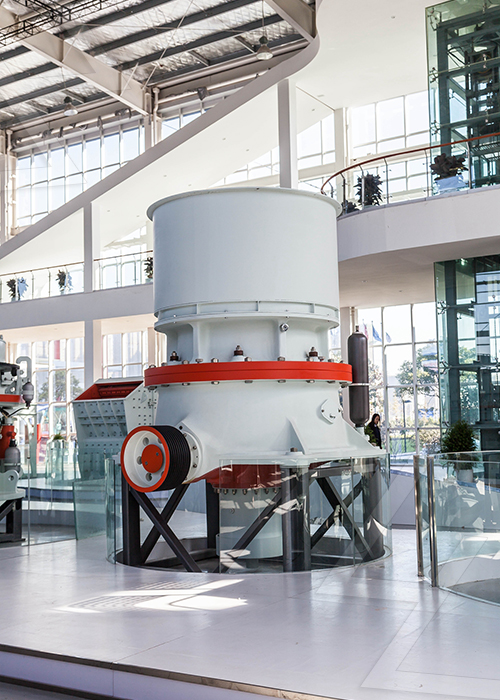
- Ore Hardness Adaptability: Modern circuits employ multi-stage crushing with high-pressure grinding rolls (HPGR) and ball mills lined with abrasion-resistant alloys (e.g., Ni-Hard IV, high-chromium white iron). This ensures efficient liberation of alumina-bearing minerals from the complex, often abrasive, gangue matrix (typically iron oxides, silica, and titanium oxides) at optimal specific energy consumption (kWh/t).
- Precision Separation: Advanced sensor-based sorting (e.g., XRF, laser) at coarse sizes rejects inert siliceous and ferruginous waste prior to energy-intensive grinding. Downstream, high-gradient magnetic separators (HGMS) remove paramagnetic iron oxides, while reverse flotation or selective flocculation targets reactive silica.
- Tailings Management: The beneficiated clay-rich tailings are thickened to high-density slurry (>65% solids) using high-rate and high-capacity thickeners with ISO 9001-compliant control systems. Subsequent filtration via automated chamber membrane presses produces a cake with low moisture content (<20%), suitable for safe, geotechnically stable dry stacking. This eliminates the need for large, permanent tailings storage facilities with associated water and containment risks.
Technical Advantages of the Sustainable Circuit:
- Maximized Resource Yield: Extracts economic value from ore bodies with Al₂O₃ content as low as 35-40%, significantly extending mine life and reducing the land footprint per ton of alumina produced.
- Reduced Process Water Demand: High-efficiency thickeners and filter presses enable >85% water recovery for immediate recirculation within the plant. Make-up water requirement is minimized, a critical factor in water-stressed regions.
- By-Product Valorization: Process streams are engineered for potential by-product recovery. Iron-rich concentrates from magnetic separation can be pelletized for metallurgical use, while dehydroxylated clay from tailings calcination can be used in cementitious applications, following ASTM or EN standards for supplementary cementitious materials.
- Lower Carbon Intensity: By increasing the head grade to the refinery, the specific energy consumption (GJ/t-Al₂O₃) of the subsequent Bayer process is reduced. Dry stacking eliminates continuous pumping and reduces long-term methane (CH₄) emissions associated with wet tailings ponds.
Operational Parameters for Impact Minimization:
A well-designed beneficiation plant for low-grade bauxite must be specified against clear performance metrics that define its sustainability profile.
| Parameter | Target Performance | Industry Standard / Benchmark | Key Enabling Technology |
|---|---|---|---|
| Ore Feed Adaptability | Handles Bond Work Index (Wi) from 12-18 kWh/t | Standard plants often limited to Wi < 15 | HPGR with adaptive roll speed/pressure, alloy wear surfaces |
| Plant Capacity (TPH) | 500 – 2,000+ TPH, modular design | Scale defines economic viability | Robust vibrating feeders, primary crushers (e.g., Jaw, Gyratory) from CE-certified manufacturers |
| Alumina Recovery (%) | >85% for target Al₂O₃ grade | <80% recovery is sub-economic | Optimized flotation reagent regime, PLC-controlled HGMS |
| Tailings Solids Content | Filter cake: 78-82% solids (dry stack) | Conventional slurry: 30-40% solids | Automated membrane filter presses (ISO 14001 compliant operation) |
| Process Water Recirculation | >85% recirculation rate | <70% in non-optimized circuits | Supervisory control and data acquisition (SCADA) for thickener/filter control |
| Noise & Dust Emissions | <85 dB(A) at 1m, dust <10 mg/Nm³ | Local regulatory limits | Enclosed conveyors with bag filters, acoustic damping on mills |
Material Science and Compliance: Equipment longevity under abrasive conditions is non-negotiable for sustainable operation. Critical wear components—liner plates, pump volutes, classifier cyclones—are fabricated from certified wear-resistant alloys (e.g., ASTM A532 Class III Type A for chromium iron). This reduces maintenance downtime, spare part consumption, and associated waste. The entire plant design and control philosophy should be aligned with ISO 14001 (Environmental Management) and ISO 50001 (Energy Management) frameworks, providing auditable assurance of performance.
Ultimately, sustainable beneficiation is a precision engineering exercise. It balances throughput (TPH), recovery (%), and product grade (%) to deliver an upgraded, consistent feed to the refinery while transforming waste management from a cost center into a controlled, low-risk operation. This technical rigor is what ensures the long-term viability and social license to operate for low-grade bauxite projects.
Technical Specifications: Customizable Systems for Specific Ore Characteristics
The efficacy of a beneficiation circuit is contingent upon its precise alignment with the mineralogical and physical characteristics of the feed material. Low-grade bauxite presents a heterogeneous challenge, with variability in alumina-silica ratio (A/S), iron oxide content, clay plasticity, and ore hardness (often measured on the Mohs or Bond Work Index scale). A one-size-fits-all plant is a fundamental engineering misstep. Our systems are engineered from the ground up as modular, parameter-driven platforms, allowing for precise configuration to your deposit’s specific signature.
Core Customization Framework
The system’s architecture is built around key, adjustable modules. Selection is based on a rigorous feed characterization program, including XRD, XRF, and pilot-scale testing.
| Module | Key Customizable Parameters | Technical Rationale & Standard Components |
|---|---|---|
| Primary Crushing & Scrubbing | Crusher type (Jaw vs. Gyratory), rotor design, scrubbing intensity (rpm, residence time), water injection points. | Determined by feed size (F80) and Bond Work Index (kWh/t). High-clay, sticky ores mandate robust, abrasion-resistant log washers or rotary scrubbers with internal lifters fabricated from AR400 or Mn-steel to withstand high-impact wear. |
| Screening & Classification | Screen deck configuration (aperture size, wire vs. polyurethane), hydrocyclone cluster size and vortex finder dimensions. | Critical for de-sliming and removing reactive silica. Custom screen decks with tailored cut-points (e.g., 1mm, 100 mesh) ensure optimal separation of fine kaolinite. Cyclones are sized per capacity (TPH) and target D50, constructed to ISO 9906 standards. |
| Gravity Separation (e.g., for Iron Removal) | Spiral concentrator pitch and trough profile, DynaWhirlpool® separator pressure and apex diameter. | Applied for coarse-grained gibbsitic bauxites with liberated iron minerals (hematite, goethite). The selection of spiral profiles (e.g., MG series) is dictated by specific gravity differentials and particle size distribution. |
| Magnetic Separation | Intensity (from 1,000 to 20,000 Gauss), drum/pulley diameter, matrix design for HGMS. | For paramagnetic iron oxides. Standard ferrite magnets for coarse removal; high-gradient magnetic separators (HGMS) with stainless-steel wool matrix for fine, weakly magnetic contaminants. Systems comply with IEC/EN 60529 for ingress protection. |
| Tailings & Water Management | Thickener tank diameter and rake mechanism torque, filter press chamber depth and plate count. | Sized based on solid-liquid separation kinetics and required cake moisture. High-torque thickener drives (ISO 9001) handle high-clay loads. Recessed chamber filter plates use polypropylene compounds for corrosion resistance in alkaline slurry environments. |
Functional Advantages of a Custom-Configured Plant
- Optimized Metallurgical Recovery: Achieves target A/S ratio uplift by selectively targeting the specific silica and iron phases (kaolinite vs. quartz, hematite vs. goethite) present in your ore.
- Adaptive Throughput: Designed to maintain rated TPH capacity (range: 50 – 1,200 TPH) despite natural feed variability in hardness and clay content, via adjustable crusher settings and pump/impeller selection.
- Reduced Operational Cost: Minimizes specific energy consumption (kWh/t) by eliminating over-processing; wear life is extended through material-specific selection of alloy liners, pump volutes, and pipeline alloys (e.g., ASTM A532 for white iron abrasion plates).
- Inherent Process Stability: The system is tuned to the ore’s natural processing characteristics, reducing sensitivity to feed fluctuations and ensuring consistent product grade for downstream refinery operations.
Proven Results: Case Studies and Performance Data from Global Operations
Case Study 1: Lateritic Bauxite Upgradation, West Africa
Project Scope: Upgrade of a 2.5 MTPA ROM feed (Al₂O₃ ~42%, SiO₂ ~18%) to a smelter-grade concentrate (Al₂O₃ >50%, SiO₂ <7%) for a captive refinery.
Solution Deployed: Integrated scrubbing, trommel screening, and attrition scrubbing circuit with hydrocyclone classification. Critical wear components in the attrition cells and slurry pumps were fabricated from ASTM A532 Class III Type A (27% Chrome White Iron) for superior abrasion resistance against high-silica content.
Performance Data:
- Throughput: Sustained 350 TPH feed rate.
- Recovery: Achieved 92.5% Al₂O₃ recovery in the concentrate stream.
- Wear Life: Mn-steel trommel screens (Hadfield Steel, 11-14% Mn) demonstrated a 40% longer operational life compared to standard AR400 plate in this highly abrasive, clay-bound ore.
- Operational Uptime: Plant availability exceeded 94% over a 24-month period, attributed to the robust material selection and modular circuit design allowing for isolated maintenance.
Case Study 2: Beneficiation of High-Silica Diasporic Bauxite, Asia
Project Scope: Process complex, hard diasporic bauxite with unconfined compressive strength (UCS) ranging 80-120 MPa and an abrasive silica content exceeding 25%.
Solution Deployed: Three-stage crushing circuit (Jaw → Cone → High-Pressure Grinding Rolls) followed by a sensor-based ore sorting pre-concentration stage and reverse flotation. The cone crusher mantles and concaves utilized a proprietary martensitic steel alloy with micro-alloying elements (Ti, V) for optimal combination of hardness (650 HB) and toughness.
Performance Data:
| Parameter | Before Beneficiation | After Beneficiation (Concentrate) | Notes |
| :— | :— | :— | :— |
| Al₂O₃ (%) | 48.2 | 65.1 | Target achieved |
| SiO₂ (%) | 25.8 | 5.3 | Within refinery spec |
| A/S Ratio | 1.87 | 12.3 | ~7x improvement |
| Bond Work Index (kWh/t) | 14.5 | N/A | Informed comminution circuit design |
| Mass Yield to Concentrate | 100% | 68.5% | High rejection of silica gangue |
- Key USP Demonstrated: The circuit’s adaptability to extreme ore hardness and variability, with the HPGR unit reducing specific energy consumption by ~22% compared to a conventional ball mill circuit for equivalent product size.
Functional Advantages Validated Across Operational Case Studies:
- Material Science for Durability: Consistent specification of wear-resistant alloys (e.g., Ni-Hard IV, 27% Cr White Iron, AR500) for specific wear mechanisms (abrasion, impact, corrosion) in slurry handling and classification, directly reducing specific maintenance costs (USD/ton).
- Process Flexibility: Designed circuits tolerate feed grade fluctuations of ±15% without significant degradation of final concentrate quality, crucial for long-life mining operations with heterogeneous ore bodies.
- High-Capacity Throughput: Modular, heavy-duty design principles enable scalable plants from 100 to over 600 TPH, with structural components engineered to ISO 8528 for dynamic loading.
- Integrated Quality Control: On-line analyzers (PGNAA) for real-time Al₂O₃ and SiO₂ monitoring enable closed-loop control of reagent dosing (for flotation) or cut-point adjustments in classification, ensuring consistent adherence to refinery feed specifications.
- Water & Tailings Management: Proven implementation of high-efficiency thickeners (CE marked, EN 1090) and paste tailings systems, achieving >75% water recycle rates and stable, stackable tailings for dry stacking.
Frequently Asked Questions
How to extend wear parts lifespan in bauxite beneficiation crushers?
Use high-chromium iron (e.g., Cr26) or ZGMn13 high-manganese steel liners, heat-treated for optimal hardness-toughness balance. Implement condition monitoring to track wear against ore abrasiveness (Mohs 3-5). Schedule replacements based on processed tonnage, not just time, to prevent catastrophic failure and unplanned downtime.
What is the best grinding mill for varying low-grade bauxite hardness?
Opt for SAG or ball mills with variable frequency drives to adjust rotational speed for ore hardness (Mohs 1.5-7). For highly abrasive ore, use rubber or composite liners to dampen impact. Regularly calibrate grinding media charge based on Bond Work Index tests to maintain optimal particle size reduction efficiency.
How to control excessive vibration in bauxite screening and crushing equipment?
Ensure precise dynamic balancing of rotors and shafts during assembly. Install shear rubber mounts or spring isolators under vibrating screens. For crushers, monitor bearing clearance and use laser alignment for motor-drive coupling. Real-time vibration sensors with setpoint alarms are critical for predictive maintenance.
What are critical lubrication specs for heavy-duty bauxite processing machinery?
Use ISO VG 320 or 460 extreme-pressure (EP) gear oils with anti-wear additives for gears in high-torque applications. For bearings (prefer SKF or Timken), apply lithium-complex grease (NLGI 2) with solid lubricants like molybdenum disulfide. Strictly follow OEM-recommended intervals and filter hydraulic fluids to 10-micron cleanliness.
How to adapt a beneficiation plant for low-grade ore with high clay content?
Integrate a pre-washing and desliming circuit with log washers or attrition scrubbers. Adjust hydrocyclone apex and vortex finder diameters to manage slurry density. For flotation, use specific dispersants to reduce slime coating. This prevents downstream clogging and improves alumina recovery from complex ores.
What hydraulic system adjustments optimize bauxite processing performance?
Maintain system pressure 10-15% above the calculated load requirement to ensure consistent actuator response. Use proportional valves for precise control of crusher setting adjustments. Implement oil temperature control (45-55°C) with heat exchangers to prevent viscosity breakdown and ensure stable operation of presses and crushers.