Table of Contents
- Understanding Basalt Crushing Plant Requirements and Operational Scope
- Key Equipment Costs in a Basalt Crushing Plant Setup
- Labor, Energy, and Maintenance Expenses in Basalt Processing
- Site Preparation and Infrastructure Investment for Crushing Facilities
- How to Calculate Total Project Budget and ROI for Basalt Crushing Operations
- Frequently Asked Questions
- What factors influence the cost estimation of a basalt crushing plant?
- How is production capacity calculated for a basalt crushing plant?
- What are the primary equipment components in a basalt crushing plant?
- How do you estimate capital expenditure (CapEx) for a mobile vs. stationary basalt crushing plant?
- What operational costs (OpEx) should be included in a basalt crushing plant estimation?
- How does basalt hardness affect crusher selection and wear costs?
- What environmental and regulatory considerations impact basalt crushing plant design?
- How accurate are feasibility studies for basalt crushing plant projects?
- What role does automation play in modern basalt crushing plant efficiency?
- How do you optimize particle shape and gradation in basalt aggregate production?
- What are the typical ROI timelines for a basalt crushing plant?
- Can modular or skid-mounted basalt crushing plants reduce installation time and cost?
Harnessing the strength and durability of basalt begins with a well-planned crushing operation capable of transforming rugged volcanic rock into high-value aggregates for construction, roadwork, and industrial applications. Establishing a basalt crushing plant, however, demands more than just heavy machinery—it requires a strategic blend of accurate cost estimation, efficient plant layout, and the right selection of processing equipment. From primary jaw crushers to advanced cone and impact crushers, every component plays a pivotal role in throughput, product quality, and operational efficiency. Understanding capital and operational expenditures, site-specific logistical challenges, and regulatory compliance is essential to ensuring long-term profitability. This comprehensive guide provides industry professionals with actionable insights into setting up a basalt crushing plant, including detailed cost breakdowns, equipment recommendations, and scalability considerations. Whether you’re entering the aggregates market or expanding existing operations, mastering the nuances of plant estimation empowers smarter decisions, optimizes return on investment, and positions your operation for sustainable success in a competitive landscape.
Understanding Basalt Crushing Plant Requirements and Operational Scope
-
Basalt crushing plants are engineered systems designed to transform raw basalt rock into specified aggregate sizes for construction, road base, and industrial applications. The operational scope spans primary crushing through tertiary or quaternary stages, depending on product specifications and throughput demands.
-
Plant requirements are determined by feed characteristics, including hardness (Mohs 6–7), abrasiveness, and moisture content, which influence equipment selection and wear management. Basalt’s high silica content necessitates wear-resistant components in crushers and conveyors.
-
Throughput capacity is a foundational parameter, typically ranging from 50 to 1,000 tonnes per hour. Capacity dictates equipment sizing, conveyor widths, and power requirements. A mismatch between design capacity and actual feed rate leads to inefficiencies and accelerated wear.
-
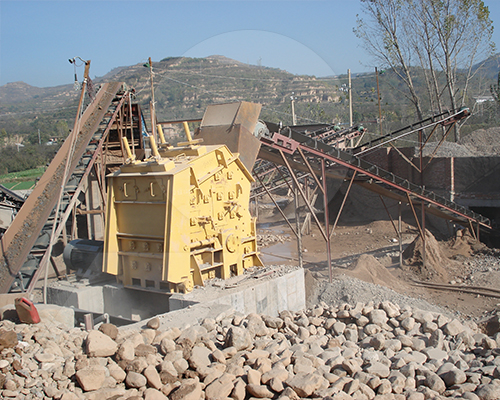
Feed size distribution determines the necessity and configuration of primary crushing. Jaw or gyratory crushers are standard for primary reduction, where large boulders (up to 1.2 m) are reduced to 100–200 mm. Secondary and tertiary stages commonly employ cone or impact crushers for finer gradation control.
-
Product specification drives closed-circuit configurations with vibrating screens for recirculation of oversized material. Multiple deck screens ensure precise classification, typically for 5–40 mm aggregates used in asphalt, concrete, or railway ballast.
-
Site infrastructure must support robust foundations, dust suppression systems, and water management, especially in dry or environmentally sensitive areas. Electrical supply must accommodate peak motor loads, with provisions for soft starters or variable frequency drives to manage surge currents.
-
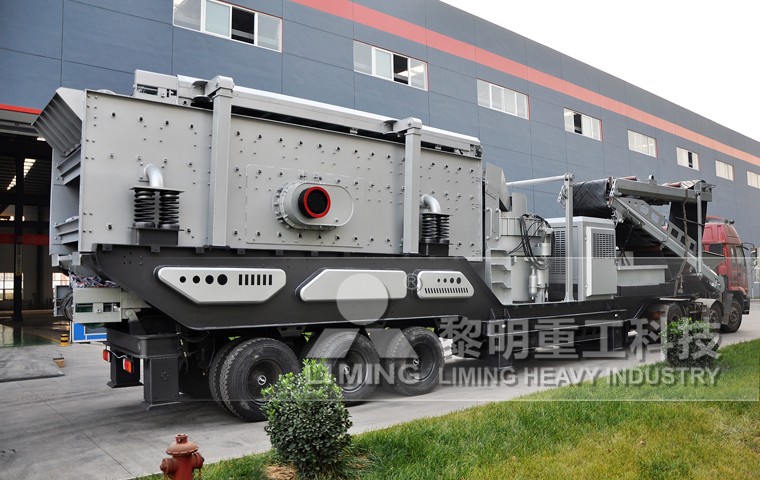
Mobility versus permanence influences design: modular or tracked plants offer rapid deployment for short-term projects, whereas fixed installations deliver long-term cost efficiency for quarries with stable production demands.
-
Environmental compliance requires integrated dust control (e.g., water sprays, baghouses) and noise mitigation. Permitting may mandate runoff containment and aggregate washing systems if fines content must be minimized.
-
Maintenance accessibility and spare parts logistics are critical for minimizing downtime. Automated monitoring systems for bearing temperature, vibration, and crusher settings enhance operational reliability and predictive maintenance scheduling.
-
Finally, labor requirements depend on automation level. Modern plants integrate PLC controls and remote diagnostics, reducing on-site personnel while increasing operational precision and safety.
Key Equipment Costs in a Basalt Crushing Plant Setup
-
Jaw crusher: Primary crushing typically relies on a robust jaw crusher, with costs ranging from $60,000 to $150,000 depending on feed capacity, output size, and material durability. High-compression strength basalt demands models with heavy-duty toggle plates and manganese alloy liners to sustain prolonged operation.
-
Cone crusher: Secondary and tertiary crushing stages commonly use cone crushers, priced between $100,000 and $250,000. Models with hydraulic adjustment and overload protection are preferred for consistent gradation control and reduced downtime. Multi-cylinder hydraulic cone crushers offer higher efficiency for hard basalt, justifying premium pricing.
-
Impact crusher: While less common for high-abrasion basalt, some modern vertical shaft impact (VSI) crushers are employed for cubical aggregate shaping, costing $80,000 to $200,000. These are typically reserved for final shaping stages where product aesthetics and particle geometry are critical.
-
Vibrating feeder: Positioned at the head of the process, vibrating feeders ensure uniform material flow into the primary crusher. Units capable of handling basalt’s density and feed rates of 300–600 tph range from $20,000 to $50,000. Grizzly attachments enhance scalping efficiency, reducing crusher load.
-
Vibrating screens: Multi-deck vibrating screens, essential for accurate sizing and classification, cost $30,000 to $90,000. Screen media selection—polyurethane or wire cloth—impacts wear life and maintenance frequency, particularly under basalt’s abrasive nature.
-
Conveyor systems: Belt conveyors constitute a significant portion of installation costs, with expenditures between $150 and $250 per meter depending on width, length, and motorization. A typical plant may require 500–1,000 meters of conveyance, translating to $75,000–$250,000.
-
Dust suppression and control systems: Mandatory for environmental compliance, water spray systems and baghouse filters add $30,000–$70,000. These systems mitigate airborne particulates generated during crushing and transfer stages.
-
Control systems: Centralized PLC-based control panels, enabling remote monitoring and operational coordination, range from $25,000 to $50,000. Integration with load cells, vibration sensors, and emergency stops enhances plant safety and efficiency.
Equipment selection must align with production targets, site logistics, and long-term maintenance strategies. While initial procurement dominates capital expenditure, lifecycle costs—including wear parts, energy consumption, and downtime—must inform investment decisions. Optimal configuration balances throughput, product quality, and operational resilience.
Labor, Energy, and Maintenance Expenses in Basalt Processing
-
Labor constitutes a significant operational expenditure in basalt processing, directly influenced by plant scale, degree of automation, and geographic location. A typical medium-scale crushing plant (100–200 tph) requires a core team of 12–18 personnel, including plant supervisors, equipment operators, maintenance technicians, quality control personnel, and logistics coordinators. Labor costs vary regionally; operations in North America or Western Europe may incur annual labor expenses between $600,000 and $1.1 million, whereas similar setups in Asia or Africa may range from $200,000 to $400,000. Automation reduces dependency on manual labor but necessitates higher-skilled technicians for system oversight and troubleshooting.
-
Energy consumption is primarily driven by primary and secondary crushers, conveyor systems, and screening units. On average, a basalt crushing plant consumes 0.8 to 1.5 kWh per ton of processed material. The jaw crusher typically accounts for 35–45% of total energy use, followed by cone or impact crushers (30–40%) and conveyors (15–25%). For a 150 tph plant operating 6,000 hours annually, total power demand may reach 1.1 to 1.8 million kWh per year. At an industrial electricity rate of $0.10/kWh, energy costs range from $110,000 to $180,000 annually. Implementing variable frequency drives (VFDs), optimizing crusher settings, and synchronizing equipment operation with production demand can reduce energy intensity by 15–25%.
-
Maintenance expenses are critical for sustaining equipment performance and minimizing unplanned downtime. Annual maintenance typically ranges from 3% to 6% of the total installed equipment cost. For a plant with $2.5 million in crushing and screening equipment, this equates to $75,000–$150,000 per year. Preventive maintenance programs—encompassing lubrication schedules, wear part inspections, and alignment checks—are essential. Key wear components include mantle and concave liners (replaced every 600–1,200 operating hours), jaw plates, and screen media. Using high-quality manganese or composite alloys extends component life and reduces replacement frequency. Scheduled downtime should be aligned with peak production cycles to avoid revenue disruption.
Collectively, labor, energy, and maintenance represent 60–75% of annual operating costs in basalt processing. Strategic planning in staffing, energy efficiency investments, and predictive maintenance protocols directly influences long-term cost competitiveness and plant reliability.
Site Preparation and Infrastructure Investment for Crushing Facilities
-
Site selection must prioritize proximity to basalt quarry faces to minimize haul distances while ensuring geotechnical stability for heavy equipment installation. A comprehensive topographic survey and geotechnical assessment are mandatory to evaluate load-bearing capacity, drainage patterns, and subsurface conditions.
-
Clearing and grading constitute the initial phase of site preparation. Vegetation, overburden, and obstructions must be removed to establish stable, level platforms for primary and secondary crushers, conveyors, screening units, and stockpiles. Laser grading ensures precise slope control to facilitate runoff and prevent water accumulation.
-
Access roads require engineered construction with compacted granular base layers to support constant traffic from dump trucks and maintenance vehicles. Road width and turning radii must accommodate oversized equipment transport during commissioning.
-
Utility infrastructure demands include a reliable high-voltage power supply (typically 11–33 kV), substations with adequate kVA capacity, and distribution networks to all processing zones. Backup generators are recommended for uninterrupted operation during grid fluctuations.
-
Water supply and dust suppression systems necessitate reservoirs or pipeline connections, pump stations, and a network of distribution lines with misting nozzles at transfer points. A closed-loop sedimentation system is essential to comply with environmental regulations and minimize freshwater consumption.
-
Foundations for crushing equipment must be designed per OEM specifications using reinforced concrete with vibration isolation. Primary jaw crushers and cone crushers require deep footings to absorb dynamic loads and prevent structural fatigue.
-
Stormwater management includes perimeter silt fences, retention basins, and lined drainage channels to control erosion and prevent contamination of surrounding ecosystems.
-
Permitting and compliance activities—covering environmental impact assessments, noise studies, and land-use approvals—must be completed prior to ground disturbance. Ongoing monitoring ensures adherence to local, state, and federal regulations.
-
Security infrastructure—perimeter fencing, lighting, and access control—protects capital-intensive assets and ensures operational safety.
-
Estimated site preparation and infrastructure investment ranges from $750,000 to $1.8 million, depending on site remoteness, terrain complexity, and utility availability. This phase typically accounts for 12–18% of total plant capital expenditure and requires 6–10 weeks for completion under optimal conditions.
How to Calculate Total Project Budget and ROI for Basalt Crushing Operations
-
Identify and quantify all capital expenditures (CAPEX), including land acquisition, site preparation, equipment purchase, installation, and permitting. Basalt crushing plants typically require primary and secondary crushers, vibrating feeders, screens, conveyors, dust suppression systems, and electrical infrastructure. Obtain detailed quotes from OEMs to minimize estimation error.
-
Estimate operational expenditures (OPEX) over a defined project life, typically 5–10 years. Include recurring costs: labor, energy consumption (kWh per ton crushed), maintenance and spare parts, lubricants, water, insurance, and regulatory compliance. Energy is a dominant cost factor—calculate based on crusher motor ratings, expected throughput (tons per hour), and local electricity tariffs.
-
Forecast annual production volume based on crusher capacity utilization. Use realistic assumptions: 70–80% availability accounts for planned maintenance and downtime. For example, a 200 tph plant operating 20 days/month at 16 hours/day achieves approximately 576,000 tons/year at 80% utilization.
-
Establish revenue projections using prevailing market prices for crushed basalt products (e.g., 0–5 mm, 5–20 mm aggregates). Regional demand, proximity to infrastructure, and competition influence pricing. Include potential sales of by-products like quarry fines if marketable.
-
Calculate total project budget as the sum of CAPEX and net present value (NPV) of OPEX over the project lifecycle, discounted at an appropriate rate (e.g., 8–12%) to reflect capital cost and risk.
-
Compute ROI by subtracting total lifecycle costs from total lifecycle revenue, then dividing by total costs. ROI (%) = [(Total Revenue – Total Costs) / Total Costs] × 100. A robust operation in a favorable market typically achieves ROI between 18% and 30% over five years.
-
Conduct sensitivity analysis on key variables: throughput variance, energy cost fluctuations, and aggregate price cycles. This identifies break-even thresholds and supports risk mitigation planning.
-
Integrate environmental and closure liabilities into financial modeling. Budget for rehabilitation, dust control upgrades, and long-term monitoring to ensure compliance and avoid unplanned expenses.
Accurate budget and ROI estimation hinges on granular data, realistic operational assumptions, and conservative market forecasts. Engage technical and financial experts during feasibility assessment to validate inputs and enhance projection reliability.
Frequently Asked Questions
What factors influence the cost estimation of a basalt crushing plant?
The cost estimation of a basalt crushing plant depends on several key factors: plant capacity (measured in tons per hour), type and configuration of crushing equipment (jaw, cone, impact crushers), automation and control systems, site preparation requirements, material transport logistics, environmental compliance measures, labor costs, and regional pricing variations. Additionally, auxiliary systems such as screening units, conveyors, and dust suppression contribute significantly to total capital and operational expenditures.
How is production capacity calculated for a basalt crushing plant?
Production capacity is determined based on feed size, desired output size, crusher throughput rates, and plant uptime efficiency. Engineers use material retention time, crusher settings, closed-side settings (CSS), and feed consistency to model expected throughput. A typical basalt plant may range from 50 TPH (tons per hour) to over 1,000 TPH, with simulation software like Metso Lokotrack or Sandvik Equipment Adviser used to optimize flow and minimize bottlenecks.
What are the primary equipment components in a basalt crushing plant?
A basalt crushing plant typically includes a primary jaw crusher for initial size reduction, secondary cone or impact crushers for finer processing, vibrating feeders to regulate material flow, multi-deck screens for grading aggregates, belt conveyors for material transfer, and dust collection systems. Advanced plants integrate PLC-based control systems, remote monitoring, and variable frequency drives (VFDs) for energy efficiency and predictive maintenance.
How do you estimate capital expenditure (CapEx) for a mobile vs. stationary basalt crushing plant?
Mobile plants generally have lower site preparation costs and faster deployment but higher equipment costs due to integrated chassis and hydraulics—typically $1.5M–$4M for medium-scale units. Stationary plants require concrete foundations, structural supports, and extensive electrical infrastructure, increasing CapEx to $3M–$10M+ depending on scale, but offer higher throughput and longevity. Lifecycle cost analysis and ROI projections are critical in selection.
What operational costs (OpEx) should be included in a basalt crushing plant estimation?
OpEx includes energy consumption (motors, conveyors, crushers), labor (operators, technicians, supervisors), routine and preventive maintenance, wear parts replacement (mantles, liners, screens), water and dust suppression chemicals, insurance, and environmental compliance (noise, emissions,废水处理). Energy alone may account for 30–40% of OpEx, making equipment efficiency a critical factor in long-term profitability.
How does basalt hardness affect crusher selection and wear costs?
Basalt has a Mohs hardness of 6–7 and high abrasiveness, accelerating wear on crusher components. Primary jaw crushers with manganese steel liners are preferred for initial crushing, while secondary and tertiary stages use high-efficiency cone crushers with replaceable wear liners. Advanced耐磨材料 like composite alloys or tungsten carbide coatings can reduce liner replacement frequency by up to 50%, significantly lowering long-term maintenance costs.
What environmental and regulatory considerations impact basalt crushing plant design?
Environmental regulations require dust control (baghouses, water sprays), noise attenuation (acoustic enclosures), wastewater management (sedimentation ponds), and site reclamation plans. Permits for air quality (PM10/PM2.5 emissions), water discharge, and land use are mandatory. Plants in urban or ecologically sensitive zones may require enclosed designs and real-time emission monitoring systems to comply with EPA or EU directives.
How accurate are feasibility studies for basalt crushing plant projects?
High-quality feasibility studies, grounded in geological surveys, market demand analysis, and equipment performance data, achieve accuracy within ±10–15% for CapEx and ±8% for OpEx. Third-party engineering firms use dynamic financial modeling, NPV/IRR analysis, and sensitivity testing on variables like aggregate pricing and energy costs to ensure robust investment decisions.
What role does automation play in modern basalt crushing plant efficiency?
Automation enhances efficiency through real-time monitoring of crusher load, feed rate, and power consumption. PLC and SCADA systems optimize crusher settings based on feed characteristics, reducing downtime and energy waste. Predictive maintenance algorithms analyze vibration and temperature data to schedule interventions before failures occur, increasing OEE (Overall Equipment Effectiveness) by 15–25%.
How do you optimize particle shape and gradation in basalt aggregate production?
Particle shape is improved by selecting appropriate crushers—cone crushers produce more cubical aggregates than jaw crushers. Multi-stage crushing with controlled CSS and proper screening (inclined or horizontal) ensures tight gradation compliance (e.g., ASTM C33). Closed-circuit recycling of oversize material through tertiary impactors further refines shape and size distribution for high-specification concrete and asphalt applications.
What are the typical ROI timelines for a basalt crushing plant?
ROI timelines vary from 2 to 5 years, depending on plant capacity, local market prices for crushed basalt ($30–$60/ton), operating efficiency, and proximity to infrastructure. Plants serving urban construction markets with high demand and limited competition tend to achieve breakeven faster. Leveraging pre-sale contracts and long-term supply agreements improves cash flow predictability.
Can modular or skid-mounted basalt crushing plants reduce installation time and cost?
Yes, modular designs reduce installation time by up to 60% and require less on-site construction. Pre-assembled skid-mounted units for feeding, crushing, and screening are factory-tested, minimizing commissioning delays. Though initial module costs may be higher, reduced labor, engineering, and downtime during setup offer significant lifecycle savings, especially in remote or temporary operations.