Table of Contents
- Understanding the Key Parts of a Stone Crusher: A Comprehensive Breakdown
- 1. Feeder (Pengumpan)
- 2. Crushing Chamber (Ruang Penghancur)
- 3. Rotor (Rotor)
- 4. Blow Bars (Palu Pemecah)
- 5. Jaw Plates (Pelat Rahang)
- 6. Toggle Plate (Pelat Pengungkit)
- 7. Main Shaft (Poros Utama)
- 8. Eccentric Shaft (Poros Eksentrik)
- 9. Flywheel (Roda Gila)
- 10. Bearings (Bantalan)
- 11. Hydraulic Adjustment System (Sistem Hidrolik)
- 12. Frame & Base (Rangka & Pondasi)
- 13. Discharge Conveyor (Konveyor Keluar)
- 14. Screening Unit (Unit Pengayak)
- 15. Dust Suppression System (Sistem Penekan Debu)
- Why Knowing the Parts Matters for SEO & Operations
- Final Thoughts
Understanding the Key Parts of a Stone Crusher: A Comprehensive Breakdown
When it comes to heavy-duty aggregate processing, the stone crusher stands as the backbone of the mining, quarrying, and construction industries. To maximize efficiency, ensure safety, and reduce downtime, it is essential to understand the bagian bagian stone crusher (the parts of a stone crusher). This guide provides a detailed, SEO-optimized breakdown of every major component, its function, and why proper maintenance matters.
1. Feeder (Pengumpan)
The feeder is the first component in the crushing process. Its primary role is to regulate the flow of raw material into the crusher. A vibrating feeder ensures a consistent, even feed rate, which prevents clogging and optimizes the crusher’s capacity.
- Types: Apron feeders, vibrating grizzly feeders, and belt feeders.
- Key Function: Controls material velocity and removes undersized or unwanted debris before crushing.
2. Crushing Chamber (Ruang Penghancur)
The crushing chamber is the heart of the machine where the actual size reduction occurs. It is formed between the fixed jaw (or concave) and the moving jaw (or mantle), depending on the crusher type.
- Jaw Crusher: Uses a fixed and a swing jaw to create a V-shaped chamber.
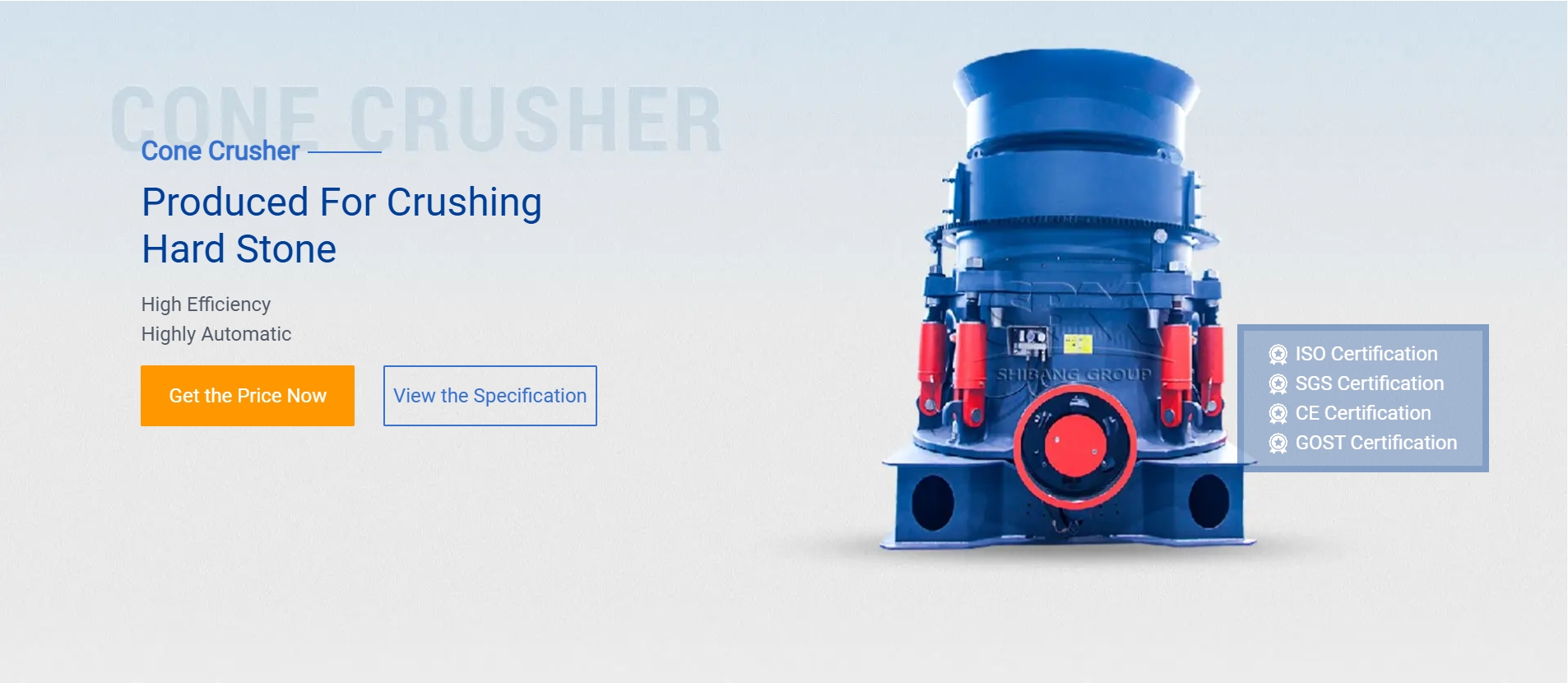
- Cone Crusher: Uses a concave and a mantle; the gap narrows toward the bottom.
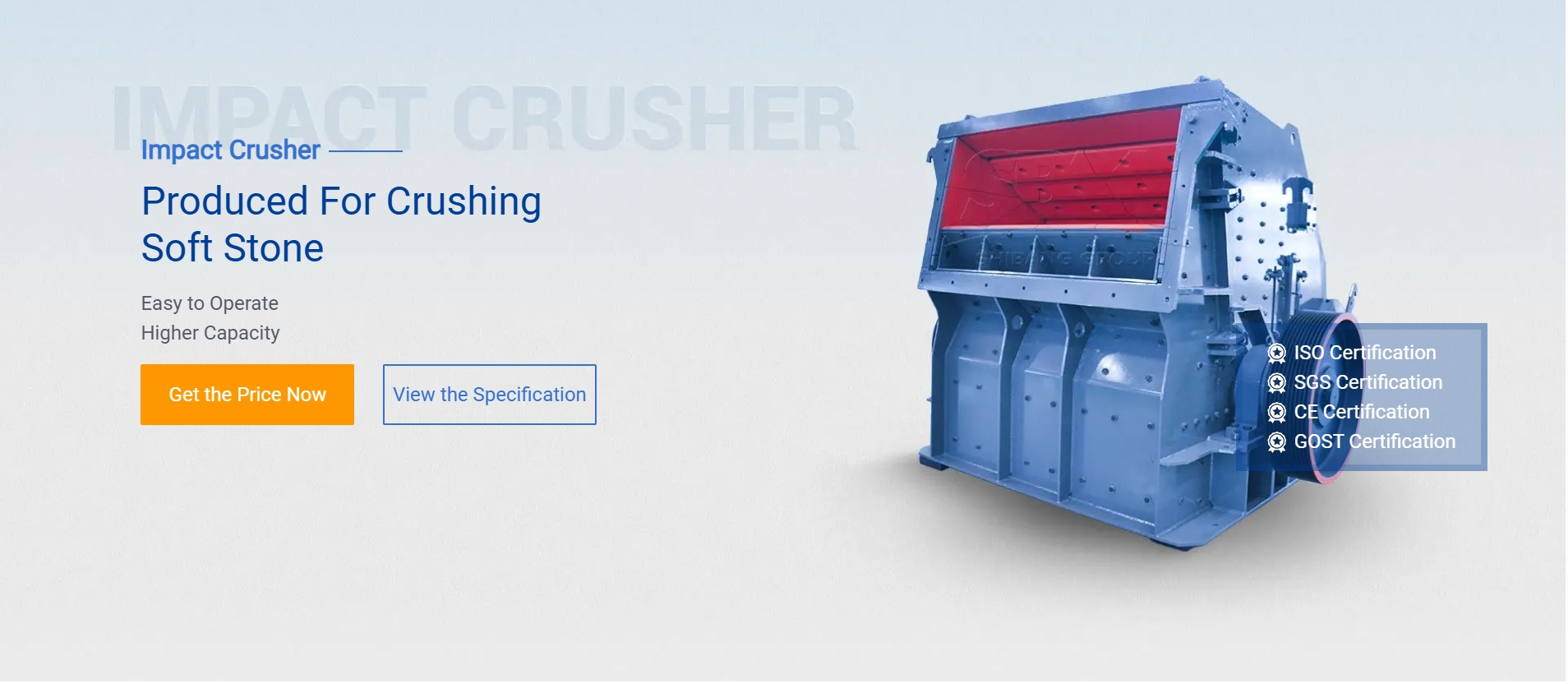
- Impact Crusher: Uses rotor and breaker plates instead of a traditional chamber.
Why it matters: The geometry of the chamber directly influences the product size, shape, and throughput.
3. Rotor (Rotor)
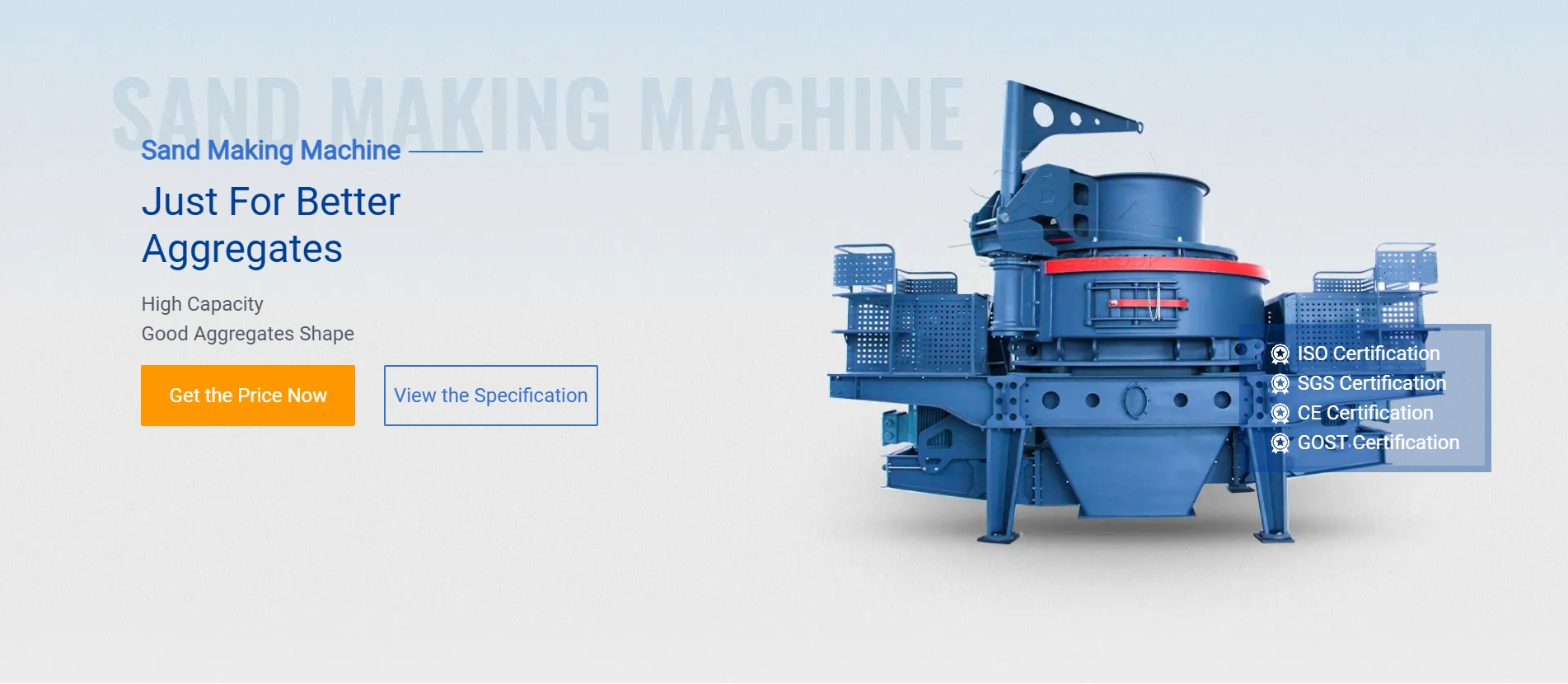
In impact crushers and VSI (Vertical Shaft Impact) crushers, the rotor is a high-speed rotating component that throws the material against impact plates or stone liners.
- Material: Usually made from high-chrome or manganese steel for wear resistance.
- Function: Converts kinetic energy into crushing force.
- Maintenance Tip: Check for uneven wear on blow bars and replace them before they crack.
4. Blow Bars (Palu Pemecah)
Blow bars are the wear parts mounted on the rotor. They strike the incoming material and break it upon impact.
- Common Materials: Manganese steel, chrome steel, or ceramic composites.
- Signs of Wear: Reduced output size, increased power consumption, and visible cracks.
- Pro Tip: Rotate blow bars periodically to extend their service life.
5. Jaw Plates (Pelat Rahang)
For jaw crushers, the jaw plates are the main wear components. They come in two types:
- Fixed Jaw Plate (Rahang Diam): Attached to the crusher frame.
- Movable Jaw Plate (Rahang Bergerak): Attached to the pitman and moves in an elliptical motion.
Profile Options: Corrugated, smooth, or toothed—each profile is designed for specific feed sizes and output requirements.
6. Toggle Plate (Pelat Pengungkit)
The toggle plate is a safety and adjustment mechanism in jaw crushers. It connects the movable jaw to the frame and transmits the crushing force.
- Safety Role: If an uncrushable object (like a metal bolt) enters the chamber, the toggle plate breaks first, protecting the crusher body.
- Adjustment: Changing the toggle plate length adjusts the discharge opening (CSS – Closed Side Setting).
7. Main Shaft (Poros Utama)
The main shaft is the central axis that supports the moving jaw or the mantle. It is subjected to high torsional and bending stresses.
- Material: Forged alloy steel with high fatigue resistance.
- Function: Transfers rotational motion from the flywheel to the eccentric mechanism.
- Failure Signs: Excessive vibration, unusual noise, or visible bending.
8. Eccentric Shaft (Poros Eksentrik)
In jaw crushers, the eccentric shaft is the driving force behind the up-and-down motion of the movable jaw. It is mounted on heavy-duty bearings and rotates to create the crushing stroke.
- Key Feature: The offset (eccentricity) determines the stroke length.
- Lubrication: Requires high-pressure grease or oil circulation to prevent overheating.
9. Flywheel (Roda Gila)
The flywheel stores rotational energy to smooth out the power demand during the crushing cycle. It helps the crusher maintain a consistent speed even when large rocks are being crushed.
- Location: Mounted on both ends of the eccentric shaft.
- Weight: Heavier flywheels provide more inertia, reducing the required motor power.
10. Bearings (Bantalan)
Bearings are critical for reducing friction between moving parts. They support the eccentric shaft, main shaft, and rotor..jpg)
- Types: Spherical roller bearings, cylindrical roller bearings, and tapered roller bearings.
- Common Issues: Overheating, contamination, and misalignment.
- Maintenance: Regular greasing and temperature monitoring are non-negotiable.
11. Hydraulic Adjustment System (Sistem Hidrolik)
Modern crushers (especially cone crushers) are equipped with a hydraulic system that allows for:.jpg)
- CSS Adjustment: Changing the closed side setting remotely.
- Overload Protection: Releasing pressure when tramp metal enters the chamber.
- Clearing: Quickly discharging stuck material from the chamber.
Benefit: Reduces manual labor and downtime significantly.
12. Frame & Base (Rangka & Pondasi)
The frame is the main structural body that holds all components together. It must be rigid enough to withstand high-impact forces without flexing.
- Material: Cast steel or welded heavy-duty steel plates.
- Base: A concrete foundation is often required to absorb vibrations and ensure stability.
13. Discharge Conveyor (Konveyor Keluar)
Once the material is crushed, it exits through the discharge opening and is carried away by a conveyor belt. The discharge area must be properly sealed to prevent dust leakage and material spillage.
14. Screening Unit (Unit Pengayak)
In many crushing plants, a vibrating screen is integrated after the crusher to separate the final product into different sizes. The screen deck can be customized with different mesh sizes.
15. Dust Suppression System (Sistem Penekan Debu)
Environmental compliance is crucial. A water spray or dust collection system helps control airborne particles, protecting both workers and equipment.
Why Knowing the Parts Matters for SEO & Operations
Understanding the bagian bagian stone crusher is not just about technical knowledge—it directly impacts:
- Operational Efficiency: Knowing which part to adjust or replace saves hours of troubleshooting.
- Cost Management: Wear parts like blow bars and jaw plates are the highest recurring costs. Proper monitoring extends their life.
- Safety Compliance: A well-maintained crusher reduces the risk of accidents caused by part failure.
- Resale Value: A documented maintenance history of key components increases equipment resale value.
Final Thoughts
Whether you are an operator, a maintenance engineer, or a procurement specialist, mastering the anatomy of a stone crusher is a non-negotiable skill. From the feeder to the discharge conveyor, every component plays a specific role in the crushing process. Regular inspection, timely replacement of wear parts, and understanding the interaction between components will keep your crusher running at peak performance.
Pro Tip: Always keep a spare set of the most critical wear parts—jaw plates, blow bars, and toggle plates—in your inventory. Downtime is the most expensive part of any crushing operation.
Keywords: bagian bagian stone crusher, stone crusher parts, jaw crusher components, cone crusher wear parts, impact crusher blow bars, crusher maintenance, crushing plant equipment.