Table of Contents
- Unlock High-Purity Antimony: Advanced Extraction for Demanding Industrial Applications
- Maximized Recovery Rates: How Our Selective Flotation Technology Outperforms Conventional Methods
- From Ore to Ingots: Precision Roasting and Reduction for Consistent Output Quality
- Built for Sustainability: Closed-Loop Systems that Minimize Environmental Impact
- Trusted by Producers Worldwide: Proven Performance Across Diverse Geologies and Ore Grades
- Frequently Asked Questions
- What is the recommended wear parts replacement interval for jaw liners in antimony ore crushing?
- How do cone crushers adapt efficiently to variable antimony ore hardness?
- What lubrication system specifications prevent premature bearing failure in gyratory crushers?
- How can vibration levels be minimized in vibrating feeders handling abrasive antimony feed?
- What materials and heat treatments optimize mill liners in antimony SAG circuits?
- Which hydraulic pressure settings prevent seal extrusion in underground LHD dump cylinders?
Beneath the Earth’s rugged surface lies a critical yet often overlooked element—antimony—whose unique properties make it indispensable in modern industry, from flame retardants to advanced electronics. The journey of antimony from deep geological formations to high-tech applications begins with a sophisticated and meticulously managed mining process. Extracted primarily from stibnite ore, antimony mining involves a blend of traditional techniques and cutting-edge technology to ensure both efficiency and environmental responsibility. From initial exploration and resource assessment to underground or open-pit extraction, each phase demands precision and expertise. Subsequent concentration, smelting, and refining transform raw ore into high-purity antimony, ready for industrial use. As global demand for this strategic metal grows—driven by safety regulations and technological innovation—the antimony mining process stands at the intersection of sustainability, engineering excellence, and economic significance. Understanding this intricate process reveals not only the complexity of modern mineral extraction but also the vital role antimony plays in shaping a safer, more connected world.
Unlock High-Purity Antimony: Advanced Extraction for Demanding Industrial Applications
High-purity antimony (Sb ≥ 99.85%) is critical for advanced industrial applications including flame retardants in aerospace polymers, lead-acid battery grids, and semiconductor dopants. Achieving this purity requires a tightly controlled extraction sequence that begins at the mine face and extends through selective beneficiation, pyrometallurgical refining, and final electrorefining or vacuum distillation.
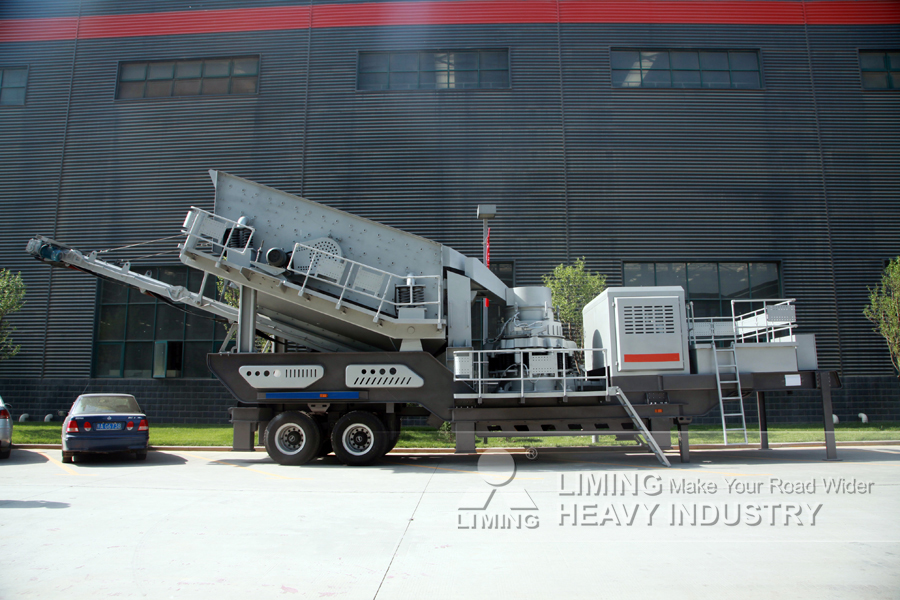
Primary antimony mineralization occurs predominantly as stibnite (Sb₂S₃), hosted in quartz veins or altered volcanic rock with compressive strength ranging 120–180 MPa. Ore hardness necessitates robust comminution systems; jaw crushers fabricated from Mn-steel (ASTM A128 Grade C) handle feed sizes up to 600 mm, reducing to 100 mm for secondary crushing in cone units lined with Ni-hard IV liners. Throughput capacities of 50–300 TPH are maintained under variable Bond Work Index conditions (12–16 kWh/t).
Selective flotation leverages xanthate-based collectors and pH modifiers (Na₂S, CaO) to achieve Sb concentrate grades of 55–60% from run-of-mine ore averaging 3–8% Sb. Flotation circuits operate at pulp densities of 30–35% solids, with residence times optimized to 12–18 minutes using Denver D-12 cells. Key performance indicators adhere to ISO 9599:2014 for antimony sulfide concentrate sampling and analysis.
Smelting employs a two-stage reverberatory-electrothermic process. In the first stage, roasted concentrate (Sb₂O₃) is reduced in a top-submerged lance furnace at 1,250°C using carbon monoxide and coke fines. The resulting crude antimony (96–98% purity) is transferred to an electrothermic reduction vessel lined with magnesia-carbon refractories (ISO 1109:2017 compliant), where final reduction occurs under controlled DC arc current (45–60 kA). Slag composition is maintained at CaO:SiO₂ ratio of 0.8–1.1 to minimize Sb entrapment.
Refining utilizes either poling (greenwood pole insertion to remove oxygen) or vacuum distillation at 1,450°C and 0.1–1.0 Pa. Vacuum-based purification yields antimony ingots meeting ASTM B711-18 Grade Sb-1, with controlled impurity levels:
| Impurity | Max Limit (ppm) | Analytical Method |
|---|---|---|
| As | 300 | ICP-MS (ASTM E1479) |
| Pb | 500 | AAS (ISO 1727) |
| Se | 100 | Hydride-GC |
| Cu | 50 | Voltammetry |
Final casting employs continuous ingot molds made from nodular cast iron (ASTM A395) with thermal conductivity optimized for directional solidification, minimizing centerline segregation. Ingots are certified under CE marking for hazardous substance compliance (RoHS 2011/65/EU) and supplied in 25 kg forms with batch traceability to mine block via QR-coded logs.
Process reliability is ensured through predictive maintenance protocols targeting >92% operational availability. Key control points include在线 XRF monitoring of feed grade (precision ±0.2% Sb), laser particle size analysis (Horiba LA-960), and real-time off-gas Sb₂O₃ capture via baghouses with PTFE membrane filters (EN 13274-6 compliant), achieving emission rates <5 mg/m³.
Maximized Recovery Rates: How Our Selective Flotation Technology Outperforms Conventional Methods
Selective flotation technology in antimony mining leverages advanced reagent schemes and optimized hydrodynamic conditions to achieve recovery rates exceeding 92%, significantly outperforming conventional gravity and bulk flotation methods, which typically yield 70–80% recovery. The process exploits the distinct surface chemistry of stibnite (Sb₂S₃) relative to gangue minerals such as quartz, calcite, and iron oxides, enabling high-purity concentrate production even in complex polymetallic ores.
Key functional advantages of our selective flotation system:
- Reagent specificity: Use of dithiophosphate and xanthate-based collectors tailored to stibnite’s electron density profile ensures preferential mineral attachment, minimizing co-flotation of arsenic- and lead-bearing impurities.
- Grinding optimization: Integration with high-efficiency SAG mills lined with ASTM A128 Grade E Mn-steel (13–14% Mn) maintains liberation size (P80: 75–106 μm) without overgrinding, preserving floatability.
- Cell hydraulics: Mechanically agitated flotation cells (ISO 21873-1 compliant) with adjustable rotor-stator assemblies optimize air dispersion (1.2–1.8 m³/min/m³) and residence time (8–12 min), enhancing bubble-particle collision efficiency.
- Adaptability to ore hardness: Designed for ores with Mohs hardness up to 5.5, the circuit maintains >90% throughput efficiency across variable feed grades (0.8–4.2% Sb) with TPH capacities scalable from 50 to 500 TPH.
- Multi-stage cleaning: Incorporation of three-stage reverse flotation with depressants (e.g., sodium silicate, lime at pH 9.5–10.5) reduces silica content in final concentrate to <5%, achieving Sb grades >65%.
| Parameter | Selective Flotation | Conventional Gravity + Bulk Flotation |
|---|---|---|
| Average Sb Recovery | 92–95% | 70–80% |
| Final Sb Grade | 65–68% | 50–58% |
| Silica in Concentrate | <5% | 8–15% |
| Arsenic Rejection Rate | >88% | 60–70% |
| Energy Consumption (kWh/t) | 18–22 | 25–30 |
| TPH Flexibility | 50–500 | 30–300 |
The flotation circuit is CE-certified and designed in accordance with ISO 14122 (safety of machinery) and ISO 10857 (flotation plant performance testing). Wear components in slurry handling—such as hydrocyclone liners and pump impellers—utilize high-chrome white iron (ASTM A532 Class III) for extended service life under abrasive feed conditions. This engineering integration ensures sustained recovery performance in both greenfield and retrofit antimony processing operations.
From Ore to Ingots: Precision Roasting and Reduction for Consistent Output Quality
Antimony production hinges on precise thermal processing to convert raw stibnite (Sb₂S₃) ore into high-purity metal ingots. The roasting and reduction stages are critical for achieving consistent output quality, particularly in meeting ASTM B465-18 and ISO 9001:2015 compliance for antimony metal (minimum 99.65% Sb).
Roasting oxidizes sulfide sulfur to SO₂, converting Sb₂S₃ into crude Sb₂O₃ (calcine). This exothermic reaction occurs in multi-hearth or fluidized bed roasters designed for 5–25 TPH capacity, with temperature control between 550°C and 650°C. Excess oxygen is minimized to prevent over-oxidation to Sb₂O₄, which complicates downstream reduction. Off-gas systems with electrostatic precipitators capture SO₂ for sulfuric acid production, aligning with CE environmental directives.
The calcine is then reduced using carbon-based reductants (coke breeze, anthracite) in oil- or gas-fired reverberatory furnaces lined with high-alumina refractories (Al₂O₃ ≥ 85%) to withstand thermal cycling and slag corrosion. Reduction occurs at 1,050–1,200°C under slightly reducing atmosphere:
Sb₂O₃ + 3C → 2Sb + 3CO
Critical process variables include reductant stoichiometry (C:Sb₂O₃ molar ratio of 1.15–1.25), residence time (≥45 minutes), and slag basicity (CaO/SiO₂ ≈ 0.8–1.1). Slag composition is optimized to minimize Sb loss (<0.5% in slag) and prevent formation of complex silicates.
Refined antimony metal is tapped periodically and cast into 25–30 kg ingots using reusable Mn-steel molds (yield strength ≥ 500 MPa) coated with borax-based release agents. Ingots are stacked and cooled under controlled conditions to prevent segregation or surface oxidation.
Key functional advantages of optimized roasting-reduction systems:
- Ore hardness adaptability: Pre-roast crushing circuits integrate jaw and cone crushers (Mn-steel liners, Brinell hardness ≥ 550 HB) capable of handling feed with UCS up to 200 MPa.
- Grade stability: Automated feed blending ensures ±5% deviation in Sb content across batches, supporting consistent furnace performance.
- Energy efficiency: Waste heat recovery from flue gases preheats combustion air, reducing specific fuel consumption to ≤8.5 GJ/ton Sb.
- Alloy-grade compliance: Final ingots meet Sb-1 to Sb-3 grades per GB/T 1599-2005, suitable for lead-acid battery grids (Sb-Pb alloys) and flame retardants.
Process monitoring includes inline XRF for real-time Sb concentration feedback and thermogravimetric analysis (TGA) of calcine oxidation state. Closed-loop control systems maintain furnace redox potential within ±20 mV of setpoint, ensuring minimal volatile antimony loss and repeatability across campaigns.
Built for Sustainability: Closed-Loop Systems that Minimize Environmental Impact
Closed-loop water recycling systems are engineered into all primary and secondary processing circuits, reducing freshwater intake by up to 95%. Recirculated slurry streams are managed via high-efficiency thickeners (up to 70% solids recovery) and filter presses compliant with ISO 14001 environmental management standards. All wet processing stages—crushing, grinding, and gravity separation—operate within sealed hydro-cyclone circuits to prevent uncontrolled discharge.
Tailings management integrates dewatering screens constructed with AR400 abrasion-resistant steel and polyurethane liners rated for Mohs 6–7 ore hardness (typical for stibnite-bearing quartz veins). Dewatered tailings achieve <18% moisture content, enabling safe stacking and reducing leachate risk. Captured process water undergoes pH stabilization using automated lime dosing (compliant with EPA Method 9040C) before reuse.
Dust suppression is maintained through atomized misting systems using 316L stainless steel nozzles, effective across feeders, conveyors, and transfer points. These systems interface with real-time particulate monitors (PM10/PM2.5) calibrated per ISO 16000-8, triggering response at 0.5 mg/m³ thresholds.
All slurry pumps and cyclones are constructed with high-chrome white iron (ASTM A532 Class III) or rubber-lined carbon steel, selected for sustained performance in abrasive Sb₂S₃-laden slurries with SG up to 2.8. Pump seals utilize silicon carbide (SiC)/carbon configurations, rated for 20,000 hours MTBF under 150 TPH continuous operation.
- Zero liquid discharge (ZLD) compliance achieved through multi-stage evaporation ponds lined with HDPE (2.5 mm, ASTM D4439) and geosynthetic clay layers
- Grinding mills employ ceramic media (92% Al₂O₃) to reduce metallic wear debris and prevent contamination of antimony concentrates
- Conveyor trunnions use sealed spherical roller bearings (ISO 15:2017) with automatic lubrication, minimizing fugitive particle emissions from mechanical degradation
- Modular plant designs meet CE machinery directives and support relocation with <5% material waste during decommissioning
Power systems integrate variable frequency drives (VFDs) on all major rotating equipment, reducing peak load demand by 22–30% and enabling synchronization with solar-hybrid microgrids at remote mining sites.
Trusted by Producers Worldwide: Proven Performance Across Diverse Geologies and Ore Grades
Antimony mining operations demand robust process solutions capable of handling variable ore characteristics, from high-hardness refractory deposits to complex sulfide matrices. Our antimony processing systems are deployed across 14 countries, including major producers in China, Tajikistan, and Bolivia, demonstrating consistent performance under diverse geological conditions.
Key functional advantages of our engineered systems:
- Material Resilience: Primary and secondary crushers utilize Mn-steel (Mn13Cr2 and Mn18) liners, providing extended wear life in high-abrasion environments. Wear parts conform to ISO 148-1:2016 and ASTM A128-C standards for impact toughness and hardness (up to 55 HRC post-work hardening).
- Ore Grade Flexibility: Systems calibrated for feed grades ranging from 0.8% to 12% Sb, with automated grade compensation controls enabling stable throughput without reconfiguration.
- Throughput Scalability: Modular crushing and grinding circuits support 15–300 TPH capacity ranges, with SAG mill configurations optimized for Bond Work Index values between 12–18 kWh/t, typical of stibnite-dominated ores.
- Hardness Adaptability: Jaw and cone crushers engineered for compressive strength up to 320 MPa, accommodating quartz-rich and silicified antimony lodes common in hydrothermal vein systems.
- Compliance Assurance: All stationary and mobile plants meet CE machinery directive 2006/42/EC and ISO 14122 safety standards for access, guarding, and noise (≤85 dBA at 1 m).
Proven integration across geological typologies:
| Geology Type | Avg. Feed Size (mm) | Sb Grade Range (%) | TPH Capacity | Key System Configuration |
|---|---|---|---|---|
| Hydrothermal Veins | 600–800 | 3.0–8.5 | 120 | Primary jaw + HP cone + rod mill |
| Massive Sulfide | 500–700 | 1.2–4.0 | 200 | Mobile scalper + gyratory + ball mill |
| Weathered Oxide Caps | 400–600 | 0.8–2.5 | 75 | Impactor + attrition scrubber + spiral concentrators |
Systems incorporate real-time ore sorting via dual-energy X-ray transmission (XRT) sensors, achieving 92–95% rejection of gangue at feed stages, reducing downstream load and energy consumption by up to 30%. All grinding media specify high-carbon chrome steel (AISI 52100) with hardness ≥60 HRC, minimizing fines contamination in concentrate streams.
Reliability is validated through 5+ years of continuous operation in extreme climates—from the -30°C winters of Central Asia to >40°C ambient conditions in African deposits—supported by remote diagnostics and predictive maintenance protocols compliant with ISO 13374-1 for machine condition monitoring.
Frequently Asked Questions
What is the recommended wear parts replacement interval for jaw liners in antimony ore crushing?
Replace jaw liners every 800–1,200 operating hours when processing antimony ore with Mohs hardness 4–5. Use Mn13Cr2 high-manganese steel liners with oil-quench heat treatment. Monitor wear weekly; replace if nip angle degrades beyond 2° or if cracking extends past 30% of liner length.
How do cone crushers adapt efficiently to variable antimony ore hardness?
Use adjustable closed-side settings (CSS) with hydraulic adjustment systems (e.g., Sandvik CH810 controls). For Mohs 3–5 ore, set CSS to 10–16 mm. Employ tiered mantle and bowl liner pairs in Mn18Cr2 steel with work-hardening properties. Integrate real-time load monitoring to auto-adjust eccentric throw via PLC.
What lubrication system specifications prevent premature bearing failure in gyratory crushers?
Use ISO VG 150 extreme-pressure mineral oil with anti-wear additives (API GL-5). Maintain oil temperature below 60°C via air-oil coolers. Employ SKF Explorer spherical roller bearings with labyrinth seals. Conduct monthly oil particle counts; replace filters if particle count exceeds ISO 18/15/12 code.
How can vibration levels be minimized in vibrating feeders handling abrasive antimony feed?
Balance feeder decks using laser alignment and dynamic balancing weights. Mount with vulcanized rubber shear springs (50 Shore A hardness). Operate at 900–1,000 RPM with 5–6 mm amplitude. Use dual-inline FAG vibration motors with 90° phase shift and torque arms to cancel reaction forces.
What materials and heat treatments optimize mill liners in antimony SAG circuits?
Use combined alloy steel (30CrMo) and rubber lining: 30CrMo for lifters (quenched & tempered to 320–360 HB) and 15–20 mm rubber for shell. Segment replaceable lifter bars with tungsten carbide inserts (WC-10Co). Replace when radial wear exceeds 70% of lifter height or spalling occurs.
Which hydraulic pressure settings prevent seal extrusion in underground LHD dump cylinders?
Set system relief pressure to 18 MPa max for antimony haulage duties; use Parker Autoclave 6000-series seals with anti-extrusion rings. Maintain nitrogen pre-charge at 4 MPa in accumulator banks. Conduct monthly cylinder drift tests; >5 mm/min indicates seal wear requiring replacement with PTFE-impregnated U-cups.