Table of Contents
- Understanding the Role of Aggregate Stone in Zambia’s Construction Boom
- Key Regions Driving Aggregate Stone Production Across Zambia
- Extraction and Processing Techniques in Zambian Aggregate Operations
- Challenges Facing the Aggregate Stone Industry in Zambia
- Future Prospects and Investment Opportunities in Zambia’s Aggregates Sector
- Frequently Asked Questions
- What is the current state of aggregate stone production in Zambia?
- What types of rock are commonly used for aggregate production in Zambia?
- How does Zambia regulate aggregate stone quarrying and environmental compliance?
- What machinery is essential for a modern aggregate stone plant in Zambia?
- How can aggregate producers meet Zambian construction standards?
- What are the biggest challenges facing aggregate producers in Zambia?
- Is there a growing demand for crushed stone aggregates in Zambia’s infrastructure projects?
- What role do small-scale and artisanal quarry operators play in Zambia’s aggregate supply chain?
- How does aggregate quality impact road construction durability in Zambia?
- What opportunities exist for foreign investment in Zambia’s aggregate sector?
- Can recycled construction aggregates compete with natural stone in Zambia?
- How are transportation logistics optimized in Zambia’s aggregate distribution network?
Understanding the Role of Aggregate Stone in Zambia’s Construction Boom
-
Aggregate stone serves as the foundational component in modern construction, comprising crushed stone, gravel, and sand used in concrete, road bases, and drainage systems. In Zambia, the ongoing construction and infrastructure development surge has elevated aggregate stone from a commoditized input to a strategic material essential for national growth.
-
The country’s urban expansion, driven by population growth and industrialization, has intensified demand for housing, commercial buildings, and transportation networks. Each of these relies heavily on consistent and high-quality aggregate supply. National projects such as the Lusaka-Ndola Dual Carriageway, the Kenneth Kaunda International Airport expansion, and urban housing initiatives underscore the centrality of aggregates in realizing Zambia’s development agenda.
-
Economically, local aggregate production reduces reliance on imported construction materials, conserving foreign exchange and stimulating regional employment. The proximity of aggregate quarries to urban centers like Lusaka, Ndola, and Kitwe enhances logistical efficiency, lowering transport costs and project timelines. This localization is critical for maintaining cost-effective construction in a resource-constrained environment.
-
However, supply constraints persist. Limited mechanization, outdated extraction techniques, and inconsistent regulatory oversight affect output quality and volume. Environmental considerations, including land degradation and dust emissions, further necessitate sustainable quarrying practices and tighter compliance frameworks.
-
To meet projected demand, investment in modern crushing and screening equipment, geological mapping of reserves, and public-private partnerships are imperative. The integration of environmental management plans and community engagement protocols will ensure long-term operational viability and social license to operate.
-
Policy coherence is equally vital. Harmonizing mining, environmental, and construction regulations can streamline permitting and encourage formalization of the sector. The Zambia Development Agency and local authorities must prioritize aggregate production within broader infrastructure planning.
-
As Zambia advances its Vision 2030 goals, aggregate stone will continue to underpin structural integrity and project feasibility across the built environment. Strategic investment, regulatory clarity, and sustainable practices are not merely beneficial—they are foundational to sustaining the nation’s construction momentum.
Key Regions Driving Aggregate Stone Production Across Zambia
- Central Province
- Copperbelt Province
- Lusaka Province
- Southern Province
Central Province stands as a cornerstone of aggregate stone production in Zambia, largely due to its expansive geological formations rich in dolerite, granite, and sandstone. The region hosts several mechanized quarries near Kabwe and Serenje, benefiting from proximity to major infrastructure corridors such as the Great North Road. These logistical advantages facilitate cost-effective supply chains to construction hubs across the country, particularly for large-scale road and rail projects.
Copperbelt Province, historically anchored in mining, has leveraged its industrial infrastructure and skilled labor pool to expand into aggregate production. The region’s abundance of hard rock formations, particularly quartzite and basalt, supports high-quality crushed stone output. With ongoing urban renewal and mine infrastructure rehabilitation initiatives, local demand remains robust. Additionally, existing haulage networks originally developed for copper transport are increasingly utilized for aggregate distribution, improving operational efficiency.
Lusaka Province, as the economic and demographic center of Zambia, drives substantial demand for construction materials, prompting significant investment in nearby quarries. Aggregates are sourced from deposits in Chilanga, Kafue, and Chongwe, where production is characterized by semi-mechanized to fully mechanized operations. The proximity to Lusaka’s rapidly expanding urban footprint enables just-in-time delivery models, reducing inventory costs for contractors. Regulatory oversight here is more stringent, leading to higher compliance with environmental and safety standards.
Southern Province, particularly around Mazabuka and Monze, is emerging as a strategic production zone due to agricultural-driven infrastructure development and road network expansion under national programs. The region’s sedimentary and igneous bedrock supports viable extraction, while lower land acquisition costs attract private investment. Improved rail connectivity via the TAZARA line enhances export potential to neighboring countries.
Collectively, these regions form the backbone of Zambia’s aggregate supply chain, each contributing distinct geological, logistical, and economic advantages. Strategic coordination among provincial authorities, private operators, and infrastructure planners will be critical to align production capacity with national development goals.
Extraction and Processing Techniques in Zambian Aggregate Operations
- Primary extraction in Zambian aggregate operations begins with the identification of suitable hard rock deposits, predominantly dolerite, granite, and quartzite, through geological surveys and resource modeling.
- Open-pit mining is the standard extraction method, selected for its efficiency in accessing near-surface formations and adaptability to Zambia’s geological terrain. Drilling and blasting techniques are employed to fracture bedrock, with precision blast designs minimizing overbreak and preserving feed quality.
- Excavators and wheel loaders transfer fragmented material to dump trucks for transport to primary crushing units. Fleet optimization and route planning are critical to reducing cycle times and fuel consumption across often unpaved haul roads.
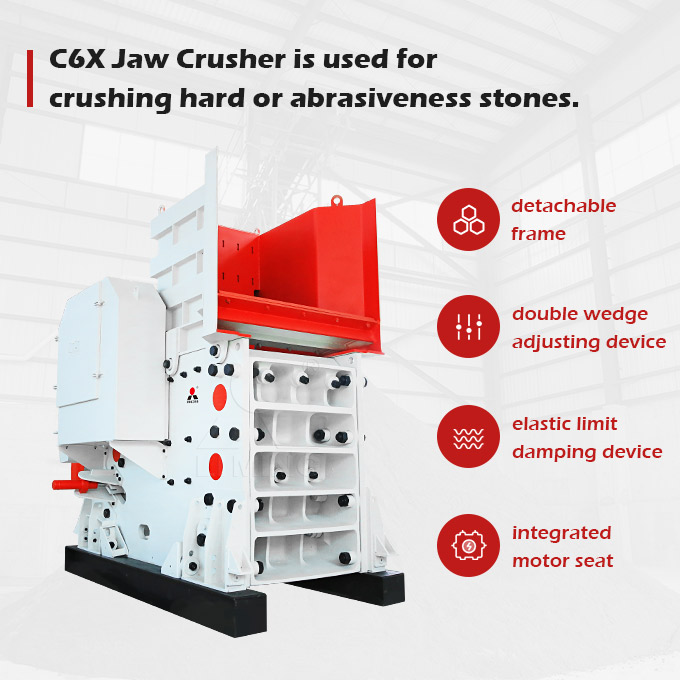
- Primary processing starts with jaw crushers, which reduce run-of-mine stone to manageable sizes (typically 100–200 mm). This is followed by secondary crushing using cone or impact crushers to achieve intermediate sizing (20–50 mm).
- Tertiary crushing and closed-circuit configurations are increasingly adopted by larger operations to produce consistent, high-specification aggregates for premium construction applications.
- Screening is integral to the process train, with multi-deck vibrating screens segregating material into defined size fractions (e.g., 5–10 mm, 10–20 mm). Wash plants are deployed where clay or silt content is significant, particularly in alluvial feed sources near riverbeds.
- Water management is rigorously addressed through sedimentation ponds and recycling systems to minimize freshwater intake and comply with environmental regulations.
- Product quality assurance relies on routine sampling and testing for gradation, abrasion resistance (Los Angeles value), and particle shape (flakiness index) in accordance with Zambian Bureau of Standards (ZABS) and ASTM specifications.
- Dust suppression systems—comprising water sprays and mist cannons—are deployed at transfer points and crushers to meet occupational health standards.
- Emerging operations are integrating mobile and modular processing units to enhance flexibility, particularly for infrastructure projects in remote regions.
- Waste minimization strategies, including stockpile reprocessing and by-product utilization (e.g., quarry fines in road sub-base), are improving resource efficiency.
The integration of mechanized extraction with staged processing enables Zambian aggregate producers to meet the rising demand for consistent, high-quality materials in road construction, housing, and large-scale infrastructure under national development programs.
Challenges Facing the Aggregate Stone Industry in Zambia
-
Inadequate access to modern quarrying and processing equipment remains a primary constraint, limiting production efficiency and product consistency. Most aggregate producers rely on outdated machinery, leading to high operational costs and low output volumes.
-
Regulatory fragmentation and inconsistent enforcement of mining and environmental standards create uncertainty for investors. Overlapping mandates among government agencies—such as the Ministry of Mines, local councils, and environmental authorities—result in prolonged permitting timelines and compliance ambiguity.
-
Poor road infrastructure, particularly in rural quarrying zones, increases transportation costs and restricts market reach. Many viable aggregate deposits remain underutilized due to logistical challenges in moving material to urban construction hubs like Lusaka, Ndola, and Livingstone.
-
Limited access to affordable financing prevents small and medium-scale operators from scaling operations or adopting mechanization. Commercial banks often perceive quarrying ventures as high-risk due to perceived environmental liabilities and irregular land tenure, leading to high interest rates or outright credit denial.
-
Unregulated artisanal and small-scale quarrying contribute to market distortion, undercutting formal producers through lower prices achieved via non-compliance with safety, tax, and environmental regulations. This informal dominance erodes industry standards and discourages formal investment.
-
Skilled labor shortages, particularly in geology, blasting, and plant operations, hinder operational excellence. Technical training institutions lack specialized curricula in quarry management, resulting in a reliance on on-the-job training with variable outcomes.
-
Unstable energy supply and high electricity tariffs further constrain operations. Many quarries depend on diesel-powered generators due to unreliable grid access, significantly increasing production costs and carbon emissions.
-
Environmental degradation from poorly managed extraction activities has led to increased community opposition and regulatory scrutiny. Deforestation, dust pollution, and water table disruption are recurrent concerns, especially near urban centers.
-
Demand forecasting remains underdeveloped, leading to mismatched supply and periodic oversupply or shortages. The absence of a centralized industry data repository limits strategic planning and investment decisions.
Addressing these challenges requires coordinated policy reform, targeted infrastructure investment, capacity building, and stronger public-private collaboration to position the aggregate stone sector as a reliable enabler of national infrastructure development.
Future Prospects and Investment Opportunities in Zambia’s Aggregates Sector
-
Expansion of Zambia’s aggregates sector is intrinsically linked to national infrastructure development, urbanization trends, and regional trade integration. Major government initiatives such as road network upgrades, housing projects under the National Housing Authority, and energy infrastructure investments are driving sustained demand for construction materials, particularly aggregates.
-
The country’s strategic location within the Southern African Development Community (SADC) positions it as a potential regional supply hub. Cross-border infrastructure projects, including the Lusaka-Ndola Dual Carriageway and connections to the Lobito Corridor, are expected to accelerate material throughput and stimulate quarrying activity near transport corridors.
-
Rural electrification and improved access to water infrastructure present parallel demand vectors. These developments not only require aggregates for construction but also improve operational feasibility for quarry sites by enhancing energy and logistical access.
-
Investment opportunities exist across the value chain: greenfield quarry development in underserved provinces such as Muchinga and Luapula, mechanization of extraction and processing equipment, and establishment of secondary crushing and screening plants near urban consumption centers like Lusaka, Kitwe, and Livingstone.
-
Regulatory streamlining and clearer environmental compliance pathways present a critical enabler. Investors that align operations with Zambia’s Green Economy Strategy—through dust suppression, land rehabilitation, and energy-efficient processing—will gain competitive advantage and regulatory goodwill.
-
Private-public partnerships (PPPs) offer a viable route for scaling production capacity. Collaborations with local authorities on road maintenance or public housing can secure off-take agreements while de-risking market entry.
-
Financing mechanisms, particularly through developmental institutions such as the Development Bank of Southern Africa (DBSA) or AfDB, are increasingly accessible for projects demonstrating socio-economic impact and environmental stewardship.
-
Technology adoption—such as drone-based surveying, GIS mapping of deposits, and automated processing systems—can significantly improve yield and reduce operational costs, offering early movers a margin advantage.
-
Long-term prospects remain strong, supported by population growth, urban migration, and Zambia’s commitment to achieving middle-income status by 2030. Strategic investment in sustainable, scalable aggregate production will be pivotal in closing infrastructure gaps and ensuring construction sector resilience.
Frequently Asked Questions
What is the current state of aggregate stone production in Zambia?
Zambia’s aggregate stone production is largely driven by small to medium enterprises supplying construction-grade materials for infrastructure, residential, and commercial development. Production is concentrated near urban centers such as Lusaka, Ndola, and Kitwe, where demand from road projects and urbanization is high. While mechanization is increasing, many operations still use semi-mechanized or manual methods, leading to variability in quality and output. The sector remains underdeveloped relative to demand, presenting opportunities for investment in modern crushing and screening plants.
What types of rock are commonly used for aggregate production in Zambia?
Common rock types used for aggregate production in Zambia include basalt, granite, gneiss, and quartzite—rocks known for high compressive strength and durability. These are sourced primarily from quarries in the Copperbelt and Lusaka provinces. Basalt is preferred for high-traction road surfaces due to its angularity and abrasion resistance, while granite and gneiss are commonly used in concrete production. Petrographic analysis and Los Angeles abrasion testing are recommended to ensure suitability for engineering applications.
How does Zambia regulate aggregate stone quarrying and environmental compliance?
The Zambia Environmental Management Agency (ZEMA) regulates quarrying activities under the Environmental Management Act No. 12 of 2011. Operators require environmental impact assessments (EIAs) for medium- to large-scale operations, with strict conditions for dust suppression, slope stability, and post-closure rehabilitation. The Mines and Minerals Development Act also governs mineral extraction, requiring permits from the Ministry of Mines. Compliance with dust control, water management, and land reclamation is enforced through inspections and permit renewals.
What machinery is essential for a modern aggregate stone plant in Zambia?
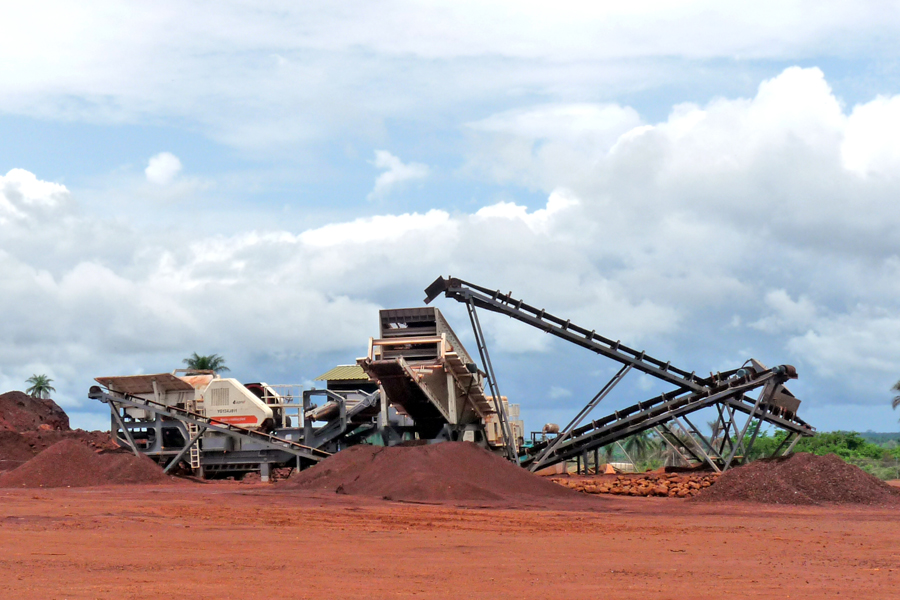
A modern aggregate production plant in Zambia should include primary jaw crushers, secondary cone or impact crushers, vibrating feeders, screening plants, conveyor systems, and washing units. Mobile and semi-mobile plants, such as those from Powerscreen or McLanahan, offer flexibility in remote areas. Investment in closed-circuit systems with multiple screening stages ensures precise gradation (e.g., 6mm, 10mm, 20mm) for construction standards. High-efficiency diesel-electric hybrid systems are increasingly preferred for fuel economy and reduced emissions.
How can aggregate producers meet Zambian construction standards?
Producers must align with the Zambia Bureau of Standards (ZABS) specifications, particularly under ZS 1175:2018 for aggregates in concrete and roadworks. Key criteria include aggregate crushing value (ACV < 30%), flakiness index (<25%), water absorption (<2%), and gradation compliance. Regular third-party lab testing at institutions like the Road Development Agency (RDA) laboratories is essential. Implementing a Quality Management System (QMS) boosts credibility with contractors and government agencies.
What are the biggest challenges facing aggregate producers in Zambia?
Challenges include inconsistent power supply, high diesel costs for mobile machinery, limited access to financing for scale-up, and competition from informal quarry operators who bypass environmental regulations. Additionally, transport logistics—especially over poor rural roads—inflate delivery costs. Land access disputes and delays in permit approvals from local councils and ZEMA also hinder expansion. Proactive stakeholder engagement and off-grid power solutions (e.g., solar hybrid systems) are strategic mitigations.
Is there a growing demand for crushed stone aggregates in Zambia’s infrastructure projects?
Yes, demand is rising due to government-led infrastructure programs such as the Road Sector Program, Lusaka Decongestion Initiative, and housing developments under the National Housing Authority. With urbanization at approximately 4% annually, there is sustained pressure for quality aggregates in concrete, asphalt, and base course applications. Public-private partnerships (PPPs) and foreign direct investment in construction are further driving demand, particularly for consistent, high-specification materials.
What role do small-scale and artisanal quarry operators play in Zambia’s aggregate supply chain?
Small-scale and artisanal quarry operators supply up to 60% of local aggregate markets, especially in peri-urban areas. While they enhance accessibility and create jobs, their output often lacks standardization and environmental oversight. Many use hand-breaking and rudimentary crushing, resulting in substandard gradation and contamination. Formalization initiatives by the Ministry of Mines aim to integrate these operators through cooperatives, training, and access to shared processing equipment.
How does aggregate quality impact road construction durability in Zambia?
Poor aggregate quality—such as high clay content, weak stone, or improper grading—leads to premature road failures like rutting, potholes, and reduced skid resistance. Using aggregates with high aggregate impact value (AIV >25%) or poor adhesion to bitumen compromises asphalt performance. Ensuring consistent quality through proper source selection, washing, grading, and adherence to RDA specifications significantly extends pavement life and reduces lifecycle costs in Zambia’s tropical climate with heavy seasonal rainfall.
What opportunities exist for foreign investment in Zambia’s aggregate sector?
Opportunities include building modern crushing plants near underserved regions, establishing integrated quarry-to-concrete operations, and offering equipment leasing or service partnerships. The government prioritizes local content, so joint ventures with Zambian firms improve approval prospects. Tax incentives under the Development Cooperation Framework and access to regional markets via COMESA/ SADC present long-term growth potential. Focus on ESG-compliant operations enhances investor appeal.
Can recycled construction aggregates compete with natural stone in Zambia?
Currently, recycled aggregates from construction and demolition waste remain underutilized due to limited sorting infrastructure and lack of regulatory incentives. However, pilot projects in Lusaka show potential for using processed concrete rubble in sub-base applications, reducing quarry pressure and landfill use. For structural use, strict contamination controls and performance testing are needed. With proper investment in recycling technology and policy support, recycled aggregates could complement natural stone production sustainably.
How are transportation logistics optimized in Zambia’s aggregate distribution network?
Producers optimize logistics by locating crushers near major demand centers or transport corridors to minimize haulage costs. Using dump trucks with GPS tracking improves fleet efficiency. For large contracts, establishing satellite stockpiles along road projects reduces turnaround time. Some companies are exploring rail transport via Zambia Railways for long-haul movements, especially from remote quarries in the Copperbelt to southern provinces. Route planning software helps avoid weighbridge bottlenecks and fuel waste.