Table of Contents
- Maximize On-Site Efficiency: How Our African Mobile Crusher Reduces Operational Downtime
- Engineered for Harsh African Conditions: Durability and Reliability in Demanding Environments
- Versatile Crushing Solutions: Adaptable Configurations for Diverse Material Processing
- Cost-Effective Mobility: Lower Transportation and Setup Costs Compared to Stationary Plants
- Advanced Technical Specifications: High-Capacity Performance with Fuel-Efficient Operation
- Proven Track Record: Trusted by Mining and Construction Projects Across Africa
- Frequently Asked Questions
- How often should wear parts be replaced in African mobile crushers?
- How do I adapt a mobile crusher for varying ore hardness (Mohs 3-7)?
- What is the best vibration control for rough African quarry sites?
- What are critical lubrication specs for bearings in high-dust environments?
- How do I optimize fuel efficiency without sacrificing throughput?
- What’s the protocol for dealing with frequent tramp metal incidents?
Across the vast and diverse landscapes of Africa, a quiet revolution is reshaping the continent’s infrastructure and mining sectors. The African mobile crusher has emerged as a pivotal force, transforming how raw materials are processed directly at the source. These agile, self-propelled units move effortlessly between remote quarry sites and urban construction projects, crushing rock, ore, and demolition debris with remarkable efficiency. By eliminating the need for fixed plants and lengthy material transport, they slash operational costs, reduce environmental footprints, and unlock new economic potential. This innovative machinery is more than just equipment; it is a catalyst for development, empowering local industries to build the roads, cities, and foundations for a prosperous future with unprecedented speed and flexibility.
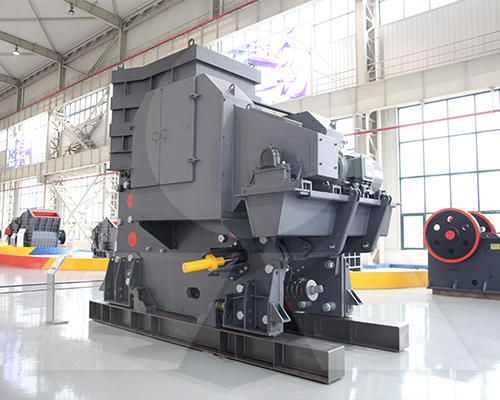
Maximize On-Site Efficiency: How Our African Mobile Crusher Reduces Operational Downtime
Operational downtime is the primary adversary of profitability in African mining and quarrying. Our mobile crusher is engineered not as generic machinery, but as a site-specific system designed to conquer the unique challenges of the continent’s diverse geology and logistical constraints. The core philosophy is resilience through superior material science and intelligent system design, directly translating to maximized uptime.
Engineering for Uninterrupted Crushing Cycles
The reduction of downtime is achieved through a multi-faceted engineering approach, focusing on wear resistance, mechanical reliability, and rapid operational reconfiguration.
- Wear Component Superiority: Critical wear parts—jaws, mantles, concaves, and blow bars—are cast from proprietary high-grade manganese steel (Hadfield steel, 18-22% Mn) and alloy composites. These are not standard off-the-shelf components. Their metallurgy is optimized for specific ore characteristics, whether it’s the high silica content of hard rock gold ore, the abrasiveness of granite, or the stickiness of laterite. This results in a 40-60% longer service life under equivalent conditions, drastically reducing the frequency of component change-outs.
- Hydraulic System Integrity: The crusher’s hydraulic system for setting adjustment, clearing, and folding is built to ISO 4413 standards, utilizing high-tolerance pumps, valves, and filtration. This ensures precise control under extreme dust and temperature fluctuations, preventing the failures common with lesser systems. Automatic overload protection safeguards the core mechanism from tramp metal or uncrushable material without manual intervention.
- Rapid Mobility & Setup: The integrated chassis and hydraulic folding conveyors enable the plant to be relocated and fully operational within 30-60 minutes. This eliminates the multi-day delays associated with fixed plant relocation or feeding distant static crushers with haul trucks, a significant source of operational delay.
- Intelligent Feed Control: An optional integrated pre-screen or feed monitoring system directs fines away from the crushing chamber and regulates feed via feeder speed. This prevents chamber packing and reduces unnecessary wear on the crushing elements, maintaining optimal Tons Per Hour (TPH) throughput.
Technical Specifications: Built for African Throughput Demands
The following table outlines key model parameters, demonstrating the capacity to handle the scale and hardness of African materials while maintaining compact mobility.
| Model Series | Primary Crusher Type | Approx. Max Feed Size | Capacity Range (TPH)* | Hard Rock Adaptability (UCS)** | Key Mobility Feature |
|---|---|---|---|---|---|
| AF-J | Jaw Crusher | 650 mm | 150 – 400 | Up to 350 MPa (e.g., Granite, Basalt) | Radio remote control for tracked movement |
| AF-I | Impact Crusher | 500 mm | 200 – 500 | Up to 250 MPa (e.g., Limestone, Dolomite) | Hydraulic folding for width compliance |
| AF-C | Cone Crusher | 185 mm | 180 – 380 | Up to 400 MPa (e.g., Taconite, Copper Ore) | Integrated recirculating conveyor |
Capacity varies based on material density, hardness, and feed gradation.
*UCS: Unconfined Compressive Strength.
Compliance & Assurance
Every unit is CE marked and manufactured under a certified ISO 9001:2015 quality management system. Structural design follows rigorous FEM (Federation Européenne de la Manutention) analysis to withstand the dynamic stresses of mobile crushing over rugged terrain. This is not merely a promise of reliability; it is a verifiable engineering standard embedded in the machine’s construction. The result is a mobile asset that transforms operational schedules from a cycle of maintenance interruptions to a predictable stream of production.
Engineered for Harsh African Conditions: Durability and Reliability in Demanding Environments
Mobile crushing operations in Africa face a unique convergence of extreme environmental and operational challenges. Equipment is not simply used; it is tested by abrasive silica dust, corrosive humidity, temperature extremes, and the unrelenting hardness of ores like granite, iron ore, and copper-bearing rock. Success depends on a fundamental engineering philosophy: designing from the component level upward for resilience. This is achieved through advanced material science, adherence to rigorous international standards, and configurations specifically validated for mining-scale duty cycles.
Core Engineering for Material Integrity
The primary wear zones are fortified with materials whose properties are specified for impact and abrasion resistance, not merely generic steel.
- Jaw Crushers & Cone Liners: Utilize high-grade manganese steel (Mn14, Mn18, Mn22) with optimized heat treatment. This creates a work-hardening surface that becomes tougher under continuous impact, dramatically extending service life in high-abrasion applications.
- Impact Crusher Blow Bars & Rotors: Employ composite alloys, often chromium carbide (CrC) overlays on a high-tensile steel base, or martensitic steel castings. These materials provide the necessary combination of fracture toughness and wear resistance for processing highly abrasive feed material.
- Chassis & Structural Fabrication: Main frames are constructed from high-yield strength, low-alloy steel (e.g., Q345B) with critical stress points reinforced. Welding procedures follow ISO 3834 or equivalent standards, with post-weld stress relief to prevent fatigue cracking under dynamic loading.
Environmental Hardening and System Sealing
Durability extends beyond wear parts to systemic protection against the African environment.
- Dust Ingress Mitigation: Critical components (bearings, hydraulics, electrical cabinets) are rated to IP65/66 standards. Labyrinth seals, positive-pressure purge systems, and multi-stage air filtration are standard on engine compartments and crusher bearings.
- Thermal Management: Oversized, modular radiator cores with reversible fans and automatic shuttles prevent clogging in dusty conditions. Hydraulic and lube oil circuits are equipped with high-efficiency coolers sized for ambient temperatures exceeding 45°C.
- Corrosion Protection: A multi-stage process including shot blasting, zinc-rich epoxy primers, and polyurethane topcoats is applied. Critical undercarriage components receive additional anti-corrosion wax or aluminum coatings.
Mining-Specific Configurations for Reliability
Reliability is engineered through design choices that prioritize uptime and adaptability to demanding mine-site logistics.
| Feature | Specification & Rationale |
|---|---|
| Power Unit | Tier 3/Stage IIIA or higher diesel engines, derated for high-altitude and high-temperature operation. Redundant alternators and isolated, vibration-damped mounting. |
| Hydraulic System | Proportional valve control for smooth operation. Independent circuit for crusher functions with fail-safe accumulators. Filtration down to 3-micron levels with condition monitoring ports. |
| Mobility & Stability | Heavy-duty, multi-axle chassis with box-section construction. Hydraulic outriggers or crawler tracks with high ground clearance for uneven terrain. |
| Throughput (TPH) Range | Configurations from 150 to over 800 TPH, with crusher chambers and eccentric throws selected for the target ore’s compressive strength (e.g., 200-350 MPa for granite). |
Functional Advantages for Operational Continuity
- Modular Component Access: Hydraulic adjustment systems for crusher settings and quick-change wear part designs minimize downtime for maintenance and liner changes.
- Adaptive Crushing Intelligence: PLC-controlled systems with load and pressure sensors automatically regulate feed rate and crusher parameters to optimize throughput and protect against tramp metal or uncrushables.
- Serviceability: Centralized lubrication points, strategically placed service platforms, and component layouts designed for safe, tool-based access reduce mean time to repair (MTTR).
The culmination of these engineering principles is a mobile asset capable of maintaining specified throughput and product gradation in conditions that would compromise conventional machinery. It transforms inherent environmental and material challenges from operational liabilities into managed variables, ensuring predictable performance and total cost of ownership over the lifecycle of the mining or contracting project.
Versatile Crushing Solutions: Adaptable Configurations for Diverse Material Processing
The core challenge in African material processing is variability: from abrasive iron ore and hard granite to softer limestone and demolition concrete. True versatility is not a single machine, but a system engineered for rapid reconfiguration and robust performance under punishing conditions. This requires a focus on metallurgy, modular design, and capacity-matched power trains.
Engineering for Material Hardness and Abrasiveness
Jaw and cone crusher liners must be specified based on the target material’s compressive strength and silica content. For hard, abrasive ores (e.g., taconite, quartzite), a minimum of 18% Manganese steel (Mn18) with a hardened, martensitic matrix is standard. For extreme abrasion, alloy grades like Mn22 or chromium carbide overlay (CCO) liners are deployed, significantly extending service intervals in high-wear zones. Impact crushers for softer, non-abrasive materials utilize high-chromium cast iron (HCCI) blow bars, offering the optimal balance of fracture toughness and wear resistance.
Modular Configuration for Site & Feed Adaptability
The primary advantage of a mobile platform is the ability to reconfigure the crushing circuit. Key modular interfaces include:
- Feed System: Swappable pre-screens (grizzly or vibrating) to bypass fines and reduce crusher wear, or heavy-duty apron feeders for direct dump-from-truck operations.
- Crusher Core: Interchangeable jaw, cone, or impact chamber modules on a common tracked chassis, allowing a single fleet unit to shift from primary crushing to tertiary shaping.
- Discharge Circuit: Radial conveyors for simple stockpiling, or integrated post-screens to create closed-circuit systems for precise product sizing on a single pass.
Capacity & Power Matching for Real-World TPH
Throughput (TPH) is not a static brochure figure. It is a function of feed size, material density, desired reduction ratio, and moisture content. A properly specified plant matches engine horsepower, crusher cavity geometry, and conveyor belt width to maintain target capacity across the expected material range. For example, a 300 TPH granite operation requires a significantly different torque profile and liner design than a 300 TPH coal operation.
Technical Specifications for Common African Configurations
| Configuration | Target Material (Abrasive Index) | Primary Crusher Type | Recommended Liner Alloy | Typical Closed-Circuit TPH Range | Key Adaptation |
|---|---|---|---|---|---|
| Hard Rock Primary | Granite, Basalt, Iron Ore (High) | Heavy-Duty Jaw | Mn18-22 / CCO | 200 – 600 | Hydraulic setting adjustment for wear compensation & tramp iron release. |
| Aggregate & Limestone | Limestone, Dolomite (Medium-Low) | Impact Crusher | HCCI / Martensitic Steel | 250 – 450 | Hydraulic apron adjustment for precise feed control & rotor speed variability. |
| All-in-One Recycling | Demolition Concrete, Asphalt (Variable) | Jaw/Impact Hybrid | Composite: Mn Steel Jaws, HCCI Blow Bars | 150 – 300 | Magnetic separator, dust suppression kit, and reinforced belt construction. |
Standards & Durability for Remote Operations
Equipment destined for African mining and quarrying must be built to international structural and safety standards (ISO, CE marking). Beyond certification, durability is engineered through:
- Unibody Frames: Welded, high-yield strength steel frames to resist fatigue from continuous operation on uneven terrain.
- Unified PLC Control Systems: Centralized, weather-sealed panels with diagnostic readouts for simplified troubleshooting.
- Service-Access Design: Wide walkways, centralized grease banks, and hydraulically opening covers to minimize maintenance downtime in field conditions.
The optimal mobile solution is a parametrically designed system where crushing kinematics, material flow, and structural integrity are calculated as a single unit. This integrated engineering approach ensures adaptable, high-uptime processing for the continent’s most demanding and diverse material profiles.
Cost-Effective Mobility: Lower Transportation and Setup Costs Compared to Stationary Plants
Mobile crushing units fundamentally alter the capital expenditure (CAPEX) and operational expenditure (OPEX) structure for mining and aggregate operations across Africa. The primary economic advantage is the drastic reduction in logistical and foundational costs associated with plant deployment and relocation, a critical factor given Africa’s vast distances, variable infrastructure, and remote project sites.
Core Technical Advantages in Mobility & Setup:
- Elimination of Permanent Foundations: Stationary plants require extensive, reinforced concrete foundations designed to withstand dynamic crusher loads and vibration, involving significant material, labor, and time. Mobile plants are mounted on integral, heavy-duty steel chassis frames (often fabricated from high-grade S355JR/St52-3 steel) with hydraulic or mechanical stabilizing legs. This allows for setup on compacted ground in hours, not weeks, bypassing complex civil works.
- Integrated Logistics & Reduced Component Transport: A stationary plant necessitates the separate transport of primary crushers, secondary/tertiary crushers, screens, conveyors, and support structures, requiring multiple heavy-load trailers and complex on-site reassembly. A tracked or wheeled mobile plant is a self-contained processing circuit. Key wear components like crusher jaws, concaves, and blow bars—manufactured from premium abrasion-resistant materials (e.g., 18% Mn-steel, T500/T750 Quenched & Tempered alloy steel, or high-chrome white iron)—are transported within the unit, minimizing risk of loss or damage in transit.
- In-Pit Mobility & Direct Feed: The ability to relocate the crusher via remote control or standard machinery within the mining pit eliminates dump truck haulage from the face to a fixed peripheral plant. This directly translates to a 20-40% reduction in fleet fuel consumption, tire wear, and operator costs, which are substantial OPEX factors. The plant’s mobility allows it to follow the resource seam, maintaining optimal haul distances.
- Rapid Commissioning & Demobilization: Compliance with international standards (ISO 21873 for mobile machines, CE marking for EU-compliant safety) ensures that these units are designed for repeated setup and teardown. Hydraulic systems for crusher setting adjustment, screen angle changes, and conveyor folding enable a crew to make the plant operational or ready for transport in a single shift, maximizing asset utilization across multiple sites or contract phases.
Technical Parameters Impacting Cost-Efficiency:
The economic benefit is intrinsically linked to the plant’s technical specification. A unit must be correctly sized for the material and output to avoid false economy.
| Parameter | Impact on Cost-Effectiveness | Technical Consideration |
|---|---|---|
| Feed Size & Material Hardness | Under-specifying leads to premature wear, downtime, and low yield. Over-specifying increases initial CAPEX and fuel consumption. | Crusher type (jaw, impact, cone) and liner alloy grade must be matched to the Abrasion Index (Ai) and Compressive Strength (e.g., granite: >150 MPa, basalt: 100-300 MPa) of the African ore or aggregate. |
| Target Capacity (TPH) | Defines the scale of operation and return on investment. | Throughput is a function of crusher cavity design, motor power (kW), and material density. A 300 TPH mobile plant can often service a project that would require a 500 TPH stationary plant due to reduced cycle times from in-pit positioning. |
| Plant Configuration | Single-unit vs. multi-stage mobile circuits affect setup speed and flexibility. | A “all-in-one” jaw-and-screen unit offers maximum simplicity for base layers. For precise, high-volume aggregate, a linked train of mobile cone crusher and triple-deck screen, while requiring more setup, still outperforms a stationary plant’s logistics. |
| Drive System | Directly influences fuel/diesel consumption, a major OPEX line item. | Diesel-electric drives or hybrid systems offer superior fuel efficiency under variable load compared to pure direct diesel hydraulic drives, especially in high-altitude or high-temperature African operating environments. |
Ultimately, the cost-effective mobility of these plants is not merely about having tracks or wheels. It is an engineered system of high-strength chassis design, quick-disconnect hydraulics, wear-optimized crushing chambers, and integrated material handling—all built to recognized mechanical standards. This allows African operators to deploy robust processing capacity precisely where it is needed, converting savings from avoided transport and civil works directly into improved project margins and faster payback periods.
Advanced Technical Specifications: High-Capacity Performance with Fuel-Efficient Operation
Core Chassis & Powertrain Integration
The foundation of high-capacity, fuel-efficient performance is a unified heavy-duty chassis and intelligent powertrain. Units are built on rigid, multi-layer box-frame chassis constructed from high-yield-strength steel (S690QL/QL1 grade), engineered to absorb dynamic crushing forces without parasitic flex. This integrates with a Tier 3/Stage IIIA compliant diesel-electric or direct diesel hydraulic system. The advanced engine management system (EMS) modulates power output in real-time based on feed load and material hardness, reducing fuel consumption by up to 25% compared to fixed-speed systems. Hydraulic systems utilize variable displacement piston pumps and load-sensing circuitry, minimizing energy waste during idle or low-demand cycles.
Crushing Chamber & Wear Part Metallurgy
Crushing performance and uptime are dictated by chamber geometry and material science. Jaws, concaves, and mantles are cast from modified manganese steel alloys (e.g., 18% Mn, 2% Cr) with precise heat treatment to achieve an optimal balance of surface hardness (500-550 HB) for wear resistance and core toughness (impact energy >120 J) to prevent catastrophic cracking. For highly abrasive African ores (e.g., quartz-rich granite, iron ore), optional tungsten carbide (WC) tip inserts or martensitic steel (500 HB/55 HRC) blow bars are specified. Chamber designs are optimized for high reduction ratios and inter-particle crushing, promoting a cubicle product shape and increasing throughput per unit of energy.
Key Functional Advantages
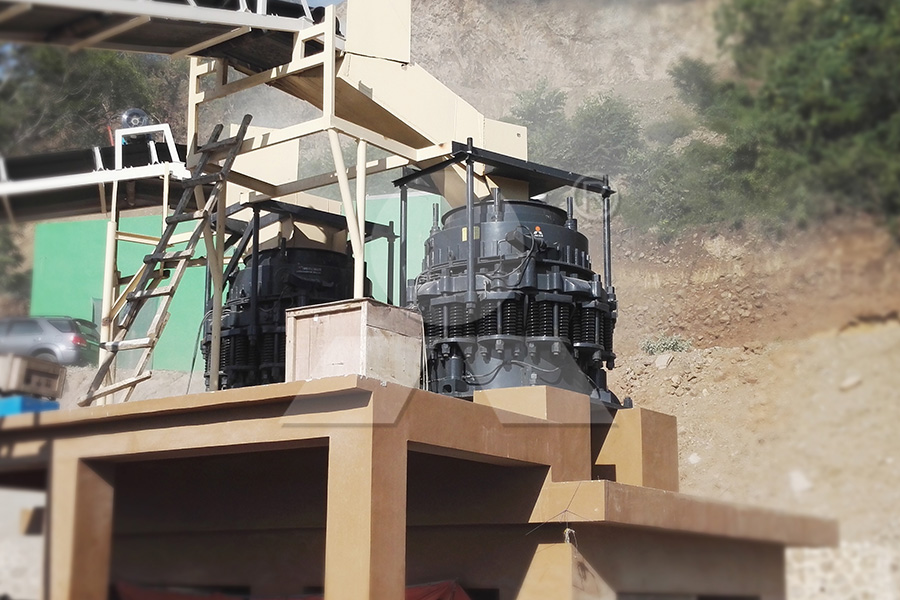
- Adaptive Crushing Intelligence: On-board programmable logic controllers (PLCs) automatically adjust crusher speed, closed-side setting (CSS), and feeder rate to maintain optimal cavity level and power draw, maximizing tons per hour (TPH) while protecting against tramp metal and uncrushables.
- Direct Drive & Hybrid Options: Direct diesel-mechanical drives offer maximum power transfer for hard rock. Diesel-electric hybrids provide superior fuel economy for grid-proximal operations, with the electric motor enabling peak torque at low RPM.
- Advanced Dust Suppression: High-pressure, low-volume misting systems with solenoid valves integrated into feed and transfer points suppress airborne particulate to meet ISO 23875 (enclosed cab air quality) and local environmental standards without saturating material.
- Rapid Relocation & Setup: Hydraulic folding conveyors, integrated lifting jacks, and self-locking kingpin systems enable site repositioning and operational setup in under 30 minutes by a minimal crew, reducing non-productive time.
Performance Parameters for African Hard Rock Applications
The following table outlines baseline specifications for a high-capacity tracked mobile jaw crusher configured for granite and basalt (Abrasive Index 0.25-0.35, UCS 150-250 MPa).
| Parameter | Specification | Notes |
|---|---|---|
| Model Designation | AMC-160J | African Mobile Crusher – 160 Tonne Jaw |
| Feed Opening | 1,200 x 800 mm | Optimized for large boulder primary breaking. |
| Engine Power | 350 kW (Diesel) / 250 kW (Electric Option) | EU Stage V / Tier 4 Final compliant. |
| Max. Feed Size | 750 mm | |
| Closed Side Setting (CSS) Range | 75 – 200 mm | Hydraulically adjustable for product gradation change. |
| Capacity (TPH) | 300 – 550 TPH | Varies with CSS, material density (1.6-2.8 t/m³), and feed gradation. |
| Drive System | Direct Diesel Hydraulic with Load Sensing | |
| Estimated Fuel Consumption | 28 – 35 L/hr (under typical load) | Benchmarked against constant RPM systems at 40-45 L/hr. |
| Main Conveyor | 1,200 mm wide, 3-ply EP500/3 | Hydraulically foldable for transport; wear-resistant lining. |
| Transport Dimensions | (L x W x H) 16.5 x 3.0 x 3.8 m | Meets regional road transport regulations. |
Compliance & Durability Assurance
All structural welds are performed to ISO 3834 and EN 1090 execution class 3 standards. Critical components are fatigue-tested via Finite Element Analysis (FEA) to a minimum safety factor of 4.0 on yield strength. The machine carries full CE marking and is certified for structural integrity (EN 10025), noise emission (ISO 4871), and electrical safety (IEC 60204-1). Corrosion protection exceeds 1,000 hours of salt spray testing (ASTM B117) on all external surfaces, essential for coastal and high-humidity operating environments.
Proven Track Record: Trusted by Mining and Construction Projects Across Africa
Our mobile crushing units are engineered for the specific material science challenges of African geology. The core crushing components—jaws, mantles, concaves, and blow bars—are cast from proprietary high-chrome martensitic alloys and manganese steel (Mn18Cr2, Mn22Cr2) to withstand the high abrasion and occasional impact of hard rock formations like granite, iron ore, and copper porphyry. Every plant is certified to international standards (ISO 9001, CE) and incorporates safety features compliant with global mining protocols.
Functional Advantages in African Operations:
- Rapid Deployment & Site Flexibility: Track-mounted or wheeled configurations enable setup on-site within hours, eliminating fixed foundation requirements. This is critical for moving between blast faces or remote exploration sites.
- Adaptive Crushing Chambers: Hydraulic adjustment systems allow real-time tuning of the closed-side setting (CSS) to optimize output gradation for downstream processes, whether producing railway ballast, concrete aggregate, or mill feed.
- Integrated Prescreening & Fines Removal: Heavy-duty grizzly feeders and optional pre-screening modules bypass fines and scalp out oversize material, increasing effective throughput (TPH) and reducing wear on the primary crusher.
- Dust Suppression & Noise Abatement: Factory-integrated water spray systems and acoustic enclosures maintain compliance with environmental and community health standards near operational sites.
- Hybrid Power Options: Configurable for direct diesel drive, full electric (for grid-connected mines), or hybrid systems, providing fuel efficiency and reducing operational costs in long-term projects.
The following table outlines typical performance parameters for our flagship models in African hard rock applications:
| Model Series | Primary Crusher Type | Max. Feed Size (mm) | Capacity Range (TPH)* | Recommended Material Hardness (Mohs) | Typical Application |
|---|---|---|---|---|---|
| JC-Mobile | Jaw Crusher | 900 – 1200 | 300 – 650 | 6 – 8 (Granite, Basalt) | Primary crushing in large-scale quarry & iron ore operations |
| HC-Mobile | Cone Crusher | 185 – 300 | 200 – 500 | 7 – 9 (Gabbro, Copper Ore) | Secondary/Tertiary crushing for precise aggregate & mineral sizing |
| IC-Mobile | Impact Crusher | 600 – 800 | 250 – 550 | 5 – 7 (Limestone, Dolomite) | Primary/Recycling for softer abrasive materials & construction debris |
*Capacity varies based on material density, feed gradation, and CSS setting.
Our solutions have been deployed and validated in continuous 24/7 operations across diverse projects, from granite quarries in West Africa providing rail ballast for infrastructure corridors, to platinum and copper mining operations in Southern Africa processing run-of-mine ore, and large-scale dam construction projects in East Africa producing specification aggregate. This proven reliability under sustained load is the definitive benchmark for equipment selection in the region.
Frequently Asked Questions
How often should wear parts be replaced in African mobile crushers?
Replace jaw plates and cone liners every 500-1,500 hours, depending on silica content. Use ZGMn13-4 high-manganese steel with water toughening for optimal work-hardening. Monitor wear patterns; asymmetric wear indicates incorrect feed. Always replace wear parts in full sets to maintain crushing geometry and efficiency.
How do I adapt a mobile crusher for varying ore hardness (Mohs 3-7)?
Adjust the closed-side setting (CSS) hydraulically: widen for softer ore (e.g., limestone, Mohs 3), tighten for hard granite (Mohs 6-7). For abrasive materials, switch to a higher chrome blow bar (27% Cr). Continuously monitor amperage draw; a sustained >10% overload requires immediate CSS adjustment or feed reduction.
What is the best vibration control for rough African quarry sites?
Ensure the crusher is on a leveled, compacted sub-base. Use shear-type rubber mounts or proprietary anti-vibration pads. For tracked units, regularly inspect and adjust track tension. Imbalance from uneven wear is a major cause; dynamically balance rotors during scheduled maintenance using ISO 1940-1 G6.3 standard.
What are critical lubrication specs for bearings in high-dust environments?
Use high-viscosity, extreme-pressure (EP) lithium complex grease with Moly (ISO VG 150). For SKF or FAG spherical roller bearings, purge grease every 8 hours of operation via centralized systems. Maintain bearing housing labyrinth seals and positive air pressure systems to exclude dust ingress, which is the primary failure mode.
How do I optimize fuel efficiency without sacrificing throughput?
Match engine RPM to the load via the crusher’s ECO mode. Avoid running empty. For diesel-hydraulic drives, maintain hydraulic oil temperature at 45-55°C and use high-efficiency axial piston pumps. A clogged air filter can increase fuel consumption by up to 10%; inspect and clean daily in dusty conditions.
What’s the protocol for dealing with frequent tramp metal incidents?
Install a permanent, self-cleaning overband magnet before the primary feed. For non-magnetic metal, use a metal detector with an automatic stop or ejection system. Immediately inspect the crushing chamber and main shaft for micro-cracks after any incident using dye penetrant testing to prevent catastrophic failure.