Table of Contents
- Achieve 99.99% Gold Purity: How Our Technology Ensures Unmatched Refinement Standards
- Optimize Operational Efficiency: Streamlined Processes for Faster Turnaround and Lower Costs
- Engineered for Durability: Robust Design That Withstands Harsh Refining Environments
- Scalable Solutions for Every Operation: From Small-Scale Artisanal to Large Industrial Refineries
- Comprehensive Technical Specifications: Detailed Breakdown of Our Refinery System Components
- Feedstock Reception & Primary Crushing Module
- Dynamic Grinding & Classification Circuit
- Advanced Leaching & Adsorption System (CIL/CIP)
- Elution, Electrowinning & Smelting Module
- Integrated Process Control & Instrumentation
- Trusted by Industry Leaders: Proven Results and Global Support for Reliable Performance
- Frequently Asked Questions
- How often should wear parts in gold refinery crushers be replaced?
- How do we adapt refinery machinery for varying ore hardness?
- What is the best practice for controlling vibration in ball mills?
- What are critical lubrication requirements for high-load refinery bearings?
- How to optimize gold recovery in the leaching circuit with variable ore grades?
- What maintenance prevents downtime in electrowinning cells?
In the high-stakes world of precious metals, the final journey from raw material to investment-grade bullion hinges on a refinery’s technological prowess. Today’s advanced gold refinery technology represents a paradigm shift, moving beyond traditional methods to a realm of precision engineering and sophisticated process control. By integrating innovations like automated chemical dosing systems, ultra-high-temperature induction furnaces, and real-time spectroscopic analysis, modern refineries achieve unprecedented levels of operational excellence. This technological evolution is not merely about incremental improvement; it is a strategic imperative to maximize both purity—pushing beyond 99.99%—and yield, ensuring every micron of value is captured from complex feed materials. The result is a new standard of efficiency, security, and reliability, transforming raw potential into tangible, flawless assets.
Achieve 99.99% Gold Purity: How Our Technology Ensures Unmatched Refinement Standards
Achieving 99.99% (four nines) purity is the definitive benchmark for investment-grade gold. Our refinery systems are engineered to meet and exceed this standard consistently, transforming doré bars and complex feed materials into LBMA-compliant product. This is not merely a chemical process but a precision-engineered material handling and separation system.
Core Technological Pillars:
- Advanced Pyrometallurgical Processing: Our high-temperature furnaces, lined with specialized refractory materials resistant to gold slag corrosion, ensure complete separation of precious metals from base metal impurities. Precise atmospheric control prevents volatilization losses.
- Electrolytic Refining (Wohlwill Process): For ultimate purity, we employ optimized electrolytic cells. By controlling current density, electrolyte temperature (maintained with ±2°C stability), and hydrochloric acid concentration, we systematically deposit 99.99%+ gold onto cathodes, leaving silver, platinum, and palladium in the anode slimes.
- Integrated Chemical Purification: A tailored sequence of aqua regia digestion, selective precipitation, and controlled reduction steps targets residual platinum group metals (PGMs) and trace elements like selenium or tellurium that survive pyro-processing.
Material Science & Engineering Integrity:
System durability is critical for purity consistency. Critical contact components in slurry handling and leaching pre-stages are fabricated from abrasion-resistant materials (e.g., high-chrome white iron or AR400 Mn-steel) to prevent ferrous contamination. For corrosive chemical environments, we specify high-grade alloys (e.g., Hastelloy C-276 for chloride media) to eliminate risk of metallic leaching.
Technical Standards & Certification:
Our refinery modules are designed and manufactured under a certified Quality Management System (ISO 9001). Electrical and safety systems comply with international standards (CE, IEC). Process control logic is validated to ensure repeatable operational parameters batch after batch.
Functional Advantages for Mining Operations:
- Adaptable Feedstock Processing: Engineered to handle variable doré compositions and high silver-gold ratios without compromising final gold purity or yield efficiency.
- Integrated Yield Optimization: In-line analytical instrumentation (XRF, ICP-OES) provides real-time assay data, enabling dynamic process adjustments to maximize recovery from complex ores.
- Robust System Design: Built for continuous operation with high availability. Modular design allows for scalability and easier maintenance, minimizing downtime.
- Comprehensive By-Product Recovery: The system is designed not just for gold but for the efficient capture and separation of silver and PGMs, turning refinery residues into additional revenue streams.
Key System Parameters:
| Parameter | Specification | Impact on Purity & Yield |
|---|---|---|
| Typical Feed Capacity | 1 – 10 TPH (doré/sludge) | Scalable throughput for mine-mouth or central refinery operations. |
| Final Gold Purity | ≥ 99.99% (standard), 99.999%+ (on request) | Meets LBMA Good Delivery standards for international trading. |
| Gold Recovery Rate | > 99.5% (overall process) | Directly impacts operational profitability and resource utilization. |
| Primary Refining Method | Pyrometallurgical + Electrolytic (Wohlwill) | Ensures thorough decontamination from base and precious metal impurities. |
| Process Control | Fully automated PLC/SCADA with recipe management | Eliminates human error, ensures consistent adherence to purity protocols. |
| Ore Hardness Adaptability | Pre-treatment modules for refractory ores (e.g., pressure oxidation, bio-leach feeds) | Ensures effective liberation of gold for downstream refining from complex feedstocks. |
The result is a closed-loop refining solution where precision engineering at every stage—from feed preparation to final casting—guarantees the integrity of your final product and the financial return on your mineral asset.
Optimize Operational Efficiency: Streamlined Processes for Faster Turnaround and Lower Costs
Operational efficiency in gold refining is not merely a logistical goal; it is a direct function of material science, precision engineering, and system integration. Streamlined processes are engineered to minimize thermodynamic losses, reduce mechanical downtime, and optimize reagent consumption, directly translating to faster processing cycles and a lower cost per ounce.
Core Engineering Principles for Streamlined Operations:
- Advanced Material Selection: Critical wear components, such as crusher liners, mill trommels, and slurry pump volutes, are fabricated from proprietary high-chrome white iron or abrasion-resistant (AR) manganese steel alloys. These materials are selected for their specific hardness (500-700 BHN), impact resistance, and microstructure, which provide an order-of-magnitude improvement in service life over standard grades, drastically reducing maintenance frequency and parts inventory costs.
- Modular, Scalable Plant Design: Refinery modules are pre-engineered to ISO 9001 standards, with interconnecting piping and electrical systems designed for rapid on-site assembly. This plug-and-play philosophy reduces commissioning time by up to 40% compared to traditional stick-built plants. Capacity is scalable in discrete throughput increments (e.g., 50 TPH, 100 TPH, 200 TPH modules).
- Intelligent Process Control & Automation: Integrated PLC/SCADA systems provide real-time monitoring and closed-loop control of critical parameters: cyanide concentration, pH, dissolved oxygen, and pulp density. Automated reagent dosing systems adjust flows based on live sensor feedback, ensuring optimal metallurgical performance while eliminating human error and reagent waste.
- Gravity Concentration Integration: Prior to leaching, high-capacity centrifugal concentrators (e.g., Knelson, Falcon) are employed for pre-concentration. This step can recover between 30-50% of free gold into a small, high-grade mass, significantly reducing the volume of material reporting to the leaching and carbon-in-pulp (CIP) circuits, thereby lowering cyanide consumption, shortening leach residence time, and reducing tailings volume.
- High-Efficiency Elution & Electrowinning: Pressurized Zadra or AARL elution columns, coupled with high-current-density electrowinning cells, ensure rapid and complete stripping of gold from loaded carbon. Optimized electrolyte chemistry and cell design achieve elution efficiencies >99% and electrowinning recovery >99.5% in shortened cycle times, accelerating the bullion production loop.
Technical Specifications for a Standardized 100 TPH Processing Module:
| System Component | Key Parameter | Specification / Performance Metric |
|---|---|---|
| Primary Crushing | Feed Size / Capacity | -300mm / 100-120 TPH |
| Crusher Liner Material | ASTM A128 Grade C / Mn-Steel (11-14% Mn) | |
| Milling & Classification | Ball Mill Power / Throughput | 900 kW / 100 TPH (P80: 75µm) |
| Cyclone Cluster | 4x D26 Krebs Cyclones, Polyurethane Liners | |
| Leaching & Adsorption | Leach Tank Configuration | 6x Agitated Tanks, Total Volume: 4500 m³ |
| Carbon Concentration | 15-25 g/L in CIP | |
| Elution & Electrowinning | Elution Column | Pressurized Zadra, 2.5m diameter |
| Elution Temperature / Pressure | 135°C / 350 kPa | |
| Electrowinning Recovery | >99.5% per pass | |
| Filtration & Tailings | Filter Press Type / Cycle Time | Membrane Plate Press / 90-120 minutes |
| Cake Moisture | <18% |
Mining-Specific Adaptability: The process flow is not static. Engineered adaptability is key for handling variable ore hardness (Bond Work Index from 12-18 kWh/t) and mineralogy. Adjustable crusher settings, variable-speed drive (VSD) on mill motors, and modular circuit design allow for rapid re-configuration to maintain target throughput and recovery when ore characteristics shift, ensuring consistent operational efficiency across the mine life.
Engineered for Durability: Robust Design That Withstands Harsh Refining Environments
The operational lifespan and total cost of ownership of a gold refinery are fundamentally determined by the durability of its core components. Refining environments present a uniquely aggressive combination of corrosive chemicals, abrasive particulate matter, cyclical thermal stress, and sustained mechanical loads. Our engineering philosophy prioritizes material integrity and structural resilience above all, ensuring continuous operation under the most punishing conditions with minimal maintenance downtime.
Material Selection: The Foundation of Longevity
Component failure is not an option. We specify materials based on a rigorous analysis of the specific chemical and physical attack vectors present in each stage of the refining circuit.
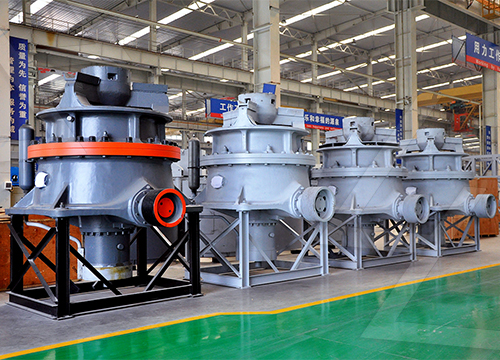
- Primary Crushing & Milling Chambers: Constructed from high-chromium white iron or manganese steel (Hadfield grade) liners. These alloys work-harden under impact, increasing surface hardness in direct response to the abrasion from high-silica ore, thereby exponentially extending service life compared to conventional steels.
- Leaching & Chemical Processing Vessels: For cyanidation and aqua regia circuits, we employ a duplex construction: a thick, structural carbon steel shell clad with a minimum of 3mm of solid 316L or, for highly oxidative environments, super-austenitic stainless steel (e.g., 904L). All welds are performed to ASME Section IX standards and pass full non-destructive testing (NDT).
- Piping & Valves for Slurry and Reagents: High-density polyethylene (HDPE) or natural rubber-lined steel piping is used for abrasive slurries. For reagent lines, we specify PTFE-lined or solid CPVC systems, resistant to a full pH spectrum and organic solvents.
- Structural Framework: The entire plant’s support structure is fabricated from hot-rolled, galvanized steel sections, designed to ISO 6336 standards with a minimum dynamic safety factor of 4 for all load-bearing members, accounting for seismic activity and vibrational loads from heavy machinery.
Engineering for Continuous Operation
Durability is engineered into the system’s architecture, not just its materials.
- Overbuilt Drive Systems: Crusher and ball mill drives utilize gearboxes with AGMA service factors exceeding 2.0, powered by premium efficiency (IE3/IE4) motors with IP66/67 protection against dust and water ingress.
- Abrasion-Resistant Hydraulics: All hydraulic systems for moving components (e.g., feeder gates, adjustment rams) are fitted with secondary return-line filtration and hard-chromed piston rods with wiper seals to prevent gland failure from slurry contamination.
- Modular, Replaceable Wear Parts: Critical wear areas are designed as modular, bolted-in sections. This allows for rapid replacement during planned maintenance shutdowns without requiring cutting or welding on the primary vessel structure.
Certified Robustness
Every system is validated against international benchmarks for mechanical integrity and safety.
- Pressure Vessels: Designed, fabricated, and stamped to ASME Boiler and Pressure Vessel Code, Section VIII, Div. 1.
- Structural Design: Calculated per ISO 3010 (Basis for design of structures—Seismic actions) and ISO 5049-1 (Mobile equipment for continuous handling).
- Electrical Systems: Control panels and motor starters are built to IEC 61439 standards and carry CE/ATEX certification for use in defined hazardous zones.
Technical Specifications: Built for Mining Duty
| Subsystem | Critical Component | Material / Standard | Key Performance Parameter |
|---|---|---|---|
| Primary Jaw Crusher | Frame & Jaw Plates | ASTM A128 Mn-Steel (12-14% Mn) | Capable of processing ore with unconfined compressive strength (UCS) up to 250 MPa. |
| Ball Mill | Shell Liners & Grinding Media | High-Cr Cast Iron (18-28% Cr) / Forged Hi-Cr Steel | Optimized for sustained operation at 75-80% critical speed with >400 TPH feed capacity. |
| Leach Tanks | Agitator Shaft & Impeller | 2205 Duplex Stainless Steel (UNS S32205) | Designed for continuous immersion in high-chloride, acidic slurry; fatigue strength >550 MPa. |
| Carbon-in-Pulp (CIP) Columns | Internal Screens & Airlifts | 316L SS with Polyurethane Coating | Screen aperture tolerance maintained within ±0.1mm to prevent carbon loss despite abrasion. |
| Solution Handling | High-Duty Slurry Pumps | Hard Metal (27% Cr White Iron) or Rubber-Lined Casing | Designed for >15,000 hours mean time between failures (MTBF) on silica sand slurries. |
This relentless focus on engineered durability translates directly to operational certainty. It minimizes unplanned stoppages, protects product purity by eliminating contamination from degrading components, and delivers a predictable, lower cost per ton over the life of the mine.
Scalable Solutions for Every Operation: From Small-Scale Artisanal to Large Industrial Refineries
Scalable gold refinery systems are engineered to process feed materials ranging from a few kilograms per batch to several thousand tonnes per hour (TPH), while maintaining precision control over purity and recovery rates. The core principle is modular design, where unit operations—crushing, grinding, leaching, adsorption, elution, and smelting—can be selectively integrated and sized to match specific throughput, feedstock variability, and purity targets.
Core Engineering and Material Adaptability
The scalability of a system is defined by its mechanical integrity, chemical resilience, and process control architecture. Key differentiators include:
- Material Science in Construction: Critical wear components, such as crusher liners, grinding mill trommels, and agitators, are fabricated from proprietary abrasion-resistant alloys. For high-impact areas in primary crushing circuits, manganese steel (Hadfield steel, 11-14% Mn) is specified for its work-hardening properties. In continuous leaching and adsorption circuits, tanks and piping utilize high-grade stainless steel (e.g., 316L or duplex grades) for corrosion resistance against cyanide, acids, and chlorides.
- Ore Hardness & Feedstock Flexibility: Process flowsheets are not one-size-fits-all. Jaw and cone crusher configurations, as well as High-Pressure Grinding Roll (HPGR) selection, are calibrated based on Bond Work Index (Wi) and Abrasion Index (Ai) testing. Systems for artisanal or electronic scrap feedstock prioritize fine milling and intensive leaching reactors, while hard-rock operations require robust multi-stage comminution circuits.
- Precision Recovery & Purity: Scalability does not compromise yield. Advanced instrumentation, including online pH/ORP/cyanide analyzers and mass flow meters, ensures optimal reagent dosing across all scales. For final refining, whether a compact Miller chlorination furnace or a large-scale Wohlwill electrolysis cell bank, temperature control to within ±5°C is standard to achieve 99.99% (4N) to 99.999% (5N) gold.
Technical Specifications by Operational Scale
| System Scale | Typical Feedstock | Throughput Range | Key Process Modules | Purity Output | Primary Standards |
|---|---|---|---|---|---|
| Modular / Artisanal | Alluvial concentrates, Jewelry scrap, Black sands | 1 – 50 kg/batch | Compact Jaw Crusher, Ball Mill, Intensive Leach Reactor (ILR), Carbon Column, Electrowinning Cell | 99.5%+ | CE Marked, ISO 9001, Containerized for mobility. |
| Mid-Tier / Pilot Plant | Hard rock ore, Milled concentrates, E-waste | 10 – 200 TPD | 3-Stage Crushing, Ball Mill Circuit, CIP/CIL Tanks, Zadra Strip Column, Induction Furnace | 99.9%+ | ISO 9001:2015, AS/NZS 1200 pressure vessel design. |
| Large Industrial | Bulk mined ore, High-grade refractory concentrates | 500 – 5,000+ TPD | Gyratory Crusher, SAG/Ball Mill Circuit, HPGR, Large-Volume CIL, Automated Elution & Smelt House, Wohlwill Cells | 99.99%+ | ISO 14001, IEC 61511 (Functional Safety), PED 2014/68/EU. |
Functional Advantages of a Scalable Architecture
- Capital Efficiency: Phased expansion is possible by adding parallel modules (e.g., additional CIL tanks or elution columns) without redesigning the entire flowsheet.
- Operational Consistency: Identical process control logic and instrumentation platforms across scales reduce operator training overhead and ensure standardized reporting and metallurgical accounting.
- Maintenance Optimization: Strategic use of common, interchangeable parts (pumps, valves, motors) across module types minimizes spare parts inventory and downtime.
- Adaptive Recovery: Circuitry can be configured for either Carbon-in-Pulp (CIP), Carbon-in-Leach (CIL), or resin-based systems depending on ore mineralogy and gold liberation characteristics, regardless of plant size.
Ultimately, a truly scalable solution is characterized by its foundation in rigorous metallurgical testing and its execution via engineered components built to international standards. This ensures that performance metrics—recovery rate, final purity, and operational cost per ounce—are preserved and predictable, whether the installation is a single-container unit or a full greenfield refinery.
Comprehensive Technical Specifications: Detailed Breakdown of Our Refinery System Components
Feedstock Reception & Primary Crushing Module
The system initiates with a heavy-duty, high-throughput reception hopper constructed from abrasion-resistant AR400 Mn-steel plate (minimum 12mm thickness). This feeds into a primary jaw crusher with a mechanically adjustable CSS (Closed Side Setting) from 150mm to 40mm, capable of processing ROM (Run-of-Mine) ore with a compressive strength of up to 250 MPa. The module is designed for direct tipper truck or conveyor feed.
- Functional Advantages:
- High Abrasion Resistance: AR400 liner plates extend service life in high-silica ore environments by over 300% compared to standard carbon steel.
- Adaptive Crushing: Hydraulic toggle adjustment allows rapid CSS changes to optimize feed size for downstream processes without downtime.
- Dust Suppression Integration: Pre-plumbed ports for dry fog or spray bar systems ensure compliance with ISO 23875 (air quality for operator enclosures).
Dynamic Grinding & Classification Circuit
This closed-circuit system features a SAG or Ball Mill (selected based on ore competency index) paired with a hydrocyclone cluster. Mill liners are high-chrome cast iron (Cr content 18-22%) for optimal wear performance. The circuit is controlled by a dedicated PLC managing pump speeds, mill load, and cyclone pressure to maintain target grind P80 (typically 75-150 microns).
| Component | Specification | Key Parameter / Standard |
|---|---|---|
| Primary Mill | Overflow Ball Mill / SAG Mill | Drive Power: 250-1500 kW (configurable); Shell Material: AS 3678-350 steel |
| Classification | Polyurethane Hydrocyclone Cluster | Capacity per unit: Up to 200 m³/hr; Cut-point adjustability: 45-300 microns |
| Slurry Management | Centrifugal Pump System | Liner Material: High-chrome alloy; Standard: ISO 5199 (chemical process pumps) |
- Functional Advantages:
- Precise Particle Size Control: Real-time density and pressure monitoring enables automatic adjustment to maintain optimal liberation size, maximizing gold exposure for leaching.
- Reduced Energy Intensity: The closed-circuit design with high-efficiency classification recirculates coarse material, reducing specific energy consumption (kWh/t) by 15-25%.
- Corrosion & Abrasion Protection: High-chrome alloys in wear parts resist the combined corrosive-abrasive action of cyanide or chloride leach slurries.
Advanced Leaching & Adsorption System (CIL/CIP)
Constructed from stainless steel 316L or, for high-chloride environments, duplex stainless steel 2205. The cascade of agitated tanks features dual-impeller mixers with independent VFD (Variable Frequency Drive) control. Each tank is equipped with in-line DO (Dissolved Oxygen) and cyanide/pH probes, feeding data to the central process control system.
- Functional Advantages:
- Maximized Kinetics & Recovery: High-efficiency dual impellers create a uniform suspension of carbon and slurry, eliminating dead zones and ensuring >99% adsorption efficiency.
- Material Integrity: 316L/2205 stainless steel construction prevents contaminant introduction and withstands aggressive chemical environments, ensuring final product purity.
- Process Stability: Continuous reagent and oxygen monitoring with automated dosing control maintains optimal metallurgical conditions, stabilizing recovery rates.
Elution, Electrowinning & Smelting Module
The pressurized Zadra or AARL elution column, rated for 150°C and 5 bar, strips gold from loaded carbon. The resulting pregnant solution passes through insulated electrowinning cells with stainless steel wool cathodes. The final smelting furnace is a tilting, induction-fired unit capable of reaching 1200°C, lined with high-alumina refractory.
| Process Stage | Core Specification | Performance Metric |
|---|---|---|
| Elution | Pressurized Column System | Elution Efficiency: >98%; Cycle Time: < 12 hours; Standard: ASME BPVC Section VIII (pressure vessel) |
| Electrowinning | Insulated Cell Bank | Cathode Recovery: >99.5% from solution; Cell Voltage: 3-5 V DC |
| Smelting | Induction Tilting Furnace | Maximum Temperature: 1200°C; Doré Bar Purity: 99.5%+ Au; Flux System: Automated dosing |
- Functional Advantages:
- High-Purity Output: The integrated elution-electrowinning circuit produces a clean cathode sludge, minimizing base metal contamination prior to smelting.
- Energy & Time Efficiency: Pressurized elution reduces stripping time and energy use by ~30% compared to atmospheric systems.
- Safe, Controlled Smelting: The induction furnace provides precise temperature control and a contained environment, minimizing gold losses to slag and fume.
Integrated Process Control & Instrumentation
The plant is governed by a centralized SCADA (Supervisory Control and Data Acquisition) system with redundant PLCs. The network integrates all motor controls, instrument readings (flow, density, pressure, pH, DO), and safety interlocks. All electrical components and control panels are rated to IP66 (dust-tight, water-resistant) and comply with IEC 61326 (EMC for industrial environments).
- Functional Advantages:
- Operational Consistency & Yield Maximization: Automated control loops maintain all parameters at setpoints, eliminating human error and variability, directly optimizing recovery.
- Predictive Maintenance: Vibration and temperature monitoring on major rotating equipment allows for condition-based maintenance, preventing unplanned downtime.
- Full Data Traceability: Comprehensive logging of all process variables provides an auditable trail for production optimization, reporting, and regulatory compliance.
Trusted by Industry Leaders: Proven Results and Global Support for Reliable Performance
Our refinery systems are engineered to the specifications demanded by tier-1 mining and refining operations. The core philosophy is not merely equipment supply, but the provision of a metallurgically guaranteed process chain. This is substantiated by a global support infrastructure and performance data from active installations processing over 500,000 metric tons of material annually.
Technical Foundation & Compliance
- Material Integrity: Critical wear components in leaching, adsorption, and elution circuits are fabricated from specified alloy grades (e.g., 316L/904L stainless steel, abrasion-resistant Mn-steel liners) to resist chloride attack, abrasion from high-silica ores, and mechanical stress.
- Certified Engineering: All pressure vessels, electrical control panels, and safety systems are designed and manufactured to international standards (ISO 9001, CE/PED, ASME) ensuring operational legality and safety across all jurisdictions.
- Process Guarantees: Performance is contractually defined by measurable outputs: final gold purity (typically ≥ 99.99%), overall yield recovery (≥ 98.5% on amenable ores), and specific consumables (e.g., cyanide, carbon, power) per tonne of ore.
Functional Advantages for Mining Operations
- Ore Hardness & Composition Adaptability: Circuit designs are optimized for specific ore bodies, with adjustable parameters for grind size, pulp density, and retention time to handle variations in sulfide content, clay, or preg-robbing carbon.
- High-Capacity Throughput: Modular plant designs scale from 50 to 2,000+ TPH (Tonnes Per Hour), with hydraulic and control systems engineered for stable operation at >92% operational availability.
- Advanced Process Control (APC): Integrated PLC/SCADA systems with real-time analytics for key parameters (pH, Eh, oxygen potential, carbon activity) enable closed-loop control, minimizing reagent use and human error.
- Tailings & Effluent Management: Closed-circuit water recycling and integrated detoxification systems (INCO SO₂/Air, AVR) ensure environmental compliance and reduce raw water intake.
Global Technical Support Structure
Our support model is an extension of the engineering process, designed to maximize asset lifespan and process efficiency.
| Support Tier | Service Components | Response & Resolution Metrics |
|---|---|---|
| Tier 1: On-Site & Remote Monitoring | Real-time data dashboards, remote PLC diagnostics, preventative maintenance scheduling, on-site technician training. | Remote response: <2 hours. On-site spares dispatch: 24-72 hours globally. |
| Tier 2: Regional Technical Centers | Dedicated process metallurgists, mechanical & electrical engineering teams, full-scale component repair workshops, slurry pump refurbishment. | Detailed analysis and solution deployment: <5 business days. |
| Tier 3: R&D & Process Optimization | Annual performance review audits, ore test-work for circuit optimization, updates to APC algorithms, implementation of next-generation recovery technologies. | Scheduled bi-annually, with ad-hoc consultancy for major ore body changes. |
Proven reliability is documented in extended performance runs under stringent conditions, such as consistent target purity with ore hardness exceeding 18 kWh/t and sustained throughput at design capacity in both Arctic and tropical environments. This operational data forms the basis for our lifecycle performance guarantees.
Frequently Asked Questions
How often should wear parts in gold refinery crushers be replaced?
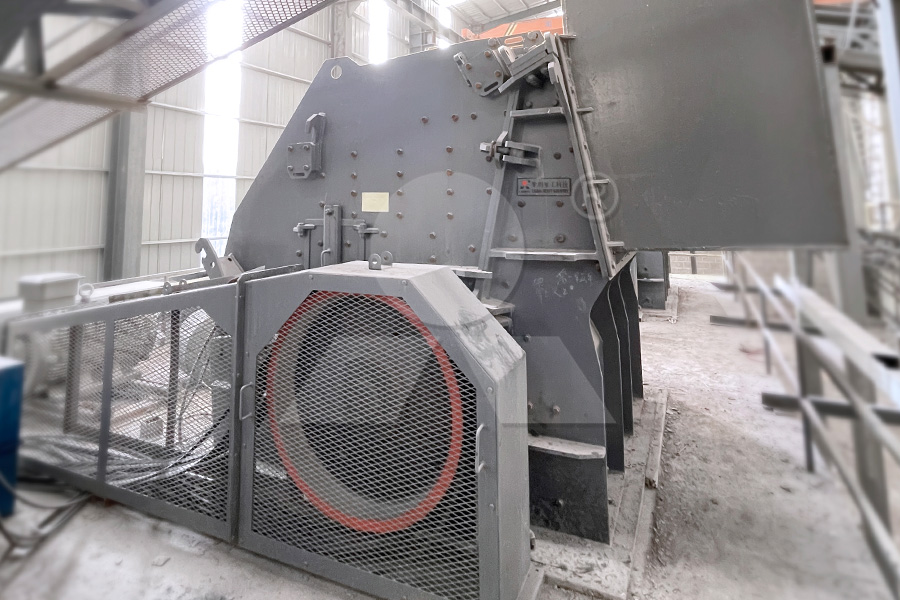
Replace high-manganese steel (e.g., ZGMn13) liners and jaws every 800-1,200 operational hours, depending on ore abrasiveness (Mohs 5+). Monitor wear patterns and schedule replacements during planned maintenance to prevent catastrophic failure. Using parts with proper water toughening heat treatment extends service life.
How do we adapt refinery machinery for varying ore hardness?
Adjust crusher hydraulic pressure and jaw gap settings based on real-time ore feed analysis (Mohs scale). For hard ores (Mohs >6), increase pressure and reduce feed size. Implement variable frequency drives on conveyors to manage throughput and prevent motor overload, ensuring system stability.
What is the best practice for controlling vibration in ball mills?
Install precision-balanced alloy steel trunnions and use high-damping rubber isolators at the foundation. Regularly check and replace worn gear couplings. Maintain mill charge at 28-32% of volume with correctly sized grinding media to optimize the center of mass and minimize harmonic vibration.
What are critical lubrication requirements for high-load refinery bearings?
Use synthetic extreme-pressure (EP) grease (NLGI 2) for trunnion bearings, such as SKF or Timken brands. Implement automatic lubrication systems with real-time pressure monitoring. Maintain oil bath temperatures below 65°C and conduct weekly oil analysis for metal particulates to predict bearing fatigue.
How to optimize gold recovery in the leaching circuit with variable ore grades?
Automate cyanide and oxygen dosing via PLC-controlled sensors measuring head grade and pH. For refractory ores, pre-treat with an oxidative process (e.g., pressure oxidation). Ensure optimal particle size (P80 of 75µm) from grinding and maintain leach tank agitation at 1.2-1.5 m/s.
What maintenance prevents downtime in electrowinning cells?
Inspect and replace corroded stainless steel cathodes (316L grade) annually. Clean electrical contacts and busbars monthly to ensure consistent current density (15-25 A/ft²). Monitor electrolyte temperature (65-75°C) and gold sludge buildup weekly to prevent short circuits and maintain deposition efficiency.