Chromium sand mining refers to the extraction of sand that contains chromium minerals, often chromite (FeCr₂O₄), which is the primary ore of chromium. Chromium is a critical metal used in stainless steel production, alloys, electroplating, and other industrial applications. Here’s an overview of key aspects related to chromium sand mining:
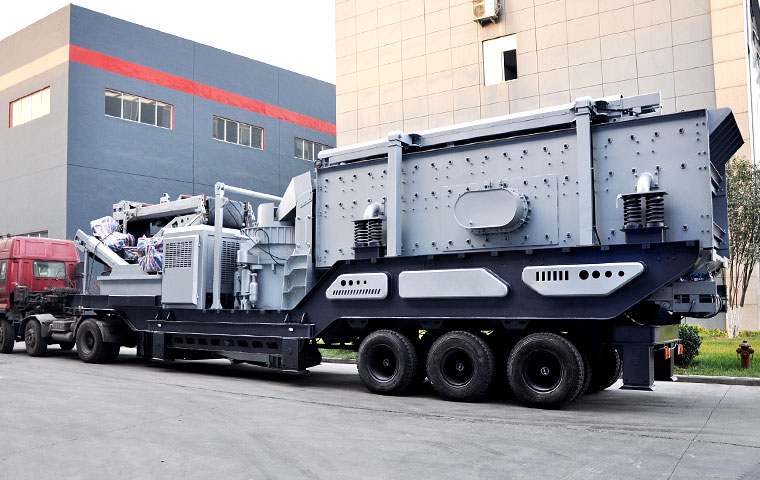 1. Sources of Chromium-Bearing Sands
– Beach Sands: Some coastal areas have heavy mineral sands containing chromite along with other valuable minerals like ilmenite, rutile, and zircon.
– Alluvial Deposits: Riverbeds and floodplains may contain chromite-rich sands eroded from chromium-bearing rocks.
– Lateritic Soils: In tropical regions, weathering of ultramafic rocks can produce chromite-rich lateritic soils.
2. Mining Methods
– Dredging: Used for underwater or riverbed deposits.
– Dry Mining: Excavation of surface deposits using bulldozers and loaders.
– Spiral Concentration: Gravity separation techniques to isolate chromite from lighter sand particles.
3. Processing & Refining
– Gravity Separation: Spirals, shaking tables, or jigs to concentrate chromite.
– Magnetic Separation: Used to remove magnetic impurities.
– Chemical Processing: Further refining to produce ferrochromium or chromium chemicals.
4. Environmental & Health Concerns
– Hexavalent Chromium (Cr⁶⁺): A toxic byproduct that can contaminate water supplies if not managed properly.
– Habitat Disruption: Sand mining can damage coastal ecosystems and riverb.jpg) .
.
– Dust Pollution: Airborne particles may pose respiratory risks.
5. Major Chromium Sand Mining Regions
– South Africa (Bushveld Complex)
– India (Odisha, Tamil Nadu)
– Kazakhstan
– Turkey
– Philippines
6. Regulations & Sustainability
Many countries enforce strict regulations on chromium mining due to environmental risks. Best practices include:
– Proper waste management to prevent Cr⁶⁺ leaching.
– Rehabilitation of mined areas.
– Water treatment systems to mitigate contamination.
Would you like details on a specific aspect, such as extraction techniques or environmental impacts?