Table of Contents
- Average Price of 150 TPH Stone Crusher: A Comprehensive 2025 Market Guide
- Introduction
- What is a 150 TPH Stone Crusher?
- Average Price Range in 2025
- Key Factors Influencing the Price
- 1. Brand and Manufacturer Reputation
- 2. Type of Crusher Technology
- 3. Automation and Control Systems
- 4. Build Quality and Components
- 5. Customization and Site-Specific Design
- 6. Mobility Requirements
- 7. After-Sales Support and Warranty
- Regional Price Comparison (2025)
- Hidden Costs You Must Consider
- 1. Civil Works and Foundation
- 2. Installation and Commissioning
- 3. Transportation and Logistics
- 4. Electrical Infrastructure
- 5. Dust Suppression and Environmental Compliance
- 6. Wear Parts and Consumables
- 7. Operator Training and Safety Equipment
- New vs. Used: Which is More Cost-Effective?
- Buying New
- Buying Used / Reconditioned
- Financing and Leasing Options
- How to Get the Best Price: Negotiation Tips
- Top Manufacturers and Their Price Positioning
- Return on Investment (ROI) Analysis
- Frequently Asked Questions (FAQs)
- Q1: What is the average price of a 150 TPH stone crusher in India?
- Q2: Does the price include installation?
- Q3: What is the lifespan of a 150 TPH stone crusher?
- Q4: Are mobile 150 TPH crushers worth the extra cost?
- Q5: Can I get a 150 TPH crusher on rent?
- Conclusion
- Call to Action
Average Price of 150 TPH Stone Crusher: A Comprehensive 2025 Market Guide
Introduction
The stone crushing industry forms the backbone of infrastructure development, road construction, and building projects worldwide. Among the various capacities available, the 150 TPH (Tonnes Per Hour) stone crusher has emerged as one of the most sought-after equipment configurations, striking an ideal balance between production volume and operational cost. However, one of the most frequently asked questions by quarry owners, contractors, and project managers is: “What is the average price of a 150 TPH stone crusher?”
In this comprehensive guide, we will break down the current market pricing, factors influencing costs, regional price variations, hidden expenses, and actionable tips to help you make a well-informed purchasing decision in 2025.
What is a 150 TPH Stone Crusher?
Before diving into pricing, it is essential to understand what this equipment entails. A 150 TPH stone crusher refers to a crushing plant capable of processing approximately 150 tonnes of raw stone material per hour. This capacity is typically used for medium-to-large scale projects, including:
- Road and highway construction
- Dam and bridge projects
- Commercial aggregate production
- Ready-mix concrete plants
- Mining and quarrying operations
A standard 150 TPH plant usually includes:
- Primary jaw crusher
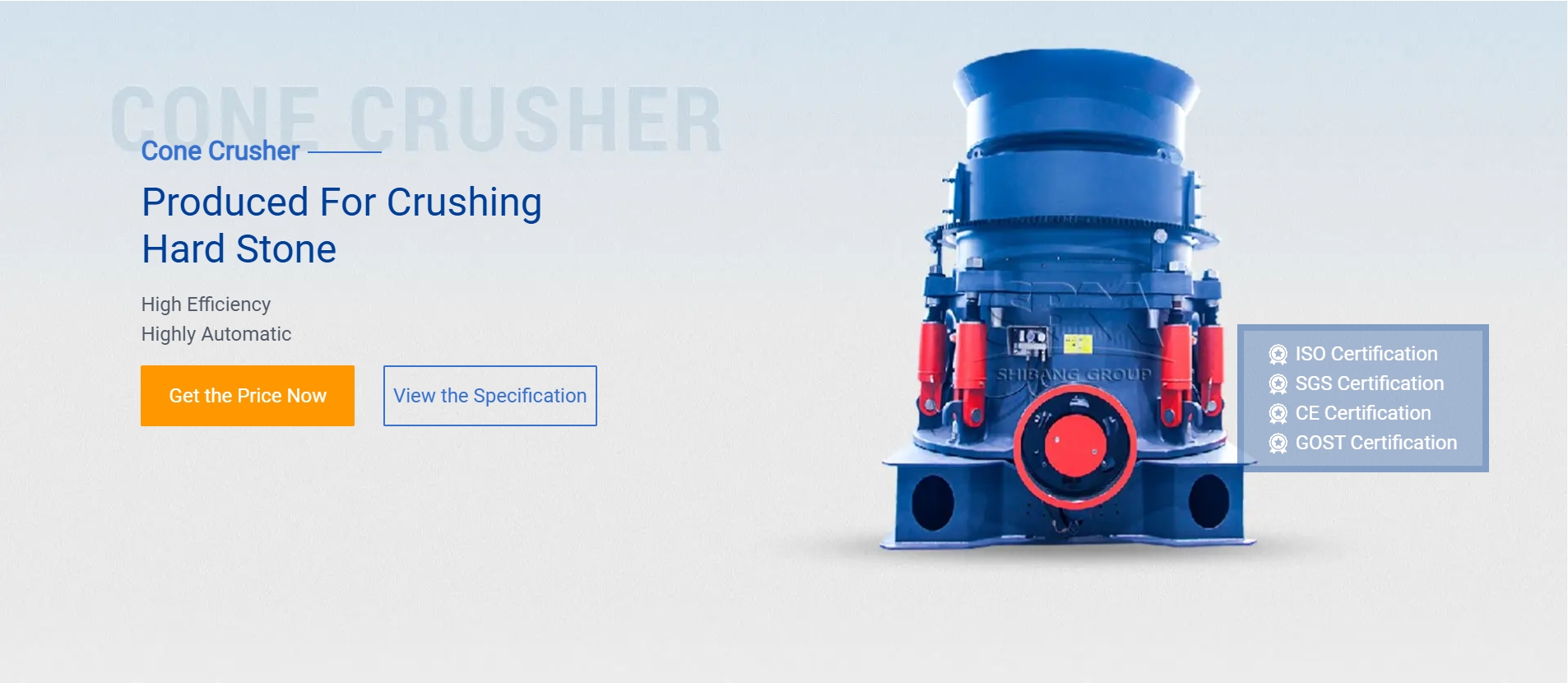
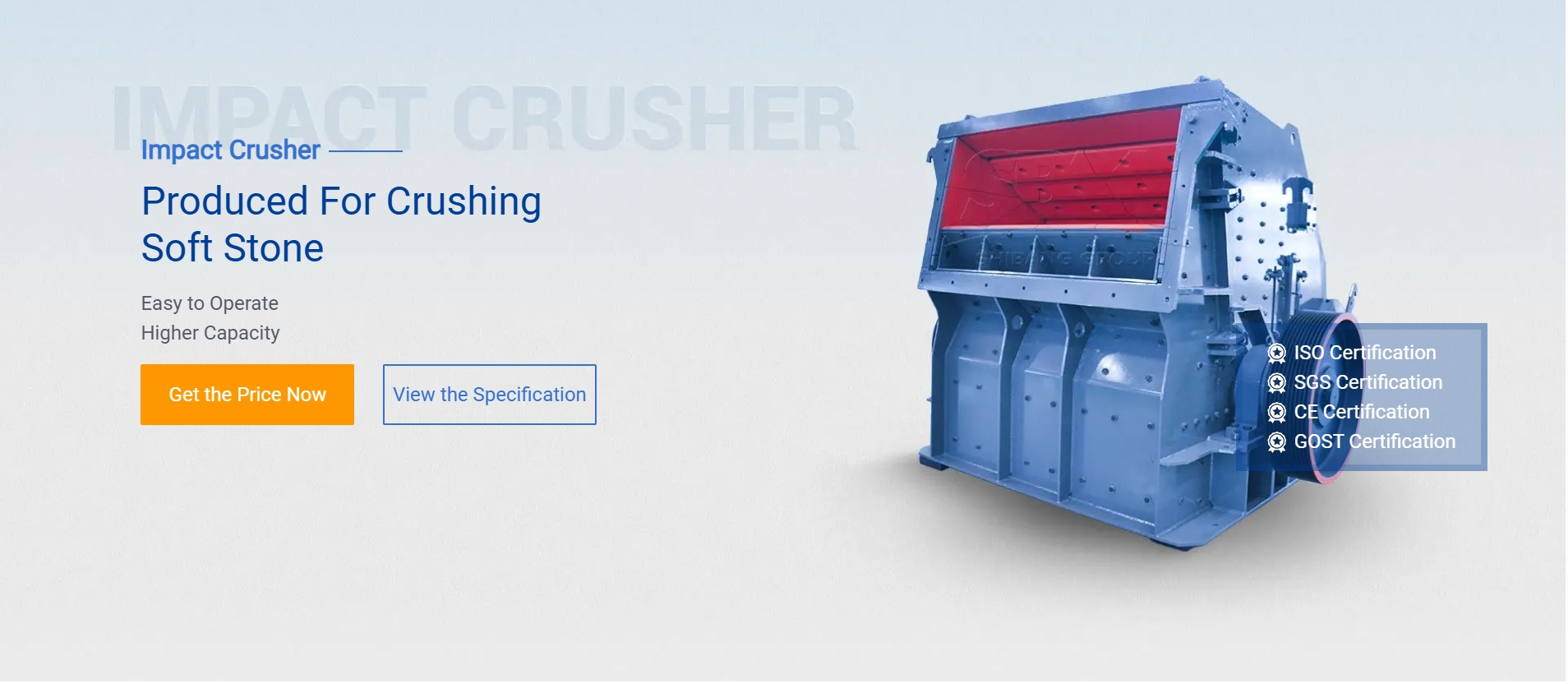
- Secondary cone crusher or impact crusher
- Vibrating screens
- Conveyor systems
- Control panels and electrical systems
- Feeding hoppers and grizzly feeders
Average Price Range in 2025
Based on current market research, manufacturer quotations, and industry reports, the average price of a 150 TPH stone crusher ranges from $180,000 to $450,000 USD for a complete stationary plant. For mobile or semi-mobile configurations, the price typically increases by 20–35%, ranging from $250,000 to $600,000 USD.
Here is a more detailed breakdown:
| Configuration | Price Range (USD) | Notes |
|---|---|---|
| Stationary 150 TPH Plant | $180,000 – $350,000 | Includes all major components, excluding civil works |
| Semi-Mobile 150 TPH Plant | $220,000 – $400,000 | Skid-mounted, easier relocation |
| Fully Mobile 150 TPH Plant | $300,000 – $600,000 | Track-mounted, self-propelled options |
| Second-hand / Reconditioned | $90,000 – $200,000 | Condition and brand dependent |
Note: These prices are indicative and may vary based on brand, build quality, automation level, and after-sales support.
Key Factors Influencing the Price
Understanding why prices vary so significantly is crucial. Here are the primary determinants:
1. Brand and Manufacturer Reputation
Premium brands such as Metso Outotec, Sandvik, Terex, and Kleemann command higher prices due to proven reliability, superior engineering, and extensive service networks. Chinese and Indian manufacturers like SBM, Zenith, and Puzzolana offer more budget-friendly options with acceptable quality for many applications.
2. Type of Crusher Technology
- Jaw + Cone Combination: Higher cost but better for hard, abrasive rocks (granite, basalt).
- Jaw + Impact Combination: More economical, suitable for softer stones (limestone, dolomite).
- Single-stage vs. Multi-stage: Multi-stage systems increase the price but improve output quality.
3. Automation and Control Systems
Plants equipped with PLC-based automation, remote monitoring, and advanced load management systems cost 10–15% more than manual or semi-automatic systems.
4. Build Quality and Components
The use of imported bearings, motors, and wear parts (e.g., manganese liners) increases upfront costs but reduces long-term maintenance expenses.
5. Customization and Site-Specific Design
If your raw material has high moisture content, clay contamination, or requires special dust suppression systems, the price will rise accordingly..jpg)
6. Mobility Requirements
Track-mounted mobile crushers require advanced hydraulic systems and chassis engineering, making them significantly more expensive than stationary units.
7. After-Sales Support and Warranty
Manufacturers offering extended warranties, operator training, and guaranteed spare parts availability often price their equipment higher.
Regional Price Comparison (2025)
The cost of a 150 TPH stone crusher varies considerably across different markets:
| Region | Average Price (USD) | Remarks |
|---|---|---|
| North America (USA, Canada) | $350,000 – $600,000 | High labor costs, strict emission norms |
| Europe (Germany, UK, France) | $320,000 – $550,000 | Premium brands, high automation |
| India | $180,000 – $280,000 | Competitive local manufacturing |
| China | $160,000 – $250,000 | Largest production base, export-friendly |
| Middle East & Africa | $250,000 – $450,000 | Import duties and logistics add 10–15% |
| Southeast Asia | $220,000 – $380,000 | Growing infrastructure demand |
Hidden Costs You Must Consider
The purchase price is only the beginning. To calculate the total cost of ownership (TCO) , factor in these additional expenses:
1. Civil Works and Foundation
A stationary 150 TPH plant requires concrete foundations, steel structures, and site leveling. This can cost $30,000 – $80,000 depending on terrain.
2. Installation and Commissioning
Manufacturer or third-party installation services typically cost 5–10% of the equipment price..jpg)
3. Transportation and Logistics
Heavy machinery transport, customs clearance, and insurance can add $10,000 – $40,000 for international shipments.
4. Electrical Infrastructure
Transformers, cables, switchgear, and generator backup may cost an additional $20,000 – $50,000.
5. Dust Suppression and Environmental Compliance
Modern regulations require dust control systems, water sprinklers, and noise barriers. Budget $15,000 – $30,000 for compliance.
6. Wear Parts and Consumables
Jaw plates, cone liners, screens, and conveyor belts need periodic replacement. Annual wear part costs can range from $25,000 to $60,000 depending on material abrasiveness.
7. Operator Training and Safety Equipment
Proper training ensures operational efficiency and safety compliance. Allocate $5,000 – $15,000 for training programs and safety gear.
New vs. Used: Which is More Cost-Effective?
Buying New
- Pros: Full warranty, latest technology, higher energy efficiency, lower breakdown risk.
- Cons: High initial investment, depreciation in the first 2–3 years.
Buying Used / Reconditioned
- Pros: 40–60% lower purchase price, immediate availability, suitable for short-term projects.
- Cons: Higher maintenance frequency, outdated technology, potential hidden defects, shorter lifespan.
Recommendation: If your project duration exceeds 5 years, buying new is generally more economical in the long run. For short-term or pilot projects, a well-inspected used machine can be a smart financial move.
Financing and Leasing Options
Given the significant capital required, many buyers opt for financing:
- Equipment Loans: Banks and NBFCs offer 60–80% financing with repayment terms of 3–7 years.
- Leasing: Monthly lease payments allow you to conserve working capital, with an option to purchase at the end of the term.
- Manufacturer Financing: Some brands offer deferred payment plans or low-interest EMI schemes during promotional periods.
Interest rates typically range from 8% to 15% depending on your credit profile and region.
How to Get the Best Price: Negotiation Tips
- Request Multiple Quotations: Always compare at least 3–4 manufacturers or dealers.
- Buy in Off-Season: Prices are often negotiable during monsoon or winter months when construction activity slows down.
- Bundle Purchase: If you need conveyors, screens, or crusher spares, negotiate a package deal.
- Leverage Trade-In: Some dealers accept your old crusher as a trade-in, reducing the net cost.
- Negotiate After-Sales Terms: Instead of a lower price, ask for free installation, extended warranty, or free spare parts kit.
- Consider Local Assembly: Some global brands offer CKD (Completely Knocked Down) kits assembled locally, reducing import duties.
Top Manufacturers and Their Price Positioning
| Manufacturer | Country | Price Range (150 TPH) | Key Strengths |
|---|---|---|---|
| Metso Outotec | Finland | $400,000 – $600,000 | Premium quality, advanced automation |
| Sandvik | Sweden | $380,000 – $550,000 | High durability, excellent service |
| Terex | USA | $350,000 – $500,000 | Versatile range, strong dealer network |
| Puzzolana | India | $200,000 – $300,000 | Cost-effective, proven in Indian conditions |
| SBM | China | $180,000 – $280,000 | Competitive pricing, good export support |
| Propel Industries | India | $190,000 – $290,000 | Growing brand, good after-sales |
| Kinglink | China | $170,000 – $250,000 | Budget-friendly, customizable |
Return on Investment (ROI) Analysis
To understand whether a 150 TPH crusher is worth the investment, consider this simplified ROI calculation:
- Daily Production: 150 TPH × 8 hours = 1,200 tonnes/day
- Average Selling Price of Aggregate: $8 – $15 per tonne (varies by region and material)
- Daily Revenue: 1,200 × $10 (average) = $12,000
- Operating Costs (fuel, labor, wear parts, electricity): Approximately $4,000 – $6,000/day
- Net Daily Profit: $6,000 – $8,000
At this rate, a $300,000 crusher can pay for itself within 40–60 working days, making it one of the most profitable investments in the construction equipment sector.
Frequently Asked Questions (FAQs)
Q1: What is the average price of a 150 TPH stone crusher in India?
In India, the price ranges from ₹1.5 crore to ₹2.5 crore (approx. $180,000 – $300,000 USD) depending on brand and configuration.
Q2: Does the price include installation?
Most manufacturers quote ex-works prices. Installation is usually charged separately at 5–10% of the equipment cost.
Q3: What is the lifespan of a 150 TPH stone crusher?
With proper maintenance, a crusher can last 15–20 years. Major components like the main shaft and bearings may need replacement after 8–10 years.
Q4: Are mobile 150 TPH crushers worth the extra cost?
If your project involves multiple sites or frequent relocation, the mobility premium is justified. Otherwise, a stationary plant offers better value.
Q5: Can I get a 150 TPH crusher on rent?
Yes, many equipment rental companies offer 150 TPH crushers on a monthly basis, typically charging $20,000 – $40,000 per month depending on the region and contract terms.
Conclusion
The average price of a 150 TPH stone crusher in 2025 ranges from $180,000 to $600,000 USD, with the final cost heavily influenced by brand, configuration, automation, and regional market dynamics. While the initial investment is substantial, the potential for high daily revenue and rapid payback makes this equipment a highly attractive asset for serious aggregate producers.
To secure the best value, conduct thorough market research, compare multiple vendors, factor in all hidden costs, and negotiate not just on price but on the total package—including warranty, training, and spare parts support.
Call to Action
Are you planning to purchase a 150 TPH stone crusher? Contact us today for a free consultation and customized quotation from trusted manufacturers. Our team of industry experts will help you compare options, calculate your ROI, and choose the perfect crusher for your specific requirements.
📞 Call us: +1 (555) 123-4567
📧 Email: sales@stonecrusherguide.com
🌐 Visit: www.stonecrusherguide.com
Get the right crusher at the right price—maximize your productivity and profitability today!