Table of Contents
- Hazemag Horizontal Impact Crusher Parts Suppliers: A Complete Sourcing Guide
- Why Choosing the Right Parts Supplier Matters
- Key Hazemag Horizontal Impact Crusher Parts You Need to Source
- 1. Blow Bars (Hammer Bars)
- 2. Impact Plates (Apron Liners)
- 3. Rotor Wear Parts
- 4. Side Liners and Frame Liners
- 5. Breaker Plates (Aprons)
- 6. Mechanical Spare Parts
- OEM vs. Aftermarket Hazemag Parts: Pros and Cons
- OEM Hazemag Parts
- Aftermarket Parts
- What to Look for in a Hazemag Horizontal Impact Crusher Parts Supplier
- 1. Foundry or Manufacturing Capability
- 2. Metallurgy Expertise
- 3. Quality Assurance and Testing
- 4. Inventory and Lead Times
- 5. Reverse Engineering Capabilities
- 6. Warranty and After-Sales Support
- 7. Industry Reputation and References
- Top Regions for Hazemag Parts Suppliers
- North America
- Europe
- Asia (China and India)
- Australia and South America
- How to Extend the Life of Your Hazemag Crusher Parts
- Questions to Ask Before Placing an Order
- Conclusion: Building a Long-Term Partnership
Hazemag Horizontal Impact Crusher Parts Suppliers: A Complete Sourcing Guide
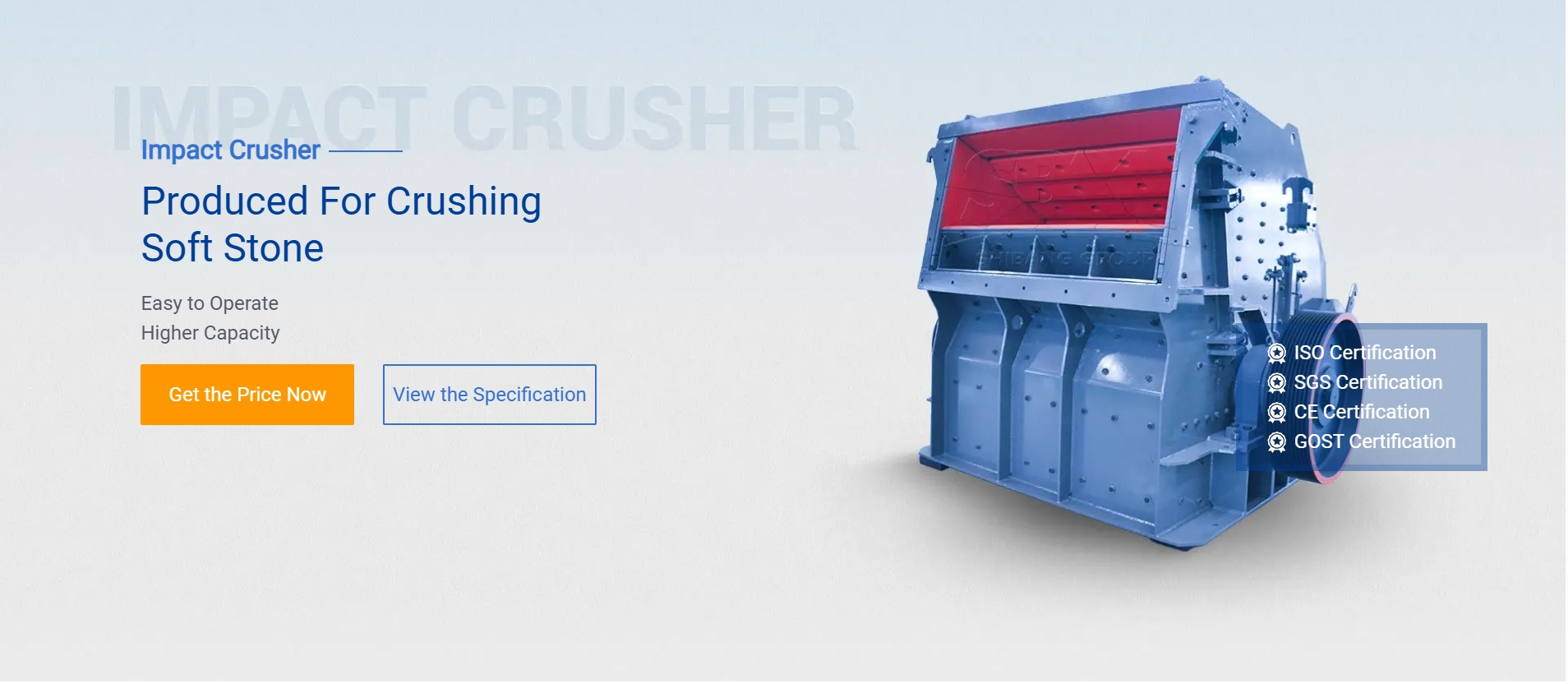
When your Hazemag horizontal impact crusher is down, every hour of downtime costs you production, revenue, and competitive advantage. Finding reliable Hazemag horizontal impact crusher parts suppliers isn’t just about buying spare components—it’s about securing the long-term performance, safety, and profitability of your crushing operation.
In this comprehensive guide, we’ll walk you through everything you need to know about sourcing high-quality Hazemag impact crusher parts, what to look for in a supplier, and how to balance OEM vs. aftermarket options without compromising on quality.
Why Choosing the Right Parts Supplier Matters
Hazemag horizontal impact crushers are engineered for high reduction ratios, excellent cubical output, and rugged reliability. But even the most robust machines require regular maintenance and replacement of wear parts. The components that take the most punishment—blow bars, impact plates, liners, and rotor wear parts—directly affect your crusher’s efficiency and final product quality.
Choosing the wrong supplier can lead to:
- Premature wear and frequent replacements
- Increased energy consumption
- Poor product shape and grading
- Risk of mechanical failure and safety hazards
The right supplier, on the other hand, ensures:
- Consistent wear life and performance
- Exact or improved metallurgy for your specific application
- Reliable lead times and inventory availability
- Technical support and application expertise
Key Hazemag Horizontal Impact Crusher Parts You Need to Source
Before contacting suppliers, it’s essential to understand the critical components that make up your Hazemag impact crusher. Here are the most commonly replaced parts:
1. Blow Bars (Hammer Bars)
Blow bars are the primary wear components in an impact crusher. They strike the material and break it upon impact. Depending on your feed material (abrasive, silica content, hardness), you may need different alloys:
- Martensitic steel – for medium abrasive materials
- High chrome – for highly abrasive materials
- Ceramic composite – for extreme wear resistance
2. Impact Plates (Apron Liners)
These plates absorb the impact of crushed material and help control product size. They are subject to significant wear and must be manufactured to precise dimensions to maintain gap settings.
3. Rotor Wear Parts
The rotor is the heart of the impact crusher. Wear parts inside the rotor—such as rotor tips, backing bars, and wear plates—must be perfectly balanced to prevent vibration and premature bearing failure.
4. Side Liners and Frame Liners
These protect the crusher housing from wear and impact. They are often made from manganese steel or high-chrome alloys.
5. Breaker Plates (Aprons)
Adjustable breaker plates allow you to control the product size. Their wear resistance is critical for maintaining consistent output..jpg)
6. Mechanical Spare Parts
Beyond wear parts, you’ll also need:
- Bearings
- Seals
- Hydraulic cylinders (for apron adjustment)
- Springs and tension rods
- Shafts and keyways
OEM vs. Aftermarket Hazemag Parts: Pros and Cons
When sourcing parts, you have two primary routes: Original Equipment Manufacturer (OEM) parts or aftermarket parts from independent suppliers.
OEM Hazemag Parts
Pros:
- Guaranteed fit and function
- Backed by Hazemag’s engineering and warranty
- Access to latest design improvements
- Technical support directly from the manufacturer
Cons:
- Higher price point
- Longer lead times, especially for international orders
- Limited flexibility in metallurgy customization
Aftermarket Parts
Pros:
- Typically 20–40% lower cost
- Faster availability from local or regional suppliers
- Customizable metallurgy for specific applications
- Often produced by foundries with decades of experience
Cons:.jpg)
- Quality varies significantly between suppliers
- Risk of incorrect dimensions or metallurgy
- No manufacturer warranty (unless supplier offers their own)
Verdict: Many operations choose aftermarket parts for wear components (blow bars, liners) while sticking to OEM for mechanical parts (bearings, shafts). The key is finding a supplier with proven quality control and a track record.
What to Look for in a Hazemag Horizontal Impact Crusher Parts Supplier
Not all suppliers are created equal. Here are the critical criteria to evaluate when selecting a partner:
1. Foundry or Manufacturing Capability
Does the supplier actually manufacture the parts, or are they a middleman? Direct foundries often offer better pricing and quality control. Look for suppliers with:
- In-house casting and machining capabilities
- Heat treatment facilities
- CNC machining for precision tolerances
2. Metallurgy Expertise
The best suppliers understand that one alloy doesn’t fit all applications. They should ask you about:
- Feed material type and abrasiveness
- Moisture content
- Feed size and desired output
- Operating hours per year
Based on this, they should recommend the optimal alloy—whether that’s manganese steel, high chrome, or ceramic composite.
3. Quality Assurance and Testing
Ask about their quality control processes:
- Spectrometer analysis for chemical composition
- Hardness testing (Rockwell or Brinell)
- Dimensional inspection with CMM (Coordinate Measuring Machine)
- Impact testing for toughness
A reputable supplier will provide material certificates and inspection reports with every order.
4. Inventory and Lead Times
Downtime is expensive. A good supplier should:
- Stock popular Hazemag parts (APK, APPH, APS, APSE series) for immediate shipment
- Offer expedited manufacturing for custom parts (typically 3–6 weeks)
- Provide clear communication on lead times and shipping status
5. Reverse Engineering Capabilities
If you have an old or worn part, can the supplier reverse-engineer it? This is especially useful for older Hazemag models where OEM drawings may be unavailable. Look for suppliers with 3D scanning and CAD capabilities.
6. Warranty and After-Sales Support
Even the best parts can fail. A reliable supplier should offer:
- A warranty against manufacturing defects (typically 6–12 months)
- Technical support for installation and troubleshooting
- A return or replacement policy
7. Industry Reputation and References
Check for:
- Years in business
- Case studies or testimonials from mining, aggregate, or recycling companies
- Membership in industry associations (e.g., NSAA, NSSGA)
- Online reviews and third-party ratings
Top Regions for Hazemag Parts Suppliers
North America
The U.S. and Canada have a strong network of aftermarket crusher parts suppliers. Many are located near major aggregate and mining hubs (e.g., Texas, Pennsylvania, Nevada). They offer fast shipping and local technical support.
Europe
Given that Hazemag is a German brand, European suppliers—especially in Germany, Austria, and the UK—have deep expertise and access to original specifications. They are ideal for high-precision mechanical parts.
Asia (China and India)
Chinese and Indian foundries are major players in aftermarket crusher parts. They offer aggressive pricing and have improved significantly in quality over the past decade. However, due diligence is essential—request samples and audits before large orders.
Australia and South America
These regions have specialized suppliers for mining-heavy industries. They often stock parts for popular Hazemag models used in local operations.
How to Extend the Life of Your Hazemag Crusher Parts
Even with the best supplier, part life depends on how you operate and maintain the crusher. Here are practical tips:
- Rotate blow bars regularly – Wear is rarely uniform. Rotating bars from center to edge positions can extend overall life by 20–30%.
- Maintain proper rotor speed – Running too fast increases wear; too slow reduces reduction ratio. Follow Hazemag’s recommended RPM.
- Check apron settings daily – Incorrect gap settings cause uneven wear and poor product shape.
- Inspect for tramp metal – Uncrushable objects can crack blow bars and damage rotors. Use magnetic separators and metal detectors.
- Lubricate bearings per schedule – Over-lubrication is as harmful as under-lubrication.
- Keep a spare set of critical parts – For high-wear items like blow bars, always have a spare set on site to minimize changeout time.
Questions to Ask Before Placing an Order
To ensure you get the right parts from the right supplier, ask these questions:
- Do you manufacture the parts in-house or source from third parties?
- Can you provide material certificates and hardness test reports?
- What is your standard lead time for stock and custom parts?
- Do you offer a warranty? What does it cover?
- Can you reverse-engineer a part from a worn sample?
- Do you have experience with my specific Hazemag model (e.g., APK 50, APPH 2022, APS 1620)?
- What is your return policy for incorrectly manufactured parts?
- Can you provide references from similar operations (aggregate, recycling, cement)?
Conclusion: Building a Long-Term Partnership
Sourcing Hazemag horizontal impact crusher parts is not a one-time transaction—it’s a strategic decision that impacts your operational uptime, product quality, and bottom line. Whether you choose OEM or aftermarket, the key is to partner with a supplier who understands your application, offers consistent quality, and can deliver when you need it.
Start by shortlisting 3–5 suppliers based on the criteria above. Request quotes, compare metallurgy recommendations, and ask for sample parts or trial orders. Over time, you’ll identify a partner who becomes an extension of your maintenance team—one who helps you get the most out of your Hazemag crusher, year after year.
Need help finding a trusted Hazemag parts supplier? Contact our team for vetted recommendations and application-specific advice.