Table of Contents
- Stone Crusher South Korea: A Comprehensive Guide to the Market, Technology, and Future Trends
- Introduction
- 1. The South Korean Stone Crushing Industry: An Overview
- 1.1 Market Size and Demand Drivers
- 1.2 Key Domestic Manufacturers
- 2. Types of Stone Crushers Used in South Korea
- 2.1 Jaw Crushers
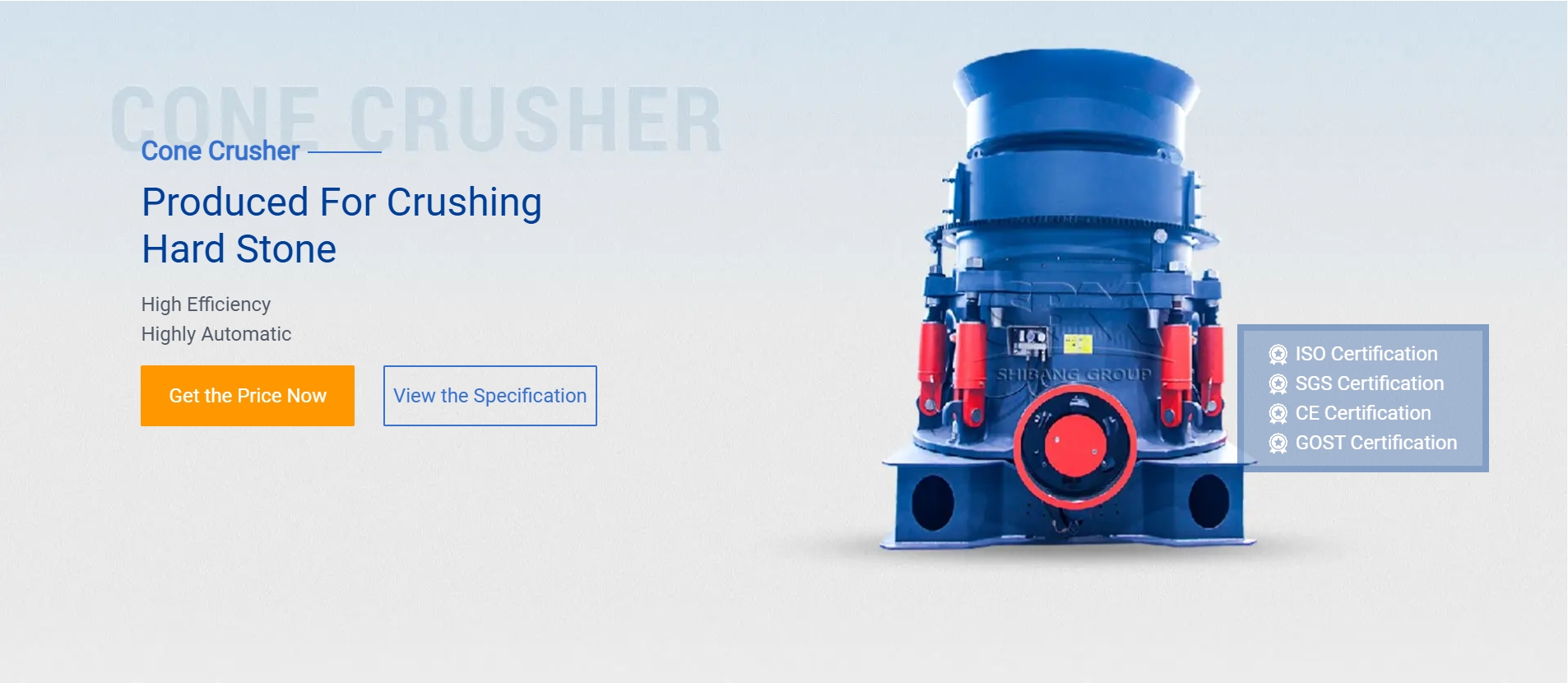
- 2.2 Cone Crushers
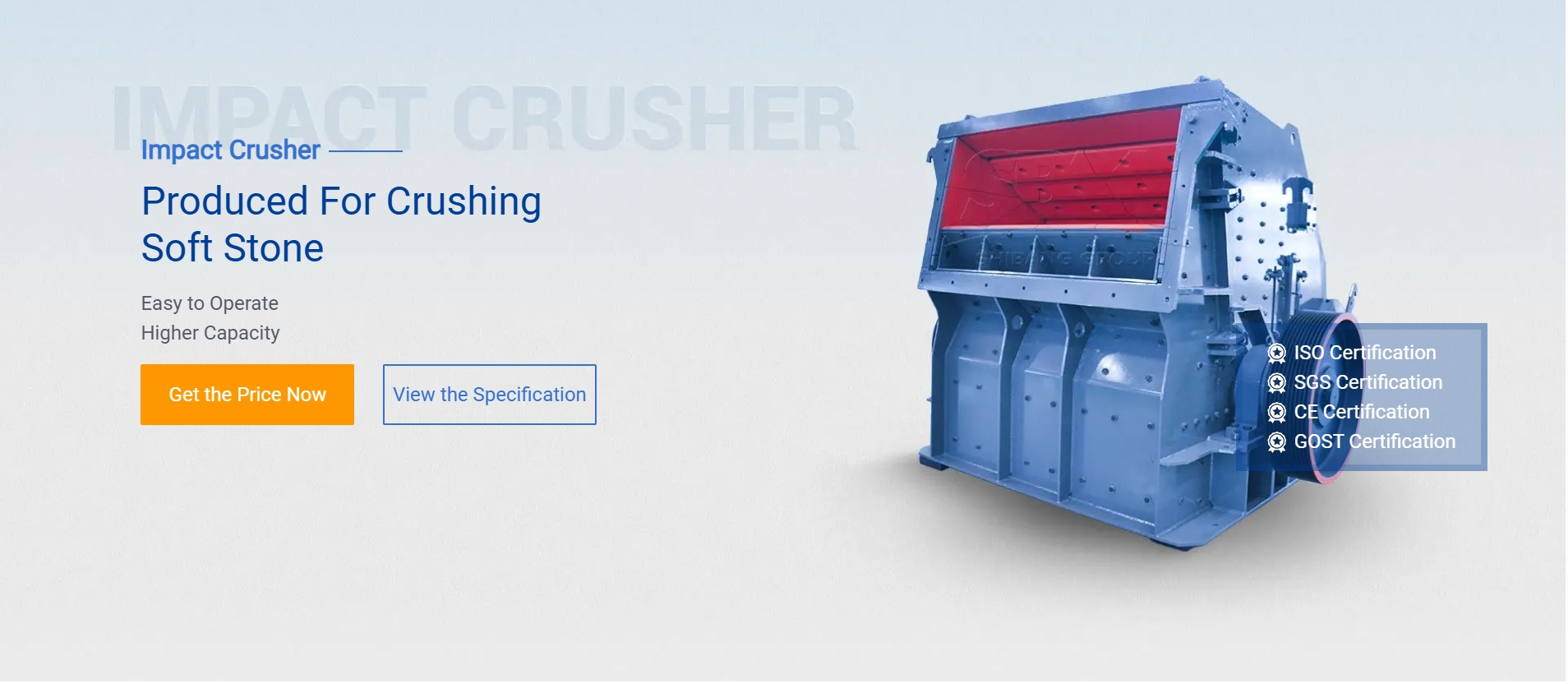
- 2.3 Impact Crushers
- 2.4 Mobile Crushers
- 3. Technological Advancements and Innovations
- 3.1 Automation and IoT Integration
- 3.2 Energy Efficiency
- 3.3 Dust Suppression and Noise Reduction
- 4. Regulatory and Environmental Compliance
- 4.1 Air Quality Standards
- 4.2 Noise and Vibration Control
- 4.3 Waste Management
- 5. Import vs. Domestic Production: Market Dynamics
- 5.1 Imported Equipment
- 5.2 Domestic Equipment
- 5.3 Price Trends
- 6. Key Applications and End-User Industries
- 6.1 Construction and Infrastructure
- 6.2 Mining and Quarrying
- 6.3 Recycling Industry
- 7. Challenges Facing the South Korean Stone Crusher Market
- 7.1 Labor Shortage
- 7.2 Stringent Environmental Laws
- 7.3 Competition from Low-Cost Imports
- 8. Future Outlook and Opportunities
- 8.1 Smart Quarrying
- 8.2 Green Technology
- 8.3 Export Potential
- 8.4 Aftermarket Services
- 9. How to Choose the Right Stone Crusher in South Korea
- 10. Conclusion
- Frequently Asked Questions (FAQs)
Stone Crusher South Korea: A Comprehensive Guide to the Market, Technology, and Future Trends
Introduction
South Korea has emerged as a significant player in the global construction and mining machinery sector. Among the various equipment types, the stone crusher holds a pivotal position, serving as the backbone for infrastructure development, road construction, and aggregate production. This article provides an in-depth analysis of the stone crusher market in South Korea, covering key manufacturers, technological advancements, regulatory frameworks, and future growth prospects. Whether you are a procurement manager, a construction firm, or an investor, this guide offers valuable insights into the South Korean crushing industry.
1. The South Korean Stone Crushing Industry: An Overview
South Korea’s mountainous terrain and rapid urbanization have created a sustained demand for crushed stone, sand, and gravel. The country’s stone crusher industry is characterized by a mix of domestic manufacturing and imported high-end equipment, primarily from Europe, Japan, and China.
1.1 Market Size and Demand Drivers
- Infrastructure Development: Major national projects such as the GTX (Great Train Express) and various smart city initiatives (e.g., Busan Eco Delta) require massive quantities of high-quality aggregates.
- Recycling and Environmental Regulations: With stricter waste management laws, there is a growing need for mobile crushers to process construction and demolition (C&D) waste.
- Quarrying Activities: The demand for natural stone for landscaping and architectural purposes continues to grow, driving the need for specialized crushing equipment.
1.2 Key Domestic Manufacturers
While South Korea does not have as many global heavy equipment giants as the US or China, it hosts several reputable manufacturers:
- Samsung C&T (Engineering & Construction Group) – Often involved in large-scale projects that utilize advanced crushing systems.
- Doosan Infracore (now HD Hyundai Infracore) – Although primarily known for excavators, they offer attachments and solutions for crushing applications.
- Kangwon Crusher – A specialized domestic manufacturer known for producing cone crushers and jaw crushers tailored to local quarry conditions.
- Yong Won Crusher – Another prominent local brand, offering a range of stationary and mobile crushing plants.
2. Types of Stone Crushers Used in South Korea
Understanding the types of crushers is essential for selecting the right equipment for specific applications. The South Korean market utilizes a full spectrum of crushing machinery.
2.1 Jaw Crushers
- Application: Primary crushing of hard and abrasive rocks.
- Popularity: Widely used in Korean quarries due to their reliability and high compression strength.
- Key Features: Deep crushing chambers, hydraulic adjustment systems, and high eccentric speed.
2.2 Cone Crushers
- Application: Secondary and tertiary crushing stages.
- Trend: The shift towards high-capacity cone crushers (e.g., 500-800 TPH) is evident in large-scale aggregate plants.
- Technology: Modern Korean cone crushers feature automatic setting regulation and metal detection systems to prevent damage.
2.3 Impact Crushers
- Application: Recycling concrete and asphalt, as well as producing cubical-shaped aggregates.
- Market Note: With the increase in urban renewal projects, horizontal shaft impactors (HSI) and vertical shaft impactors (VSI) are gaining traction.
2.4 Mobile Crushers
- Growth Area: The demand for mobile jaw and impact crushers has surged due to on-site recycling requirements and the need for flexibility in remote quarry sites.
- Leading Brands: International brands like Metso, Sandvik, and Kleemann dominate this segment, but domestic players are catching up with cost-effective solutions.
3. Technological Advancements and Innovations
The South Korean stone crusher market is not just about brute force; it is increasingly about intelligence and efficiency.
3.1 Automation and IoT Integration
- Smart Crushers: Many new models are equipped with sensors that monitor wear parts, oil pressure, and temperature in real-time.
- Remote Monitoring: Korean manufacturers are integrating telematics systems that allow operators to control and diagnose crushers via smartphones or central control rooms.
3.2 Energy Efficiency
- Electric Drives: To reduce carbon emissions and operational costs, there is a shift from diesel-powered to fully electric or hybrid crushers.
- Optimized Cavity Design: Advanced simulation software (e.g., DEM – Discrete Element Method) is used to design crushing chambers that minimize energy consumption per ton.
3.3 Dust Suppression and Noise Reduction
- Environmental Compliance: With strict noise ordinances in urban areas, manufacturers are developing enclosed crushing units with advanced dust suppression systems (water spray and foam).
4. Regulatory and Environmental Compliance
Operating a stone crusher in South Korea requires strict adherence to environmental laws.
4.1 Air Quality Standards
- The Clean Air Conservation Act mandates that crushing facilities install dust collectors and bag filters to control particulate matter (PM10 and PM2.5).
- Permit Requirements: Quarries and crushing plants must obtain an environmental impact assessment (EIA) before operation.
4.2 Noise and Vibration Control
- Local municipalities often impose strict noise limits (typically below 65 dB during daytime). This has led to the adoption of soundproof enclosures and rubber-lined screens.
4.3 Waste Management
- The Wastes Control Act encourages the recycling of construction waste. Mobile crushers are often used to convert waste concrete into reusable aggregates, qualifying for government subsidies.
5. Import vs. Domestic Production: Market Dynamics
5.1 Imported Equipment
- Advantages: Higher durability, advanced technology, and better resale value.
- Key Sources: Europe (Metso, Sandvik), Japan (Komatsu, Nakayama), and China (liming, Shibang).
- Market Share: Imports account for approximately 40% of the high-end crushing equipment market, particularly for large-scale mining operations.
5.2 Domestic Equipment
- Advantages: Lower initial cost, faster spare parts availability, and localized after-sales service.
- Challenges: Domestic brands often lag in automation and fuel efficiency compared to global leaders.
5.3 Price Trends
- Used Market: There is a robust second-hand market for stone crushers in South Korea, driven by construction companies upgrading their fleets.
- Rental Options: Rental services for mobile crushers are becoming popular among small and medium-sized contractors to avoid high capital expenditure.
6. Key Applications and End-User Industries
6.1 Construction and Infrastructure
- Highways and Railways: Crushed stone is the primary material for road bases and railway ballast.
- Concrete Production: Aggregates from crushers are essential for ready-mix concrete plants.
6.2 Mining and Quarrying
- Metal Ores: Although South Korea has limited metal mines, the processing of limestone, feldspar, and silica sand relies heavily on crushing equipment.
6.3 Recycling Industry
- C&D Waste: The recycling rate for construction waste in South Korea exceeds 95%, one of the highest globally. This creates a steady demand for mobile impact crushers and screening plants.
7. Challenges Facing the South Korean Stone Crusher Market
7.1 Labor Shortage
- The aging workforce in the mining and construction sectors is pushing companies to adopt more automated and remote-controlled crushing systems.
7.2 Stringent Environmental Laws
- While necessary, the regulatory burden increases operational costs, especially for small quarry operators.
7.3 Competition from Low-Cost Imports
- Chinese crushers, though less durable, are significantly cheaper. This price pressure forces domestic manufacturers to innovate or focus on niche markets.
8. Future Outlook and Opportunities
8.1 Smart Quarrying
- The integration of AI and machine learning for predictive maintenance will become standard. South Korea’s strong IT infrastructure provides a competitive edge in developing “smart crushers.”
8.2 Green Technology
- The government’s “Green New Deal” initiative aims to reduce carbon emissions. This will accelerate the adoption of electric and hydrogen-powered crushers.
8.3 Export Potential
- South Korean crushers are gaining popularity in Southeast Asia and the Middle East due to their balance of quality and price. Export incentives and trade agreements will further boost this trend.
8.4 Aftermarket Services
- The focus is shifting from selling equipment to offering “Equipment-as-a-Service” (EaaS), where manufacturers provide crushing solutions on a per-ton basis, including maintenance and operation.
9. How to Choose the Right Stone Crusher in South Korea
When purchasing a stone crusher in South Korea, consider the following factors:
- Material Type: Hardness, abrasiveness, and moisture content.
- Capacity Requirements: Throughput (TPH) and final product size.
- Mobility: Stationary vs. mobile vs. portable.
- Total Cost of Ownership: Initial price, fuel consumption, wear parts, and maintenance.
- After-Sales Support: Availability of local technicians and spare parts inventory.
10. Conclusion
The stone crusher market in South Korea is mature, competitive, and technologically advanced. While the industry faces challenges from environmental regulations and global competition, it also presents significant opportunities for innovation, particularly in automation and green technology. For international buyers, South Korea offers a reliable source of high-quality crushing equipment, backed by excellent infrastructure and a strong engineering culture. For domestic stakeholders, the future lies in embracing digital transformation and sustainable practices to maintain a competitive edge..jpg)
Frequently Asked Questions (FAQs)
Q1: What is the average price of a stone crusher in South Korea?
A: Prices vary widely. A small mobile crusher can start from KRW 150 million (approx. USD 110,000), while large stationary plants can exceed KRW 5 billion (approx. USD 3.7 million).
Q2: Are there government subsidies for purchasing eco-friendly crushers?
A: Yes, the Korean government offers tax benefits and low-interest loans for equipment that meets specific energy efficiency and emission standards.
Q3: Can I import used crushers from South Korea?
A: Yes, used equipment is available, but ensure compliance with your country’s import regulations and check the machine’s maintenance history..jpg)
Q4: Which is better for recycling concrete: a jaw crusher or an impact crusher?
A: For concrete recycling, impact crushers are generally preferred due to their ability to produce a more cubical shape and handle rebar better.
This article is optimized for search engines with relevant keywords such as “stone crusher South Korea,” “Korean crusher manufacturers,” “mobile crushing plant Korea,” and “aggregate production equipment.” For more detailed specifications or supplier inquiries, please consult industry directories or contact local trade associations.