Table of Contents
Selection of Iron Ore Crusher: A Comprehensive Guide for Optimal Processing Efficiency
In the demanding world of mineral processing, the selection of iron ore crusher is arguably the most critical decision impacting downstream productivity, operational cost, and final product quality. Iron ore, characterized by its high abrasiveness and variable hardness (often ranging from 5 to 7 on the Mohs scale), demands robust and specifically tailored crushing solutions. Choosing the wrong equipment can lead to excessive wear, frequent downtime, and an inefficient comminution circuit. This guide provides a data-driven approach to selecting the ideal crusher for your specific iron ore application.
1. Understanding the Ore Characteristics: The Prerequisite
Before evaluating crusher types, you must conduct a comprehensive analysis of your feed material. The selection process hinges on three primary ore properties:
- Compressive Strength (UCS): This dictates the crushing force required. Hard ores (e.g., magnetite, hematite in massive form) require high-pressure crushing equipment, while softer, friable ores (e.g., limonite) may allow for impact-based methods.
- Abrasion Index (AI): Iron ore is notoriously abrasive. A high AI (typically >0.4) will accelerate wear on liners and hammers. This factor alone often disqualifies impact crushers for primary crushing stages.
- Moisture Content & Clay Content: High clay content (sticky ore) causes clogging in cone crushers and screens. If your ore has high plasticity, you may need to incorporate a grizzly feeder or consider a double-roll crusher for the initial breakdown.
2. Primary Crushing: The Heavyweight Division
The goal of primary crushing is to reduce run-of-mine (ROM) ore (up to 1500mm) to a manageable size (typically 200-300mm) for conveyor transport and secondary processing.
- Gyratory Crushers: The undisputed champion for high-throughput (above 3000 t/h) and hard rock. They offer a continuous crushing action, resulting in lower energy consumption per ton compared to jaw crushers. Selection Criteria: Choose this if you have a massive open-pit mine with a steady feed rate and high silica content.
- Jaw Crushers: The most versatile and cost-effective option for smaller mines or variable feed sizes. They handle sticky ores better than gyratory crushers due to their larger discharge opening. Selection Criteria: Ideal for mobile crushing plants or operations with a throughput below 1500 t/h. Look for models with a deep crushing chamber to minimize flakiness.
3. Secondary and Tertiary Crushing: Shaping the Product
Once the ore is reduced to 200mm, the focus shifts to achieving a specific particle size distribution (PSD) for the beneficiation process (magnetic separation or flotation).
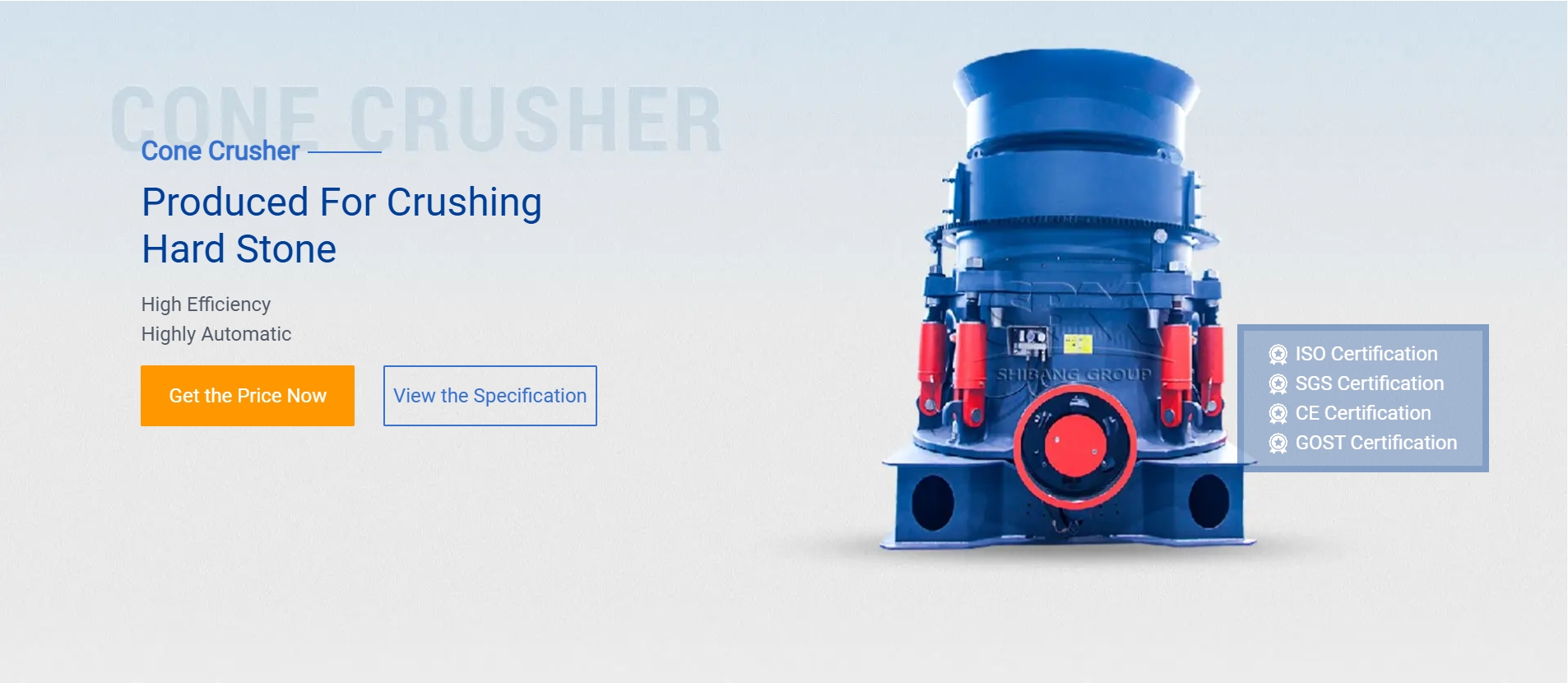
- Cone Crushers (Symons/HP Series): The industry standard for secondary and tertiary crushing. Modern hydraulic cone crushers (like the HP or CH series) offer adjustable eccentric throws and automated setting regulation. Selection Criteria: For hard, abrasive ore, this is non-negotiable. They provide excellent cubicity, which is vital for downstream grinding efficiency. SEO Tip: When selecting, compare the “closed side setting” (CSS) versus power draw curves to ensure the crusher can handle the required reduction ratio without overloading the motor.
- High-Pressure Grinding Rolls (HPGR): Increasingly popular for hard rock iron ore due to their energy efficiency (up to 30% savings vs. conventional crushing). They induce micro-cracks in the ore, significantly improving downstream ball mill throughput. Selection Criteria: Choose HPGR for the tertiary stage if your project prioritizes energy savings and you have a dry or moderately moist feed. They are excellent for preparing ore for dry magnetic separation.
4. The “Do Not Use” List: Impact Crushers
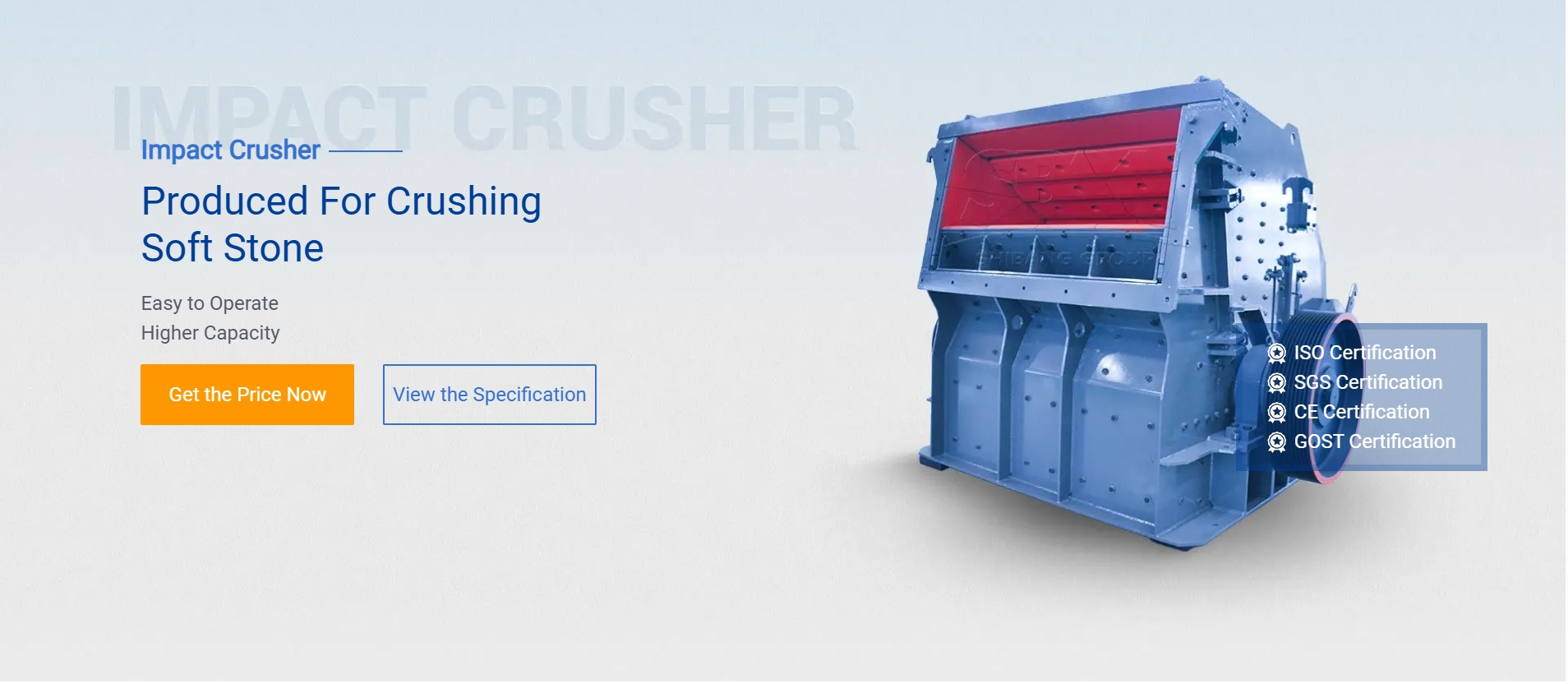
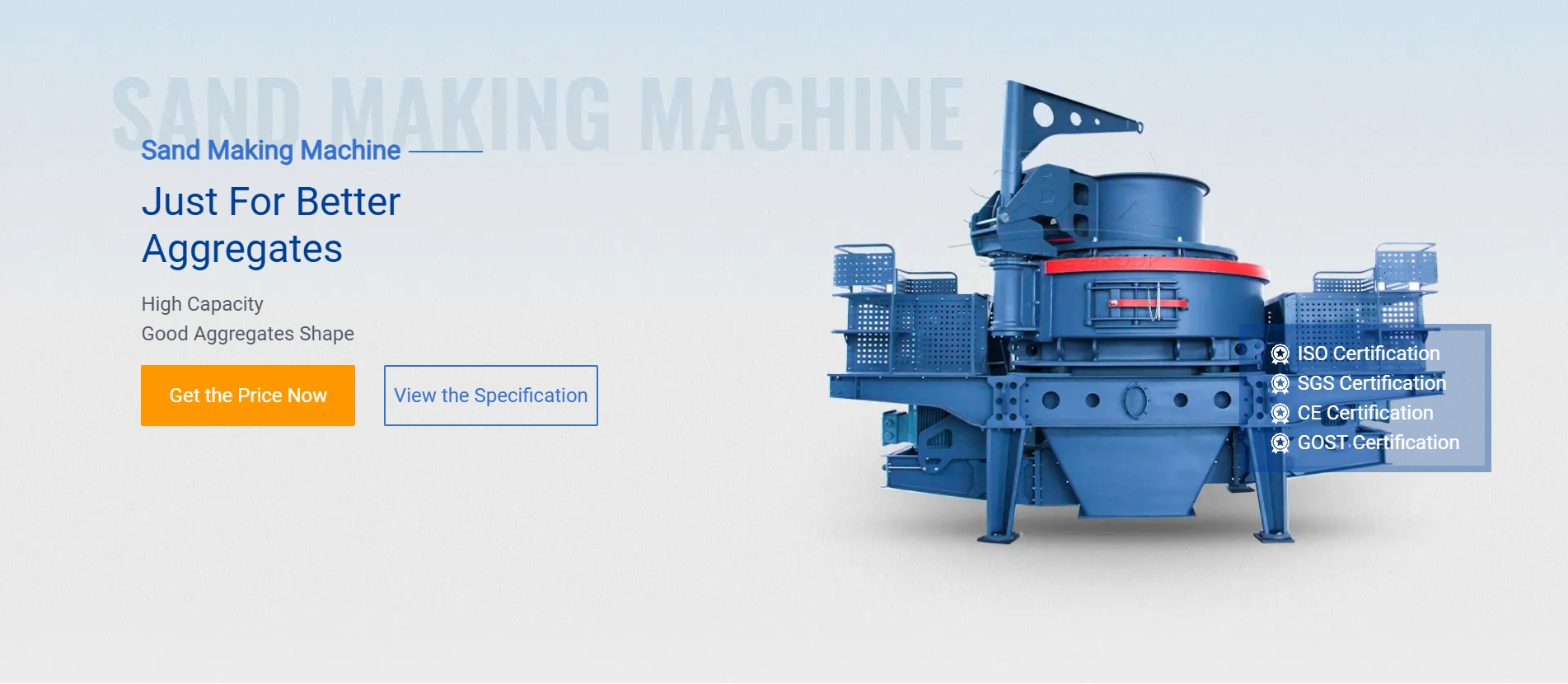
While impact crushers (HSI and VSI) are excellent for limestone or concrete recycling, they are generally not recommended for primary or secondary iron ore crushing. The high silica content causes catastrophic wear rates on blow bars and impact plates, leading to unsustainable maintenance costs. Exception: VSI crushers can be used in the quaternary stage to improve the shape of the final concentrate, but only if the ore is pre-screened to remove abrasive fines.
5. Key Selection Parameters (The Technical Checklist)
To ensure your selection of iron ore crusher is optimized, evaluate vendors based on the following metrics:.jpg)
- Reduction Ratio: Ensure the crusher can achieve the required size reduction in a single pass to avoid recirculation loads.
- Power Draw vs. Hardness: Use Bond’s Crushing Work Index (CWI) to calculate the required motor power. Oversizing the motor increases CAPEX; undersizing leads to choke feeding.
- Chamber Geometry: For iron ore, a “coarse” chamber profile is preferred over “fine” to prevent packing and ensure free flow of material.
- Automation & Monitoring: Modern crushers with ASRi (Automatic Setting Regulation) systems are vital. They automatically adjust the CSS to compensate for wear, ensuring a consistent product size and maximizing liner life.
6. The Economic Impact: CAPEX vs. OPEX
A common mistake is selecting a crusher based solely on initial purchase price (CAPEX). For iron ore, the Operating Expenditure (OPEX)—specifically wear parts and energy—will dwarf the initial cost within the first year.
- Liner Material: Specify manganese steel (12-14% Mn) for jaw and cone crushers. For HPGR, look for studded tungsten carbide surfaces.
- Throughput vs. Wear: A slower-speed crusher with a larger chamber often yields lower wear costs per ton than a high-speed crusher forced to run at maximum capacity.
7. Conclusion: A Strategic Decision
The selection of iron ore crusher is not a one-size-fits-all equation. It is a strategic engineering decision that requires balancing ore geology, throughput targets, and energy costs. Our Recommendation: For large-scale operations, a combination of a Gyratory Crusher (Primary) followed by a High-Throughput Cone Crusher (Secondary) and an HPGR (Tertiary) represents the current state-of-the-art in energy-efficient comminution..jpg)
For smaller operations or mobile setups, a robust Jaw Crusher paired with a heavy-duty Cone Crusher remains the most reliable and cost-effective route. Always consult with a process engineer and conduct pilot tests on your specific ore sample before finalizing your purchase. The right crusher will not just crush rock; it will maximize the value of your entire mining operation.