Table of Contents
- The Complete Guide to Stone Crushing Plant Suppliers in South Africa
- Introduction
- Why South Africa is a Hub for Crushing Equipment
- Key Types of Stone Crushing Plants Available
- 1. Jaw Crushers
- 2. Cone Crushers
- 3. Impact Crushers
- 4. Mobile Crushing Plants
- 5. Modular and Stationary Plants
- Top Suppliers in South Africa: Who to Consider
- 1. Pilot Crushtec International
- 2. Osborn Engineered Products
- 3. Thabisa Crushing & Screening
- 4. Seneca Crushing & Screening
- 5. International Brands with Local Dealers
- Critical Factors to Consider When Choosing a Supplier
- 1. After-Sales Support and Spare Parts Availability
- 2. Customization Capabilities
- 3. Equipment Quality and Brand Reputation
- 4. Financial Flexibility
- 5. Environmental Compliance
- 6. Training and Operator Support
- The Cost of Stone Crushing Plants in South Africa
- The Rise of Mobile Crushing: A Game Changer
- How to Evaluate a Supplier’s Credibility
- Maintenance Tips to Maximize Your Investment
- Future Trends in the South African Crushing Market
- 1. Automation and IoT Integration
- 2. Sustainability and Energy Efficiency
- 3. Local Manufacturing Growth
- Conclusion
The Complete Guide to Stone Crushing Plant Suppliers in South Africa
Introduction
South Africa’s mining and construction sectors are the backbone of the nation’s economy, and at the heart of these industries lies the humble yet indispensable stone crushing plant. From road construction to aggregate production for concrete, the demand for crushed stone continues to rise. However, choosing the right supplier for your crushing needs is not just about finding the cheapest quote—it’s about reliability, after-sales support, and long-term operational efficiency.
This comprehensive guide explores the landscape of stone crushing plant suppliers in South Africa, what to look for, and how to make an informed purchasing decision that aligns with your project requirements.
Why South Africa is a Hub for Crushing Equipment
South Africa boasts a mature mining industry with over a century of operational history. This has fostered a robust ecosystem of equipment manufacturers, local distributors, and international brands that have established a strong presence in the region. The country’s infrastructure development projects—from the expansion of road networks to housing developments—have created sustained demand for high-quality crushing solutions.
Moreover, South Africa’s strategic position as a gateway to other African markets makes it a natural logistics and service hub. Suppliers based here often extend their reach into neighboring countries like Botswana, Namibia, Zimbabwe, and Mozambique.
Key Types of Stone Crushing Plants Available
Before diving into supplier selection, it is essential to understand the different configurations available on the market:
1. Jaw Crushers
Ideal for primary crushing, jaw crushers are designed to handle large rocks and ores. They offer high reduction ratios and are known for their durability.
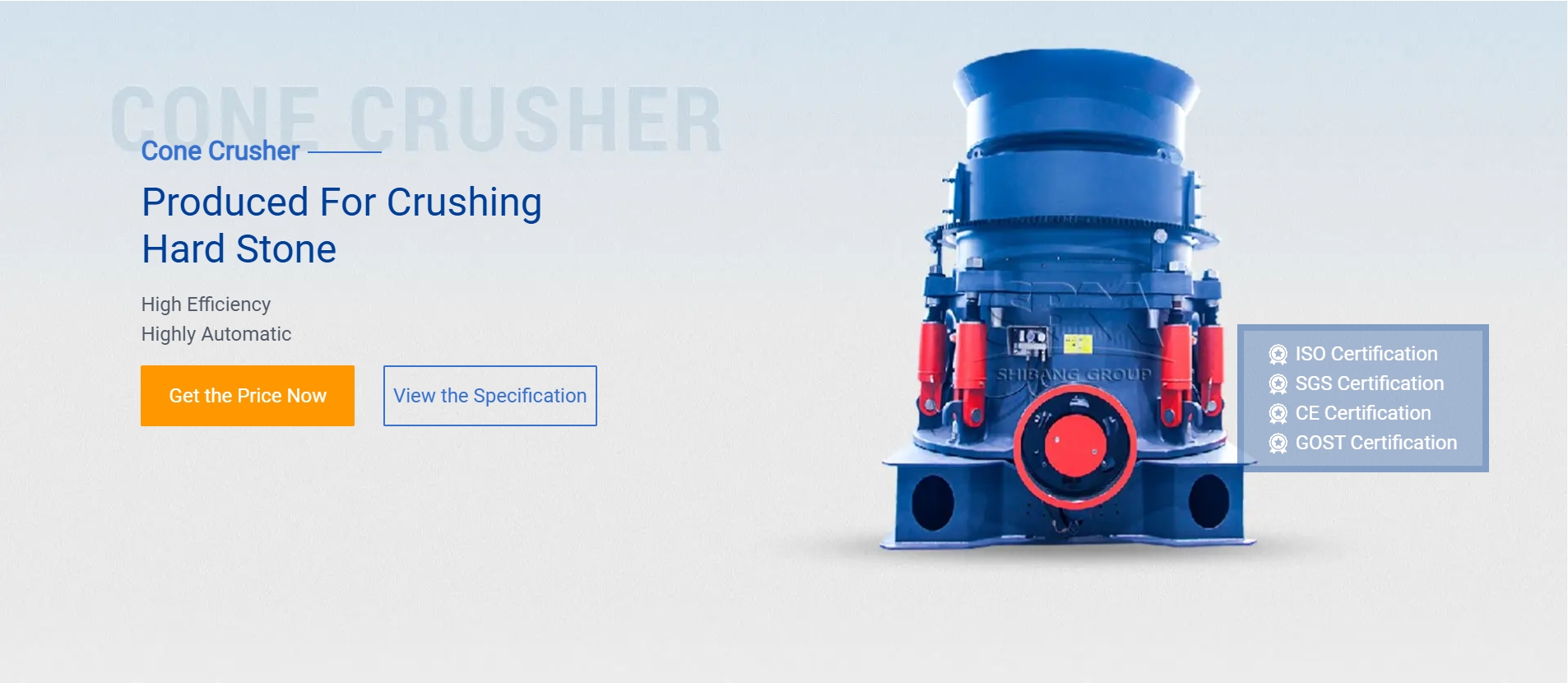
2. Cone Crushers
Used for secondary and tertiary crushing, cone crushers are perfect for producing finer aggregates and are widely used in the mining and quarrying sectors.
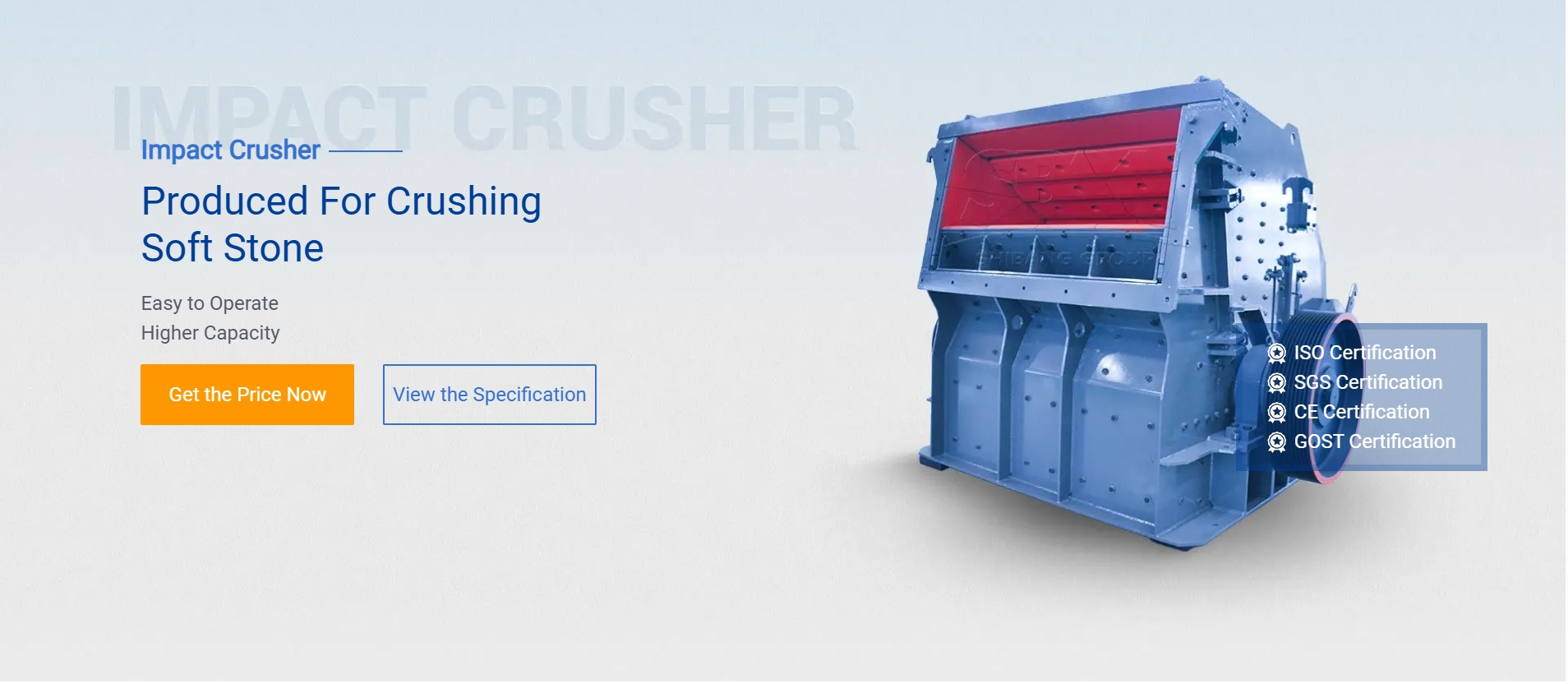
3. Impact Crushers
These are suitable for softer materials and are often used in recycling applications. They provide excellent particle shape and are popular in the construction industry.
4. Mobile Crushing Plants
For projects that require flexibility, mobile plants are mounted on tracks or wheels and can be moved easily between sites. They are ideal for smaller projects or those in remote locations.
5. Modular and Stationary Plants
For large-scale, long-term operations, stationary plants offer higher throughput and lower operating costs per ton.
Top Suppliers in South Africa: Who to Consider
The South African market is served by a mix of local manufacturers and international brands with local representation. Below are some of the most recognized names:
1. Pilot Crushtec International
Based in Johannesburg, Pilot Crushtec is one of the leading suppliers of crushing and screening equipment in Southern Africa. They represent global brands like Metso and offer a wide range of mobile and semi-mobile units. Their strength lies in their extensive local support network and comprehensive after-sales service.
2. Osborn Engineered Products
With a history dating back to 1919, Osborn is a South African manufacturer that provides a full range of crushing equipment, including jaw crushers, cone crushers, and feeders. They are known for their robust, locally manufactured machines that are designed to withstand harsh African conditions.
3. Thabisa Crushing & Screening
This is a relatively newer player but has quickly gained a reputation for providing high-quality spare parts and refurbished equipment. They specialize in supporting existing plants and offer a cost-effective alternative to buying new machinery.
4. Seneca Crushing & Screening
Seneca is not just a supplier but also a contract crushing service provider. They offer mobile crushing solutions and can manage the entire crushing process on-site, which is ideal for companies that prefer outsourcing rather than owning equipment.
5. International Brands with Local Dealers
Brands like Sandvik, Terex, and Kleemann have strong dealer networks in South Africa. These suppliers offer cutting-edge technology and are ideal for large-scale operations that require the latest automation features.
Critical Factors to Consider When Choosing a Supplier
Selecting a supplier is a strategic decision. Here are the key factors to evaluate:.jpg)
1. After-Sales Support and Spare Parts Availability
In the crushing industry, downtime is your biggest enemy. Ensure your supplier has a robust stock of spare parts locally and a responsive service team. Ask about their average response time for breakdowns.
2. Customization Capabilities
No two quarries are the same. A good supplier should be willing to tailor the plant configuration to your specific material type, feed size, and output requirements.
3. Equipment Quality and Brand Reputation
While local brands offer excellent value, international brands may offer advanced features like remote monitoring and automated control systems. Weigh the pros and cons based on your operational needs.
4. Financial Flexibility
Crushing plants are significant capital investments. Look for suppliers that offer financing options, rental-to-own schemes, or used equipment with warranties.
5. Environmental Compliance
South Africa has strict environmental regulations. Ensure the equipment you purchase meets dust suppression and noise control standards to avoid legal complications.
6. Training and Operator Support
A good supplier will provide comprehensive training for your operators and maintenance staff. This is crucial for maximizing the lifespan of your equipment.
The Cost of Stone Crushing Plants in South Africa
Pricing varies widely based on capacity, brand, and configuration:
- Small Mobile Plants (50-100 TPH): Approximately R1.5 million to R4 million
- Medium Stationary Plants (100-250 TPH): R5 million to R15 million
- Large-Scale Plants (300+ TPH): R20 million and above
It is important to note that the initial purchase price is only a fraction of the total cost of ownership. Consider fuel consumption, wear parts, and maintenance costs when making your decision.
The Rise of Mobile Crushing: A Game Changer
In recent years, there has been a noticeable shift towards mobile crushing plants in South Africa. This trend is driven by several factors:
- Project Mobility: Contractors can move equipment between multiple sites without the need for re-installation.
- Lower Civil Works Costs: No need for concrete foundations or permanent structures.
- Rapid Setup: Mobile units can be operational within hours of arrival on site.
Suppliers like Pilot Crushtec and Seneca have capitalized on this trend, offering a wide range of mobile solutions that cater to both small and large operations.
How to Evaluate a Supplier’s Credibility
Before signing any contract, conduct a thorough due diligence process:
- Visit Existing Installations: Ask for references and visit sites where their equipment is currently operating. This gives you first-hand insight into performance and reliability.
- Check Industry Certifications: Look for ISO certifications and compliance with South African Bureau of Standards (SABS) requirements.
- Review Financial Stability: A supplier with solid financial backing is more likely to honor warranties and provide long-term support.
- Assess Their Service Network: Are their technicians based locally, or will you have to wait for parts to be shipped from overseas?
Maintenance Tips to Maximize Your Investment
Once you have purchased your crushing plant, proper maintenance is non-negotiable. Here are some best practices:
- Daily Inspections: Check for loose bolts, oil leaks, and unusual vibrations.
- Lubrication Schedule: Follow the manufacturer’s recommended lubrication intervals strictly.
- Monitor Wear Parts: Keep an eye on jaw plates, mantle, and concave wear. Replace them before they cause damage to the machine.
- Dust Control: Ensure dust suppression systems are functioning correctly to protect both operators and equipment.
- Record Keeping: Maintain a detailed log of all maintenance activities and part replacements.
Future Trends in the South African Crushing Market
The industry is evolving, and suppliers are adapting to new trends:
1. Automation and IoT Integration
Smart sensors and remote monitoring are becoming standard features. These technologies allow operators to track performance in real-time and predict maintenance needs before failures occur.
2. Sustainability and Energy Efficiency
With rising electricity costs in South Africa, there is a growing demand for energy-efficient equipment. Some suppliers are now offering hybrid or electric-powered crushers.
3. Local Manufacturing Growth
Government initiatives to promote local manufacturing are encouraging more companies to produce equipment domestically, which reduces lead times and supports the local economy.
Conclusion
Choosing the right stone crushing plant supplier in South Africa is a decision that requires careful consideration of your project needs, budget, and long-term operational goals. The market offers a diverse range of options—from established local manufacturers to international brands with strong local representation.
Remember, the cheapest option is not always the most cost-effective in the long run. Prioritize suppliers that offer excellent after-sales support, readily available spare parts, and a proven track record in the field.
By taking the time to research and evaluate your options, you can ensure that your investment in a crushing plant will deliver reliable performance for years to come. Whether you are a small contractor or a large mining corporation, the right supplier is out there—you just need to know what to look for..jpg)
Are you ready to take the next step? Contact multiple suppliers, request detailed quotes, and ask for site visits. The success of your project depends on the partnership you build today.