Table of Contents
- Stone Crusher Project Price in Indonesia: A Comprehensive 2025 Investment Guide
- Introduction
- 1. Why Indonesia is a Prime Market for Stone Crushing
- 2. Breakdown of Stone Crusher Project Price in Indonesia
- 2.1 Machinery & Equipment Costs (50–60% of Total Budget)
- 2.2 Civil Works & Site Preparation (15–20%)
- 2.3 Licensing & Legal Compliance (5–8%)
- 2.4 Working Capital & Logistics (20–25%)
- 3. Total Estimated Project Price
- 4. Operational Costs Per Ton (Variable)
- 5. Revenue & Profitability Analysis
- 5.1 Selling Price of Aggregates (FOB Quarry)
- 5.2 Monthly Profit Scenario (100 TPH, 8-hour shift, 25 days)
- 6. Hidden Costs & Risks to Avoid
- 7. Financing Options in Indonesia
- 8. How to Reduce Your Project Price
- 9. Step-by-Step Action Plan for 2025
- 10. Conclusion
Stone Crusher Project Price in Indonesia: A Comprehensive 2025 Investment Guide
Introduction
Indonesia’s infrastructure boom, driven by the new capital city project (IKN) in Kalimantan and the government’s aggressive national road and railway development programs, has created an unprecedented demand for high-quality aggregates. For investors and contractors, understanding the stone crusher project price in Indonesia is the first critical step toward a profitable venture. This guide provides a data-driven breakdown of capital costs, operational expenses, regulatory fees, and ROI projections to help you make an informed decision.
1. Why Indonesia is a Prime Market for Stone Crushing
Before diving into costs, it is essential to understand the market drivers:
- Massive Infrastructure Spending: The Indonesian government allocated over IDR 400 trillion (approx. USD 26 billion) to infrastructure in the 2025 state budget.
- Nickel & Coal Mining Synergy: Mining companies require crushers for overburden removal and road maintenance, creating a secondary revenue stream.
- Island-Wide Logistics: With over 17,000 islands, localized crushing plants are often more economical than shipping aggregates from Java.
2. Breakdown of Stone Crusher Project Price in Indonesia
The total project cost is not just the machine price. It includes site preparation, licensing, and working capital. Below is a realistic estimate for a medium-capacity plant (100–150 TPH).
2.1 Machinery & Equipment Costs (50–60% of Total Budget)
| Equipment | Specification | Price Range (USD) |
|---|---|---|
| Primary Jaw Crusher | PE-750×1060 | $45,000 – $65,000 |
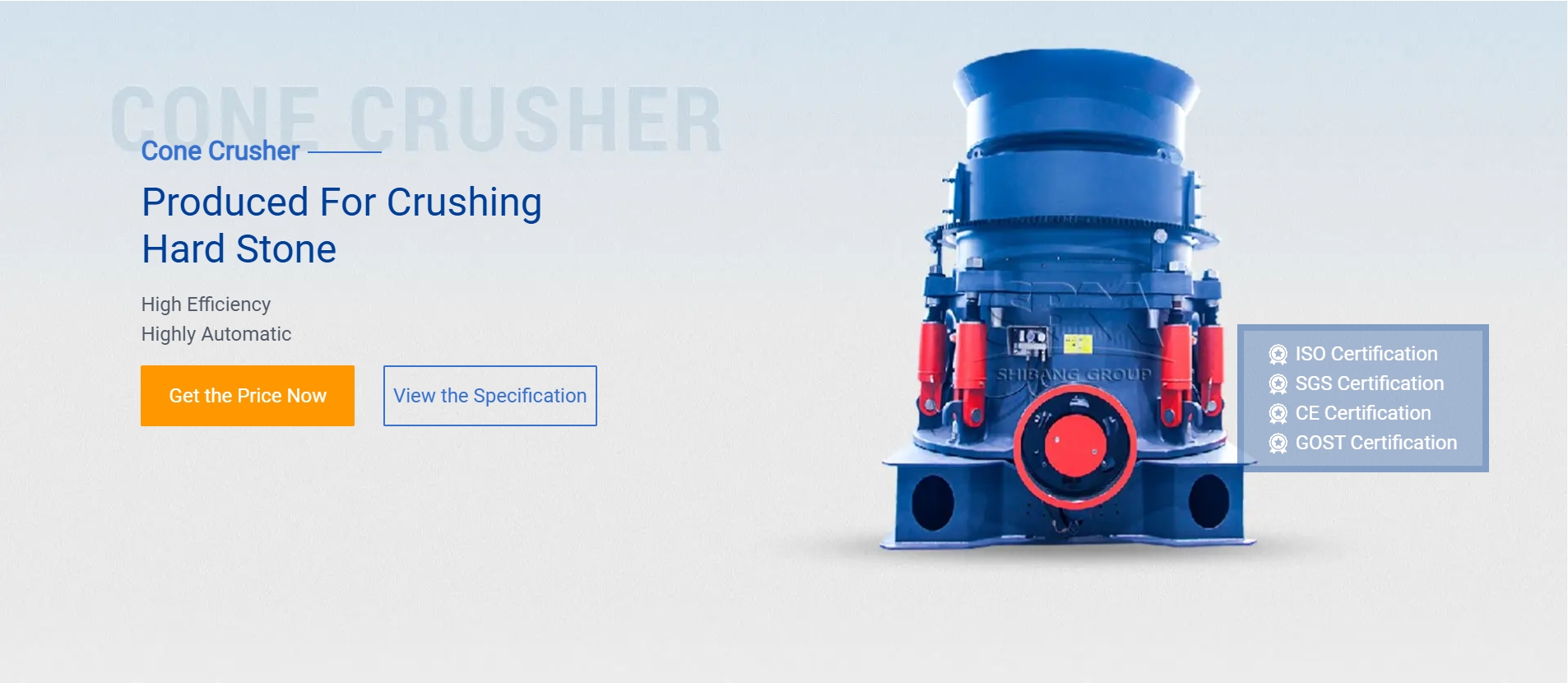
| Secondary Cone Crusher | PYB-1200 | $38,000 – $55,000 |
| Vibrating Screen | 3YK-1860 | $12,000 – $18,000 |
| Conveyor System | 15m x 5 units | $8,000 – $15,000 |
| Control Panel & Wiring | Standard | $3,000 – $5,000 |
Total Machinery Estimate: $106,000 – $158,000 (excluding import taxes).
Note: Import duty for crushing machinery into Indonesia is typically 0–5% under the ASEAN-China Free Trade Agreement (ACFTA), provided you have the correct HS Code (8474.20).
2.2 Civil Works & Site Preparation (15–20%)
- Land leveling and foundation: $10,000 – $20,000
- Steel structure for hopper and tower: $8,000 – $12,000
- Electrical installation (transformer + cabling): $5,000 – $10,000
2.3 Licensing & Legal Compliance (5–8%)
This is often underestimated. In Indonesia, you need:
- Izin Usaha Pertambangan (IUP) – OP for production: $2,000 – $5,000 (processing fees + notary).
- AMDAL/UKL-UPL (Environmental Impact Assessment): $3,000 – $8,000 depending on the province (Kalimantan is stricter).
- Building Permit (IMB) for the crushing plant: $1,500 – $3,000.
2.4 Working Capital & Logistics (20–25%)
- First 3 months of operator salaries (5 workers): $6,000 – $9,000.
- Diesel fuel for generator (if off-grid): $4,000 – $6,000.
- Spare parts inventory (jaw plates, bearings): $5,000 – $8,000.
3. Total Estimated Project Price
| Cost Category | Low-End (USD) | High-End (USD) |
|---|---|---|
| Machinery | 106,000 | 158,000 |
| Civil Works | 23,000 | 42,000 |
| Licensing | 6,500 | 16,000 |
| Working Capital | 15,000 | 23,000 |
| Total | $150,500 | $239,000 |
Pro Tip: For a turnkey solution, Chinese manufacturers (e.g., SBM, Zenith, or local agent PT. Powerland) often quote $180,000 – $220,000 including installation supervision for a 100 TPH plant.
4. Operational Costs Per Ton (Variable)
To calculate your break-even point, use these average costs in Indonesia (2025 data):
- Electricity (PLN tariff): $0.08 – $0.10 per kWh. A 100 TPH plant consumes ~150 kW/h → $0.12 – $0.15 per ton.
- Wear Parts (jaw plates, mantle): $0.10 – $0.20 per ton.
- Labor: $0.05 – $0.08 per ton (5 workers, 8-hour shift).
- Maintenance & Lubricants: $0.03 – $0.05 per ton.
Total Variable Cost: $0.30 – $0.48 per ton.
5. Revenue & Profitability Analysis
5.1 Selling Price of Aggregates (FOB Quarry)
| Product | Price per m³ (IDR) | Price per ton (USD) |
|---|---|---|
| Split Stone 1/2 | 180,000 – 220,000 | $11.5 – $14.0 |
| Abu Batu (Dust) | 120,000 – 150,000 | $7.5 – $9.5 |
| Base Course A | 160,000 – 190,000 | $10.0 – $12.0 |
5.2 Monthly Profit Scenario (100 TPH, 8-hour shift, 25 days)
- Monthly Output: 100 TPH × 8 hrs × 25 days = 20,000 tons.
- Revenue (avg. $11/ton): $220,000.
- Variable Costs (20,000 × $0.40): $8,000.
- Fixed Costs (Depreciation + Admin): $6,000.
- Gross Profit: $206,000 (before taxes and royalties).
Payback Period: With a total investment of $200,000, the payback period is under 2 months if you have a confirmed off-take agreement. However, realistic market entry (with sales delays) suggests a 6–9 month payback.
6. Hidden Costs & Risks to Avoid
- Royalty (Royalti) to the State: Non-tax state revenue (PNBP) for rock mining is IDR 30,000 – 40,000 per ton (approx. $2.00 – $2.50). This is often overlooked in initial calculations.
- Logistics to Project Sites: If your quarry is in Central Java but the project is in Kalimantan, barge costs add $3 – $5 per ton.
- Licensing Delays: In regions like Papua or Aceh, obtaining the “SIPB” (Stone Crusher Permit) can take 6–12 months. Factor in the cost of idle equipment.
7. Financing Options in Indonesia
- Local Bank Leasing (Multiguna): BCA Finance and Mandiri Tunas Finance offer equipment leasing with a 20–30% down payment and interest rates of 9–12% per annum.
- Supplier Credit: Chinese manufacturers often offer a 30% advance + 70% L/C at sight.
- Government Subsidies: For projects supporting IKN, there are tax holidays (PPN DTP) on machinery imports.
8. How to Reduce Your Project Price
- Buy Refurbished Equipment: A used Japanese jaw crusher (e.g., Nakayama) costs 40% less but has a 10-year lifespan.
- Local Fabrication: Fabricate conveyors and hoppers locally in Surabaya or Bekasi to save 30% on steel structures.
- Mobile vs. Stationary: If your quarry has multiple faces, a mobile crusher (e.g., Metso Lokotrack) eliminates civil works costs, but the rental price is $15,000 – $20,000/month.
9. Step-by-Step Action Plan for 2025
- Feasibility Study (2 weeks): Confirm rock quality (basalt vs. limestone) and distance to the nearest project.
- Secure the Quarry License (IUP): This is the longest lead time item—start immediately.
- Import vs. Local Purchase: Compare the total landed cost of a Chinese plant vs. a local Indonesian brand (e.g., PT. RUTRAINDO).
- Test Run & Commissioning: Budget 2–3 weeks for installation and operator training.
10. Conclusion
The stone crusher project price in Indonesia ranges from $150,000 to $240,000 for a standard 100 TPH plant, with the potential for a full return on investment within one year if market conditions are favorable. The key to success lies not in finding the cheapest machine, but in securing the right permits, a solid off-take agreement, and a realistic logistics plan..jpg)
For the latest quotes from Indonesian distributors, we recommend contacting the Indonesian Mining Association (IMA) or visiting the Mining Indonesia Expo in Jakarta (September 2025)..jpg)
Disclaimer: Prices are indicative as of Q1 2025 and subject to exchange rate fluctuations (USD/IDR ≈ 15,600). Always request a formal quotation from at least three vendors before committing.