China Rock Crushers Price: A Comprehensive Overview
The price of rock crushers manufactured in China varies widely depending on the type, capacity, brand, and intended application, but as a general rule, Chinese-made crushers are typically 30% to 50% cheaper than comparable models from Western or Japanese manufacturers. This cost advantage stems from lower labor costs, a mature domestic supply chain for steel and components, and intense competition among hundreds of local producers. However, buyers should be aware that price alone does not determine total cost of ownership—factors such as energy consumption, wear part longevity, after-sales service availability, and shipping logistics can significantly affect the final expense.
Types and Typical Price Ranges
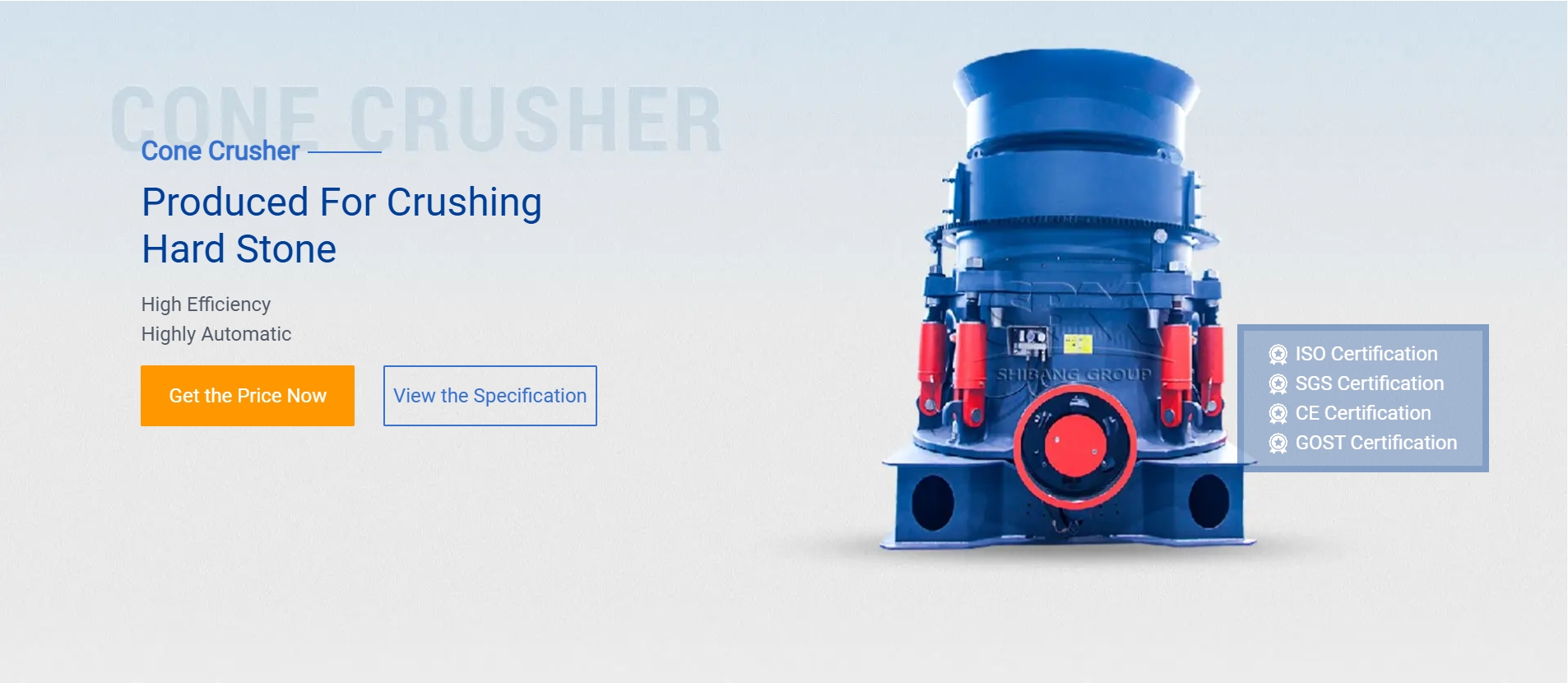
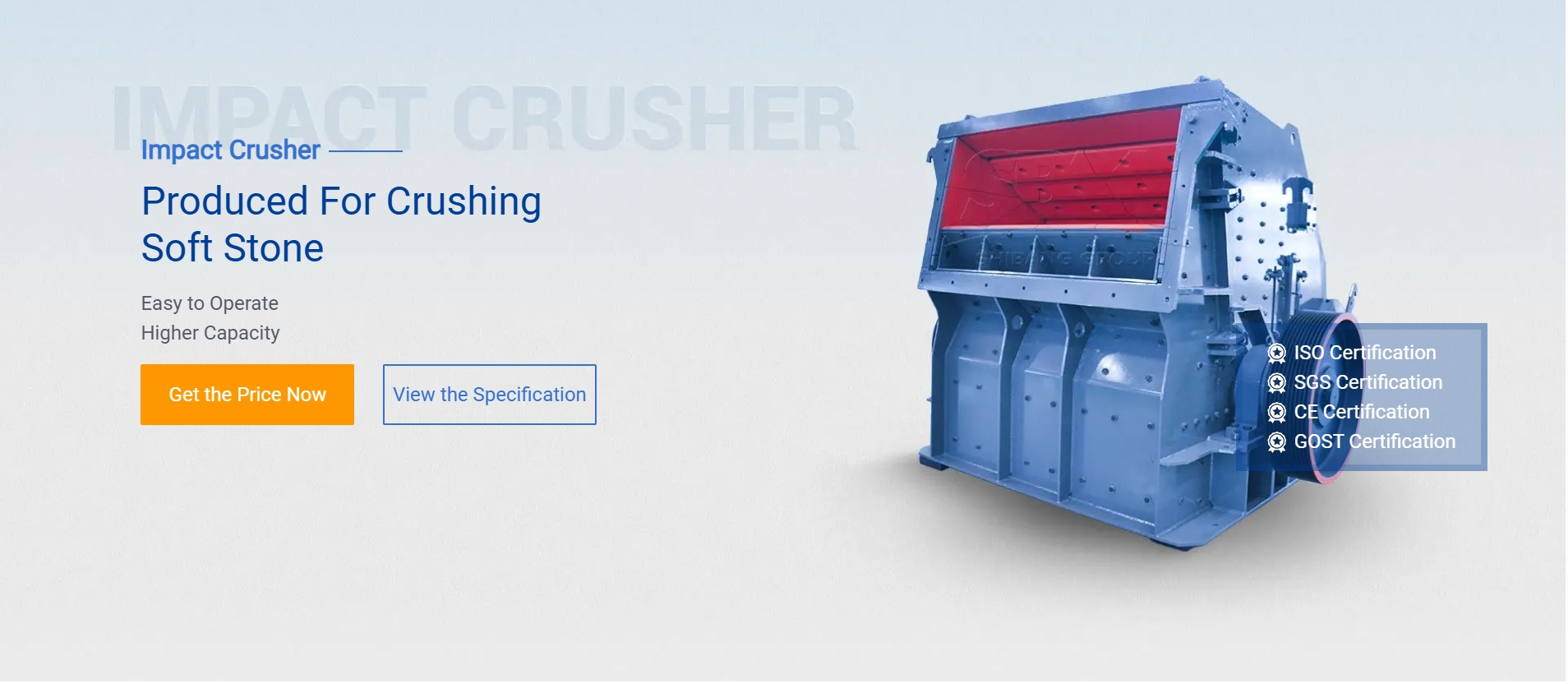
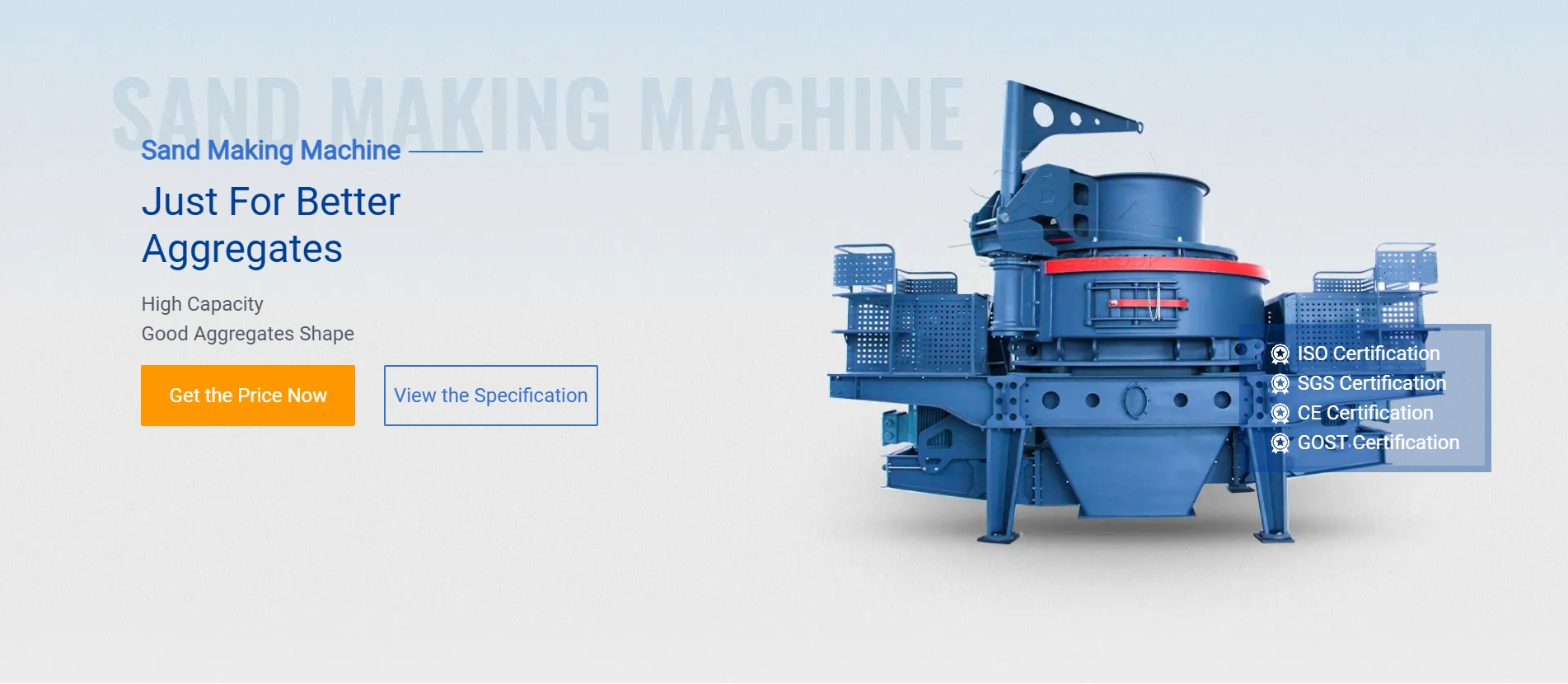
The most common rock crusher categories in China include jaw crushers (for primary crushing), cone crushers (for secondary/tertiary crushing), impact crushers (for softer materials or shaping), and hammer crushers (for smaller-scale operations). For a small to medium-sized jaw crusher with an inlet size of around 600×900 mm and a capacity of 50–100 tons per hour, prices generally range from $15,000 to $40,000 USD FOB (Free on Board) from Chinese ports. Larger models with capacities above 300 tph can exceed $100,000. Cone crushers are more expensive due to their complex hydraulic systems; a standard spring cone crusher might cost between $30,000 and $80,000, while multi-cylinder hydraulic cone crushers often reach $120,000–$250,000. Impact crushers fall in a similar bracket: horizontal shaft impactors (HSI) for medium-duty work are priced around $20,000–$60,000; vertical shaft impactors (VSI) used for sand making can go up to $150,000.
These figures are based on publicly available quotations from major Chinese manufacturers such as Shibang Industry & Technology Group Co., Ltd., Zhengzhou Yifan Machinery Co., Ltd., Henan Liming Heavy Industry Science & Technology Co., Ltd., and Shanghai Zenith Mining and Construction Machinery Co., Ltd. Prices fluctuate with raw material costs—especially steel—and exchange rates..jpg)
Key Factors Influencing Price
-
Brand Reputation and Quality Control: Well-known brands that have invested in ISO certification and international distribution networks command higher prices because they offer better consistency in metallurgy and assembly tolerances. Lesser-known factories may undercut prices by 20–30% but often use lower-grade steel or simpler casting processes that reduce wear life.
-
Capacity and Automation Level: Larger throughput requires heavier frames, bigger motors (often 200–400 kW), more robust bearings, and sometimes PLC-based control systems. Fully automated plants with remote monitoring add another 10–15% to the base machine cost.
-
Wear Parts Availability: Chinese manufacturers typically use locally sourced manganese steel liners or blow bars that are cheaper than imported equivalents but may wear faster in abrasive applications like granite or basalt crushing. Some premium Chinese brands now offer chrome-moly alloy options at a surcharge.
-
Shipping and Customs: Since most buyers import these machines via sea freight from Shanghai or Ningbo ports to destinations like Africa, Southeast Asia or South America—the FOB price is only part of the story. Ocean freight for a single 40-tonne unit can add $5,000–$15,000 depending on distance; customs duties vary by country (e.g., India imposes ~7.5% duty on mining machinery).
-
After-Sales Service: Chinese suppliers often include one-year warranty on mechanical parts but charge extra for onsite installation supervision ($200–$500 per day plus travel expenses). Spare parts availability is generally good because many factories stock common components; however lead times for non-standard parts can be 4–8 weeks.
Market Trends
As of mid-2025 the Chinese rock crusher market remains highly competitive due to overcapacity in the domestic construction sector following the slowdown in real estate development since 2022. Many factories have shifted focus to export markets—particularly Africa where infrastructure projects are booming—leading to aggressive pricing strategies especially for mobile crushing plants mounted on trailers or tracks which typically cost $80k–$300k depending on configuration..jpg)
Another notable trend is the rise of electric-powered versus diesel-powered units: electric models are cheaper upfront ($10k–$20k less) but require reliable grid access; diesel units remain popular in remote mining sites despite higher fuel costs.
Conclusion
To summarize: China offers rock crushers at significantly lower initial purchase prices compared to European or American counterparts—but buyers must evaluate total lifecycle costs including shipping duties consumables maintenance downtime risks before making procurement decisions The best approach is request detailed quotations from at least three reputable suppliers specifying required output size material hardness operating hours per year then compare not just FOB prices but also wear part replacement intervals energy consumption per ton crushed Finally always verify factory credentials through third-party inspection agencies like SGS or Bureau Veritas before placing large orders