
Birbhum Stone Mines and Crushing Units: An Overview of Operations, Regulation, and Environmental Impact
The stone mining and crushing industry in Birbhum district, West Bengal, represents a significant but environmentally contentious economic activity, directly employing thousands of workers and supplying construction materials to a large regional market. The district’s hard rock deposits, primarily granite and basalt, are extracted through open-cast mining and processed in numerous crushing units that produce aggregates of various sizes. While these operations generate substantial employment and contribute to local revenue, they are consistently linked to severe environmental degradation, including air and water pollution, deforestation, and occupational health hazards. The sector operates under a complex regulatory framework involving state and central environmental agencies, yet enforcement remains inconsistent, leading to widespread illegal mining and non-compliance with safety standards.
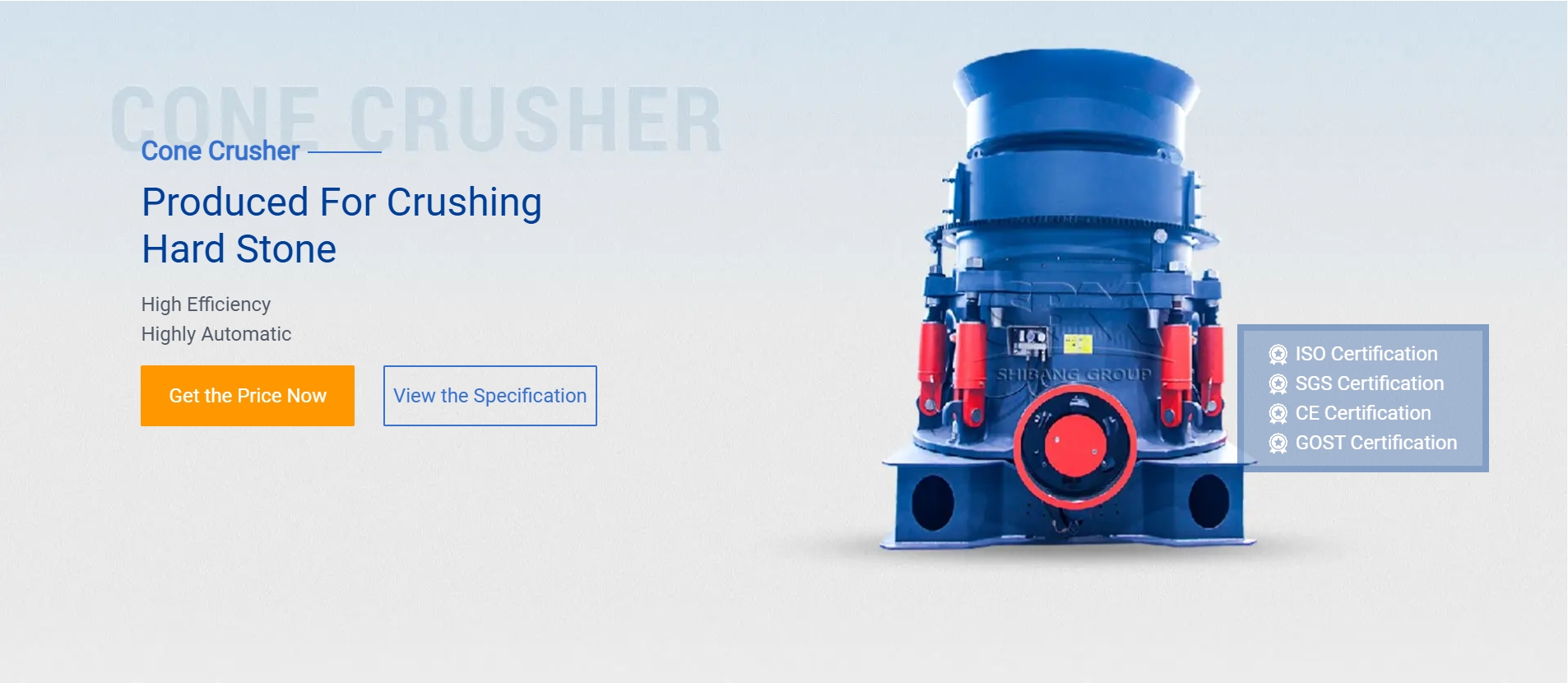
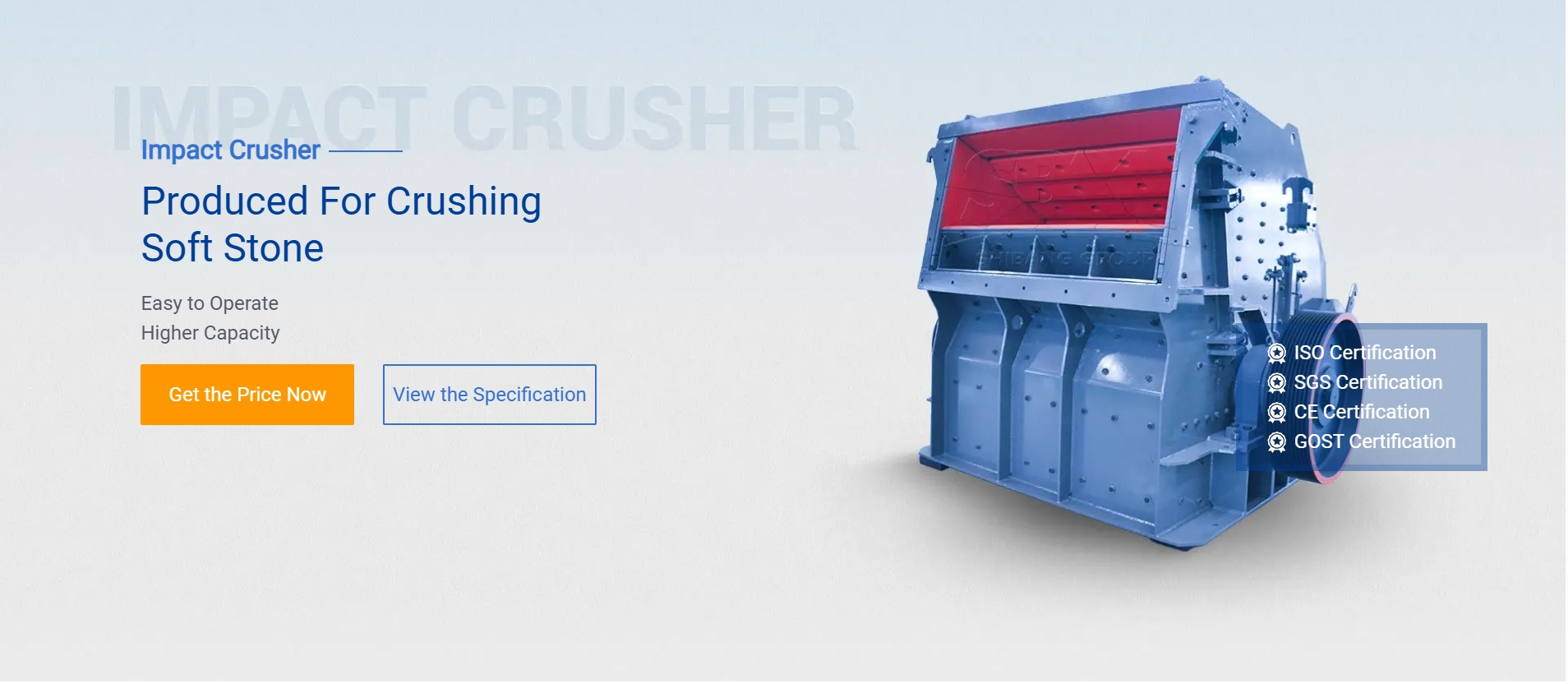
The geological composition of Birbhum makes it one of the key sources of stone aggregates in eastern India. Deposits are concentrated in blocks such as Rampurhat, Nalhati, and Murarai, where exposed granite outcrops allow for relatively low-cost extraction. According to data from the West Bengal Mineral Development and Trading Corporation, the district accounts for a substantial share of the state’s crushed stone production. Mining is typically carried out using drilling and blasting techniques, followed by mechanical crushing in units that range from small, family-run operations to larger industrial plants. The final products—stone chips of 6 mm, 10 mm, 20 mm, and 40 mm sizes—are primarily used in road construction, concrete production, and building foundations across West Bengal and neighboring states like Jharkhand and Bihar..jpg)
Employment in this sector is predominantly informal. A 2019 study published in the Journal of Occupational and Environmental Medicine found that over 60% of workers in Birbhum’s stone mines and crushing units are migrant laborers from poorer districts or neighboring states, working without formal contracts, social security, or adequate protective equipment. Women constitute a significant portion of the workforce, particularly in manual stone sorting and loading tasks, often earning wages 20–30% lower than their male counterparts for similar work. Child labor, though officially prohibited, has been documented in smaller, unregistered crushing units. The lack of proper mechanization in many smaller facilities means that workers are frequently exposed to high levels of respirable crystalline silica dust, which causes silicosis—a progressive, incurable lung disease. A 2021 survey by the Birbhum District Health Department reported that 15–20% of screened mine workers showed early signs of silicosis, though underdiagnosis is believed to be widespread.
Environmental regulation of the sector is primarily governed by the West Bengal Minor Mineral Rules, 2016, and the Environment Protection Act, 1986. All mines and crushing units are required to obtain consent from the West Bengal Pollution Control Board (WBPCB) and comply with emission standards for particulate matter. Crushing units must install water sprinklers, dust extraction systems, and acoustic enclosures to mitigate dust and noise pollution. In practice, however, compliance is uneven. A 2022 inspection report by the WBPCB covering 45 crushing units in Rampurhat block found that only 12 had functional dust suppression systems, and 28 were operating without valid consent. Unauthorized mining—operations without approved mining plans or beyond lease boundaries—is frequently reported in local media, particularly in forested areas and near riverbeds, where extraction damages riparian ecosystems..jpg)
The environmental consequences are measurable. Air quality monitoring conducted by the Central Pollution Control Board in 2020 recorded PM10 concentrations exceeding 300 µg/m³ in villages within 1 km of active crushing clusters, compared to a national standard of 100 µg/m³. This particulate load is composed largely of stone dust, which settles on surrounding vegetation, reducing crop yields in adjacent agricultural land. A study by the Department of Environmental Science, Visva-Bharati University, documented a 40% decline in soil productivity in fields within 500 meters of crushing units over a five-year period. Water bodies in mining areas show elevated total suspended solids and turbidity due to runoff from mined areas and washing of aggregates. Groundwater levels in intensively mined blocks have dropped by an estimated 1.5–2 meters over the last decade, partly due to dewatering required for open-cast operations.
Legal and administrative responses have been mixed. The National Green Tribunal (NGT) has intervened multiple times, issuing orders to halt illegal mining and to enforce the closure of units operating without environmental clearance. In 2021, the NGT directed the West Bengal government to prepare a district-wide action plan for the stone mining sector, which was submitted but has seen limited implementation. Local resistance has emerged through public interest litigations and grassroots campaigns, particularly from farmers and village councils affected by dust and water depletion. In 2023, the Birbhum District Administration launched a crackdown, sealing 17 illegal crushing units and imposing fines totaling ₹1.2 crore. However, industry insiders note that many of these units quickly resumed operations under different ownership or at alternate locations.
In conclusion, Birbhum’s stone mines and crushing units occupy a contested space between economic necessity and environmental sustainability. The sector provides livelihoods for thousands of low-skilled workers in a region with limited industrial alternatives, yet it does so at high human and ecological costs. Effective regulation is hampered by resource constraints, corruption, and the political influence of mine owners. Without significant investment in cleaner technology, stricter enforcement of existing laws, and alternative livelihood programs for affected communities, the pattern of degradation and disease is likely to persist. Any sustainable solution will require coordinated action from the state government, local authorities, industry associations, and labor unions, grounded in transparent monitoring and genuine community participation.