Mobile crushers have become a standard solution for crushing phosphate ore in open-pit mining operations, offering significant advantages in mobility, cost efficiency, and environmental compliance compared to stationary plants. Their ability to be relocated directly to the mining face reduces haulage distances, lowers fuel consumption, and minimizes dust and noise emissions, making them particularly suitable for remote or ecologically sensitive phosphate deposits. This article examines the technical considerations, operational benefits, and typical configurations of mobile crushers used in phosphate ore processing.
Phosphate ore is typically extracted from sedimentary deposits using open-pit methods. The run-of-mine ore often contains large boulders up to 1.5 meters in diameter and requires primary crushing before further beneficiation. Traditional stationary crushers require extensive civil works, conveyors, and long-term site preparation. In contrast, mobile crushers—mounted on tracked or wheeled chassis—can be deployed rapidly and repositioned as the mining face advances. This flexibility is critical for phosphate mines where ore bodies are often stratified or scattered over large areas..jpg)
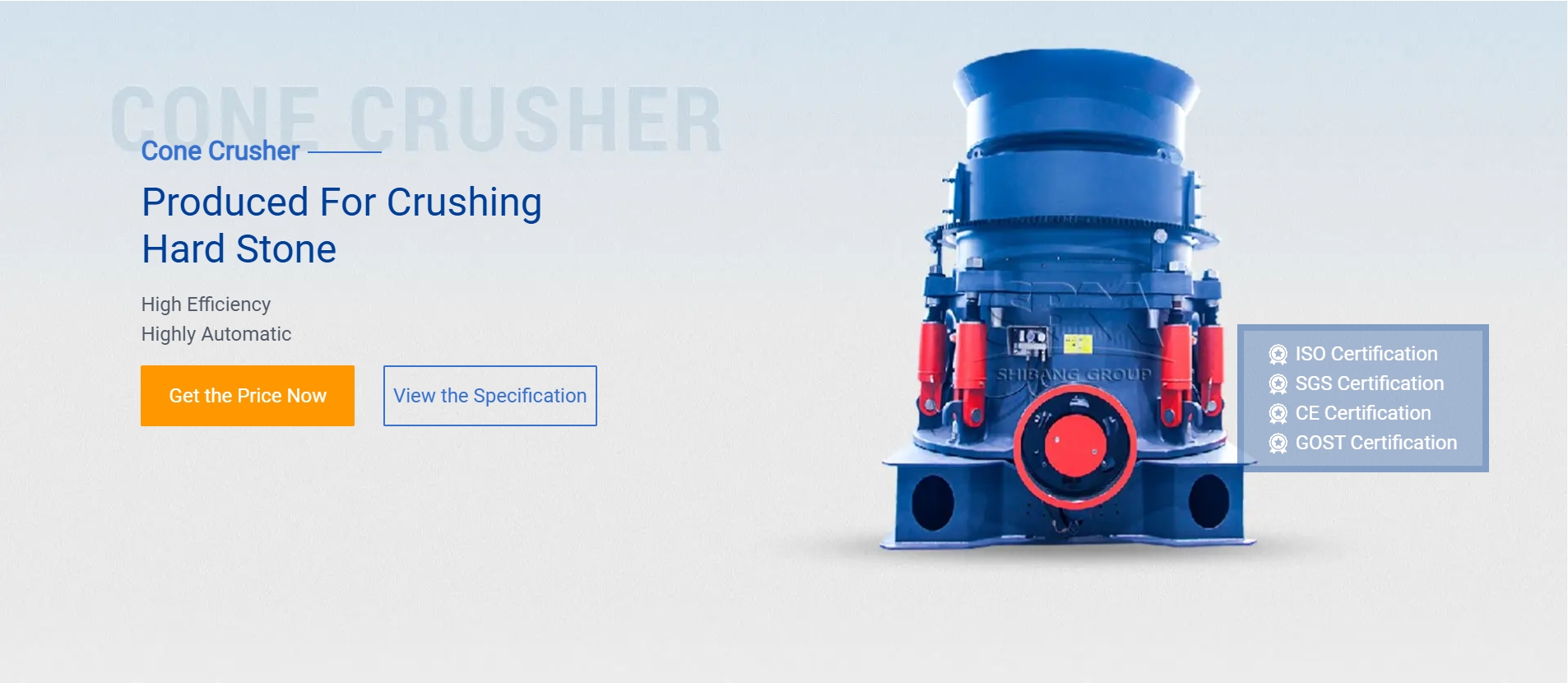
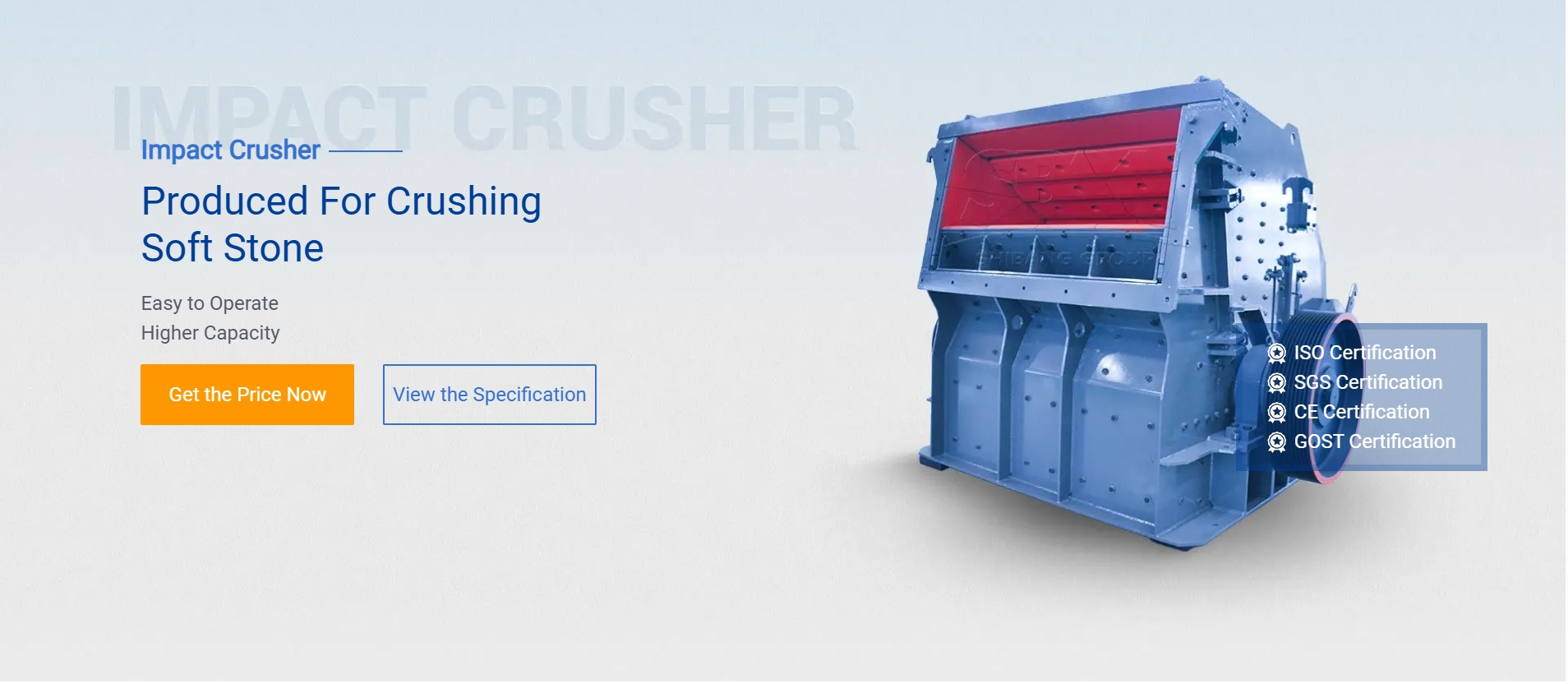
The most common mobile crusher type for phosphate ore is the jaw crusher combined with a vibrating feeder and a discharge conveyor. Jaw crushers are well-suited for hard, abrasive materials like phosphate rock (Mohs hardness 5–6) because they provide high reduction ratios (up to 6:1) and can handle feed sizes exceeding 1 meter. For secondary or tertiary crushing stages, cone crushers or impact crushers may be integrated into a mobile plant depending on the desired product size (typically 0–50 mm for downstream grinding). Some modern mobile units incorporate pre-screening systems that remove fines before crushing, reducing wear and improving overall efficiency..jpg)
Operational data from several large-scale phosphate mines in North Africa and the Middle East indicate that mobile crushers can reduce haulage costs by 30–50% compared to fixed plants. For example, a mine producing 2 million tonnes per year of phosphate rock might use three mobile jaw crusher units operating at capacities of 400–600 t/h each. These units are powered by diesel engines (typically 300–500 kW) with hydraulic drives for mobility; some models now offer hybrid electric options that lower carbon emissions when grid power is available nearby.
Maintenance considerations are important because phosphate ore can contain clay-like impurities that cause clogging in screens and chutes. Mobile plants must be designed with easy-access cleanout ports and robust dust suppression systems (water sprays or fogging) to comply with health regulations regarding respirable crystalline silica dust. Additionally, the corrosive nature of some phosphate ores (due to fluoride content) requires wear-resistant liners made of manganese steel or ceramic composites.
Environmental regulations increasingly favor mobile solutions because they eliminate the need for permanent concrete foundations and long conveyor corridors that disrupt local ecosystems. After mining a specific zone is completed, the entire crushing unit can be moved without leaving behind significant infrastructure—a key advantage when rehabilitating mined land.
In conclusion, mobile crushers offer a proven technology for efficient primary crushing of phosphate ore while reducing capital expenditure on fixed installations and lowering operational costs through reduced haulage distances. Their adaptability to varying mine layouts makes them indispensable in modern open-pit phosphate operations where agility and environmental stewardship are paramount.