Quarry crusher output sizes are determined primarily by the type of crusher, its closed-side setting (CSS), and the characteristics of the feed material. In practice, primary jaw crushers typically produce material ranging from 100 mm to 300 mm, while secondary cone crushers can be adjusted to deliver products between 10 mm and 50 mm. Tertiary impact crushers often yield finer fractions from 0 mm to 40 mm, with a high percentage of cubical particles. The specific output size for any given operation is not a fixed number but a range that can be tightly controlled through proper machine selection, setting adjustment, and screening.
Jaw crushers are the most common primary crushers in quarries. Their output size is governed by the gap between the fixed and moving jaws at the discharge point—the CSS. A typical jaw crusher with a CSS of 100 mm will produce a product where about 80% passes through a square mesh of roughly twice that setting (around 200 mm). The actual distribution depends on rock hardness and feed gradation. For example, hard granite yields more fines than soft limestone under the same setting. Most quarry operators use jaw crushers to reduce run-of-mine material (often up to 1 m in diameter) down to a manageable size for subsequent crushing stages. Common output sizes for primary jaws range from 150–300 mm for coarse applications down to 75–150 mm when feeding into smaller secondary units.
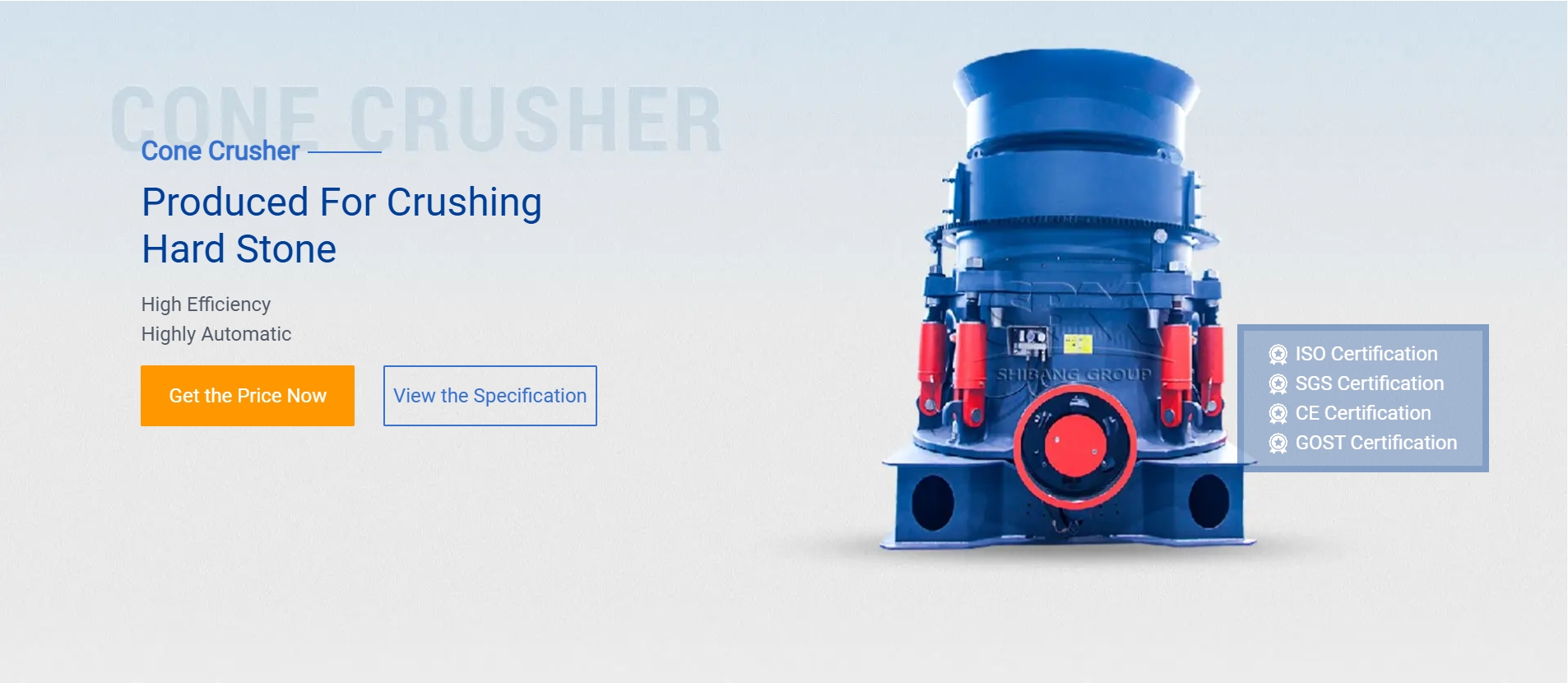
Cone crushers are widely used in secondary and tertiary roles because they offer excellent control over product size. By adjusting the CSS (the distance between mantle and concave at their closest point), operators can produce outputs as fine as 6–10 mm or as coarse as 50–60 mm. For instance, a standard cone running at a CSS of 25 mm will typically generate a product where about 70% passes through a square mesh equal to that setting, with most particles falling between 20–40 mm. Fine crushing cones can achieve even tighter distributions—down to minus‑12 mm with proper chamber configuration—but at reduced throughput. The key advantage of cones is their ability to maintain consistent sizing over long periods, provided wear parts are monitored and replaced regularly..jpg)
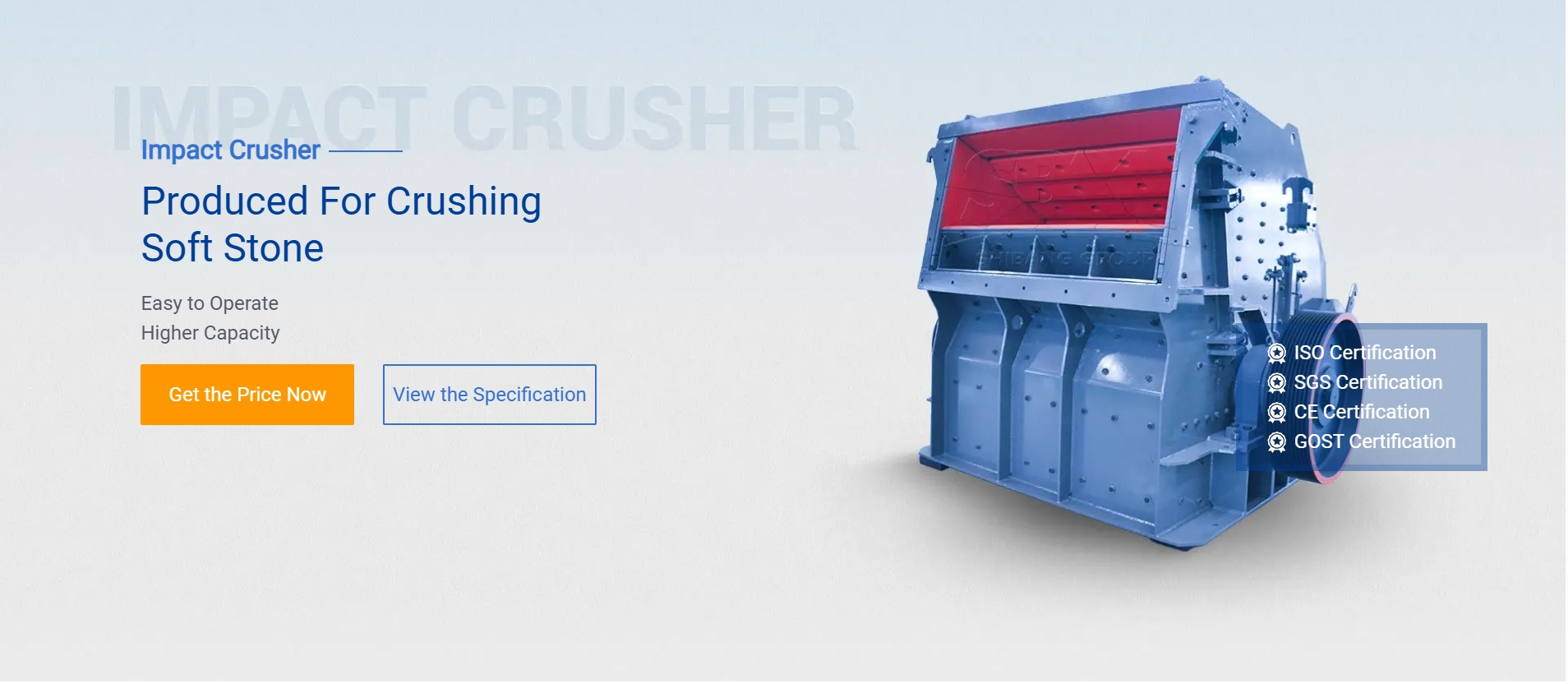
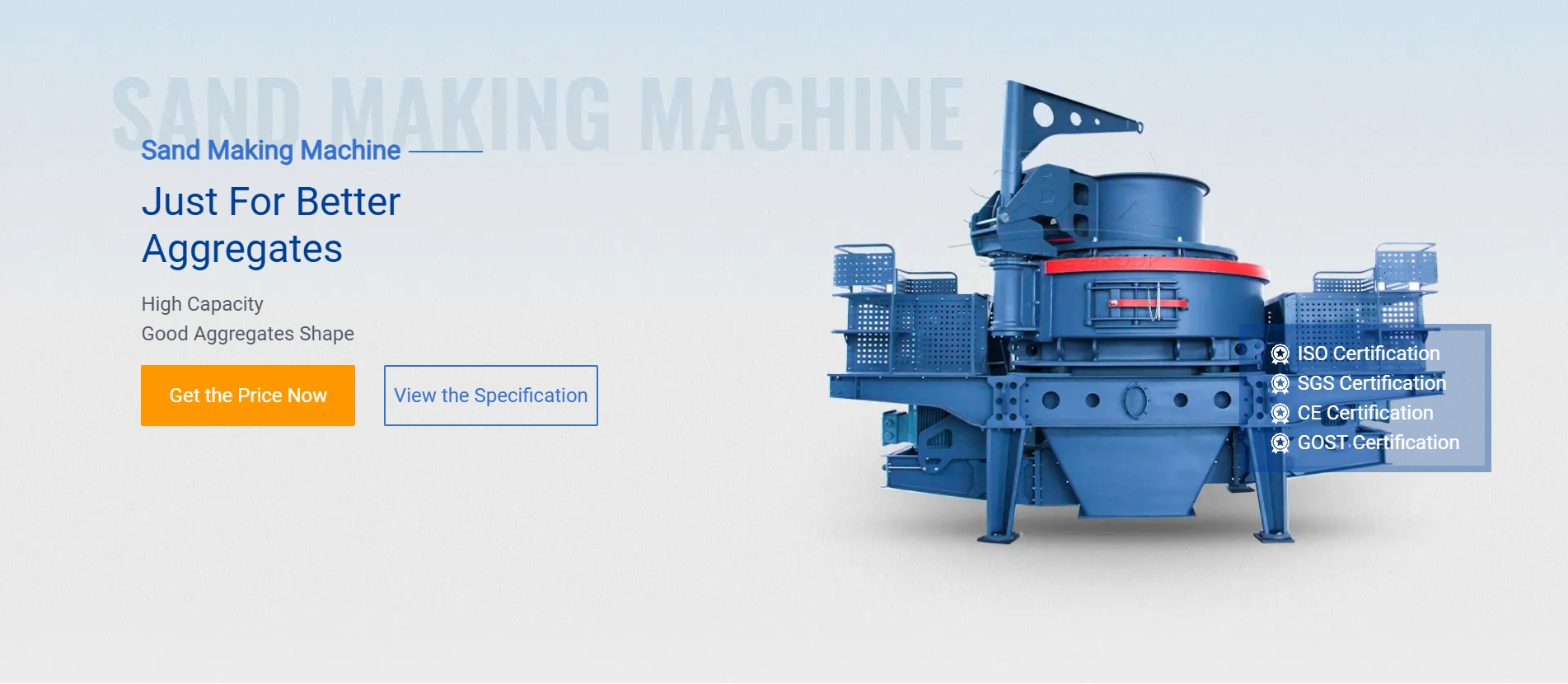
Impact crushers—both horizontal shaft impactors (HSI) and vertical shaft impactors (VSI)—produce different size distributions compared to compression-based machines. HSI units are often used in secondary or tertiary applications where cubical shape is important for concrete aggregates. Their output size is controlled by rotor speed, breaker plate settings, and apron gap adjustments. Typical HSI products range from dust up to about 40–50 mm; many quarries set them to produce minus‑32 mm or minus‑20 mm base course material. VSI crushers excel at making fine aggregates (0–5 mm) and manufactured sand by throwing rock against rock or anvils at high velocity. Output sizes from VSIs can be tuned from less than 1 mm up to around 15–20 mm by varying rotor tip speed and cascade ratio.
Several factors beyond machine type influence actual output sizes in real-world operations:
- Feed material properties: Hardness, abrasiveness, moisture content, and clay content all affect breakage patterns. Wet or sticky materials tend to clog screens and reduce effective sizing.
- Wear condition: As manganese liners wear in jaws or cones, the effective CSS increases gradually unless compensated by adjustment mechanisms or replacement.
- Closed-circuit operation: Most modern quarries use vibrating screens after each crushing stage to separate oversize material that returns for re-crushing (closed circuit). This ensures final product meets tight specifications—for example, producing exactly minus‑20mm road base with less than 5% passing 0.075mm.
- Crushing stages: A typical three-stage plant might have primary jaw → secondary cone → tertiary VSI/cone/hammer mill depending on desired final sizes.
For construction aggregates common specifications include:.jpg)
- Coarse aggregate: typically between 4 mm and 20 mm (e.g., #57 stone)
- Base course: up to 37 mm
- Riprap: larger pieces >200 mm
Each requires specific crusher settings and often multiple passes through different machines.
In summary, quarry operators cannot rely on one universal “output size” for any given crusher model; instead they must match machine type with target gradation curves through careful CSS adjustment and screening efficiency monitoring experienced personnel perform daily checks using test sieves or automated particle analyzers ensuring consistent quality across shifts