Trailer-Mounted Screens and Impact Crushers: Mobility Meets Performance in Modern Aggregate Processing
The demand for efficient, flexible, and cost-effective crushing and screening solutions has led to the widespread adoption of trailer-mounted mobile plants. Among these, the combination of a trailer-mounted screen and a trailer-mounted impact crusher represents a particularly powerful and versatile setup for a wide range of aggregate and recycling applications.
The Rationale Behind Trailer-Mounting
The primary advantage of the trailer-mounted design is rapid mobility. Unlike larger, tracked carriers, these units are designed to be transported between sites using standard prime movers (semi-trucks) without requiring special permits in most configurations. This makes them ideal for contract crushing, smaller-scale projects, or multi-site operations where setup and teardown speed are critical. The design typically incorporates integrated jack legs for quick stabilization at the job site.
Trailer-Mounted Horizontal Screen
The screening unit in this pairing is often a horizontal screen mounted on a single- or double-axle trailer. Horizontal screens are favored for their aggressive screening action and high capacity..jpg)
- Application: Its primary role is to scalp feed material before it reaches the crusher (removing fines to reduce crusher load) and/or to size the final product after crushing. In closed-circuit operations with an impact crusher, it receives the crusher’s output, separates material into specified sizes (e.g., 0-5mm, 5-20mm), and returns oversized material back to the crusher for further reduction.
- Key Features: These units commonly feature two or three decks, allowing for the simultaneous production of multiple graded products. Vibrating mechanisms are typically high-frequency to handle abrasive materials like stone and recycled concrete effectively. Conveyors are integrated for stockpiling products or feeding the crusher.
Trailer-Mounted Impact Crusher
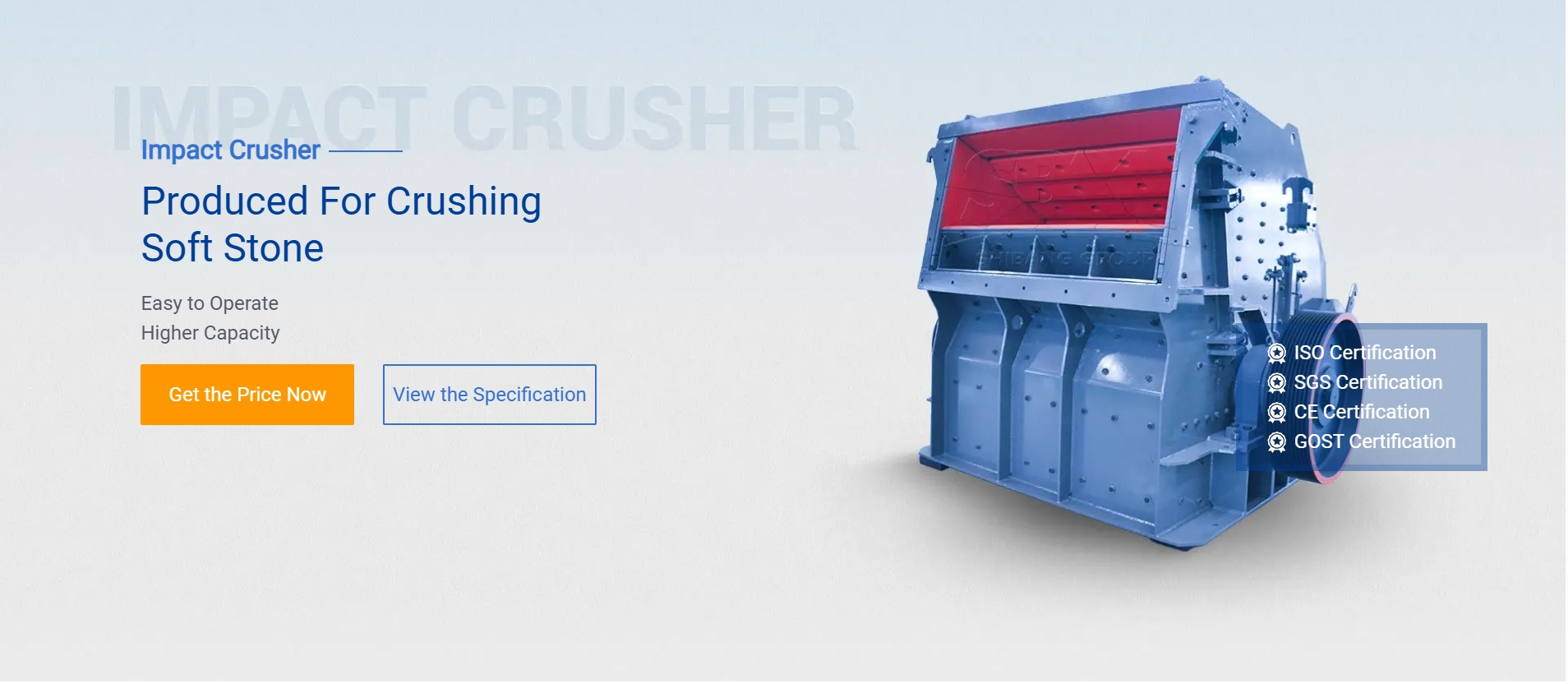
The heart of this system is the trailer-mounted impact crusher. Impact crushers are chosen for their excellent cubical product shape and high reduction ratios.
- Technology: They utilize impact force to break material. A high-speed rotor with fixed blow bars hurls feed material against adjustable aprons (breaker plates), causing it to fracture along natural cleavage lines. This process yields a well-shaped end product highly valued in asphalt and concrete production.
- Versatility: Modern trailer-mounted impact crushers often feature hydraulic adjustment of aprons and variable rotor speeds. This allows operators to fine-tune the product size without changing physical components, making them suitable for processing both virgin rock (limestone, sandstone) and recycled materials like demolition concrete or asphalt.
- Design Integration: The crusher is mounted on a robust trailer frame alongside its own feed hopper (often with a grizzly feeder) and discharge conveyor. The discharge conveyor is designed to swing out radially to stockpile material or feed directly into the screen’s hopper.
Operational Synergy in Practice
A typical setup involves feeding raw material (e.g., shot rock, demolition debris) into the screen first. The screen removes dirt, sand, or small-sized product. The oversize material is then conveyed to the impact crusher’s feed hopper. The crushed output from the impactor is either stockpiled directly or, more commonly, conveyed back to the screen for precise sizing in a closed-loop circuit.
This configuration offers several proven benefits:.jpg)
- Rapid Deployment: Both units can be on-site and operational within hours of arrival.
- Flexible Circuit Design: They can operate as independent units on separate tasks or be linked together seamlessly.
- High-Quality Output: The impact crusher produces cubical aggregate, while the screen ensures precise gradation.
- Cost Efficiency: It reduces or eliminates need for multiple machines (like wheel loaders) to move material between fixed-position units, lowering fuel consumption and operational costs per ton.
In conclusion, pairing a trailer-mounted horizontal screen with a trailer-mounted impact crusher creates a highly mobile yet fully functional crushing circuit. This combination directly addresses core industry needs: moving quickly between job sites, adapting to various feed materials, and producing specification-grade aggregates efficiently. Its prevalence in rental fleets and among contracting companies underscores its practical effectiveness in today’s dynamic aggregate processing market