Machinery for Crushing Raw Silica
Silica, primarily in the form of quartz, is one of the most abundant minerals on Earth. Its processing begins with the crushing of raw ore or extracted rock into specific size fractions required for various industries like glassmaking, foundries, ceramics, and electronics. The selection of crushing machinery is critical and depends on the feed size, desired product size, silica content, abrasiveness, and the presence of impurities. The process is typically multi-stage, utilizing different types of crushers in sequence..jpg)
Primary Crushing: Jaw Crushers
The first stage involves reducing large, raw silica rock (which can be up to 1 meter or more in diameter) to a manageable size, typically below 200 mm. Jaw Crushers are almost universally employed for this duty. Their robust design features a fixed and a moving jaw plate that creates a compressive “chewing” action. For silica—a highly abrasive material—the jaw plates are lined with manganese steel or other wear-resistant alloys. The key advantage here is their high reliability and ability to handle hard, tough feed with minimal fines generation at this stage. According to industry handbooks like Mineral Processing Design and Operations, the choice between a double-toggle or overhead eccentric jaw crusher often hinges on capacity requirements and the nature of the silica deposit.
Secondary Crushing: Cone Crushers
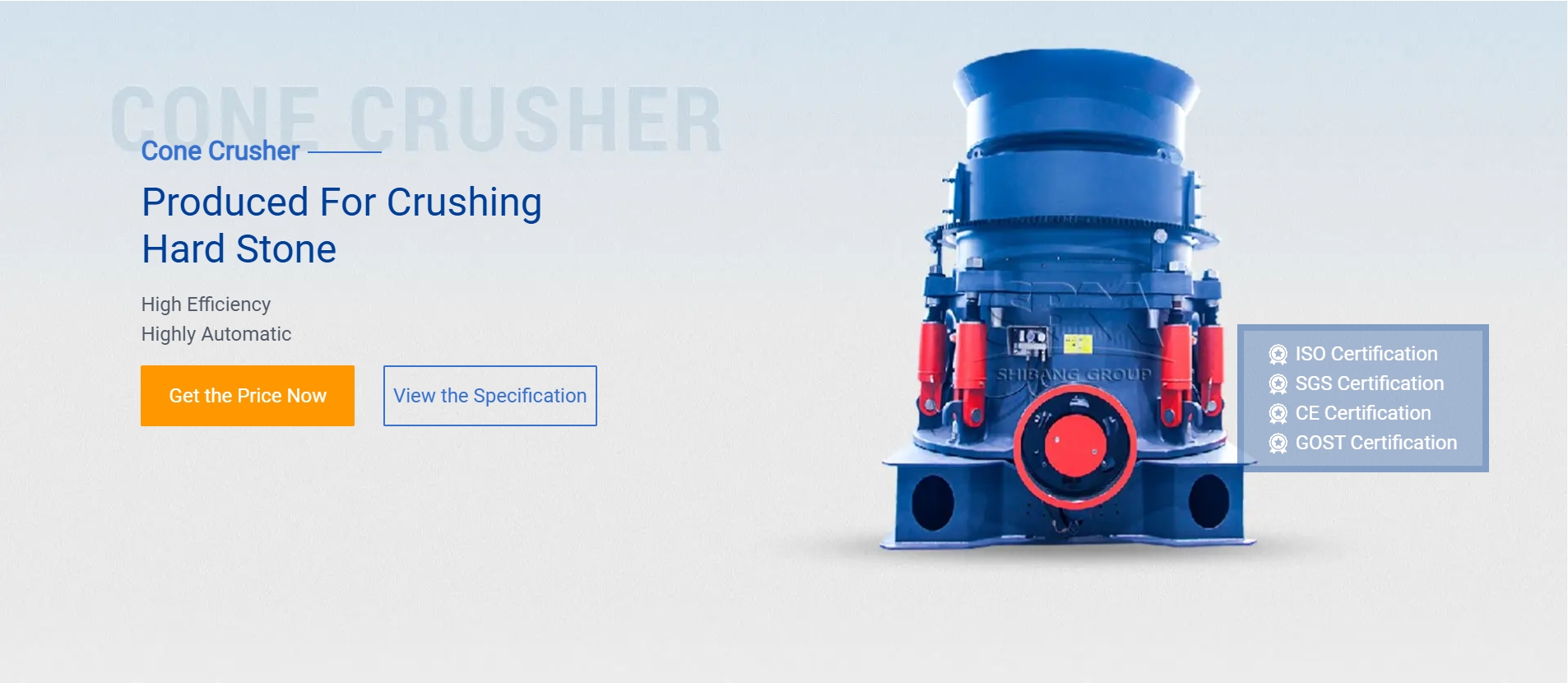
Output from the jaw crusher is then fed to Cone Crushers for further reduction, usually to sizes below 50 mm. Cone crushers operate on a similar principle of compression crushing but provide continuous operation and better control over product size. The material is crushed between a gyrating mantle and a stationary concave liner. For abrasive silica, specially designed liners with optimized chamber profiles are used to balance wear life and product shape. Hydrocone-type crushers offer adjustable settings under load, allowing operators to maintain consistent output size even as wear parts degrade—a crucial factor for downstream processing consistency.
Tertiary/Fine Crushing: Vertical Shaft Impactors (VSIs) or High-Pressure Grinding Rolls (HPGR)
When finer products are required (e.g., for high-purity glass sands), a third stage is necessary..jpg)
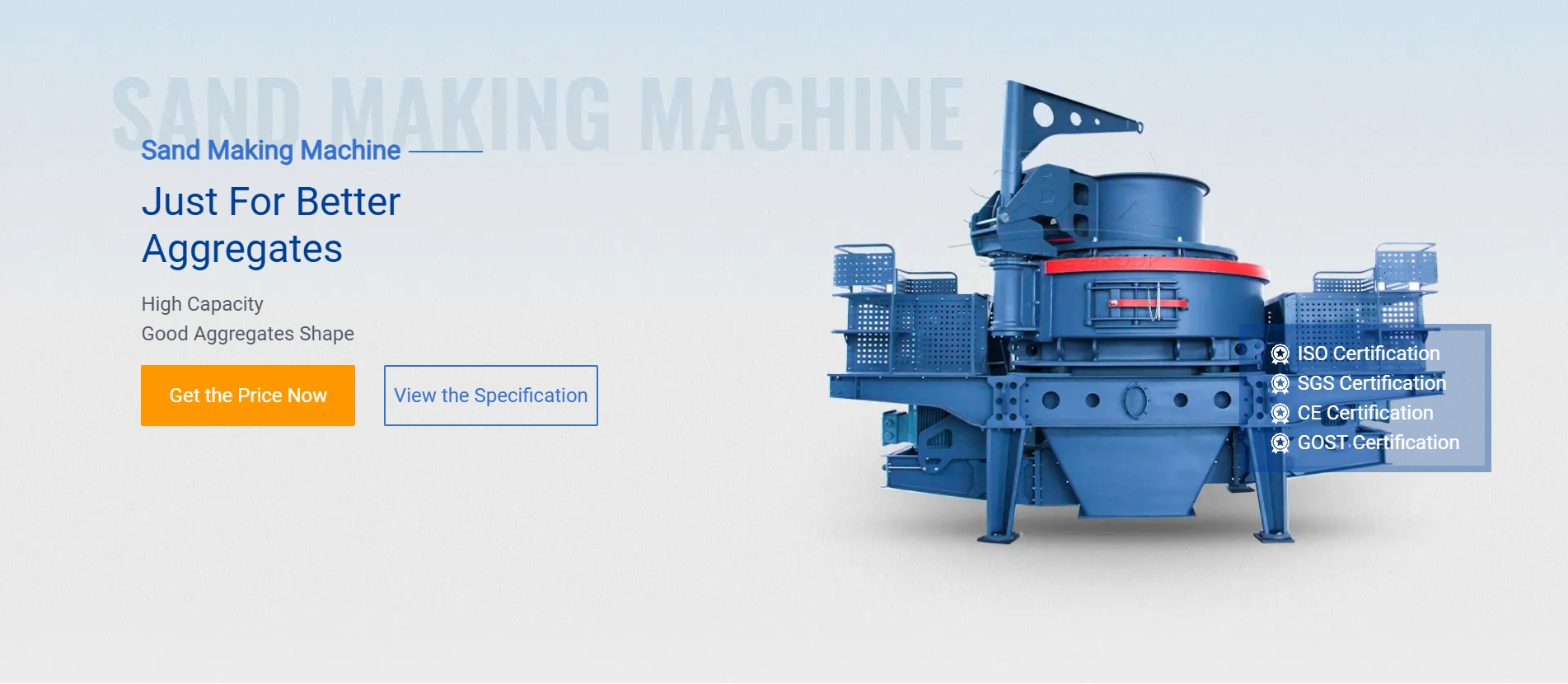
- Vertical Shaft Impactors (VSIs) are commonly used. They employ a high-speed rotor that throws feed material against anvils or rock-lined chambers, utilizing “rock-on-rock” impact or “rock-on-anvil” breakage. This action is highly effective for shaping particles, producing cubical grains desirable for industrial applications, and liberating silica from softer impurities through selective fragmentation.
- High-Pressure Grinding Rolls (HPGR) represent an alternative technology gaining traction. They crush feed material between two counter-rotating rolls under extremely high pressure. Studies published in journals such as Minerals Engineering indicate HPGRs offer advantages in energy efficiency (compared to traditional circuits) and generate micro-cracks within particles, which can improve downstream liberation and grinding efficiency if further size reduction is needed.
Critical Considerations for Silica
- Wear: Silica’s abrasiveness is the primary challenge. Machinery selection prioritizes designs with accessible wear parts made from hardened metals or composite alloys. Liner life directly impacts operational cost.
- Contamination: Maintaining product purity is paramount. Crushers must be designed to minimize iron contamination from worn metal parts. This often dictates the use of ceramic or special alloy liners at fine crushing stages and may involve installing external magnetic separators after each crushing unit.
- Dust Control: Silica dust poses a serious health hazard (silicosis). All crushing stages must be enclosed and integrated with sophisticated dust collection systems (baghouses) to protect workers and meet stringent occupational exposure limits.
- Circuit Design: A typical flow involves screening after each stage to remove sized product (“scalping”) and ensure efficient operation by preventing already-sized material from circulating back through the crusher.
In summary, crushing raw silica is a systematic process engineered around its physical properties. The standard progression from rugged jaw crushers through precise cone crushers to shaping VSIs or efficient HPGRs reflects an industry-standard approach focused on managing wear, controlling product specification, ensuring operator safety, and optimizing overall plant efficiency