Table of Contents
- Maximizing Sand Recovery and Purity: How Our Machinery Elevates Plant Output
- Engineered for Extreme Loads: The Structural Integrity of Our Sand Washing Systems
- Adaptable to Diverse Material Types: Customizable Solutions for Your Specific Needs
- Optimizing Water and Energy Use: Sustainable Efficiency in Sand Processing
- Seamless Integration with Existing Plants: Streamlined Setup and Operation
- Proven Durability and Low Maintenance: Long-Term Reliability for Continuous Production
- Frequently Asked Questions
- How often should wear parts be replaced in sand washing machinery?
- How does sand washer performance vary with different ore hardness?
- What are the critical vibration control points in a sand washing screw?
- What is the recommended lubrication protocol for a heavy-duty sand washing plant?
- How to adjust a sand washer for varying feed gradation and clay content?
- What are the signs of imminent bearing failure in the dewatering screen?
In the heart of every modern sand making plant lies a critical, often understated component that transforms raw, dusty aggregate into a premium, specification-grade product: sand washing machinery. Far more than a simple cleaning step, this sophisticated equipment is the linchpin of quality, efficiency, and profitability. It meticulously scrubs away impurities, controls fines, and ensures optimal gradation, turning crusher output into the consistent, high-value material demanded by concrete production, asphalt mixes, and major construction projects. Without this vital process, even the most advanced crushing circuits would fall short. This exploration delves into the pivotal role of sand washing systems, examining how they elevate material quality, conserve water through advanced recycling, and ultimately unlock the full potential and economic return of your aggregate operation.
Maximizing Sand Recovery and Purity: How Our Machinery Elevates Plant Output
Effective sand washing is a process of controlled attrition and precise classification. The core challenge is not merely removing impurities, but doing so while minimizing the loss of valuable, in-specification fines and maximizing the yield of high-purity product from every ton of feed. Our machinery is engineered to resolve this efficiency paradox through robust construction and intelligent process design.
Material Integrity and Wear Resistance: The system’s longevity under abrasive loads is non-negotiable. Critical wear components—such as pump volutes, impellers, screw flight shoes, and hydrocyclone liners—are fabricated from high-chrome alloys (Cr27) or manganese steel. This specification ensures sustained performance in processing highly abrasive feeds like granite, basalt, and iron ore, maintaining critical tolerances and efficiency over extended operational campaigns.
Core Functional Advantages for Recovery & Purity:
- High-Frequency, High-G-Force Dewatering Screws: Our designs employ optimized flight geometry and high RPM motors to generate greater centrifugal force. This aggressively separates surface moisture from sand grains, producing a drier, stackable product (typically 10-15% moisture content) while simultaneously allowing finer mesh particles to be retained and recovered rather than lost in the effluent.
- Modular Hydrocyclone Batteries: For fine material recovery, we utilize banks of polyurethane-lined hydrocyclones. Their laminar flow design creates a precise particle cut-point (typically adjustable between 75µm and 150µm), efficiently separating silt and clay from valuable fine sand. This directly boosts overall yield.
- Integrated Slurry Pumps & Water Management: Matched, high-head slurry pumps with adjustable impeller clearance maintain consistent feed pressure to washing and classification units. This stability is crucial for predictable gradation and prevents the bypass of coarse contaminants into the final product.
- Adaptive Feed Capacity: Machinery is rated for specific TPH (Tons Per Hour) based on material density (e.g., 1.6t/m³ for sandstone, 1.8t/m³ for granite). The scrubbing action and tank volumes are scaled accordingly to ensure adequate retention time for clay disintegration and soil dispersion, regardless of feed hardness on the Mohs scale.
Technical Specifications & Compliance:
All equipment is designed and manufactured to international mechanical and safety standards (ISO, CE). Structural frameworks are CAD-optimized for dynamic load-bearing, and drive systems are selected with ample service factors for 24/7 operation in harsh environments.
| Model Series | Max Feed Capacity (TPH)* | Typical Product Moisture | Fine Recovery Cut-Point (microns) | Drive Power Range (kW) |
|---|---|---|---|---|
| SW-F Series (Fine Sand) | 50 – 150 | 10-12% | 75 – 100 | 30 – 75 |
| SW-C Series (Coarse Aggregate) | 100 – 300 | 8-10% | 100 – 150 | 55 – 132 |
| SW-H Series (Heavy Duty / Ore) | 200 – 500+ | 12-15% | 150 – 200 | 110 – 250 |
*Capacity is indicative and varies with material type, bulk density, and clay content.
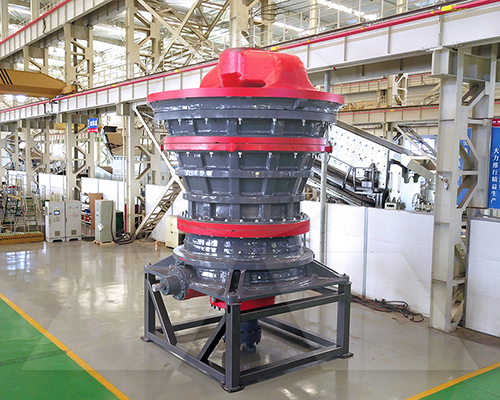
The outcome is a closed-loop washing system that elevates plant output by converting a higher percentage of raw feed into saleable product, meeting stringent ASTM C33 or equivalent specifications for concrete and mortar sand, while significantly reducing water consumption and tailings pond load.
Engineered for Extreme Loads: The Structural Integrity of Our Sand Washing Systems
The operational lifespan and total cost of ownership of a sand washing system are fundamentally determined by its structural integrity. Our machinery is engineered from the ground up to withstand the extreme, cyclical loading and abrasive wear inherent in processing high-tonnage, variable-hardness feed material. This is not a matter of simply using thicker plate; it is a calculated application of material science, precision engineering, and rigorous validation.
Core Material Philosophy & Fabrication
- Critical Wear Zone Armor: High-stress components—such as screw flighting, tank liners, and slurry pump volutes—are fabricated from premium abrasion-resistant (AR) steel alloys, often exceeding 500 BHN hardness. For the most severe applications, we specify high-grade manganese steel (Hadfield steel, 11-14% Mn) for its unique work-hardening property, where impact increases surface hardness.
- Primary Structural Framework: The main chassis, support legs, and drive bridges are constructed from high-tensile, low-alloy structural steel (e.g., S355JR/GR). This provides an optimal strength-to-weight ratio, resisting the dynamic bending moments and vibrational loads without unnecessary mass.
- Precision Fabrication & Joining: All major structural welds are performed by certified welders using submerged-arc and gas-shielded processes for deep penetration and consistency. Critical joints are 100% inspected via non-destructive testing (NDT) methods, such as magnetic particle or ultrasonic inspection, to eliminate subsurface defects.
Design Principles for Load Management
- Finite Element Analysis (FEA) Optimized: Every design undergoes iterative FEA simulation under simulated maximum load (e.g., tank fully loaded with saturated sand, drive at peak torque). This identifies and eliminates stress concentrations, ensuring uniform load distribution and preventing fatigue failure.
- Mining-Grade Drive Trains: Gear reducers are selected with a minimum service factor of 1.75 for screw drives, based on start-up under full load. Shafts are oversized and supported by heavy-duty, spherical roller bearings with triple-labyrinth seals to exclude contaminants.
- Corrosion Mitigation Strategy: Beyond standard primer and paint systems, critical areas receive additional protection through sacrificial wear plates, rubber lining, or specialized epoxy coatings tailored for alkaline or saline slurry environments.
Validated Performance & Compliance
All structural designs comply with international standards for mechanical safety and structural integrity, including ISO 12100 for risk assessment and the relevant clauses of the CE Machinery Directive. Load testing and dynamic analysis reports are part of our standard technical documentation package.
Functional Advantages of This Engineered Approach:
- Sustained High TPH Capacity: Structures maintain alignment and geometry, ensuring rated throughput (e.g., 50-500 TPH) is consistently achievable without deflection-induced downtime.
- Adaptability to Ore Hardness: The material specification can be tailored, from granite and basalt to less abrasive limestone, ensuring cost-effective wear life across different sites.
- Reduced Operational Risk: Eliminates catastrophic structural failures, protecting adjacent plant equipment and ensuring personnel safety.
- Predictable Maintenance Scheduling: Uniform wear patterns and robust construction allow for planned component replacement, minimizing unplanned stoppages.
Structural Specification Overview by Machine Type
| Component | Screw Washer (Single/Double) | Log Washer | Attrition Cell / Scrubber |
|---|---|---|---|
| Tank/Body | Fabricated from 10-16mm AR plate, reinforced external ribs. | 25-40mm thick high-strength steel shell with internal log shaft supports. | Heavy-duty cylindrical design with 15-20mm plate, stiffened for high-speed rotor forces. |
| Drive Support Bridge | Box-section design, integral with tank, houses reducer mount. | Massive twin-beam construction to handle log weight and torsional load. | Upper deck platform with dedicated motor and drive guard assembly. |
| Primary Shaft | Solid steel, diameter scaled to screw length and load. | Large-diameter tubular shaft with forged end discs for paddle attachment. | High-torque shaft designed for multiple rotor discs, dynamic balanced. |
| Key Wear Parts | Replaceable screw flights (AR400/500), Ni-Hard or polyurethane wear shoes. | Replaceable paddle tips (Mn-steel), individual tank liner plates. | Rotor discs, liner plates, and pipework in specified AR or rubber compound. |
This foundational integrity is what allows our systems to deliver not just initial performance, but decades of reliable service in the most demanding sand making and mineral processing plants.
Adaptable to Diverse Material Types: Customizable Solutions for Your Specific Needs
A core engineering challenge in sand processing is material variability. Our machinery is engineered not as a one-size-fits-all product, but as a configurable system. The design philosophy centers on modular components and material science to handle the full spectrum of feed material, from soft limestone (Mohs 3) to highly abrasive granite (Mohs 7+) and iron ore.
Material-Specific Component Engineering
The wear life and efficiency of the washing process are dictated by component material selection. We employ a graded approach:
- High-Abrasion Zones (Screw Shaft, Tank Liners): Fabricated from Ni-Cr alloy cast iron or quenched & tempered Mn-steel (14-18% Manganese). These materials work-harden under impact, providing exceptional longevity when processing crushed granite, basalt, or ferroalloy slag.
- Structural & Framework Components: Utilize high-tensile, weather-resistant steel conforming to international structural standards (ISO 630, ASTM A36), ensuring integrity in harsh, wet plant environments.
- Specialized Applications: For corrosive environments (e.g., processing sea sand, certain industrial by-products) or extreme temperature variations, stainless-steel cladding or specific alloy grades (e.g., ASTM A532) are specified.
Configurable Washing Action & Hydraulics
The washing mechanism is tuned to the material’s characteristics—clay content, particle size distribution, and specific gravity.
- Aggressive Scrub & Disaggregation: For sticky, clay-bound feed, units can be equipped with high-torque drives, reinforced paddles, and strategically placed high-pressure spray bars (operating at 5-8 Bar) to break down agglomerates without excessive particle degradation.
- Gentle Fines Recovery: For fragile materials like soft sandstone or recycled concrete fines, a combination of longer retention time in a subdued flow environment and low-pressure flooding is configured to preserve yield and prevent slime generation.
- Density Separation: For heavy mineral sands (e.g., iron ore, chromite) or recycled aggregates with lightweight contaminants, adjustable weir systems and hydraulic current control enable effective separation by specific gravity.
Capacity & Classification Precision
Throughput (TPH) and product specification are non-negotiable. Customization ensures target capacity is met without compromise.
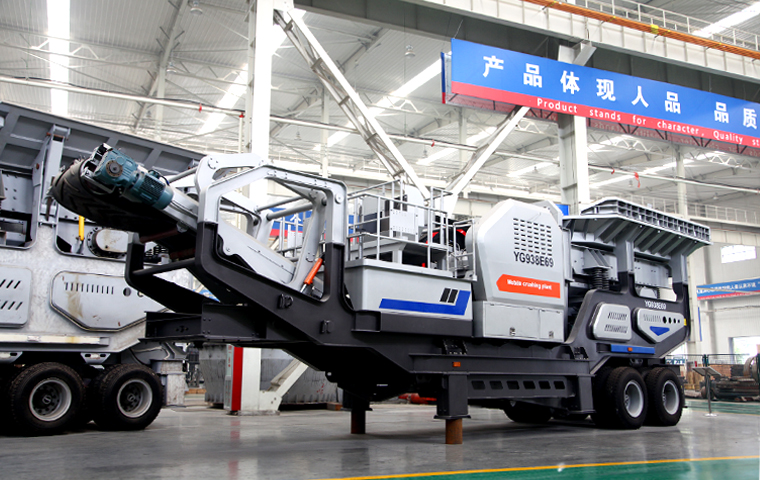
- Screw Diameter & Pitch: Selected based on feed gradation and desired dewatering rate. A coarser pitch handles larger volumes of gravel, while a finer pitch provides more precise control for fine sand.
- Screen Deck Configuration: Modular polyurethane or woven wire screen panels with specific aperture size and shape (square, slot, harp) are selected to achieve exact cut points for removing oversize or separating multiple product fractions.
- Drive & Power Systems: Gear reducer ratings and motor power (IE3/IE4 efficiency class) are calculated based on the specific gravity of the processed material and its required washing intensity, ensuring reliable operation at design capacity.
Technical Specifications for Common Material Types
The following table outlines typical configuration adaptations for key material categories.
| Material Category | Example Feed | Primary Wear Concern | Typical Component Upgrade | Key Process Adjustment |
|---|---|---|---|---|
| High-Abrasive Igneous Rock | Granite, Basalt, Trap Rock | Impact & Gouging Wear on flights | 18% Mn-Steel flight shoes & tank liners | Reduced screw speed, increased spray volume for fines liberation |
| Abrasive Industrial By-Product | Slag, Recycled Concrete | High-Silica Abrasion | Ni-Hard Alloy (500 BHN) in high-wear zones | Aggressive scrubbing with high-pressure sprays to remove coatings |
| Soft & Friable Rock | Limestone, Sandstone | Particle Attrition & Fines Generation | Standard carbon steel with PU screen panels | Gentle tumbling, reduced spray pressure, longer dewatering section |
| Heavy Mineral/Ore | Iron Ore, Silica Sand | Density & Corrosion | Stainless steel fasteners, urethane seals | Precise hydraulic current control for density separation, corrosion-resistant paint system |
| High-Clay & Sticky Material | Residual Soils, Saprolite | Choking & Agglomeration | Wide-spaced, high-clearance screw design with paddle mixers | Maximum spray bar density, possible pre-screening/scalping integration |
Compliance & Assurance
All structural and electrical system customizations are designed and documented to meet CE, ISO 9001, and relevant local mining machinery directives. Performance guarantees are based on certified feed analysis and specified operating conditions, ensuring the delivered solution is precisely engineered for your material and production goals.
Optimizing Water and Energy Use: Sustainable Efficiency in Sand Processing
The core challenge in sustainable sand processing is decoupling production efficiency from resource consumption. Modern sand washing machinery achieves this through engineered designs that target the specific energy and water losses inherent to hydraulic classification and dewatering. Sustainability is not an add-on feature but a fundamental design parameter, directly impacting operational cost and license to operate.
Material Science for Reduced Wear and Energy Loss
Abrasion is a primary source of inefficiency, increasing power draw and water consumption through frequent maintenance downtime and degraded performance. Advanced materials are critical:
- High-Chrome/Manganese Alloy Impellers & Liners: Superior to standard carbon steel, these alloys maintain their geometry and surface finish over extended periods. This ensures consistent slurry flow dynamics, preventing turbulence that wastes energy and reduces classification accuracy, leading to water-intensive reprocessing.
- Polyurethane Screen Decks & Wear Shoes: For dewatering screens and certain classifier parts, polyurethane offers exceptional abrasion resistance with reduced weight. This lowers the inertial mass the drive motor must overcome, directly reducing energy consumption per ton processed.
System Design for Water Optimization
Closed-loop water systems are the standard for responsible operations, placing greater demand on washing equipment’s efficiency.
- High-Frequency, Low-Amplitude Dewatering Screens: These units provide greater G-force for more efficient solids/liquid separation, producing a drier product and returning clearer water to the circuit. This reduces the load and size requirement for settling ponds or clarifiers.
- Hydrocyclone Classifiers with Laminar Flow Inlets: Precision-engineered feed chambers minimize turbulent entry, enhancing classification sharpness. Cleaner separation of fines from product sand reduces the need for secondary rinsing and conserves process water.
- Integrated Water Recycling Sumps: Machinery designed with efficient, baffled sumps and weirs promotes rapid settlement of coarse particles, preventing recirculation of solids that would increase pump and wear part abrasion.
Engineering for Energy Efficiency
Energy use is dominated by the motors driving pumps, drives, and conveyors. Optimization is achieved through precise engineering.
- Direct Gearbox Drives: Preferred over traditional V-belt drives for critical components like screw shaft drives, they eliminate slip losses, transmit power more efficiently (>95%), and require less maintenance, ensuring sustained optimal energy use.
- Correctly Sized Hydraulic Systems: Pumps are sized based on rigorous slurry density and total dynamic head calculations, not just flow rate. An oversized pump operates inefficiently on its curve, wasting significant energy. Matching the pump to the specific duty point is essential.
- Variable Frequency Drives (VFDs): For feed conveyors and pumps, VFDs allow motor speed to match the actual feed rate, eliminating the energy waste of running at full capacity during partial load conditions.
Technical Specifications & Sustainable Performance
The following parameters are critical for evaluating the sustainable efficiency of a sand washing system. Compliance with international standards like ISO 9001 and CE marking ensures design integrity and performance verification.
| Performance Parameter | Impact on Sustainability | Engineering Consideration |
|---|---|---|
| Specific Water Consumption (m³/tonne) | Direct measure of water use efficiency. Target: <0.5 m³/tonne for closed circuits. | Dictated by classifier efficiency, screen dewatering performance, and system sealing to prevent leaks. |
| Power Draw per TPH (kW/tonne) | Key metric for energy intensity. | Function of drive efficiency (gearbox vs. belts), motor IE rating, abrasion resistance of wear parts, and optimal component sizing. |
| Recovery Rate of Fines (+400 mesh) | High recovery reduces waste to tailings ponds and maximizes resource yield. | Dependent on cyclone design, feed pressure stability, and the use of advanced dewatering systems like fine material washers. |
| Abrasion Part Life (Hours) | Longer life reduces embodied energy of replacement parts and maintenance downtime. | Directly tied to material grade (e.g., 27% Chrome alloy vs. standard manganese) and application-specific hardening processes. |
Ultimately, sustainable efficiency is the product of selecting machinery where every component—from the alloy grade in a wear plate to the efficiency curve of a pump—is specified to minimize total lifecycle resource consumption while maintaining or increasing throughput (TPH) and product specification consistency, even with variable feed ore hardness.
Seamless Integration with Existing Plants: Streamlined Setup and Operation
Seamless integration is a critical engineering parameter, not merely a convenience. Modern sand washing machinery is designed from the ground up as a modular subsystem, ensuring physical, electrical, and control compatibility with established sand making plants. The focus is on minimizing downtime during installation and maximizing operational synergy through standardized interfaces and robust, process-aware design.
Core Integration Engineering Principles:
- Modular Chassis & Pre-Assembled Units: Key components (pump stations, hydrocyclones, dewatering screens) are supplied as pre-wired and pre-piped skids. This reduces field assembly time by up to 70% and ensures factory-calibrated alignment. Base frames are designed with universal lifting points and adaptable footprint layouts to fit common plant configurations.
- Process Flow Synchronization: The machinery’s feed hopper capacity, slurry pump flow rate (m³/h), and dewatering screen load (TPH) are engineered to match the output profile of upstream crushers and screens. This prevents bottlenecking or underutilization. Advanced models feature variable frequency drives (VFDs) on critical motors to dynamically adjust to feed fluctuations.
- Unified Control System Integration: Washing units support industry-standard communication protocols (e.g., Profibus, Modbus TCP/IP). This allows for seamless incorporation into the plant’s central SCADA or PLC, enabling remote monitoring of key parameters (water pressure, bearing temperature, product moisture content) and centralized start/stop sequencing.
Technical Specifications for Integration Planning:
| Integration Parameter | Specification Range | Notes / Standard |
|---|---|---|
| Feed Hopper Capacity | 5m³ to 50m³ | Customizable to match upstream surge load. |
| Connection Interfaces | Flange sizes: DN150 to DN400 | ISO 7005-2 standard; adaptor kits available. |
| Electrical Supply | 400V/50Hz, 480V/60Hz | IP65/66 protection standard for outdoor components. |
| Control Protocol | Hardwired I/O, Modbus RTU/TCP, Profibus | Enables full PLC/SCADA integration. |
| Required Service Clearance | 1.2m minimum on three sides | For maintenance access and wear liner replacement. |
Material & Design for Operational Longevity: Integration is futile without durability. Critical wear components are constructed from specialized materials to withstand the specific ore characteristics of your operation.
- Wear-Resistant Alloys: Screw shafts, tank liners, and slurry pump volutes are often fabricated from high-chromium cast iron (Cr26) or abrasion-resistant (AR) steel plate (Brinell 400-500). For highly abrasive feeds (e.g., granite, taconite), Mn-steel (11-14% Manganese) components provide superior work-hardening properties.
- Bearing & Drive Robustness: Sealed, labyrinth-protected bearing housings (ISO 15241 standard) prevent slurry ingress. Gear reducers are sized with a minimum service factor of 2.0 for the calculated torque, ensuring reliability under variable load conditions.
- Adaptability to Feedstock: The washing mechanism (screw, wheel, or cyclone-based) is selected based on particle size distribution, clay content, and required product specification. A well-integrated unit can handle a Mohs hardness range from 3 (limestone) to 7+ (quartzite) without process redesign, adjusting parameters like attrition time and water volume.
Streamlined Operational Workflow: Post-integration, operation is designed for simplicity and safety.
- Automated Process Control: Set-and-forget systems automatically adjust water flow and rotor speed based on feed sensor input, maintaining consistent product grade.
- Centralized Greasing Points: All major bearings are routed to a central, accessible manifold for routine preventive maintenance.
- Quick-Change Wear Parts: Modular wear shoes, screen panels, and pipeline elbows utilize bolt-on or wedge-lock systems, dramatically reducing replacement downtime from hours to minutes.
The ultimate goal is for the sand washing unit to function not as a standalone machine, but as a fully coherent, high-reliability stage within the continuous material flow of your plant, governed by a single control philosophy and maintenance schedule.
Proven Durability and Low Maintenance: Long-Term Reliability for Continuous Production
The core economic justification for a sand washing machine is its operational lifespan and the total cost of ownership. Our machinery is engineered not merely for washing, but for sustained, high-volume production in the most abrasive environments, minimizing unplanned downtime and maintenance overhead.
Material Science & Construction
Critical wear components are fabricated from premium, impact-hardening materials to withstand continuous abrasion.
- Wear Plates & Liners: Constructed from high-grade manganese steel (Mn14, Mn18) or specialized chromium alloy. These materials work-harden under impact, increasing surface hardness over time rather than simply wearing away.
- Screw Shaft & Flights: The central shaft is a heavy-duty, carbon steel forging, while the flights are often clad with replaceable, bolt-on polyurethane or alloy wear shoes. This design protects the core structural component.
- Bearing Assemblies: Utilize large-diameter, heavy-series spherical roller bearings housed in robust, labyrinth-sealed bearing cartridges. These are designed to handle high radial and axial loads from the material column, with grease-purge systems to exclude contaminants.
Engineering for Reliability & Serviceability
The design philosophy prioritizes ease of maintenance to convert potential downtime into brief, scheduled service windows.
- Modular Wear Components: Key wear parts (liners, wear shoes, seals) are designed as modular, bolt-on units. Replacement requires no major disassembly or cutting/welding on-site.
- Over-Specification of Drives: Gear reducers and motor power ratings are selected with significant service factors, ensuring they operate well within their thermal and mechanical limits, even under peak load or start-up conditions.
- Accessibility: Strategic placement of access panels and walkways allows for visual inspection, lubrication, and component replacement without compromising operator safety.
Performance Parameters for Demanding Applications
Durability is quantified and validated against specific operational benchmarks.
| Parameter | Specification Range | Engineering Rationale |
|---|---|---|
| Adaptable Feed Size | Up to 10mm (coarse material) | Robust deck design and screw geometry to handle oversize without bridging or catastrophic wear. |
| Ore Hardness Adaptability | Mohs 5-7 (Granite, Basalt) | Material selection and wear protection schemes are calibrated for high-silica content and abrasive mineralogy. |
| Typical TPH Capacity | 50 – 400 TPH (varies by model) | Structures and drives are engineered for the dynamic loads of continuous, high-mass flow, not just static weight. |
| Standard Compliance | ISO 9001, CE, Mining Machinery Directives | Design and manufacturing processes are certified, ensuring traceability of materials and consistent quality control. |
Operational Outcome: Predictable Uptime
This integrated approach results in a predictable maintenance schedule aligned with production goals. Operators can plan part replacements during planned shutdowns, securing a higher annual availability rate and protecting the integrity of the larger sand making plant’s continuous production loop. The machinery’s resilience translates directly into stable product gradation and lower cost per ton of processed material over its lifespan.
Frequently Asked Questions
How often should wear parts be replaced in sand washing machinery?
Replace high-manganese steel liners and impellers every 800-1,500 hours, depending on feed material abrasiveness (Mohs >6). Monitor wear patterns. Use ZGMn13Cr2 steel for optimal impact resistance. Implement predictive maintenance with regular thickness gauging to schedule replacements, avoiding catastrophic failure and unplanned downtime.
How does sand washer performance vary with different ore hardness?
For hard materials (Mohs 7+), configure a spiral classifier with a slower rotational speed and reinforced flights. Use a log washer for highly abrasive feeds. Adjust hydraulic system pressure to 12-15 MPa for optimal stone scrubbing. Material flow and retention time must be calibrated to the specific crush index.
What are the critical vibration control points in a sand washing screw?
Focus on the main drive shaft bearings (prefer SKF or NTN spherical roller bearings) and the gearbox coupling alignment. Imbalance from uneven wear on the screw flights is a primary cause. Perform dynamic balancing after any major wear part replacement. Foundation bolt torque should be checked weekly.
What is the recommended lubrication protocol for a heavy-duty sand washing plant?
Use ISO VG 320 extreme pressure grease for all bearings. For gear reducers, employ synthetic ISO VG 460 oil. Grease central points every 8 hours of operation. Perform oil analysis quarterly to monitor for contamination and metal particulates, indicating internal wear. Never mix grease types.
How to adjust a sand washer for varying feed gradation and clay content?
For high clay content, increase water injection pressure by 10-15% and consider adding a pre-scrubber. Adjust the weir plates to control overflow and classification cut point. For finer feeds, reduce the screw speed to increase retention time and improve washing efficiency without losing fines.
What are the signs of imminent bearing failure in the dewatering screen?
Listen for high-frequency metallic whining or irregular knocking. Monitor for a temperature rise exceeding 70°C at the bearing housing. Visually check for seal leakage. Immediate shutdown and inspection is required. Preempt failure by using laser alignment tools during installation and proper lubrication.