Table of Contents
- Mengenal Mesin Cruser: Solusi Efisien untuk Penghancuran Material Keras
- Mengapa Mesin Cruser Kami Unggul dalam Kinerja dan Daya Tahan
- Spesifikasi Teknis Terperinci untuk Memastikan Kesesuaian dengan Kebutuhan Anda
- Keunggulan Desain dan Teknologi dalam Mesin Cruser Modern
- Dukungan dan Garansi: Komitmen Kami untuk Keandalan Jangka Panjang
- Frequently Asked Questions
- What is the optimal replacement cycle for crusher wear parts like jaw plates?
- How does a crusher adapt to variations in ore hardness on the Mohs scale?
- What are critical vibration control measures for primary crushers?
- What are the specific lubrication requirements for a cone crusher’s main bearings?
- How does the hydraulic system adjust crusher settings and clear blockages?
- What heat treatment processes extend the life of crusher hammers and blow bars?
In dunia industri pengolahan material, dari pertambangan hingga konstruksi, terdapat sebuah workhorse yang tak tergantikan: mesin cruser. Pada intinya, mesin ini adalah jantung dari proses pemecahan material keras menjadi ukuran yang lebih kecil dan terkontrol. Lebih dari sekadar alat penghancur, ia adalah teknologi presisi yang dirancang untuk mengubah batu berukuran besar menjadi kerikil, pasir, atau bahkan debu sesuai dengan spesifikasi yang dibutuhkan. Pemahaman mendalam tentang pengertian, prinsip kerja, dan jenis-jenis mesin cruser bukan hanya pengetahuan teknis, melainkan fondasi strategis untuk mengoptimalkan efisiensi produksi, mengendalikan biaya, dan memastikan kualitas output yang konsisten. Mari kita telusuri lebih dalam bagaimana mesin ini menjadi pilar kemajuan dalam berbagai sektor industri modern.
Mengenal Mesin Cruser: Solusi Efisien untuk Penghancuran Material Keras
A crusher, or mesin cruser, is a capital asset engineered for the primary, secondary, and tertiary reduction of hard, abrasive materials. Its core function is to apply compressive or impact forces to fracture rock, ore, and industrial minerals into controlled, smaller particle sizes for downstream processing, transport, or direct use. Efficiency in this context is defined by high throughput with minimal energy expenditure per ton of processed material, achieved through robust mechanical design and advanced material science.
Core Engineering and Material Science
The operational integrity of a crusher under continuous high-stress loading is contingent upon its wear parts. These components—jaws, mantles, concaves, rotors, and liners—are manufactured from specialized alloy steels.
- Manganese Steel (Mn-steel / Hadfield Steel): The industry standard for jaw and cone crusher wear parts. Its unique property is work-hardening; under impact and compression, the surface hardness increases from ~220 HB to over 500 HB, forming a hard, wear-resistant layer while the core remains tough to resist crack propagation.
- Chromium Alloys & Composite Materials: For highly abrasive materials, martensitic white iron alloys with high chromium content (e.g., 15-27% Cr) offer superior abrasion resistance. Modern designs often employ composite solutions, fusing a hard, wear-resistant alloy to a tough steel backing plate via welding or casting processes.
- Material Grades & Standards: Premium components conform to international material standards (e.g., ASTM A128 for Mn-steel) and are often certified under ISO 9001 for quality management. CE marking indicates conformity with EU health, safety, and environmental protection standards for machinery.
Functional Advantages for Hard Material Processing
- High Reduction Ratio & Product Control: Capable of reducing large feed (e.g., >1m) to a finely graded product in a single machine stage, with adjustable discharge settings for consistent output sizing.
- Adaptability to Ore Characteristics: Modern crushers feature hydraulic adjustment and clearing systems, allowing real-time compensation for wear and safe ejection of uncrushable material, minimizing downtime.
- Optimized Chamber Designs: Geometric profiles of crushing chambers are computer-modeled to maximize inter-particle compression and throughput for specific material hardness (e.g., granite, basalt, iron ore) and desired product shape.
- Robust Frame & Bearing Housings: Fabricated from high-strength, welded steel plate with machined seats for precise bearing alignment, ensuring stability under asymmetric loading and vibration.
Key Technical Parameters for Mining & Quarrying
Selection is driven by site-specific material properties (unconfined compressive strength, abrasiveness, silica content) and production goals. Key performance indicators include:
| Parameter | Description | Typical Consideration |
|---|---|---|
| Feed Opening / Gape | Dimensions of the cavity accepting incoming material. | Dictates maximum feed size (e.g., 1200mm x 800mm for a primary jaw crusher). |
| Capacity (TPH) | Throughput in metric tons per hour. | Variable based on material density, hardness, feed gradation, and crusher setting. A model may be rated for 200-350 TPH for granite. |
| Power Rating (kW) | Installed motor power. | Directly correlates with capacity and material hardness; a 250 kW cone crusher handles more abrasive material than a jaw crusher of equivalent power. |
| Closed Side Setting (CSS) | Minimum gap between wear parts at their closest point. | Primary determinant of final product size. Adjustable via hydraulic or mechanical systems. |
| Crushing Principle | Applied force methodology (e.g., compression, impact). | Jaw/Cone/Gyratory: Progressive compression, ideal for hard, abrasive rock. Impact Crusher: High-speed impact, suitable for less abrasive, medium-hard rock where shape is critical. |
Ultimately, an efficient crusher is a system-matched component. Its true value is realized when its technical specifications—from alloy wear parts to drive kinematics—are meticulously aligned with the feed material’s geotechnical properties and the plant’s overall production flow sheet.
Mengapa Mesin Cruser Kami Unggul dalam Kinerja dan Daya Tahan
Our crushers achieve superior performance and durability through a foundation of advanced engineering and material science, directly addressing the extreme demands of mineral processing.
Core Material & Construction Superiority
The critical wear components—jaws, mantles, concaves, and liners—are fabricated from proprietary high-grade manganese steel (Hadfield steel, typically 12-14% Mn) and custom alloy blends. These materials are not merely selected but are metallurgically engineered for optimal work-hardening. Under impact and compression, the microstructure transforms, increasing surface hardness while retaining a tough, shock-absorbing core. This results in a self-renewing wear layer that extends service life by up to 30% compared to standard alloys, especially under high-abrasion conditions like granite, basalt, and iron ore.
Engineering for Unmatched Performance
The design philosophy prioritizes mechanical efficiency and operational robustness, translating into higher throughput and lower cost-per-ton.
- Optimized Kinematics & Chamber Design: The crushing chamber geometry and eccentric throw are precisely calculated to maximize the reduction ratio and ensure a consistent, well-graded output with minimized slabby or flaky product.
- High Capacity & Adaptability: Engineered for high Ton-Per-Hour (TPH) throughput without compromising product size distribution. The hydraulic adjustment and clearing systems allow rapid configuration for different ore types and hardness (from soft limestone to abrasive taconite) and provide automatic protection against tramp metal and uncrushables.
- Structural Integrity: The main frame is a single-piece, heavy-duty cast steel or fabricated steel construction, stress-relieved to handle cyclic loading. High-capacity spherical roller bearings provide greater radial and axial load capacity, ensuring stability under peak loads.
Certified Reliability & Standards Compliance
Every machine is designed, manufactured, and tested to meet or exceed stringent international standards, providing verifiable assurance of quality and safety.
- ISO 9001: Certified Quality Management Systems govern the entire production process.
- CE Marking: Full compliance with EU safety, health, and environmental protection directives.
- Dimensional & Interchangeability Standards: Critical components adhere to industry-accepted dimensional tolerances, ensuring part interchangeability and simplifying maintenance logistics.
Technical Parameters: Performance Benchmark
The following table outlines key performance indicators for our primary jaw crusher series, illustrating the direct relationship between robust construction and output capability.
| Model | Feed Opening (mm) | Max. Feed Size (mm) | Power (kW) | Capacity Range (TPH)* | Approx. Weight (ton) |
|---|---|---|---|---|---|
| JC-120 | 1200 x 830 | 650 | 110-132 | 150 – 350 | 25 |
| JC-150 | 1500 x 1200 | 1020 | 160-200 | 300 – 650 | 52 |
| JC-200 | 2000 x 1500 | 1300 | 280-355 | 600 – 1200 | 89 |
*Capacity varies based on material density, hardness, and feed gradation.
Mining-Specific Unique Selling Propositions (USPs)
- Integrated Automation Readiness: Prepared for direct integration with PLC systems for remote setting adjustment, wear monitoring, and performance tracking.
- Modular Component Design: Key assemblies are designed for replacement with minimal downtime. For example, liner changes can be executed faster due to simplified locking systems.
- Dust & Noise Suppression: Sealing systems and chamber designs inherently reduce dust generation, with provisions for direct connection to dust collection systems, aiding in compliance with site environmental regulations.
Spesifikasi Teknis Terperinci untuk Memastikan Kesesuaian dengan Kebutuhan Anda
The core technical specifications of a crusher (mesin cruser) determine its operational envelope, longevity, and ultimate return on investment. Selection must be based on a precise match between these specifications and your material characteristics, required throughput, and final product gradation.
1. Material of Construction & Wear Components
The integrity of the crushing chamber is paramount. Specifications must detail the grade and treatment of wear metals.
- Main Frame & Housing: Fabricated from high-tensile, welded steel plate (e.g., S355JR) with specified minimum yield strength (e.g., 355 MPa) to withstand dynamic loads and vibration.
- Crushing Elements (Jaws, Mantles, Concaves, Blow Bars): Manufactured from premium alloy steels (e.g., 18% Manganese steel, ASTM A128 Gr B3/B4) or composite martensitic/ceramic alloys. Specifications should include Brinell Hardness (HB) range (e.g., 220-550 HB) and impact toughness values (Joules) to match the abrasiveness and compressive strength of the feed material.
- Shafts: Forged from high-grade alloy steel (e.g., 34CrNiMo6), heat-treated to a specified core hardness with induction-hardened bearing journals for fatigue resistance.
2. Capacity & Power Specifications
Nominal capacity is meaningless without context. Specifications must be tied to defined conditions.
- Throughput (TPH): Must be stated for a specific feed material density (e.g., 1.6 t/m³), feed size distribution (F80), desired product size (P80), and chamber configuration. A 200 TPH rating for soft limestone is not equivalent to 200 TPH for hard granite.
- Drive Motor: Power rating (kW/HP), type (e.g., squirrel cage induction), protection class (IP rating), and starting method (e.g., direct-on-line, soft starter). The torque capability must exceed the peak crushing forces.
- Crushing Principle & Kinematics: Specification of stroke, speed (RPM), throw, and closed-side setting (CSS) range. These parameters directly govern capacity, product shape, and wear profile.
3. Technical Standards & Certifications
Compliance ensures safety, interoperability, and performance reliability.
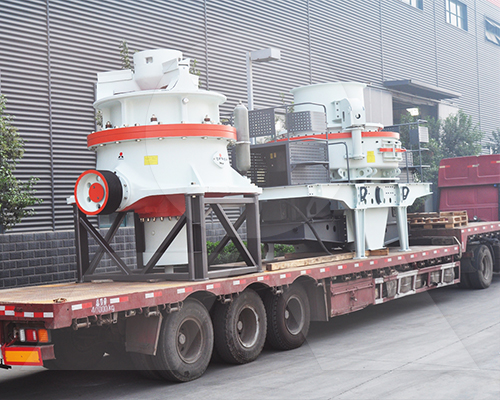
- Design Standards: Machinery designed and manufactured in accordance with relevant ISO standards (e.g., ISO 21873 for mobile crushers) and structural codes.
- Safety Standards: CE marking indicating conformity with EU Machinery Directive 2006/42/EC, including guarding, emergency stops, and lock-out/tag-out provisions.
- Bearing & Gear Standards: Utilization of branded, internationally rated bearings (e.g., SKF, Timken) and gearboxes (e.g., ISO 1328 for gear accuracy).
4. Key Functional Advantages Tied to Specifications
The following advantages are direct results of precise engineering specifications:
- Adaptability to Ore Hardness & Abrasiveness: Achieved through selectable wear liner metallurgy and chamber geometries that optimize the crushing action (inter-particle vs. direct impact) for the material’s Work Index.
- Consistent Product Gradation Control: Enabled by hydraulic adjustment systems for main shaft position or CSS, allowing real-time compensation for wear and product size changes.
- High Uptime & Reduced Operating Cost: Direct function of oversized bearings, regenerative hydraulic systems that absorb shock loads, and automated lubrication systems with fail-safes.
- Overload Protection: Integral hydraulic or mechanical safety systems (e.g., tramp release cylinders, shear pins) that protect the crusher from uncrushable material without causing catastrophic damage.
5. Critical Specification Table for Feasibility Assessment
The following parameters must be defined by the supplier for your specific application.
| Parameter Category | Specific Specification | Why It Matters |
|---|---|---|
| Feed Material | Compressive Strength (MPa), Abrasion Index (Ai), Bulk Density (t/m³), Moisture Content (%) | Determines required crushing force, wear material selection, and potential for clogging. |
| Feed & Product Size | Maximum Feed Size (mm), Required Product P80 / Top Size (mm) | Dictates crusher type (jaw, cone, impact), model size, and chamber selection. |
| Capacity | Throughput (TPH) at a stated CSS and specific material. | Ensures the machine meets production targets under real conditions, not just ideal ones. |
| Drive System | Motor Power (kW), Crusher Operating Speed (RPM), V-Belt type/quantity. | Defines available energy for crushing and ensures proper power transmission without slippage. |
| Physical Dimensions | Machine Footprint (L x W x H), Total Operating Weight (tons). | Critical for plant layout, foundation design (static units), and transportability (mobile units). |
| Discharge System | Discharge Height & Configuration (e.g., under-crusher conveyor spec). | Integrates the crusher into the existing or planned material handling system. |
Final specification review must involve a cross-check between your plant’s operational data and the crusher’s performance curves. Always request certified test reports or site references for applications processing material similar to yours.
Keunggulan Desain dan Teknologi dalam Mesin Cruser Modern
Modern crushers are engineered systems where design and technological superiority directly translate to operational efficiency, longevity, and return on investment. The core advancements are rooted in material science, precision engineering, and intelligent system integration.
Material Science and Component Durability
The critical wear components—jaws, mantles, concaves, and liners—are no longer generic steel. They are precision-cast from advanced alloy grades.
- High Manganese Steel (Mn-steel / Hadfield Steel): Remains fundamental for its unique work-hardening property. Upon impact, the surface layer hardens significantly while the core remains tough, providing exceptional resistance to deformation and abrasion over its service life.
- Composite Alloys & Ceramic Inserts: Modern liners often incorporate chromium, molybdenum, and nickel for specific ore characteristics. For highly abrasive materials, composite designs with embedded ceramic inserts or zones of ultra-high-chrome white iron maximize wear life in key impact areas.
- Backing Materials: The use of non-metallic, epoxy-based backing compounds ensures full and even support for liners, eliminating voids that cause stress fractures and dramatically extending liner life.
Engineering Design for Performance & Reliability
- Computer-Aided Design (CAD) & Finite Element Analysis (FEA): Every major component is optimized for stress distribution. FEA simulations ensure the frame, shaft, and bearings can withstand peak loads and fatigue cycles, resulting in a lighter yet stronger structure.
- Hydro-Pneumatic Adjustment & Clearing Systems: Modern cone and gyratory crushers feature automated setting adjustment via hydraulic rams, allowing real-time control of product size. Automatic overload protection (tramp release) and chamber clearing minimize downtime from uncrushable material.
- Optimized Crushing Chambers: Chamber profiles are designed for inter-particle comminution, promoting a rock-on-rock crushing action that improves product shape, reduces wear metal contamination, and increases efficiency.
Technical Standards and Operational Intelligence
Adherence to international standards like ISO 21873 (for mobile crushers) and CE marking (conformity with EU health, safety, and environmental directives) is baseline. The true technological edge lies in integrated monitoring.
- Real-Time Condition Monitoring: Sensors track bearing temperature, oil pressure and quality, vibration spectra, and motor amperage. This data enables predictive maintenance, preventing catastrophic failures.
- Automated Control Systems (ASRi/PLS): Intelligent systems automatically adjust the crusher’s closed-side setting (CSS) and feed rate to maintain optimal power draw and product gradation, maximizing throughput (TPH) for the given ore hardness and feed size.
Key Functional Advantages for Mining & Quarrying
- Superior Throughput-to-Footprint Ratio: Advanced kinematics and higher power drives deliver greater capacity (TPH) within comparable or smaller physical dimensions.
- Adaptability to Ore Characteristics: Adjustable stroke, speed, and chamber design allow a single machine to be tuned for different applications, from hard, abrasive granite to softer, sticky limestone.
- Enhanced Safety & Serviceability: Designs prioritize safety with guarded access platforms and hydraulic-assisted maintenance features, such as tool-free liner changes and split-frame designs for easier major component access.
- Energy Efficiency: Direct drive systems, optimized crushing chambers, and variable frequency drives (VFDs) reduce specific energy consumption (kWh per ton of processed material).
Technical Parameter Overview of Modern Crusher Classes
| Crusher Type | Typical Max. Feed Size (mm) | Typical Capacity Range (TPH) | Key Technological USP | Primary Application |
|---|---|---|---|---|
| Jaw Crusher (Heavy-Duty) | 1200 – 1500 | 500 – 2000+ | Deep crushing chamber, steep nip angle, hydraulic toggle adjustment for overload protection. | Primary crushing of hard, abrasive ores. High reduction ratio. |
| Cone Crusher (Hydraulic) | 250 – 350 | 100 – 1200+ | Hydroset system for CSS adjustment & clearing, multi-cylinder hydraulic design for precise control. | Secondary/Tertiary crushing. Precise product shaping and size control. |
| Gyratory Crusher | 1300 – 1800 | 2000 – 10,000+ | Massive throughput, continuous crushing action, integrated spider design for high reliability. | High-tonnage primary crushing stations in large mines. |
| Impact Crusher (Horizontal Shaft) | 500 – 800 | 100 – 800+ | High rotor inertia, hydraulic adjustable aprons, and robust monoblock rotor design. | Primary/Secondary for softer, less abrasive materials. Excellent cubical product shape. |
Dukungan dan Garansi: Komitmen Kami untuk Keandalan Jangka Panjang
Our long-term reliability commitment is engineered into every crusher and formalized through comprehensive support and warranty programs. This is not merely a service promise but a direct extension of our technical design philosophy, ensuring operational continuity and protecting your capital investment.
Engineering Foundation of the Warranty
The warranty coverage is predicated on the inherent durability of the crusher’s core components, which are specified for extreme duty cycles.
- Material Science in Critical Wear Parts: Jaw plates, concaves, mantles, and blow bars are cast from proprietary, high-grade manganese steel (Mn14Cr2, Mn18Cr2, Mn22Cr2) and advanced alloy composites. These materials are selected for their optimal balance of surface hardness for wear resistance and core toughness to absorb impact energy without catastrophic failure.
- Structural Integrity: The main frame, fabricated from high-yield strength steel plate, undergoes finite element analysis (FEA) during design to eliminate stress concentrations. Critical welds are performed to certified procedures and inspected via non-destructive testing (NDT).
- Bearing and Drive System Assurance: Premium-class, oversized spherical roller bearings and precision-machined shafts ensure reliable operation under high radial and axial loads. The warranty validates the designed Mean Time Between Failures (MTBF) for these subsystems.
Technical Support & Lifecycle Partnership
Our support begins at commissioning and extends throughout the machine’s operational life, focusing on maximizing availability and Tons Per Hour (TPH) throughput.
- Site-Specific Optimization: Our engineers provide direct support for setting CSS (Closed Side Setting), optimizing liner profiles, and calibrating the crushing chamber for your specific ore characteristics (e.g., compressive strength, abrasion index, silica content).
- Predictive Maintenance Guidance: We supply wear part life expectancy charts based on your feed material analysis, enabling proactive planning. Support includes vibration analysis and thermal imaging protocols for drive systems.
- Genuine Parts Ecosystem: Guaranteed performance and continued warranty validity are contingent on using OEM parts. Our parts are manufactured to original material specifications and geometric tolerances, ensuring perfect fit and designed performance.
Warranty Scope & Parameters
The standard warranty covers defects in material and workmanship for a defined period from commissioning. Key operational parameters must be maintained to keep the warranty in effect, as detailed in the table below.
| Warranty Component | Coverage Scope | Key Conditions & Linked Parameters |
|---|---|---|
| Structural Integrity | Main frame, eccentric shaft, housing | No unauthorized structural modifications. Operation within designed load limits. |
| Major Wear Parts | Jaw plates, concaves, mantles, blow bars | Pro-rata coverage based on operational hours/tonnage. Feed material must not exceed specified maximum hardness (e.g., 250-300 MPa compressive strength). |
| Bearings & Seals | All major bearing assemblies, seal kits | Proper lubrication maintained as per manual (viscosity, cleanliness, intervals). |
| Factory Workmanship | All assemblies and finishes | Full coverage for the defined period. |
Extended warranty plans are available, covering full wear parts and labor. These plans are tailored to your annual tonnage and include scheduled, factory-trained technician inspections. Our global parts depot network ensures critical components are available to minimize downtime, underpinning our commitment to your operation’s long-term productivity and return on investment.
Frequently Asked Questions
What is the optimal replacement cycle for crusher wear parts like jaw plates?
Monitor thickness and check for excessive cracking. High-manganese steel (e.g., ASTM A128 Grade B3) liners typically last 1,500-2,500 hours, depending on abrasiveness. Use laser scanning for precise measurement. Schedule replacement at 60-70% wear to prevent catastrophic damage to the crusher frame and avoid unplanned downtime.
How does a crusher adapt to variations in ore hardness on the Mohs scale?
Adjust the closed-side setting (CSS) and feed rate. For hard, abrasive ores (Mohs >6), reduce CSS and ensure a choke-fed chamber. For softer materials, increase throughput. Always verify the crusher’s motor amperage stays within 90-95% of rated load to optimize efficiency and prevent overloading the drive system.
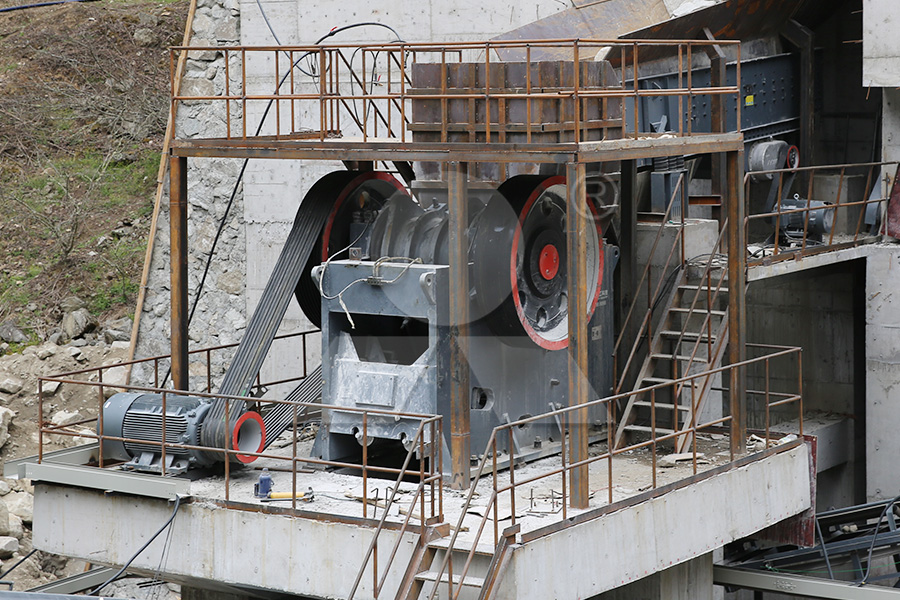
What are critical vibration control measures for primary crushers?
Install real-time vibration sensors on bearings and the main frame. Acceptable RMS velocity is typically under 4.5 mm/s. Isolate the foundation with anti-vibration pads. Imbalance from worn rotors or uneven feed is a primary cause; conduct dynamic balancing during major maintenance to protect shaft integrity.
What are the specific lubrication requirements for a cone crusher’s main bearings?
Use ISO VG 320 extreme-pressure gear oil with anti-wear additives. Maintain oil temperature between 45-55°C. Regularly test oil for contamination and oxidation. For brands like SKF or Timken spherical roller bearings, ensure proper flow rate and filtration to 10 microns to prevent premature failure from micropitting.
How does the hydraulic system adjust crusher settings and clear blockages?
The hydraulic system controls the CSS via pressure-adjustable cylinders (typically 8-12 MPa for adjustment). For clearing tramp iron or blockages, pressure can be increased to 15-18 MPa for the release stroke. Always verify accumulator pre-charge pressure is at 70% of system pressure for reliable operation.
What heat treatment processes extend the life of crusher hammers and blow bars?
Use alloy steel (e.g., 30CrNiMo8) with water-quenching and tempering to achieve 48-52 HRC surface hardness. Post-production, induction hardening on leading edges adds a 58-62 HRC layer for abrasion resistance. This dual-hardness approach maximizes impact toughness while resisting wear.