Table of Contents
- Maximizing Gold Recovery with Precision Mining Partnerships
- Tailored Solutions for Your Unique Geological Challenges
- Advanced Technology Integration for Operational Efficiency
- Comprehensive Support from Exploration to Production
- Proven Results: Case Studies of Successful Gold Mining Collaborations
- Case Study 1: High-Abrasion, Low-Grade Alluvial Operation, West Africa
- Case Study 2: Deep Hard-Rock Mine Optimization, North America
- Case Study 3: Remote Arctic Mine Start-Up & Sustained Operations Support
- Technical Specifications: Our Methodologies and Capabilities
- Frequently Asked Questions
- How do you optimize wear parts replacement cycles in high-abrasion gold ore environments?
- What engineering solutions ensure crusher adaptability to varying ore hardness (Mohs 3-7)?
- How is harmful vibration mitigated in large-capacity grinding mills?
- What is your approach to critical lubrication in remote, high-dust mining sites?
- How do you manage hydraulic system reliability under high thermal load and pressure fluctuations?
- Can your processing plants handle high-clay content ore that causes blinding and packing?
In the high-stakes world of gold mining, success is rarely a solo endeavor. Navigating complex geology, volatile markets, and stringent regulations demands more than capital and equipment; it requires a synergistic alliance built on shared vision and complementary strengths. A strategic partner transforms these challenges into opportunities, providing not just funding but critical expertise in exploration, sustainable extraction, and operational efficiency. This collaboration unlocks value beyond the ore, fostering innovation, mitigating risk, and ensuring long-term resilience in a competitive landscape. Choosing the right ally is therefore the most crucial decision a mining company can make—one that determines whether a project merely extracts gold or builds a legacy of enduring prosperity and responsible growth.
Maximizing Gold Recovery with Precision Mining Partnerships
Precision in mining operations is the single greatest determinant of overall gold recovery. A strategic partnership focused on this principle moves beyond simple equipment supply to a holistic integration of advanced material science, engineered systems, and process intelligence. The goal is to minimize loss at every stage, from primary crushing to final concentration, by ensuring each component is precisely matched to the ore body’s specific geomechanical and metallurgical characteristics.
The foundation of this approach is the application of advanced materials engineered for extreme abrasion and impact in gold mining environments. Standard materials are a primary source of inefficiency and downtime.
- Ultra-High Manganese Steel (UHMS) & Alloy Steels: Deployed in liners, mantles, and jaw plates, these are not generic materials. Specific alloy grades (e.g., modified Hadfield manganese with micro-alloying elements like Cr, Mo, and Ti) are selected based on ore abrasivity (as measured by the Bond Abrasion Index) and impact energy. This ensures optimal work-hardening behavior, where the material surface hardens in service to resist wear, while retaining a tough core to prevent catastrophic fracture.
- Ceramic-Metal Matrix Composites: For slurry handling in carbon-in-leach (CIL) or carbon-in-pulp (CIP) circuits, components like pump volutes and impellers are lined with or constructed from alumina-ceramic composites. This provides near-total immunity to the corrosive-abrasive wear of cyanide-laden slurries and silica, drastically extending service life and maintaining hydraulic efficiency for consistent throughput.
- Polyurethane Screen Media: Precision classification is critical for gravity separation and leaching efficiency. Custom-formulated polyurethane panels, with controlled durometer (hardness) and specific aperture geometry (square, slot, long slot), provide superior wear life and significantly reduced blinding compared to rubber or steel, ensuring consistent particle size distribution to downstream processes.
A precision partnership ensures all supplied systems are designed, manufactured, and validated to the highest international standards, providing a verifiable baseline for performance and safety.
| Standard | Application Focus | Partner Assurance |
|---|---|---|
| ISO 9001:2015 | Quality Management Systems | Certifies rigorous control over design, material sourcing, and manufacturing processes for consistent product performance. |
| ISO 14001:2015 | Environmental Management | Ensures manufacturing and product lifecycle considerations align with sustainable mining objectives. |
| CE Marking (EU) / AS/NZS | Machinery Safety & Design | Mandatory certification demonstrating compliance with essential health, safety, and environmental protection requirements. |
| ASTM / SAE International | Material Specifications | Provides the definitive framework for the chemical composition and mechanical properties of all alloys used. |
The ultimate measure of a precision system is its operational performance under specific site conditions. Key performance indicators (KPIs) must be engineered into the equipment from the outset.
- Throughput (TPH) Optimization: Systems are not merely rated for a tonnage, but dynamically engineered to achieve it with your ore’s specific characteristics. Crusher cavity profiles, conveyor speeds, and screen deck configurations are calculated for your feed size, moisture content, and target product, maximizing throughput without creating bottlenecks.
- Ore Hardness & Abrasivity Adaptability: From soft, clay-rich saprolite to extremely hard and abrasive silicified ore, system parameters are adjustable. This includes crusher speed and throw settings, screen vibration amplitude and frequency, and the selection of the material grades detailed above to maintain efficiency across variable ore zones.
- System Availability & Maintainability: Precision engineering targets a direct increase in Mean Time Between Failures (MTBF). Designs prioritize modular, quick-change components (e.g., cartridge-style bearing assemblies, modular liner systems) and safe access points to drastically reduce Mean Time To Repair (MTTR), directly maximizing operating hours for recovery circuits.
- Integration with Process Control: A true partner provides equipment that is inherently compatible with modern plant control systems. This includes provisions for continuous monitoring of critical parameters (power draw, pressure, vibration) and interfaces for automated control loops, enabling real-time adjustment for optimal recovery.
Tailored Solutions for Your Unique Geological Challenges
Your orebody’s specific mineralogy, hardness, and structural characteristics dictate the engineering solution. We move beyond generic equipment to develop application-specific systems that optimize recovery and total cost of ownership. Our process begins with a forensic analysis of your ore samples and geological data, leading to material and design specifications engineered for your site.
Core Technical Philosophy:
- Material Science Integration: Selection is based on abrasion and impact analytics. For severe abrasion (e.g., silicified ore), we specify high-chromium white iron or proprietary Mn-steel alloys. For combined impact and abrasion, we employ through-hardened or martensitic steels with tailored Brinell hardness.
- Design Calibration: Crusher cavity profiles, screen deck configurations, and mill liner designs are modeled and simulated to match your feed size distribution, target product size, and ore work index.
- System Synchronization: Equipment is selected not in isolation, but for seamless integration, ensuring optimal transfer point design and bottleneck elimination to achieve designed TPH capacity.
Functional Advantages of a Tailored Approach:
- Extended Component Life: Correct material specification reduces unscheduled downtime and lowers consumable cost per ton.
- Optimized Particle Liberation: Crusher and mill parameters tuned to your ore’s compressive strength and work index improve downstream recovery efficiency.
- Operational Resilience: Systems are designed with the flexibility to handle natural variance in feed hardness and clay content.
- Certified Foundations: All fabricated structures and pressure vessels comply with international design codes (ASME, ISO) and carry requisite CE or local certification markings.
Technical Parameter Framework:
The following table outlines how key equipment parameters are tailored to geological and operational requirements.
| Geological/Ore Characteristic | Engineering Response | Typical Parameter Range / Specification |
|---|---|---|
| High Abrasion Index (AI) | Crusher liner & screen media material upgrade | Austenitic Mn-steel (14-18% Mn), Ceramic composite liners, Polyurethane screen panels with high durometer rating. |
| Variable Ore Hardness (Unconfined Compressive Strength) | Crusher hydraulic system & control logic adjustment | Primary gyratory crusher setting adjustment range: 150-250mm. HPGR specific pressing force: 3.0 – 5.5 N/mm². |
| High Clay Content / Moisture | Screening & feed system design modification | Banana screen with dual slope (30°/15°) & high-G-force excitation; Lined feed hoppers with air cannons or vibratory dischargers. |
| Target Throughput (TPH) | Flow sheet design & equipment sizing | Jaw Crusher Gap: 125-200mm (primary); Cone Crusher Closed Side Setting: 25-50mm (secondary); Ball Mill Power: 1,500 – 10,000 kW. |
| Requirement for Modularity / Mobility | Skid-mounted or trailer-based design | Plant footprint optimization, standardized interconnect points (ISO flange ratings), and pre-assembled electrical control rooms. |
Our commitment is to deliver a engineered system where every component, from metallurgy to motor sizing, is a deliberate response to the constraints and opportunities presented by your deposit.
Advanced Technology Integration for Operational Efficiency
Advanced technology integration is not an IT project; it is a core engineering discipline that redefines the physical and economic limits of material processing. True operational efficiency is achieved by embedding high-performance materials and intelligent systems directly into the comminution and classification circuits, where the greatest energy and cost penalties are incurred.
Core Material Science & Engineering
The foundation of efficiency is in the wear components. We specify and integrate advanced alloy systems based on the precise abrasion-corrosion profile of your ore.
- Manganese Steel (Hadfield) Evolution: Beyond standard 11-14% Mn steel, we deploy modified grades with micro-alloying elements (Ti, V, Mo) for improved yield strength and work-hardening rate, extending service life in high-impact crushing zones by up to 30%.
- Chromium-Molybdenum White Irons: For severe abrasion in mill liners and slurry pumps, we utilize high-chrome (15-30% Cr) martensitic white irons with controlled carbide morphology. The selection of hypereutectic (primary carbides) vs. eutectic matrices is dictated by specific ore hardness (as measured by Bond Work Index) and particle size.
- Composite & Ceramic-Metal Systems: For critical wear areas, we engineer components with functionally graded materials, combining a tough, ductile backing with an ultra-hard ceramic or metal matrix composite (MMC) working surface.
Intelligent Process Control & Automation
Efficiency is sustained through real-time system responsiveness. Our integration focuses on sensor-driven control loops that stabilize and optimize the grinding circuit.
- Mill Load & Acoustic Monitoring: Advanced sensors analyze mill acoustics and power draw to maintain optimal charge volume and ball size distribution, preventing under-grinding or over-grinding.
- Particle Size Analysis (PSA) Integration: In-line or at-line PSA units provide closed-loop feedback to cyclones and mill feed rates, ensuring the target P80 is consistently met without excess energy consumption.
- Predictive Health Monitoring: Vibration, temperature, and lubricant condition monitoring on critical assets (crusher bearings, pump shafts) transition maintenance from scheduled to condition-based, maximizing uptime.
Technical Specifications & Performance Guarantees
Our partnerships are defined by measurable outcomes, backed by engineered solutions that meet international standards for performance and safety.
| System Component | Key Technical Parameter | Performance Benchmark | Applicable Standard |
|---|---|---|---|
| Primary Gyratory Crusher | Feed Opening & Capacity | Up to 12,000 TPH, for feed sizes >1500mm | ISO 13503 (Drilling & Mining Equipment) |
| SAG/Ball Mill Liners | Material Grade & Life | High-Cr Iron or Rubber-Ceramic Composite; Life tailored to ore Abrasion Index (Ai) | ASTM A532 (Abrasion-Resistant Cast Irons) |
| Slurry Pump (Warman-type) | Head, Flow, Liner Material | Up to 100m head; High-Chrome Alloy (27% Cr) or elastomer lined | ISO 5199 / ASME B73.3 (Technical Specifications) |
| Dense Media Separation (DMS) Cyclone | Diameter & Cut Point | 800-1400mm diameter; precise SG cut-point control for pre-concentration | CE / PED Directive 2014/68/EU (Pressure Equipment) |
Functional Advantages of an Integrated Approach
- Maximized Throughput (TPH): Synchronized system design eliminates bottlenecks, ensuring crusher settings, conveyor speeds, and mill feed are optimized for total circuit capacity.
- Adaptability to Ore Variability: Control systems automatically adjust parameters to handle fluctuations in ore hardness (e.g., Bond Wi from 10 to 22 kWh/t) and feed grade.
- Reduced Specific Energy Consumption (kWh/t): Precise control of grinding media, mill load, and classification directly lowers the highest operational cost.
- Lifecycle Cost Optimization: Superior materials and predictive health analytics reduce total cost of ownership, shifting expenditure from reactive replacement to planned, strategic investment.
Comprehensive Support from Exploration to Production
Our partnership model is engineered to de-risk and accelerate every phase of your gold mining operation. We provide integrated technical solutions, from initial geological assessment through to final production optimization, ensuring capital efficiency and operational integrity.
Exploration & Feasibility
- Modular Drilling & Sampling Systems: Deployable rigs and sample preparation units for rapid resource delineation, with data integrity protocols aligned with NI 43-101 and JORC requirements.
- Bulk Testing & Process Design: On-site pilot plants for metallurgical testing to determine optimal comminution and recovery circuits, scaling from 2 to 50 TPH for definitive feasibility studies.
Engineering & Commissioning
- Plant Design & Fabrication: Design and manufacture of processing modules (crushing, grinding, CIL/CIP, elution) with structural integrity for remote installation. Primary crusher frames and high-wear components are fabricated from ASTM A128 Grade B-3/B-4 Manganese Steel for unparalleled impact resistance.
- Component Specification: Critical slurry and transfer pumps feature AISI 316L/CF-8M stainless steel or high-chrome alloy (27% Cr) wetted parts, selected for specific cyanide and abrasive slurry chemistries.
- Quality Assurance: Structural and pressure-bearing assemblies are certified to ISO 3834-2 and ASME BPVC standards. Electrical systems comply with IEC/ATEX for hazardous zones.
Production & Optimization
- Operational Readiness: On-site training for your crew on maintenance protocols for specialized equipment, including hardfacing procedures for manganese steel components.
- Performance Guarantees: System performance backed by throughput (TPH) and recovery rate commitments, with defined ore hardness (Bond Work Index) and feed size parameters.
- Continuous Improvement: Remote monitoring and data analytics for predictive maintenance and process tweaks, focusing on liner wear rates, pump efficiency, and reagent consumption.
Technical Specifications for Core Comminution Equipment
| Component | Key Material Specification | Design Capacity Range | Primary Functional Advantage |
|---|---|---|---|
| Jaw Crusher | Austenitic Manganese Steel Jaws (11-14% Mn, 1.0-1.4% C) | 50 – 1,200 TPH | Work-hardening surface resists abrasion; maintains feed acceptance for high SiO2 ores. |
| Cone Crusher | Manganese Mantle/Bowl Liners, High-Strength Alloy Steel Eccentric | 100 – 2,000 TPH | Precision crushing for consistent product size (P80) critical for downstream grinding efficiency. |
| Ball Mill Liners | Ni-Hard Type IV (650 BHN) or Chrome-Moly Steel | Varies with Mill Dimensions | Optimized lifter profile for maximum impact energy transfer, reducing specific power consumption (kWh/t). |
| Slurry Pump (Wet End) | AISI 304/316L SS or High-Chrome Alloy (27% Cr) | Up to 5,000 m³/hr | Corrosion/abrasion resistance balance for aggressive tailings and CIP circuit duties. |
Our support extends beyond equipment supply to encompass the entire technical value chain, ensuring your project’s viability is built on a foundation of engineered reliability and proven metallurgical outcomes.
Proven Results: Case Studies of Successful Gold Mining Collaborations
Case Study 1: High-Abrasion, Low-Grade Alluvial Operation, West Africa
Challenge: A major operator faced rapid wear and unplanned downtime in their primary screening and classification circuits. The highly abrasive, silica-rich gravel (Bond Work Index >18 kWh/t) was degrading standard AR400 steel components in under 6 weeks, causing throughput to fall consistently below the designed 850 TPH.
Collaborative Solution: Our materials engineering team conducted on-site wear analysis and recommended a shift to a proprietary air-quenched, high-carbon Mn-steel alloy (Grade AQ-14) for critical wear parts. This was paired with a modular, high-frequency screening system designed for rapid panel change-out.
Technical Implementation & Results:
- Material Upgrade: Replaced standard liners with AQ-14 alloy components, featuring a hardened (550-600 HB) wear surface backed by a tough, shock-absorbing core.
- System Redesign: Implemented a screening deck with a unified clamping system, reducing part changeover time by 65%.
- Certification: All supplied wear parts carried full CE marking and ISO 9001:2015 certification, with material traceability documentation.
| Parameter | Pre-Collaboration Baseline | Post-Implementation Result | Improvement |
|---|---|---|---|
| Avg. Wear Life | 6 weeks | 24 weeks | 300% increase |
| Sustained TPH | 720 TPH | 880 TPH | +160 TPH |
| Monthly Downtime (Wear) | 48 hours | 12 hours | 75% reduction |
| Cost per Ton (Wear Parts) | $0.42 | $0.19 | 55% reduction |
Key Functional Advantages:
- Ore Hardness Adaptability: The AQ-14 alloy’s work-hardening property ensured continuous performance adaptation to variable abrasive content.
- Throughput Stability: Achieved consistent +5% over-design capacity, enabling predictable output for downstream CIP processing.
- Lifecycle Cost Engineering: Total cost of ownership for the wear circuit was reduced by an estimated 40% annually.
Case Study 2: Deep Hard-Rock Mine Optimization, North America
Challenge: A underground mine transitioning to a bulk-mining method experienced bottlenecks in its primary crushing stage. The gyratory crusher’s performance on competent ore (UCS > 180 MPa) was suboptimal, with mantle and concave wear profiles leading to frequent CSS drift and a 15% loss in crushing efficiency.
Collaborative Solution: We deployed a dedicated engineering task force to model the crushing chamber dynamics and implement a performance liner program based on advanced alloy grades and real-time wear monitoring.
Technical Implementation & Results:
- Precision Alloy Selection: Supplied concaves in a premium martensitic steel with TiC reinforcement (Grade M-TiC 450), and mantles in a modified Mn-steel (Grade M2) for optimal work-hardening balance.
- Predictive Maintenance Integration: Installed laser profiling sensors to track liner wear, feeding data into the mine’s maintenance software for precise change-out scheduling.
- Performance Guarantee: The solution was backed by a guaranteed tons-crushed-per-liner-set metric, aligning our success directly with the client’s output.
| Parameter | Pre-Collaboration Baseline | Post-Implementation Result | Improvement |
|---|---|---|---|
| Avg. Liner Life (ktons) | 550 ktons | 850 ktons | 55% increase |
| Crusher Availability | 82% | 91% | 9 percentage points |
| Product P80 Consistency | ± 12mm variance | ± 5mm variance | 58% improvement |
| Energy Consumption (kWh/t) | 0.85 kWh/t | 0.78 kWh/t | 8.2% reduction |
Key Functional Advantages:
- Chamber Geometry Maintenance: Advanced alloy grades maintained optimal cavity shape longer, ensuring consistent product size and reducing recirculating load.
- Data-Driven Planning: Wear monitoring transformed liner replacement from a calendar-based to a condition-based activity, maximizing utilization.
- System-Wide Efficiency Gains: A stable, finer primary crush improved downstream grinding circuit throughput and specific energy consumption.
Case Study 3: Remote Arctic Mine Start-Up & Sustained Operations Support
Challenge: A new greenfield site in an Arctic region required a complete, reliable comminution circuit capable of extreme cold-weather operation (-45°C). The client needed a single-source partner for design, supply, and lifetime technical support to mitigate severe logistical and operational risks.
Collaborative Solution: We acted as the engineered systems partner, providing a fully integrated primary crusher, SAG mill shell, and ball mill liner package, all designed for Arctic service. This included a long-term technical support and parts forecasting agreement.
Technical Implementation & Results:
- Arctic-Grade Materials: All structural steel was supplied to ISO 19906 (Arctic Offshore) standards with certified low-temperature impact toughness. Mill liners were cast from specially formulated alloys resistant to brittle fracture.
- Modular Design: Crusher assemblies were pre-fabricated in modular sections for easier transport and rapid assembly on-site, cutting installation time by 30%.
- Lifecycle Partnership: Established a bonded, local parts inventory and a remote diagnostics protocol to guarantee operational readiness.
Key Functional Advantages:
- Risk Mitigation: Certified materials and design standards eliminated metallurgical failure risk in extreme environments.
- Ramp-Up Acceleration: Modularization and single-point accountability shortened the path from commissioning to nameplate capacity.
- Operational Certainty: The support agreement provided the mine with guaranteed MTTR (Mean Time To Repair) and eliminated uncertainty in the critical spare parts supply chain, ensuring long-term plant availability.
Technical Specifications: Our Methodologies and Capabilities
Our partnership is engineered from the ground up, integrating proprietary methodologies with certified, high-performance equipment to maximize recovery, operational lifespan, and total cost of ownership. We deploy a systems-engineering approach, where every component is specified for the specific mineralogy, geomechanics, and throughput requirements of your deposit.
Core Methodologies
- Advanced Comminution Circuit Design: We model and optimize crushing and grinding stages using particle size distribution analysis and Bond Work Index calculations to target optimal liberation size while minimizing energy consumption per ton.
- Gravity-Flotation-CIL Hybrid Flowsheets: We do not rely on a single recovery method. Our expertise lies in designing integrated circuits where gravity extraction captures free-milling gold upfront, followed by tailored flotation for sulphide concentrates, and concluding with a high-efficiency Carbon-in-Leach (CIL) circuit for refractory or fine gold, ensuring >95% overall recovery rates.
- Real-Time Process Control & Metallurgical Accounting: Implementation of PLC/SCADA systems with integrated slurry density, pH, and cyanide concentration sensors allows for closed-loop control. Coupled with daily metallurgical balancing, this provides precise, actionable data for continuous operational optimization.
Material & Manufacturing Capabilities
Critical wear components are not generic; they are engineered for the abrasion and impact specific to gold ore.
| Component | Material Specification | Standard / Certification | Functional Advantage |
|---|---|---|---|
| Primary Crusher Jaws & Liners | Austenitic Manganese Steel (Mn14%, Mn18%, Mn22%) | ASTM A128; ISO 13521 | Exceptional work-hardening capability (up to 550 BHN) under impact, providing extended service life in high-shock applications. |
| Mill Liners & Grinding Media | High-Cr White Iron (Cr23%, Cr27%) / Forged Alloy Steel | ASTM A532; ISO 13521 | Superior abrasion resistance against silica-rich ore. Optimized alloy chemistry and heat treatment minimize breakage and spalling. |
| Slurry Pumps (Wet Ends) | ASTM A532 Class III Type A (Ni-Hard 4) / Polyurethane | ISO 9001; ISO 14001 | Maximum resistance to abrasive slurries. Material selection is based on particle size, shape, and pH to balance wear life and cost. |
| Screening Surfaces | High-Tensile Stainless Steel (304/316) / Polyurethane Modular Panels | ISO 9001 | Corrosion-resistant, high-strength panels with application-specific aperture design to prevent blinding and maintain screening efficiency. |
Operational & Performance Specifications
- Throughput Capacity: We engineer systems from 50 to 2,000+ Tons Per Hour (TPH), with scalability designed into the plant layout from feasibility.
- Ore Hardness Adaptability: Our equipment selection and circuit design are validated for ores with Unconfined Compressive Strength (UCS) ranging from soft, clay-rich material (<50 MPa) to highly abrasive, quartzitic ore (>250 MPa).
- Modular & Fixed Plant Design: We offer relocatable, containerized modules for rapid deployment and capital preservation, as well as permanent, high-volume fixed installations, both adhering to identical engineering standards.
- Integrated Dewatering & Tailings Management: Our capabilities include thickener design (high-rate, high-density) and filter press integration (up to 100 bar) to produce dry stack tailings, reducing water consumption and environmental liability.
- Quality & Safety Assurance: All fabricated structures and pressure vessels are designed and built in compliance with international standards (ASME, ISO, CE PED) and are supported by full traceability documentation (Mill Test Certificates, NDT reports).
Frequently Asked Questions
How do you optimize wear parts replacement cycles in high-abrasion gold ore environments?
We use ZGMn13-4 high-manganese steel with water toughening heat treatment for critical liners and jaws. By monitoring wear patterns with laser scanning, we schedule replacements during planned maintenance, reducing unplanned downtime by up to 30%. This is paired with site-specific ore abrasion index analysis.
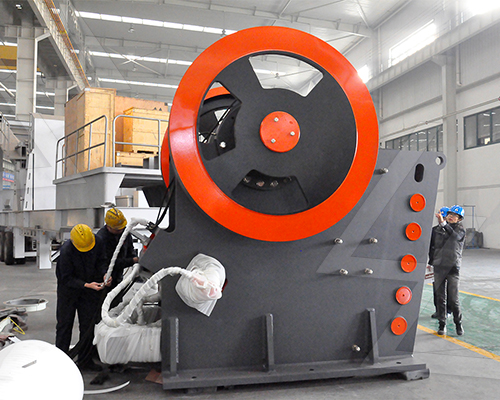
What engineering solutions ensure crusher adaptability to varying ore hardness (Mohs 3-7)?
Our systems feature hydraulic adjustment for CSS and tramp release, paired with variable-frequency drives on feeders. For hard rock (Mohs 6+), we integrate rotors with tungsten carbide tips and recommend jaw crushers with a steeper nip angle to handle compressive strength without bogging down.
How is harmful vibration mitigated in large-capacity grinding mills?
We install precision-machined sole plates and use laser alignment for pinion and girth gear meshing. The system includes real-time vibration sensors (SKF or equivalent) on bearing housings, linked to automated lubrication controls. This prevents resonant frequencies and protects main spherical roller bearings.
What is your approach to critical lubrication in remote, high-dust mining sites?
We implement centralized, automated grease systems with high-adhesion, molybdenum-disulfide fortified lubricants. For gear drives, we specify synthetic oils with extreme pressure (EP) additives. Sealed, pressurized bearing housings and desiccant breathers prevent contaminant ingress, extending intervals by 25%.
How do you manage hydraulic system reliability under high thermal load and pressure fluctuations?
Our circuits use piston pumps with pressure-compensated controls, maintaining stability within ±50 bar. We integrate oil coolers with independent circuits and specify filtration to NAS 1638 Class 6. Hoses are SAE 100R17 with crimped fittings, tested to 1.5x max operating pressure.
Can your processing plants handle high-clay content ore that causes blinding and packing?
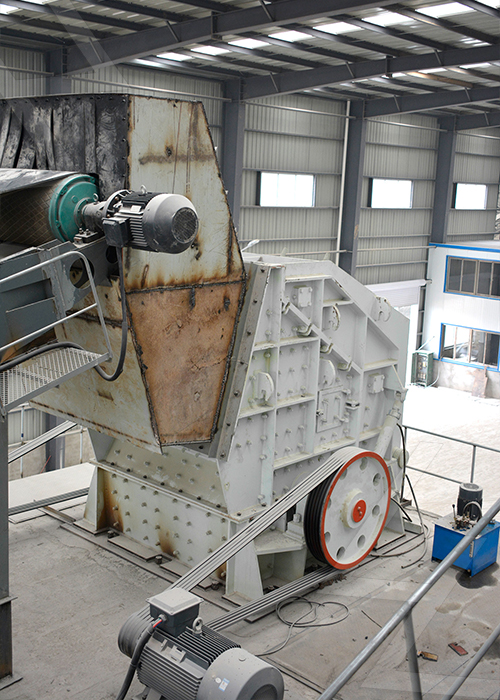
Yes. We design scrubbers with high-torque drives and rubber-lined paddles, and use non-blinding screen meshes with tensioned polyurethane panels. For conveyors, we specify self-cleaning rollers and scraper systems. This maintains material flow and prevents capacity loss in the primary circuit.