Table of Contents
- Maximize On-Site Efficiency: How Our Mobile Sand Screening Machinery Reduces Downtime and Labor Costs
- Engineered for Versatile Applications: Adapting to Diverse Materials and Job Site Conditions
- Advanced Screening Technology: High-Capacity Performance and Consistent Output Quality
- Robust and Durable Design: Built to Withstand Harsh Environments and Heavy Use
- Technical Specifications and Customization Options for Optimal Setup and Operation
- Core Technical Specifications
- Critical Material & Engineering Specifications
- Customization for Optimal Setup & Operation
- Proven Reliability and Support: Backed by Industry Expertise and Comprehensive Service
- Frequently Asked Questions
- How often should wear parts like screen meshes be replaced in high-abrasion applications?
- Can a standard mobile screen plant handle very hard materials (Mohs 7+ like granite)?
- What is the critical maintenance for screen box vibration bearings?
- How do you optimize screening efficiency for varying moisture content in feed material?
- What hydraulic system specifications ensure reliable screen plant mobility and stability?
- How do you mitigate excessive plant-wide vibration from the screening unit?
In today’s fast-paced construction and aggregate industries, efficiency and adaptability are paramount. Mobile sand screening machinery, or screen plants, represent a significant leap forward in on-site material processing, offering unparalleled flexibility and productivity. These self-contained units combine robust screening technology with integrated mobility, allowing operators to move seamlessly between job sites and process materials directly at the source. By eliminating the need for multiple pieces of fixed equipment and reducing costly material transport, mobile screen plants streamline operations, cut project timelines, and enhance overall profitability. This article explores the innovative design, key applications, and operational advantages of these versatile machines, demonstrating why they have become an indispensable asset for modern contractors seeking to optimize their screening workflows and maximize return on investment.
Maximize On-Site Efficiency: How Our Mobile Sand Screening Machinery Reduces Downtime and Labor Costs
Mobile sand screening plants are engineered to transform operational logistics, directly targeting the two most significant cost drivers in aggregate and mining operations: unplanned downtime and high labor intensity. The core efficiency gains are structural, not superficial.
Engineering for Minimal Downtime: A Materials and Systems Approach
Downtime is primarily caused by component wear, blockages, and mechanical failure. Our machinery is built to resist these factors at a fundamental level.
- Critical Wear Component Longevity: Screening decks are fitted with high-tensile, abrasion-resistant steel wire mesh, often in combination with modular polyurethane panels for specific applications. For severe-duty environments, such as screening abrasive iron ore or granite aggregates, the chassis, hopper, and conveyor impact zones are lined with Hardox 450/500 or equivalent AR400 steel plate. This provides a Brinell hardness of 400-500 HB, dramatically extending service life against high-impact abrasion.
- Clog-Resistant Screening Action: The heart of the system is a high-energy, multi-frequency screenbox. Its aggressive, linear or circular motion is designed to prevent blinding and pegging, especially in damp or clay-bound material. Bearings are oversized, labyrinth-sealed, and rated for continuous high-vibration operation, exceeding standard ISO 15242-1 specifications for vibrating applications.
- Rapid Maintenance & Accessibility: The plant design follows a modular maintenance philosophy. Screen media decks are side-tensioned and can be replaced by a two-person crew in under an hour without specialized tools. Crusher jaws and conveyor idlers are mounted on cartridge systems for quick exchange. All major hydraulic and electrical components are grouped in lockable, weatherproof service bays with walk-around access.
Direct Labor Cost Reduction Through Integrated Automation
Labor is optimized not by eliminating personnel, but by augmenting their productivity and reducing manual, non-value-added tasks.
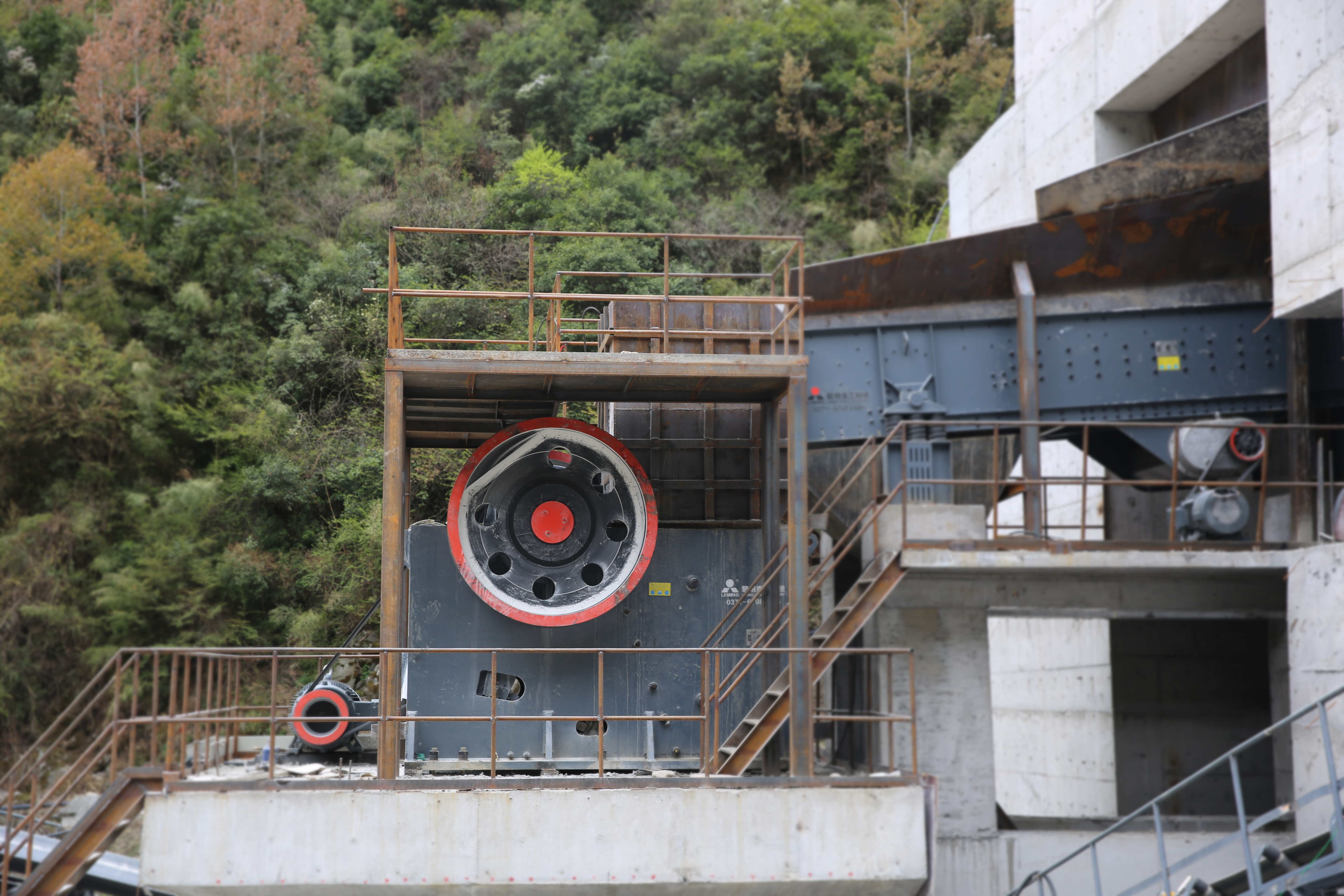
- Single-Operator Control: Full plant functions—including feed rate, screen angle/speed, conveyor sequencing, and track mobility—are managed from a single, sound-insulated, climate-controlled cabin or via a wireless remote. This eliminates the need for multiple spotters and signalers.
- Automatic Setup & Tramming: The tracked undercarriage, powered by independent hydrostatic drives, allows the entire plant to be positioned or relocated on-site in minutes by the operator. No need for auxiliary haulage equipment or extensive ground preparation. Set-up and tear-down times are measured in minutes, not hours.
- Integrated Process Intelligence: On-board PLC systems with CAN-Bus architecture provide real-time monitoring of critical parameters: engine load, bearing temperature, and feed level. The system can auto-regulate feed via a linked loader or halt the process in case of a fault, preventing cascading damage and freeing the operator for higher-level supervision.
Technical Specifications: Core Efficiency Parameters
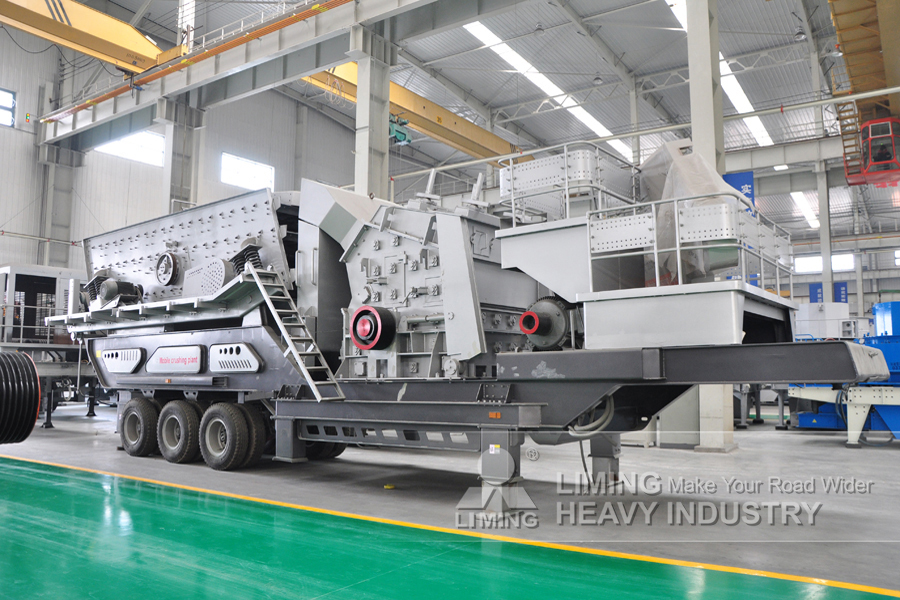
The following table outlines key performance indicators that directly correlate with high-throughput, low-downtime operation across different material classes.
| Parameter | Specification Range | Impact on Efficiency |
|---|---|---|
| Nominal Capacity (TPH) | 150 – 600+ TPH | Defines maximum material processed per hour; sized to match primary loader cycle times. |
| Screenbox Size & Decks | 1.5m x 4.5m to 2.4m x 6.0m; 2 or 3 decks | Larger screening area allows for higher feed rates and more precise product separation in a single pass. |
| Drive & Power Unit | Tier 4 Final / Stage V Diesel or Electric Option | Reliable, compliant power with high torque at low RPM for fuel efficiency and reduced mechanical stress. |
| Adaptability to Ore Hardness | Optimized for 4-7 Mohs scale (e.g., Limestone to Basalt) | Component packages (liner grade, shaft diameter, bearing spec) are selected based on material abrasiveness. |
| Regulatory Compliance | CE, ISO 9001:2015, ISO 21873-2 | Assures design and manufacturing integrity, reducing risk of operational non-conformance. |
Ultimately, the plant’s mobility is its primary strategic advantage, but the engineered durability and control systems are what convert that mobility into sustained, cost-effective production. It is a complete processing system on tracks, designed to move with the face and withstand the pit.
Engineered for Versatile Applications: Adapting to Diverse Materials and Job Site Conditions
The core engineering philosophy behind a modern mobile sand screening plant is not merely portability, but the intrinsic capability to process a vast spectrum of materials under demanding, variable site conditions. This versatility is engineered into every subsystem, from structural design and wear materials to screening dynamics and power management.
Material Adaptability: From Abrasive Aggregates to Sticky Ores
The screening deck is the critical interface. Its design transcends simple particle size separation to address material behavior.
- High-Abrasion Resistance: For granite, trap rock, and slag, screen media and feed hoppers are lined with high-grade, quenched & tempered manganese steel (Mn14 to Mn22) or specialized alloy steels. These materials work-harden under impact, increasing service life in severe duty cycles.
- Anti-Blinding & Adhesion Control: Processing moist clay, loam, or iron ore fines requires active solutions. Polyurethane and rubber screen panels with high elasticity prevent particle adhesion. Advanced systems incorporate integrated, high-frequency vibratory mechanisms or ball-tray decks to dislodge stubborn material, maintaining consistent screening efficiency and throughput.
- Corrosion & Chemical Resistance: For saltwater environments or certain industrial by-products, critical components utilize stainless-steel alloys (e.g., 304, 316 grades) in contact areas, and protective coatings are applied to structural elements per ISO 12944 standards for corrosive atmospheres.
Job Site Condition Resilience: Beyond Terrain
Mobility is meaningless without durability. The plant’s design accounts for dynamic stresses encountered in mining, quarrying, and construction.
- Structural Integrity: The chassis and supporting frameworks are fabricated from high-tensile steel (S355JR/GR or equivalent), with stress points reinforced and analyzed via Finite Element Analysis (FEA) to withstand continuous vibratory loads and transport stresses over rough terrain.
- Vibration Isolation & Stability: Engine-mounted, multi-axis vibration isolators prevent harmonic frequencies from damaging the chassis. Hydraulically or mechanically locking stabilizer legs provide a rigid, level operating platform on uneven ground, essential for accurate screening.
- All-Climate Operation: Core components are rated for operation within a -20°C to +50°C ambient range. Enclosed, weather-resistant electrical cabinets (IP65 rating or higher), heated hydraulic fluid reservoirs, and protected bearing housings ensure reliability in diverse climates.
Technical Specifications for Application-Specific Configuration
Selecting the correct screen box configuration and drive system is paramount to matching material characteristics and target Tonnes Per Hour (TPH).
| Application Profile | Recommended Screen Type | Key Technical Considerations | Typical Capacity Range* |
|---|---|---|---|
| Primary Scalping (ROM material, overburden) | Heavy-Duty Vibrating Grizzly Feeder | Grizzly bar spacing, deck slope, stroke amplitude & frequency. | 500 – 1500+ TPH |
| Aggregate & Sand (crushed rock, natural sand) | High-Energy Linear Motion Screen | Screen angle, vibration throw, number of decks, wire mesh vs. polyurethane panel choice. | 200 – 800 TPH |
| Difficult & Fine Materials (recycled aggregates, compost, topsoil) | Multi-Frequency or Flip-Flow Screen | Independent, high-acceleration screen deck vibration to handle blinding and stratification. | 50 – 300 TPH |
*Capacity is highly dependent on material density, moisture content, and separation efficiency. Values are indicative for standard aggregates.
Integrated System Intelligence
Versatility is managed, not assumed. PLC-controlled systems allow operators to adjust feeder speed, screen vibration amplitude/frequency, and conveyor speeds to fine-tune the process for the material at hand. This ensures optimal TPH and product specification compliance, whether processing soft limestone or highly abrasive taconite ore. Compliance with CE and relevant ISO standards (e.g., ISO 8525 for vibration) is not an afterthought but a foundational design input, guaranteeing performance predictability and operational safety across all applications.
Advanced Screening Technology: High-Capacity Performance and Consistent Output Quality
Advanced screening technology is engineered to deliver maximum throughput and unwavering product consistency under the most demanding conditions. The core of this performance lies in the synergy between robust mechanical design and premium material selection, ensuring operational longevity and precise particle separation.
Core Technological Pillars
- High-Strength Screening Media: Decks are fitted with wear components manufactured from high-grade, abrasion-resistant materials. For severe-duty applications, such as crushed stone or iron ore, screens utilize hardened Manganese Steel (Hadfield Grade, 11-14% Mn) or specialized alloy steels with high carbon content. These materials work-harden under impact, increasing surface hardness and extending service life significantly over standard carbon steel.
- Optimized Vibration Dynamics: High-efficiency, heavy-duty vibrator units generate a powerful, linear or elliptical throw. This is precisely tuned to match material characteristics—ensuring optimal stratification (separation of fines from coarse material) and conveyance speed across the deck. Bearing assemblies are oversized, rated for continuous operation, and feature advanced sealing (e.g., labyrinth and contact seals) to exclude contaminants.
- Tiered Screening & Spec Adherence: Multi-deck configurations allow for simultaneous production of 3-4 precisely graded fractions in a single pass. Screen cloth aperture and wire diameter are selected based on feed gradation and target specification. This process control is critical for meeting stringent project or industrial material standards (e.g., ASTM C33 for concrete sand).
Functional Advantages for High-Output Operations
- Elevated Throughput (TPH): Optimized kinematics and large, open screening areas enable processing capacities from 200 TPH to over 800 TPH, depending on model and feed material.
- Adaptability to Material Hardness: The combination of adjustable vibration parameters and selectable screen media types allows the same plant to be efficiently reconfigured for different materials, from soft limestone to highly abrasive granite or slag.
- Consistent Output Gradation: Precise control over screen motion and deck inclination minimizes particle “blinding” (clogging of apertures) and ensures that product specifications are maintained consistently throughout the production cycle, reducing waste and reprocessing.
- Reduced Operational Downtime: Quick-change tensioning systems for screen panels and modular deck designs facilitate rapid media replacement. The use of long-life wear materials directly decreases the frequency of maintenance intervals.
Technical Performance Parameters
The following table outlines typical high-capacity performance ranges for a premium mobile screening plant, contingent on specific material density and moisture content.
| Parameter | Unit | Value Range | Notes |
|---|---|---|---|
| Max. Feed Size | mm | 150 – 250 | Dependent on model and primary scalping deck. |
| Screening Area (Total) | m² | 5 – 12 | Sum of all active deck areas. |
| Drive Power | kW | 30 – 75 | Powers vibrator mechanism(s). |
| Capacity (Sand & Gravel) | TPH | 200 – 600 | Varies with screen aperture and material gradation. |
| Deck Configuration | – | 2 or 3 | Independent, inclined decks for multi-fraction sorting. |
| Vibration Frequency | RPM | 900 – 1100 | Adjustable for material type and screening efficiency. |
| Compliance | – | CE, ISO 9001 | Design and manufacturing quality standards. |
Engineering Assurance
Performance is validated through Finite Element Analysis (FEA) on structural stress points and dynamic simulation of material flow. All critical components, from the screen box to the chassis, are designed to a minimum safety factor in accordance with international machinery directives, ensuring structural integrity under full-load, cyclic loading conditions. This engineering rigor guarantees that the plant delivers specified high-capacity performance while maintaining consistent output quality, shift after shift.
Robust and Durable Design: Built to Withstand Harsh Environments and Heavy Use
The core structural integrity of a mobile sand screening plant is non-negotiable. Our engineering philosophy prioritizes a lifecycle cost model, where initial investment in superior materials and construction yields exponential returns through minimized downtime, reduced maintenance, and extended operational life in the most punishing conditions, from abrasive silica sand to dense iron ore.
Material Selection & Fabrication:
- High-Stress Frame Construction: The main chassis and support structures are fabricated from high-tensile, low-alloy steel (Grade S355JR or superior), with critical stress points reinforced using robotic welding techniques to ISO 3834-2 standards, ensuring uniform penetration and eliminating weak points.
- Abrasion-Resistant Screening Media: Screen decks are fitted with wear liners and screen panels manufactured from hardened manganese steel (Hadfield Grade, 11-14% Mn) or proprietary AR400/500 steel alloys. These materials work-harden upon impact, increasing surface hardness and longevity when processing highly abrasive materials.
- Component Hardening: Pivots, bearing housings, and conveyor scraper bars undergo localized hardening processes such as induction hardening or carburizing to create a wear-resistant surface while maintaining a tough, shock-absorbing core.
Design Features for Heavy Use:
- Dynamic Load Management: The plant’s design accounts for dynamic load factors exceeding static weights by 300% during startup, shutdown, and material surge events. This is critical for maintaining structural alignment and preventing fatigue failure.
- Sealed & Protected Drives: Critical drive components, including screen vibrator motors and conveyor gearboxes, are housed in IP66-rated enclosures with positive pressure systems to exclude dust and moisture. Bearings are oversized for the application and feature multi-labyrinth seals.
- Unified Rigidity: The integration of the screening unit, conveyors, and hoppers onto a single, rigid chassis prevents differential flexing and misalignment during transport and setup, a common failure point in modular designs.
Technical Specifications for Harsh Environment Operation:
| Component | Specification / Standard | Functional Benefit |
|---|---|---|
| Structural Steel | ISO 630, S355J2 | High yield strength (≥355 MPa) for impact & fatigue resistance. |
| Welding Quality | ISO 5817 (Level B), EN 1090 | Certified execution class (EXC3/4) for structural integrity. |
| Corrosion Protection | ISO 12944 (C4/C5-M) | Multi-stage treatment: shot blasting, epoxy primer, polyurethane topcoat. |
| Bearing Protection | ISO 15241 (Sealing) | Triple-lip contact seals with grease purge fittings for contamination exclusion. |
| Vibration Isolation | Tuned mass dampers & rubber shear mounts | Isulates chassis from high-frequency vibrations, protecting structural welds. |
Operational Assurance:
The design is validated against continuous operation at 100% of rated TPH capacity with feed material up to 250 Mpa compressive strength. This ensures the plant is not merely “heavy-duty” but is engineered with a significant operational margin for unpredictable feed conditions and 24/7 mining and quarrying cycles. The result is a mobile asset whose structural and mechanical components are matched to, and often exceed, the service life of its wear parts.
Technical Specifications and Customization Options for Optimal Setup and Operation
Core Technical Specifications
The operational envelope of a mobile sand screening plant is defined by a set of interdependent specifications. Optimal selection requires matching these parameters to the feed material’s characteristics and the required end-product specifications.
| Parameter | Specification Range | Impact / Consideration |
|---|---|---|
| Nominal Capacity | 50 – 800+ TPH | Dependent on feed gradation, moisture content, and screen deck configuration. Rated for dry, free-flowing material with 25% oversize. |
| Screen Box | 1, 2, or 3 decks | Determines the number of product fractions. Triple-deck configurations are standard for producing base, sub-base, and fines simultaneously. |
| Screen Media | High-tensile, woven wire; Polyurethane modular panels; Punch plate. | Selection is critical for wear life and screening efficiency. Polyurethane offers superior abrasion resistance and reduced blinding in damp conditions. |
| Drive System | Dual eccentric shaft with CV mounts; Direct vibrator motors. | Eccentric shaft drives provide high-energy, linear motion for efficient stratification and sizing of heavy, coarse materials. |
| Power Unit | Tier 4 Final/Tier 5 diesel; Electric motor (optional) | Diesel offers full mobility. Electric drive is preferred for fixed-site relocation within a quarry for reduced OPEX and emissions. |
| Feed Hopper Capacity | 4m³ – 12m³ | Buffers against intermittent loading, ensuring consistent feed onto the screen for optimal efficiency. |
| Conveyor Systems | Product conveyors: 500mm – 1000mm wide; Stockpiling height: 6m – 10m. | High discharge heights facilitate substantial stockpiling. Variable speed drives on product conveyors allow for precise product blending. |
Critical Material & Engineering Specifications
- Deck Construction & Liners: Decks are fabricated from high-yield-strength steel. Critical wear areas, such as side plates and discharge lips, are lined with replaceable AR400 (400 Brinell) abrasion-resistant steel or Hardox 450 to withstand continuous impact from feed material.
- Screen Mesh & Panel Support: Screen media is tensioned or mounted on a robust sub-frame. For wire mesh, the use of Manganese Steel (Hadfield’s Mn-steel, 11-14% Mn) deck frames and clamp systems is essential. This alloy work-hardens under impact, dramatically increasing service life in high-wear zones.
- Bearing Specification: The vibrator mechanism relies on oversized, heavy-duty spherical roller bearings (e.g., SKF, FAG), rated for continuous operation under extreme dynamic loads and contamination. Proper sealing (labyrinth with grease purge) is non-negotiable for reliability.
- Structural Integrity: The main chassis and hopper are designed in accordance with FEM 1.001 or similar standards for mobile equipment, factoring in dynamic loads from screening and transport. CE Marking confirms compliance with EU machinery safety directives.
Customization for Optimal Setup & Operation
Customization transforms a standard unit into an optimized circuit component. Key options are driven by material science and process requirements.
- Screen Media Optimization: The single most impactful customization.
- For highly abrasive silica sand or granite, urethane screen panels with 10-15% ceramic inserts can increase wear life by 300-500% over standard polyurethane.
- For sticky, high-clay content material, heated screen decks or ball-tray anti-blinding systems are critical to maintain aperture clarity and screening efficiency.
- Dust Suppression & Enclosure: Full ISO 9001-certified enclosure of conveyors and screens with integrated dust extraction points enables operation in environmentally sensitive areas. Spray bar systems with solenoid valves can be integrated for targeted dust control.
- Hard-Rock & Ore Screening Packages: For screening iron ore, crushed stone, or slag, plants are upgraded with:
- Heavier-gauge plate on feed zones and chutes.
- Enhanced vibrator assemblies with higher G-force capability (5-6 Gs) to stratify dense material.
- Punch plate top decks to scalp oversized, sharp feed and protect finer lower decks.
- Control & Telemetry: Advanced PLC control systems with CANBus integration allow for:
- Remote monitoring of bearing temperatures, engine vitals, and hydraulic pressures.
- Automatic adjustment of feed rate via belt scales to prevent overload.
- Sequential start/stop and fault diagnosis to minimize downtime.
- Mobility & Setup Configuration: Choice between track-mounted (high mobility on soft terrain, autonomous movement) and wheel-mounted with hydraulic walking beams (superior stability for high-volume stationary screening, faster road transport).
Proven Reliability and Support: Backed by Industry Expertise and Comprehensive Service
Our machinery is engineered for continuous operation in the most demanding environments. Reliability is not an aftermarket feature; it is a core design principle, achieved through rigorous material selection, adherence to international engineering standards, and a support network built on decades of field experience.
Engineering for Uninterrupted Uptime:
- High-Abrasion Screen Media: We utilize high-tensile, hardened manganese steel (Mn-14% to 18%) and specialized alloy wire for screen decks. These materials work-harden under impact, increasing service life when processing highly abrasive silica sand, crushed granite, or iron ore.
- Robust Structural Integrity: Main frames are constructed from high-grade structural steel (S355JR or equivalent), with critical stress points reinforced. Vibrating screen boxes feature robust side plates and cross members to withstand high G-forces and variable load shocks.
- Premium Bearing & Drive Systems: Heavy-duty spherical roller bearings, housed in labyrinth-sealed chambers, are specified for vibrating units. Drive systems utilize high-torque, IE3 efficiency-class motors coupled with multiple V-belt drives or direct gearbox systems for consistent power transmission and overload protection.
Certified Design and Performance Standards:
All mobile screen plants are designed and manufactured in compliance with ISO 9001 quality management systems and carry CE marking, affirming conformity with EU safety, health, and environmental protection directives. Key performance parameters are validated against industry benchmarks.
| Reliability Parameter | Specification / Standard | Operational Benefit |
|---|---|---|
| Vibrating Mechanism | Dynamic balancing to ISO 1940-1 G6.3 grade | Minimizes transmitted vibration to chassis, ensures smooth operation at variable TPH loads. |
| Structural Welding | Executed per EN ISO 5817 (Quality Level B) | Ensures weld integrity under cyclical loading, preventing crack initiation in high-stress areas. |
| Dust Containment | Enclosed chutes & spray system compatibility | Meets site environmental compliance requirements, reduces wear on internal components. |
| Electrical System | IP65-rated panels & components | Protects against dust and water ingress, ensuring control system reliability in all weather conditions. |
Comprehensive Lifecycle Support:
Our service model is an extension of the product’s reliability. It begins with application engineering to match plant configuration—including screen deck layout, TPH capacity (from 150 to 800+ TPH), and feed material analysis (e.g., abrasion index, moisture content)—to your specific material and output specifications.
- Global Parts Network: We maintain a strategically located inventory of critical wear and mechanical components. This includes guaranteed stock for screen cloths (in various wire grades and geometries), drive belts, bearing cartridges, and hydraulic components to minimize downtime.
- Expert Field Service: Our technicians are factory-trained on the entire system, from chassis hydraulics to screen dynamics. Support ranges from remote diagnostics via data logs to on-site commissioning, operational training, and preventive maintenance audits.
- Adaptability for Complex Feeds: Beyond standard aggregates, our plants are configurable for challenging applications like recycled concrete, slag, or heavy mineral sands. Options include tailored deck angles, impact-resistant feed boxes, and air density separation systems for precise fines removal.
Frequently Asked Questions
How often should wear parts like screen meshes be replaced in high-abrasion applications?
Replace high-manganese steel (e.g., Hadfield Grade 1) screen meshes every 150-300 operating hours in severe silica sand applications. Monitor for elongation or peening. Using polyurethane or rubber-clad meshes can extend life by 40% in moderately abrasive conditions. Always match the material to the feed’s abrasiveness index.
Can a standard mobile screen plant handle very hard materials (Mohs 7+ like granite)?
Standard plants struggle. Specify screens with AR400 steel liners and vibrators with adjustable eccentric weights (up to 25mm). Ensure the main frame uses T1 steel. For consistent 7+ Mohs material, a dedicated hard rock plant with grizzly pre-screening and higher G-force vibration (6-7G) is mandatory to prevent rapid structural fatigue.
What is the critical maintenance for screen box vibration bearings?
Use sealed, spherical roller bearings (e.g., SKF or FAG). Relubricate with EP2 lithium complex grease every 100 hours via dedicated ports. Monitor temperature with infrared guns; a 15°C rise over ambient indicates impending failure. Check mounting bolt torque (per OEM spec) monthly to prevent fretting and ensure proper load distribution.
How do you optimize screening efficiency for varying moisture content in feed material?
Install hydraulic screen angle adjustment (0-5 degrees) to facilitate material flow. For sticky, high-moisture clay, use heated screen decks or ball-tray systems to prevent blinding. Adjust vibration frequency (900-1000 RPM) and stroke. In extreme cases, a pre-scrubber or spray bars are necessary to break down agglomerates.
What hydraulic system specifications ensure reliable screen plant mobility and stability?
Require a closed-loop hydraulic system with pressure-compensated piston pumps (e.g., Bosch Rexroth). Set travel motor pressure to 250 bar and leveling jack pressure to 300 bar minimum. Implement pilot-operated check valves on all lift cylinders to prevent drift. Use ISO VG 46 anti-wear hydraulic fluid and monitor filtration to 10 microns.
How do you mitigate excessive plant-wide vibration from the screening unit?
Isolate the vibrating screen with rubber shear mounts (60-80 durometer). Dynamically balance the entire screen box assembly after installing new wear parts. Ensure the chassis is leveled on solid ground; use timber mats on soft terrain. Structural resonance is addressed by adding stiffening plates to the feeder hopper junction.