Table of Contents
- Built to Dominate Tough Terrain: High-Capacity Crushing Power for Large-Scale Operations
- Maximize Uptime and Minimize Costs: Low Operating Expenses and Rapid ROI
- Precision-Engineered for Heavy-Duty Performance: Advanced Jaw and Cone Technology
- Scalable Solutions for Quarry and Mining Demands: Modular Designs and Custom Configurations
- Trusted by Industry Leaders: Proven Reliability with Global Installations and 24/7 Support
- Frequently Asked Questions
- What is the expected wear life of jaw plates in primary crushers processing abrasive granite (Mohs 6–7)?
- How do you adjust a cone crusher for variable ore hardness (Mohs 5 to 8) without compromising throughput?
- What vibration levels indicate critical alignment or bearing failure in large gyratory crushers?
- Which lubrication system specifications prevent premature main shaft bearing failure in 1,000-ton/hour crushers?
- How frequently should mantle and bowl liners be rotated or replaced in secondary cone crushers?
- What foundation design prevents structural resonance in large jaw crushers operating on reclaimed mine sites?
When it comes to large-scale construction, mining, or quarrying operations, the right equipment can make all the difference—and few machines are as critical as big stone crushers. Engineered for durability, efficiency, and high-volume output, these industrial powerhouses are designed to tackle the toughest rock formations with precision and reliability. Whether processing granite, basalt, or limestone, modern stone crushers deliver consistent aggregate quality while maximizing productivity and minimizing downtime. Today’s market offers a comprehensive range of heavy-duty models, from jaw and cone crushers to impact and gyratory systems, each tailored to meet specific operational demands. With advancements in automation, fuel efficiency, and wear-part technology, investing in the right crusher not only enhances performance but also reduces long-term operating costs. For contractors, quarry operators, and project managers seeking to scale their operations, sourcing reliable big stone crushers for sale has never been more crucial—or more advantageous. Discover how cutting-edge crushing technology can transform raw materials into valuable resources, project after project.
Built to Dominate Tough Terrain: High-Capacity Crushing Power for Large-Scale Operations
High-capacity crushing systems are engineered for continuous operation in primary and secondary stages of hard rock mining, quarrying, and large-scale aggregate production. Constructed with reinforced high-manganese steel (Mn13-Cr2, Mn18, and modified Mn22) in critical wear zones, these crushers deliver extended service life under extreme compressive stresses exceeding 300 MPa. Frame structures are fabricated from ASTM A572 Grade 50 structural steel, stress-relieved and shot-peened to eliminate residual welding stresses and ensure dimensional stability under dynamic loading.
Primary jaw crushers utilize deep scroll gyratory chambers and hydraulic toggle systems compliant with ISO 14122 (machine safety) and CE machinery directives. Eccentric shafts are induction-hardened (HRC 58–62) and supported by premium-grade spherical roller bearings (ISO 15:2017), enabling sustained throughput up to 1,500 TPH depending on feed gradation and material density.
Cone crushers feature advanced cavity designs—standard, medium, and short-head configurations—optimized for tertiary and quaternary crushing. Liner materials include Ni-hard 4 and alloyed white iron (26% Cr), selected based on abrasion index (AI) and fracture toughness (KIC > 15 MPa·m¹/²). Automation packages integrate PLC control (Siemens S7-1500) with real-time hydraulic cavity relief and tramp iron protection, minimizing downtime during uncontrolled feed events.
Impact crushers leverage high-velocity rotor dynamics (tip speeds up to 45 m/s) and chromium carbide blow bars (Cr ≥ 25%) for selective fragmentation of softer ores (Mohs 5–7). Rotor balancing conforms to ISO 1940-1 G2.5 standards, ensuring vibration levels remain below 2.8 mm/s RMS under full load.
Key technical advantages:
- Feed opening capacity up to 1,600 mm × 2,100 mm (jaw models), accommodating run-of-mine (ROM) boulders
- Adjusted closed-side setting (CSS) range: 10–350 mm, enabling product gradation flexibility from 6 mm to 150 mm
- Power draw optimized via IE4 premium efficiency motors (up to 630 kW) with soft starters or VFD integration
- Dust suppression and water spray systems compliant with ISO 20335:2017 for safe material handling
- Modular skid-mounted or track-mounted configurations available with onboard lubrication, diagnostics, and remote monitoring (Industry 4.0-ready via OPC UA protocol)
All units undergo factory acceptance testing (FAT) per API 682 and ISO 10816-3 vibration criteria, with load testing at 110% of rated capacity to validate structural integrity and performance consistency across variable feed conditions.
Maximize Uptime and Minimize Costs: Low Operating Expenses and Rapid ROI
• High-strength Mn-18Cr2 and Mn-22 wear-resistant steel used in jaw plates, mantles, and concaves ensures extended service life under abrasive compressive loads, reducing replacement frequency by up to 40% compared to standard Mn-14 alloys.
• Optimized cavity design and kinematic profiles in primary jaw and cone crushers enable consistent 800–1,500 TPH throughput with minimal choke feeding, maintaining peak efficiency across diverse compressive strengths (60–300 MPa) including hematite, granite, and basalt.
• Modular design of critical assemblies—toggle system, eccentric shaft, and hydraulic tramp release—allows component-level servicing without frame disassembly, cutting planned maintenance downtime by 30–50%.
• Dual-stage lubrication systems with ISO 4406 filtration standards (NAS 6 or better) and CE-compliant monitoring sensors prevent particulate ingress and thermal degradation, extending bearing life beyond 25,000 operating hours.
• Energy-efficient direct-drive configurations reduce power consumption by 12–18% versus belt-driven units, achieving specific energy consumption below 0.8 kWh/ton in secondary crushing applications.
• Pre-engineered wear part interchangeability across multiple models reduces spare inventory costs and ensures rapid availability—critical for operations in remote mining regions with extended logistics cycles.
• Factory pre-commissioning to ISO 10816 vibration standards and load testing at 110% of rated capacity guarantee operational readiness, minimizing startup delays and commissioning risks.
| Parameter | Standard Model | High-Efficiency Model | Improvement |
|---|---|---|---|
| Avg. Wear Life (Mn-steel Jaw Plate) | 800 hours | 1,200 hours | +50% |
| Specific Energy Consumption (kWh/t) | 0.92 | 0.76 | -17.4% |
| Mean Time Between Failures (MTBF) | 620 hrs | 910 hrs | +46.8% |
| Hydraulic Adjustment Response Time | 4.2 sec | 2.1 sec | -50% |
| TPH Capacity (Granite, 150 MPa) | 1,200 | 1,350 | +12.5% |
Return on investment is typically achieved within 14–18 months for large-scale operations processing over 1 million tons annually, driven by 22–28% lower cost per ton crushed and 95%+ mechanical availability rates under continuous 24/7 operation.
Precision-Engineered for Heavy-Duty Performance: Advanced Jaw and Cone Technology
Big stone crushers are engineered to withstand extreme abrasion, impact, and cyclic loading encountered in primary and secondary crushing stages. The integration of advanced jaw and cone technologies ensures sustained performance in high-throughput mining and quarrying operations.
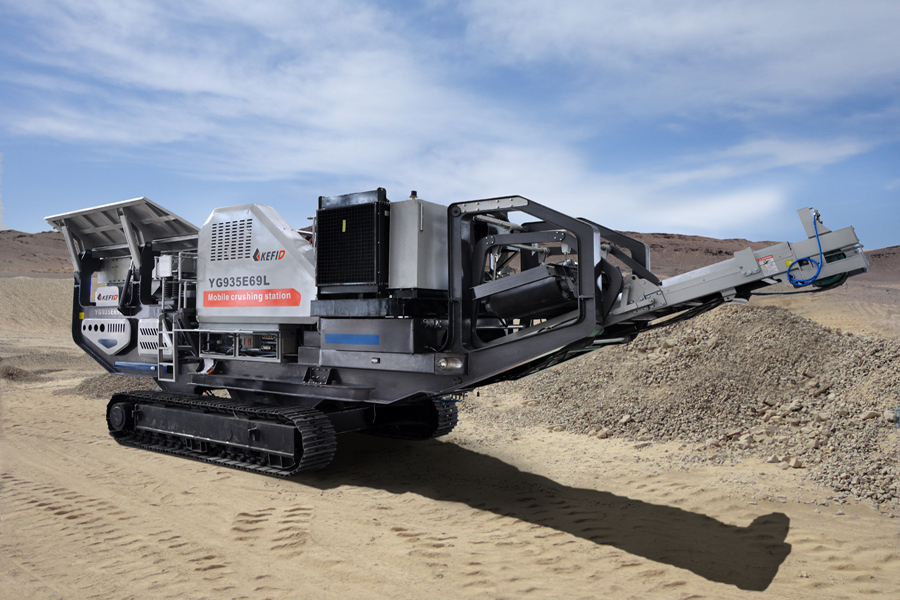
Jaw crushers utilize monolithic bases with finite element-optimized frame geometry to minimize stress concentration under peak loads. Fixed and moving jaw dies are cast from ASTM A128 Grade E2 (Mn-14%) or E3 (Mn-18%) manganese steel, providing work-hardening surface properties that increase hardness from 220 HB to over 550 HB upon impact exposure. Toggle systems employ double-toggle kinematics with hydraulic adjustability, enabling precise closed-side setting (CSS) control within ±1 mm tolerance. Drive configurations use dual V-belt systems coupled with high-torque electric motors (IEC frame standards), delivering consistent stroke profiles across variable feed gradations.
Cone crushers leverage multi-hydraulic adjustment and overload protection systems compliant with ISO 14122 and CE machinery directives. The main shaft is forged from alloy steel (AISI 4140 or 4340), heat-treated to achieve 850–1000 MPa tensile strength and 24–30 HRC surface hardness. Mantles and concaves are precision-machined to maintain uniform eccentric throw (typically 12–25 mm), ensuring consistent particle size distribution. Liner profiles follow ISO 10097 standards for wear life optimization, with modular designs allowing rapid change-out during scheduled maintenance.
Functional advantages of advanced jaw and cone systems:
- High TPH Capacity: Primary jaw crushers achieve 300–1,200 TPH throughput, scalable via feed deck pre-screening and variable frequency drive (VFD) control.
- Ore Hardness Adaptability: Capable of processing materials with compressive strength up to 350 MPa (e.g., basalt, granite) without structural degradation.
- Adjustable CSS Ranges: Jaw crushers offer 50–150 mm CSS; cone crushers provide 6–50 mm fine-adjust capability for tertiary applications.
- Reduced Downtime: Hydraulic tramp release clears uncrushable objects in <15 seconds, maintaining system integrity.
- Wear Life Optimization: Mn-steel liners last 800–1,500 operating hours depending on feed gradation and moisture content.
| Parameter | Jaw Crusher (Primary) | Cone Crusher (Secondary) |
|---|---|---|
| Max Feed Size (mm) | 750 – 1,300 | 150 – 300 |
| Discharge Size (mm) | 50 – 150 | 6 – 50 |
| Capacity Range (TPH) | 300 – 1,200 | 200 – 1,000 |
| Liner Material | Mn-14% / Mn-18% steel | Mn-18% / Ni-hard overlay |
| Drive Power (kW) | 110 – 400 | 160 – 600 |
| Compliance Standards | ISO 12100, CE, IEC 60204 | ISO 13849, CE, EN 61000 |
Crusher chambers are simulated using discrete element modeling (DEM) to predict flow dynamics and optimize nip angle (18°–22° for jaw, 22°–25° for cone), reducing recirculation and power draw. All units undergo factory acceptance testing (FAT) per ISO 9001 protocols, including vibration analysis (ISO 10816) and structural load validation at 120% of rated capacity.
Scalable Solutions for Quarry and Mining Demands: Modular Designs and Custom Configurations
Modular crushing systems are engineered to scale with operational demands in quarries and mining operations, leveraging high-manganese steel (Mn-18%) and alloy-reinforced components (e.g., Cr-Mo-V grades) to withstand abrasive feed materials and cyclic loading. These designs comply with ISO 9001:2015 and CE standards for structural integrity, vibration resistance, and safety in high-throughput environments.
Key functional advantages:
- Rapid deployment via pre-engineered skid-mounted modules reduces on-site installation time by up to 40% compared to fixed plants
- Configurable upstream and downstream integration supports primary, secondary, and tertiary crushing stages using jaw, cone, or impact technologies
- TPH capacity scalability from 100 to 3,000 tons/hour achieved through standardized module stacking and conveyor synchronization
- Adaptive chamber geometries accommodate variable ore hardness (up to Mohs 8.5) with replaceable manganese liners and hydraulic tramp release systems
- Remote monitoring compatibility via integrated PLCs (Siemens/Allen-Bradley) enables predictive maintenance and real-time throughput optimization
Custom configurations are validated through FEA stress modeling and include:
- Feed chute designs optimized for gradation control and reduced plugging in high-clay feeds
- Dust suppression and noise attenuation packages compliant with MSHA and EU Directive 2000/14/EC
- Powertrain options for diesel-electric hybrid or grid-tied operation, supporting off-grid mine sites
All structural welds adhere to AWS D1.1 standards, with non-destructive testing (NDT) protocols applied across load-bearing joints. Base frames utilize S355JR structural steel with hot-dip galvanization for corrosion resistance in humid and saline environments.
Trusted by Industry Leaders: Proven Reliability with Global Installations and 24/7 Support
Big stone crushers for sale are engineered for continuous operation in high-abrasion mining and quarrying environments, leveraging advanced material science and rigorous quality standards to ensure long-term reliability. Critical wear components utilize Mn-14 to Mn-22 alloy steel with controlled chromium and molybdenum additions, enhancing work-hardening response under impact loading typical in primary gyratory and jaw crushing circuits. All units are CE-certified and manufactured to ISO 9001:2015 standards, with finite element analysis (FEA) validation of structural integrity under maximum rated throughput conditions.
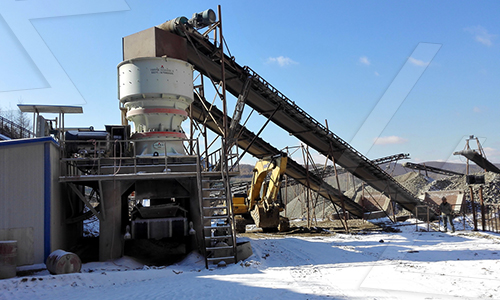
Global installations span over 60 countries, with proven performance in hematite, basalt, andesite, and quartzite processing operations exceeding 1,200 TPH. Crushers are calibrated for Mohs hardness 7–9 feed material, with adjustable closed-side settings (CSS) and hydraulic tramp release systems to prevent downtime from non-crushables. Real-time monitoring via integrated vibration sensors and temperature telemetry enables predictive maintenance scheduling, minimizing unplanned outages.
- Hydraulic modular assembly allows field replacement of mantle and concave liners in <8 hours, reducing MRO downtime by up to 40% versus conventional designs
- Dual-stage dust sealing (labyrinth + pneumatic) protects main shaft bearings in high-dust tropical and desert environments
- PLC-controlled lubrication system with ISO 4406-compliant filtration ensures bearing life >30,000 operating hours under full load
- Remote diagnostics accessible via secure cloud interface with 24/7 multilingual engineering support team response within 15 minutes for critical alerts
All installations include on-site commissioning and operator training aligned with OEM-recommended maintenance intervals. Service contracts offer global spare parts logistics with <72-hour delivery to major mining hubs.
Frequently Asked Questions
What is the expected wear life of jaw plates in primary crushers processing abrasive granite (Mohs 6–7)?
Jaw plates made from Mn14Cr2 high-manganese steel, properly work-hardened under compressive loads, typically last 800–1,200 hours in granite applications. Optimal feed gradation and consistent alignment reduce spalling. Regular torque checks on toggle bolts maintain compression, extending service life.
How do you adjust a cone crusher for variable ore hardness (Mohs 5 to 8) without compromising throughput?
Hydraulically adjust closed-side setting (CSS) between 10–25 mm depending on feed hardness. Use automated tramp release with pressure sensors (e.g., Sandvik H6800 controls). Pair with pre-screening to bypass fines. Monitor amperage to detect packing; maintain 85–90% of rated motor load for optimal power utilization.
What vibration levels indicate critical alignment or bearing failure in large gyratory crushers?
Sustained radial vibration exceeding 5 mm/s RMS at the main shaft housing signals misalignment or eccentric bushing wear. Use SKF Explorer 23036 CC/W33 spherical roller bearings with laser-aligned drive motors. Conduct monthly borescope inspections and FFT analysis to detect early fatigue spalling.
Which lubrication system specifications prevent premature main shaft bearing failure in 1,000-ton/hour crushers?
Employ a dual-line automatic grease system with ISO VG 150 lithium complex soap grease, maintaining +3°C to +8°C above ambient. Monitor differential pressure across filters; replace at 8 bar. Use magnetic plugs to capture ferrous debris; oil samples tested quarterly for particle counts (ISO 4406 <18/16/13).
How frequently should mantle and bowl liners be rotated or replaced in secondary cone crushers?
Rotate manganese bowl liners every 400 hours to balance wear; replace mantles at 70% deterioration or 1,600 operating hours—whichever comes first. Use Mn18Cr2 with solution-treated at 1,060°C and water quenched. Measure liner thickness monthly via ultrasonic testing at six equidistant points.
What foundation design prevents structural resonance in large jaw crushers operating on reclaimed mine sites?
Design reinforced concrete mass foundations with depth ≥1.5× crusher height and minimum 3,500 psi compressive strength. Isolate with neoprene pads (50 Shore A hardness). Perform modal analysis to ensure natural frequency is 30% outside operating range (150–300 RPM). Anchor via ASTM F1554 Grade 105 bolts.