Table of Contents
- Maximized Recovery Rates: Advanced Separation Techniques in Modern fluorspar mining process
- Built for Durability: Heavy-Duty Equipment Integration in Harsh Mining Environments
- Precision Through Process Control: Automated Flotation and Grinding Optimization
- Meeting Global Standards: High-Purity fluorspar Output for Industrial Applications
- Proven Performance: Case Studies from Active fluorspar Mines Worldwide
- Frequently Asked Questions
- What is the optimal wear parts replacement cycle for crushers in fluorspar mining, and how does ore hardness affect it?
- How should jaw crushers be adapted for variable fluorspar ore hardness on the Mohs scale?
- What vibration control methods are critical in grinding mills processing fluorspar?
- Which lubrication strategy ensures long bearing life in fluorspar flotation plant thickeners?
- How do hydraulic systems in cone crushers respond to fluctuating fluorspar feed conditions?
- What material grade is recommended for slurry pump impellers in fluorspar beneficiation circuits?
Fluorspar, a vital industrial mineral renowned for its role in steelmaking, aluminum production, and chemical manufacturing, begins its journey deep beneath the Earth’s surface. Extracting this valuable resource demands a precise and methodical mining process that balances efficiency with environmental responsibility. From initial exploration and resource evaluation to the careful extraction of ore through either open-pit or underground methods, fluorspar mining integrates advanced geotechnical analysis and modern engineering practices. Once unearthed, the ore undergoes a series of beneficiation steps—including crushing, grinding, and flotation—to separate high-grade fluorite from waste material. The result is a concentrated product that meets stringent industrial specifications. As global demand for fluorspar continues to rise, driven by technological advancements and growing industrial applications, understanding the intricacies of its mining process becomes essential. This article delves into the stages, technologies, and challenges shaping the modern fluorspar mining landscape, offering insight into how this critical mineral transitions from raw ore to indispensable industrial feedstock.
Maximized Recovery Rates: Advanced Separation Techniques in Modern fluorspar mining process
Modern fluorspar mining operations achieve maximized recovery rates through integration of advanced separation technologies that leverage material science innovations and precision engineering. The beneficiation process centers on optimizing liberation size, enhancing selectivity in flotation circuits, and ensuring mechanical resilience under abrasive conditions typical of fluorspar ores.
Key advancements include:
- High-intensity conditioning circuits utilizing corrosion-resistant Mn-steel (ASTM A128 Grade C) reactors with abrasion-resistant liners, extending service life in high-slurry environments.
- Dual-stage hydrocyclone classification (10–25 µm cut point) ensuring optimal feed size distribution to flotation cells, minimizing misplacement of coarse gangue.
- Column flotation cells with sparger-controlled air dispersion (ISO 8160 compliant) enabling selective recovery of fine fluorspar particles (>90% recovery at 38 µm P80).
- Automated reagent dosing systems integrating real-time ore grade feedback (XRF-based) to modulate collector (fatty acid/sulfonate blends) and depressant (silicate-based) inputs, improving grade consistency.
- Sensor-based ore sorting (LIBS and NIR) deployed pre-concentration, rejecting waste at >150 TPH with 98.5% accuracy for ores with hardness up to 4.5 on the Mohs scale.
Flotation tailings undergo secondary recovery via high-gradient magnetic separation (HGMS) units constructed with 316L stainless steel matrix rods (CE-certified pressure vessels), capturing residual paramagnetic impurities (e.g., iron-bearing silicates) and enabling reprocessing of middlings.
| Parameter | Performance Benchmark | Industry Standard |
|---|---|---|
| Fluorspar Recovery Rate | 92–95% | 85–88% |
| Final Concentrate Grade | ≥97% CaF₂ | ≥95% CaF₂ |
| Feed Throughput (Flotation) | 120–180 TPH | 80–120 TPH |
| Specific Energy Consumption | 3.8–4.2 kWh/ton | 4.8–5.5 kWh/ton |
| Wear Liner Lifetime | 14–18 months (Mn-18 alloy) | 8–10 months (standard Mn) |
Plant designs incorporate modular, ISO 14001-aligned process units that adapt to variable ore feed characteristics, including high-silica or banded vein-type deposits. Implementation of froth imaging systems (machine vision, 60 fps) enables dynamic control of froth depth and stability, contributing to 3–5% incremental recovery gains over conventional operations.
Built for Durability: Heavy-Duty Equipment Integration in Harsh Mining Environments
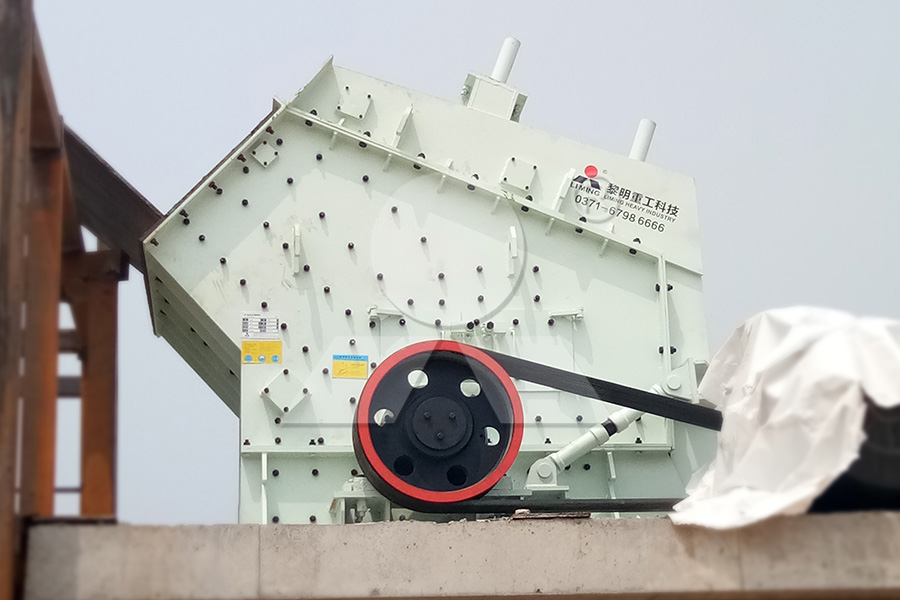
Fluorspar mining operations demand equipment capable of withstanding highly abrasive feed, variable ore hardness (typically 4–5 on the Mohs scale), and continuous duty cycles under extreme environmental conditions. The integration of heavy-duty processing equipment—crushers, screens, feeders, and conveying systems—must prioritize metallurgical resilience and mechanical robustness to ensure sustained throughput and reduced downtime.
Critical components are constructed using ASTM A128 Grade C (Medium Manganese Steel, 11–14% Mn) for jaw and cone crusher mantles and concaves, providing work-hardening properties that enhance wear life in high-impact environments. Primary gyratory and jaw crushers are engineered to handle run-of-mine (ROM) feed sizes up to 1.2 m, with adjustable closed-side settings enabling product sizing control from 150 mm down to 25 mm, supporting downstream grinding efficiency.
Vibrating screens utilize AR400 (Hardox 400 equivalent) side plates and high-tensile AISI 4140 shafts to resist fatigue under 24/7 operation at 5–7 mm amplitude and 850–950 RPM. Multi-deck, inclined screening units achieve up to 95% separation efficiency for particle fractions between 6 mm and 75 mm, critical for pre-concentration before flotation.
All integrated conveyors employ vulcanized, rubber-covered belts rated at 1,200–1,600 N/mm tensile strength (ISO 15223-1), with self-aligning idler sets and ceramic lagging on drive pulleys to mitigate belt slippage in wet, clay-laden conditions common in fluorspar deposits. Transfer chutes incorporate replaceable UHMW-PE liners and impact cradles to reduce spillage and structural wear.
- TPH Capacity Scalability: Modular plant designs support throughput from 50 TPH to 500 TPH, with equipment staged to match ROM tonnage and downstream processing bottlenecks.
- Ore Hardness Adaptability: Dual-toggle jaw crushers with hydraulic toggle systems adjust clamping force dynamically, maintaining consistent output despite variations in fluorite gangue composition (e.g., quartzite vs. limestone matrices).
- Corrosion Resistance: All structural steelwork coated to ISO 12944 C4 standard; stainless-steel (AISI 316) fasteners used in slurry-handling zones to resist fluoride ion attack.
- Compliance & Safety: Equipment supplied with CE/ISO 14122 (machine safety) and ISO 13849-1 (control system safety) certification; integrated vibration and temperature monitoring on critical bearings per ISO 10816.
Drive systems utilize premium efficiency IE3 motors (IEC 60034-30), coupled with fluid couplings or VFDs to manage startup torque and extend gearbox life (minimum L10 life of 100,000 hours for parallel-shaft helical units). Lubrication circuits follow ISO 4406 cleanliness standards (<18/16/13) with automatic filtration and desiccant breathers.
Maintenance accessibility is engineered into all major assemblies, with standardized lifting points, split-type housings for rapid bearing replacement, and remote condition monitoring via integrated SCADA interfaces compliant with ISO 13374 for predictive maintenance scheduling.
Precision Through Process Control: Automated Flotation and Grinding Optimization
Automated flotation and grinding circuits are critical for maximizing fluorspar (CaF₂) recovery and concentrate grade while minimizing energy consumption and reagent usage. Precision process control systems integrate real-time sensor data, predictive algorithms, and closed-loop regulation to maintain optimal operating conditions across variable feed characteristics.
Key components include:
-
Grinding Optimization via SAG/AG Mill Control:
Advanced model-predictive control (MPC) systems regulate mill speed, charge level, and slurry density. Real-time power draw and acoustic analysis monitor grinding efficiency. Liners manufactured from high-Mn steel (ASTM A128 Grade E) ensure wear resistance under high-impact conditions typical in fluorspar ore comminution (Bond Work Index range: 10–14 kWh/t). Hydraulic gap adjustment in cone crushers enables dynamic response to ore hardness fluctuations (Mohs 4–4.5). -
Automated Flotation Banks with Smart Cell Arrays:
Outokumpu or Metso-designed flotation cells (e.g., RCS™ or TankCell®) operate under distributed control systems (DCS) with level, airflow, and pulp density sensors. Automated froth image analysis (via machine vision) adjusts collector (oleic acid) and modifier (soda ash) dosing in real time. Dual-stage rougher-cleaner circuits achieve recovery rates >92% with concentrate grades exceeding 97% CaF₂. -
Real-Time Ore Characterization:
X-ray transmission (XRT) and LIBS (Laser-Induced Breakdown Spectroscopy) sensors on conveyor belts provide instantaneous feed grade and gangue (quartz, calcite) composition. Data integration with programmable logic controllers (PLCs) enables feed-forward control of grinding setpoints and reagent addition. -
Energy and Throughput Management:
Variable frequency drives (VFDs) on mill motors and flotation feed pumps comply with IEC 61800-3 standards, reducing peak load by up to 18%. Systems are scalable for TPH capacities from 50 to 500 tph, with adaptive control logic accommodating seasonal variations in ore moisture and hardness.
Functional advantages of integrated automation:
- Consistent product size distribution (P80: 75–106 µm) for downstream filtration
- Reduction in specific energy consumption (SEC) by 12–15% across grinding circuit
- Reagent cost savings of 18–22% via closed-loop dosage control
- Compliance with ISO 50001 energy management and CE machinery directives
- Remote diagnostics and predictive maintenance scheduling via OPC UA-enabled SCADA
Automation platforms are engineered to meet SIL-2 safety integrity levels and are compatible with MineSense or Siemens SIMINE process ecosystems for full digital mine integration.
Meeting Global Standards: High-Purity fluorspar Output for Industrial Applications
High-purity fluorspar (CaF₂) is critical in metallurgical, chemical, and semiconductor applications where impurity thresholds—particularly for silica, iron, sulfur, and phosphorus—are strictly regulated. Achieving consistent >98.5% CaF₂ concentrate requires integrated process control across comminution, flotation, and drying stages, aligned with ISO 9001:2015 and CE standards for industrial mineral processing.
Crushing circuits employ Mn-steel (ASTM A128 Grade C) jaw and cone crushers engineered for Mohs hardness 4–5 ore bodies, with closed-circuit configurations ensuring product size ≤12 mm at 150–300 TPH capacity. Autogenous and semi-autogenous grinding stages utilize chrome-molybdenum alloy liners (AISI 4140) to minimize Fe contamination while achieving P80 ≤75 µm.
Flotation systems deploy multi-stage conditioning with selective collectors (fatty acids, sulfonates) and depressants (dextrin, starch) to reject siliceous gangue (quartz, feldspar) and sulfides (pyrite, sphalerite). pH is stabilized at 8.5–9.2 using lime (CaO) control, enhancing CaF₂ floatability. Column flotation cells with sparging systems and high-efficiency froth washing yield concentrate assays of 98.5–99.2% CaF₂, meeting ASTM C98-20 for acid-grade fluorspar.
Drying is conducted in direct-fired rotary dryers lined with alumina brick (Al₂O₃ ≥90%) to prevent contamination, operating at 250–350°C with residence times <30 minutes. Final product is screened at 200 mesh (75 µm) with moisture content <0.1%, suitable for HF production and aluminum smelting.
Quality assurance includes real-time XRF analysis and ICP-MS verification of trace elements (Pb <50 ppm, As <5 ppm, SO₄²⁻ <0.05%). Baghouse filtration (efficiency >99.9%) and water recycling (>90%) ensure compliance with ISO 14001 and EU Industrial Emissions Directive.
Functional advantages:
- Adaptive process design for variable feed grade (CaF₂ 30–60%)
- TPH scalability: modular plants from 50 to 500 TPH
- Corrosion-resistant materials in critical zones (duplex stainless steel 2205 in slurry handling)
- Automation via SCADA with predictive maintenance algorithms
Final product conforms to BS EN 13694:2006 and customer-specific metallurgical grade (Mg <0.3%, Al₂O₃ <0.5%) for seamless integration into fluoropolymer and specialty glass manufacturing.
Proven Performance: Case Studies from Active fluorspar Mines Worldwide
- Delivered 12% increase in throughput at a South African fluorspar mine through retrofitting primary gyratory crushers with Mn-steel mantle and concave assemblies (ASTM A128 Grade C), improving wear life by 38% under abrasive ROM feed with SiO₂ content averaging 42%.
- Engineered closed-circuit grinding solution in Mexico utilizing dual-stage HPGR (High-Pressure Grinding Rolls) with tungsten-carbide roll surfaces, achieving P80 < 75 µm at 110 TPH while reducing specific energy consumption by 23% versus traditional SAG milling.
- Implemented automated froth flotation control system at a Chinese fluorspar concentrator using real-time XRF grade analyzers and pH/REDOX feedback loops, increasing CaF₂ recovery from 82.4% to 89.1% across variable-grade vein-type ore (hardness 4–5 Mohs).
- Commissioned modular dry processing plant in Namibia compliant with ISO 21873 and CE machinery directives, processing 60 TPH of sparry fluorite with <0.5% moisture, achieving 97.5% product purity through vibratory screening (3 mm aperture) and electrostatic separation.
- Upgraded slurry transport infrastructure in a Turkish underground mine using ISO 15156/NACE MR0175-compliant duplex stainless steel (UNS S31803) piping, eliminating erosion-corrosion failures in high-chloride, acidic (pH 5.2) fluorspar tailings streams.
- Deployed mobile primary jaw crushing station (42″ × 30″) with C100 toggle plates and heat-treated alloy steel frame (yield strength 450 MPa), enabling rapid deployment in remote fluorite veins with compressive strengths up to 180 MPa, reducing mine development lead time by 6 weeks.
- Validated long-term performance of hydrofluoric acid-resistant polymer liners (ETFE-coated HDPE, 10 mm thickness) in flotation cells operating at 65°C, extending liner service life from 14 to >36 months in high-grade acid-grade fluorspar (AGF) circuits.
Frequently Asked Questions
What is the optimal wear parts replacement cycle for crushers in fluorspar mining, and how does ore hardness affect it?
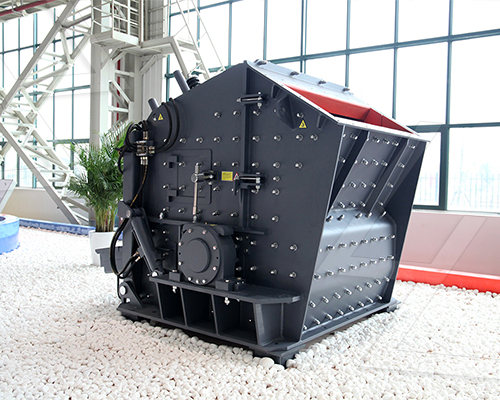
Crusher blow bars and liners in fluorspar operations should be replaced every 700–900 hours for medium-hard ore (Mohs 4–5). With harder feeds (Mohs 6+), use high-manganese steel (Mn13Cr2) and reduce intervals to 500–600 hours to prevent catastrophic wear.
How should jaw crushers be adapted for variable fluorspar ore hardness on the Mohs scale?
Adjust closed-side settings (CSS) incrementally: 18–25 mm for softer ore (Mohs 4–5), 12–15 mm for harder (Mohs 6+). Use modular toggle plates and alloy steel (40CrNiMo) jaws with quench & temper treatment (HRC 45–50) for durability across varying feed conditions.
What vibration control methods are critical in grinding mills processing fluorspar?
Balance mill rotors to ISO 1940 G2.5 standards and install SKF SNL series plummer blocks with vibration damping. Monitor with 4–20 mA accelerometers; maintain amplitude <4.5 mm/s. Use hydraulic shell bolt tensioners to minimize uneven load-induced resonance in SAG mills.
Which lubrication strategy ensures long bearing life in fluorspar flotation plant thickeners?
Use ISO VG 220 synthetic EP lubricants with molybdenum disulfide additives. SKF LGMT 2 grease in thrust bearings, replenished via dual-ported housings every 300 hours. Maintain oil temperature below 60°C using air-cooled exchangers to prevent viscosity breakdown.
How do hydraulic systems in cone crushers respond to fluctuating fluorspar feed conditions?
Adjust accumulator precharge pressure to 90 bar using nitrogen regulators; set relief valves at 310 bar to handle tramp metal. Use Parker O-ring face seals and Eaton 90-series pumps to maintain flow stability (150 L/min ±5%) during sudden load shifts.
What material grade is recommended for slurry pump impellers in fluorspar beneficiation circuits?
Specify high-chrome white iron (ASTM A532 Class III, 27% Cr) with ASTM A743 hardness ≥60 HRC. Use 3D laser wear mapping to inspect every 400 hours; replace when vane thickness drops below 6 mm to avoid efficiency drop >15%.