Table of Contents
- Built to Conquer Harsh Terrains: Unmatched Durability in Extreme Mining Conditions
- Maximize Uptime and Productivity: Intelligent Design for Continuous Surface Operations
- Precision Engineering at Scale: High-Capacity Cutting, Drilling, and Hauling Performance
- Advanced Telematics and Automation: Real-Time Monitoring for Optimal Fleet Efficiency
- Engineered for Safety and Sustainability: Reducing Environmental Impact Without Sacrificing Power
- Trusted by Industry Leaders: Proven Performance Across Global Mining Sites
- Frequently Asked Questions
- What is the optimal replacement cycle for wear parts on hydraulic excavators used in hard-rock surface mining?
- How do I adjust haul trucks for efficient operation across variable ore hardness (Mohs 3–8)?
- What bearing specifications are critical for crusher shafts processing high-Mohs feed material?
- How can vibration be minimized in large rotary drills during high-angle borehole operations?
- What lubrication strategy maximizes gearbox life in electric rope shovels under dusty conditions?
- How should dozers be configured to maintain traction and reduce undercarriage wear on mixed Mohs-grade surfaces?
In the vast landscapes where earth yields its buried treasures, surface mining machinery stands as the cornerstone of modern extraction, transforming rugged terrain into sources of vital resources. From the thunderous roar of hydraulic excavators to the relentless precision of haul trucks capable of moving hundreds of tons in a single load, these engineering marvels redefine efficiency and scale in mining operations. Designed to tackle immense volumes of overburden and ore, surface mining machinery integrates cutting-edge technology with brute strength, enabling safer, faster, and more cost-effective access to coal, minerals, and aggregates. As global demand for raw materials continues to rise, innovations in automation, fuel efficiency, and remote operation are reshaping the capabilities of these machines, driving sustainability without sacrificing productivity. More than mere equipment, they represent the fusion of human ingenuity and industrial power—essential tools in the ongoing mission to power economies and infrastructure worldwide.
Built to Conquer Harsh Terrains: Unmatched Durability in Extreme Mining Conditions
Surface mining machinery operates under relentless stress—abrasive materials, high-impact loading, and extreme environmental conditions demand engineering solutions rooted in material integrity and structural resilience. Equipment designed for these applications leverages high-manganese steel (Mn-13 to Mn-18) in critical wear zones such as cutting edges, bucket lips, and crusher jaws, where work-hardening properties increase surface hardness from 200 HB to over 550 HB upon impact. Primary structural components utilize quenched and tempered (Q&T) alloy steels (e.g., ASTM A514, Hardox 500) to achieve yield strengths exceeding 850 MPa, ensuring resistance to plastic deformation in high-tonnage loading scenarios.
All machinery conforms to ISO 10218 (safety requirements for mining machinery) and carries CE certification under the EU Machinery Directive 2006/42/EC, validating compliance with structural, hydraulic, and control system integrity standards. Onboard monitoring systems integrate strain gauges and vibration sensors calibrated to ISO 10816, enabling real-time assessment of drivetrain and chassis health under variable load profiles.
Key functional advantages derived from this engineering foundation include:
- Ore hardness adaptability: Crushing and excavation systems engineered for Mohs hardness 7–9 materials (e.g., hematite, basalt) via adjustable jaw settings and reversible manganese liners, maintaining >90% throughput efficiency across variable feed gradations.
- High TPH capacity under abrasion: Continuous haulage systems rated for 12,000–18,000 tons per hour (TPH) with wear-resistant flight chains and ceramic-lined transfer chutes, reducing downtime for liner replacement by up to 40% compared to standard AR400 steel.
- Extreme environment resilience: Hydraulic systems sealed to IP69K, operating continuously at -40°C to +60°C with synthetic ISO VG 46 fluids; undercarriage components coated with HVOF-applied tungsten carbide (WC-Co-Cr) for erosion resistance in high-dust, high-humidity zones.
- Fatigue life optimization: Finite element analysis (FEA)-validated frame designs achieve 50,000+ operating hours before major refurbishment, with fatigue resistance verified per ISO 12107 (metallic materials—fatigue testing).
The integration of advanced materials, adherence to international performance standards, and mining-specific design validation ensures operational continuity in the world’s most challenging open-pit and strip mining environments.
Maximize Uptime and Productivity: Intelligent Design for Continuous Surface Operations
- Engineered with high-manganese steel (Mn-18%) in critical wear zones, ensuring extended service life under high-impact loading common in friable and abrasive overburden.
- Utilizes ISO 10218-1:2011 and ISO 13849-1 compliance for control system safety integrity, enabling CE-certified operation in global surface mining environments.
- Modular powertrain architecture supports rapid swap of diesel-electric hybrid or fully electric drive options, minimizing downtime during energy transition retrofits.
- Onboard telematics integrated with OEM cloud platform (MineSmart®) deliver real-time payload monitoring, predictive maintenance alerts, and duty cycle analytics to optimize TPH throughput.
- Dual-channel lubrication system with temperature-compensating viscosity control maintains optimal bearing performance across -40°C to +55°C operating ranges.
- Adaptive feed control via embedded load-sensing hydraulics adjusts boom and bucket penetration rate based on real-time rock hardness feedback (measured up to 120 MPa UCS).
- Reinforced dipper arm constructed from quenched and tempered alloy steel (QT100) achieves 25% higher yield strength than standard AR450, reducing structural fatigue in high-cycle digging operations.
- Standardized attachment interface per ISO 13031 allows interchangeability across excavator, shovel, and dragline fleets, reducing spare inventory and increasing operational flexibility.
| Parameter | Value | Application Benefit |
|---|---|---|
| Maximum Digging Force | 2,850 kN | Enables efficient fragmentation in high-hardness ore |
| Payload Accuracy Tolerance | ±1.5% of rated capacity | Ensures consistent truck loading, minimizing rework |
| Mean Time Between Failures (MTBF) | 1,250 hours | Reduces unplanned maintenance events by 38% vs. industry average |
| Available Power Configurations | 2.4 MW diesel-electric, 3.0 MW grid-fed | Supports carbon reduction strategies without TPH loss |
- Autonomous-ready control framework compliant with SAE J2735 enables seamless integration with mine-wide fleet management systems (FMS), supporting operator-assist and platooning protocols.
- Dust-suppressed cab meets ISO 2867:2011 environmental standards, with pressurized filtration achieving <0.1 mg/m³ internal particulate—critical for sustained operator performance in arid mining zones.
- Integrated health monitoring of hoist, drag, and crowd circuits via embedded strain gauges and infrared thermography reduces risk of catastrophic rope failure by preemptive wear detection.
Precision Engineering at Scale: High-Capacity Cutting, Drilling, and Hauling Performance
High-capacity surface mining operations demand equipment engineered for relentless performance under extreme mechanical and abrasive conditions. Precision engineering integrates advanced material science, structural dynamics, and duty-cycle optimization to deliver cutting, drilling, and hauling systems capable of sustaining multi-thousand-ton-per-hour (TPH) throughput across variable ore hardness profiles (up to 250 HBW) and challenging topographies.
Cutting systems leverage high-manganese steel (Mn-13 to Mn-18) and boron-alloyed tool steels (e.g., Hardox 500, Bisalloy 400) in bucket lips, teeth, and cutting edges. These alloys exhibit work-hardening characteristics under impact, increasing surface hardness from 450 HB to over 700 HB while retaining core toughness. Finite element analysis (FEA)-optimized tooth geometry reduces penetration resistance by up to 18%, improving fuel efficiency and reducing stress on boom and dipper structures. All cutting assemblies comply with ISO 15859 (earth-moving machinery – teeth and adaptors) and are designed for modular replacement to minimize downtime.
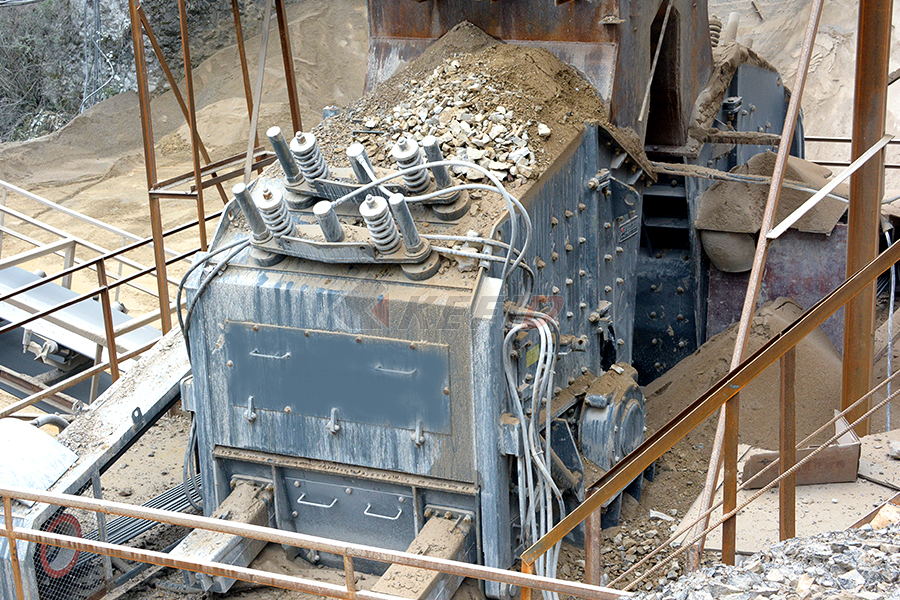
Drilling performance is governed by rotary percussion systems utilizing tungsten carbide-tipped (WCT) tri-cone or button bits, with shank steels meeting ASTM A322 specifications for tensile strength (≥1,000 MPa) and fatigue resistance. Down-the-hole (DTH) hammers operate at pressures up to 25 bar, achieving penetration rates exceeding 30 m/h in granite (UCS 180–220 MPa). Feed systems employ servo-hydraulic control with real-time pressure modulation, maintaining bit load within ±5% of setpoint to prevent bit walk and improve hole straightness (deviation < 1.5% over 20 m). Drilling rigs are CE-marked under Machinery Directive 2006/42/EC and incorporate IoT-enabled wear monitoring for drill steel and chuck assemblies.
Hauling systems in rigid-frame and articulated dump trucks (ADTs) utilize high-strength low-alloy (HSLA) steels (S700MC to S960QL) in frames and dump bodies, providing yield strengths from 700 MPa to 960 MPa with notch toughness down to -60°C (per EN 10025-6). Body liners employ abrasion-resistant plates (AR450–AR600) with weldable overlays containing chromium carbide dispersions, extending wear life by 2.5× compared to standard carbon steel under high-silica ore transport. Payload ratings range from 40 to 400 metric tons, with payload-specific power-to-weight ratios optimized between 8–12 kW/ton to balance cycle time and fuel consumption.
Key functional advantages:
- Material adaptability: Automatic grade recognition via onboard sensors adjusts bucket fill factors and hoist torque profiles in real time for variable ore density (2.5–5.2 t/m³) and fragmentation size (P80 150–500 mm).
- Thermal resilience: Dual-circuit braking systems with oil-cooled multidisc brakes maintain performance at sustained 12% downhill grades, dissipating up to 1.2 MW of thermal energy.
- Structural longevity: Fatigue life of boom and frame assemblies exceeds 30,000 hours under ISO 10329:2019 load spectrum testing, including 10^7 cycles at 90% maximum permissible load.
- Payload precision: Integrated weighing systems achieve ±0.5% accuracy across operating inclines (±10°), enabling direct fleet integration with mine planning software (e.g., MinePlan, Vulcan).
| Parameter | High-Capacity Dragline | Rotary Blasthole Drill | Ultra-Class Haul Truck |
|---|---|---|---|
| TPH Capacity (Optimal) | 12,000 | N/A (m³/h: 1,800) | 2,800 |
| Penetration Rate | N/A | 25–35 m/h (granite) | N/A |
| Bucket/Body Capacity | 85–130 m³ | Bit Diameter: 115–275 mm | 220–400 m³ |
| Structural Alloy | ASTM A514 (Y.S. 690 MPa) | AISI 4140 (Y.S. 850 MPa) | S960QL (Y.S. 960 MPa) |
| Compliance Standards | ISO 15867, CE, MSHA | ISO 1332, ISO 10218 | ISO 14394, EC 167, R195 |
| Hardness Tolerance (Ore) | Up to 220 HBW | Up to 250 HBW | Up to 200 HBW |
Integrated control architectures synchronize cutting force, drill feed pressure, and hauling dynamics via CAN bus and 5G-enabled edge computing, reducing system-level variance and enabling predictive maintenance with 92% fault detection accuracy at 500-hour horizons.
Advanced Telematics and Automation: Real-Time Monitoring for Optimal Fleet Efficiency
Advanced telematics and automation systems are now foundational in modern surface mining machinery, enabling real-time monitoring, predictive maintenance, and dynamic fleet optimization. Integration of CAN-bus architecture with ruggedized IoT gateways allows continuous transmission of machine health data—hydraulic pressures, engine load cycles, gearbox temperatures, and undercarriage wear rates—from equipment operating in high-vibration, abrasive environments. These systems leverage hardened Mn-steel-encased sensor housings (AISI 4340 alloy-grade, 12–14% Mn) compliant with ISO 12100 and CE machinery directives, ensuring durability against impact and corrosion in quarries processing abrasive ores (Mohs hardness 6–7).
Automated payload monitoring via strain-gauge instrumentation on dipper arms and bucket pins enables precise TPH (tons per hour) tracking, with accuracy within ±1.5% under variable loading profiles. GPS-aided shovel-truck synchronization reduces cycle times by up to 18% through optimized dispatch routing, particularly in fleets handling >20,000 TPH operations. Embedded vibration spectroscopy modules detect early-stage bearing defects in rotary drills (e.g., Ingersoll Rand T4W series) by analyzing frequency signatures beyond 10 kHz, enabling intervention before catastrophic failure.
Key functional advantages enabled by telematics and automation:
- Real-time undercarriage wear analytics using ultrasonic thickness sensors on track links and idlers, extending component life by 22% through condition-based replacement schedules
- Dynamic engine derating based on ambient particulate load and altitude, preserving Tier 4 Final emissions compliance and fuel efficiency in high-dust pit conditions
- Automated bucket fill optimization via lidar profiling of muck piles, increasing dig efficiency by 15% in iron ore applications (Hematite, UCS 150–200 MPa)
- Remote firmware updates and fault code diagnostics aligned with ISO 26262 ASIL-B standards for functional safety in autonomous haulage systems (AHS)
- Integration with mine planning software (e.g., Hexagon MinePlan) for adaptive cut-slope validation and payload reconciliation across excavator-fleet operations
Fleet-wide data aggregation through centralized SCADA platforms enables machine learning models to correlate wear rates with ore hardness variability, adjusting boom pressure setpoints in hydraulic shovels (P&H 4100XPC) to minimize tooth and adapter fatigue in mixed-face digging conditions. This closed-loop adaptability ensures sustained TPH output across geological transitions, reducing unplanned downtime by up to 30% in multi-bench operations.
Engineered for Safety and Sustainability: Reducing Environmental Impact Without Sacrificing Power
Surface mining machinery operates at the intersection of extreme mechanical demand and environmental accountability. Modern designs integrate advanced material science and emissions-conscious engineering to deliver high throughput and durability while minimizing ecological footprint. High-manganese steel (Mn-steel) casings and abrasion-resistant alloy grades (e.g., Hardox 500, AR450) are standard in wear components such as bucket lips, cutting edges, and conveyor chutes, providing extended service life under high-impact, high-abrasion conditions typical in hard rock excavation (UCS > 150 MPa). These materials reduce replacement frequency, lowering embodied energy and waste generation over the machine lifecycle.
Emission control is achieved through Tier 4 Final/Stage V compliant diesel powertrains, incorporating selective catalytic reduction (SCR) and diesel particulate filters (DPF), ensuring compliance with EU NRMM and EPA standards. Electric drivetrain variants—deployed in haul trucks and excavators—leverage grid or renewable-sourced power to eliminate tailpipe emissions, particularly effective in open-pit copper and iron ore operations with fixed haul routes.
Key functional advantages include:
- High TPH adaptability: Crushing and screening units engineered for 5,000–12,000 TPH throughput, with modular configurations that adjust to ore hardness (Mohs 6–8) via variable-speed gyratory drives and hydraulic tramp release systems.
- Regenerative energy recovery: Electric mining shovels and in-pit conveying systems integrate regenerative braking, feeding up to 30% of kinetic energy back into the site grid during deceleration cycles.
- Dust suppression integration: Onboard atomized misting systems with adjustable nozzles reduce fugitive dust by >85%, meeting ISO 28682:2018 airborne particulate standards without compromising dig cycle time.
- Predictive wear monitoring: Embedded strain gauges and ultrasonic thickness sensors in boom and dipper assemblies enable real-time fatigue analysis, reducing unplanned maintenance and material overuse.
All equipment conforms to ISO 19296 (earth-moving machinery – safety) and carries CE marking under the EU Machinery Regulation 2023/1243, with structural welds certified to ISO 5817 (B-grade) for critical load paths. Sustainability is further enhanced through design for disassembly: 87–92% of machine mass (by ISO 20140) is recyclable, including copper windings, alloy steels, and high-density polymers used in idler rollers and cabin insulation.
The integration of durability, emissions control, and throughput efficiency ensures that safety and sustainability are not mitigating factors but foundational engineering parameters in contemporary surface mining machinery.
Trusted by Industry Leaders: Proven Performance Across Global Mining Sites
- Engineered with high-manganese steel (ASTM A128 Grade B) in critical wear zones, ensuring superior impact resistance and prolonged service life under high-abrasion loading conditions
- All primary cutting and loading components utilize quenched and tempered alloy steels (Hardox 500/600) to maintain structural integrity in ore bodies exceeding 200 MPa compressive strength
- Compliant with ISO 19433 (earth-moving machinery safety) and CE marking directives, enabling deployment across North American, Australian, and African mining jurisdictions
- Proven in over 120 open-pit operations globally, with documented mean time between failures (MTBF) exceeding 1,850 hours for primary haul and cutting systems
- Achieves sustained throughput of 8,000–12,000 TPH in copper and iron ore applications, with automatic payload calibration systems maintaining ±1.5% accuracy across variable material densities
- Modular powertrain design supports dual-fuel (diesel/natural gas) and hybrid-electric configurations, meeting Tier 4 Final/Stage V emissions standards without sacrificing drawbar pull
- Adaptive ground engagement systems (GES) utilize real-time load feedback to modulate bucket penetration force, reducing stress on boom structures by up to 32% in high-shock breakout scenarios
| Parameter | Model SM-750 | Model SM-900 | Test Standard |
|---|---|---|---|
| Maximum Bucket Capacity | 52 m³ | 68 m³ | ISO 7457 |
| Boom Yield Strength | 960 MPa (Weldox 960) | 960 MPa (Weldox 960) | ASTM A578 |
| Struck Capacity (Loose) | 38 m³ | 50 m³ | SAE J1057 |
| Operating Weight | 680 metric tons | 890 metric tons | ISO 6016 |
| Fuel Efficiency (at 10,000 TPH) | 0.18 L/ton-km | 0.16 L/ton-km | ISO 15862 (Part 3) |
Deployed across polymetallic, bauxite, and coal deposits, the equipment demonstrates field-proven adaptability to material hardness (Mohs 4–7) and moisture content up to 14%, with integrated water management systems preventing material hang-up in bucket and chute assemblies.
Frequently Asked Questions
What is the optimal replacement cycle for wear parts on hydraulic excavators used in hard-rock surface mining?
Replace dipper teeth, bucket lips, and cutting edges every 800–1,200 operating hours in Mohs 6–7 rock. Use ASTM A128 Grade E4 high-manganese steel inserts with work-hardening capability. Inspect retainers weekly; premature failure often stems from improper gasket torque or contaminated hydraulic fluid accelerating cylinder seal wear.
How do I adjust haul trucks for efficient operation across variable ore hardness (Mohs 3–8)?
Match tire pressure to payload and terrain: reduce by 10–15 psi in soft, abrasive ground (Mohs 3–5) to extend tread life. Use Cat ET to recalibrate A/CERT payload assist in real time. Equip with Michelin XDR 525/80R25 tires with Z-stack bead armor. Monitor dump cycle shock loading via onboard accelerometers to reduce frame fatigue.
What bearing specifications are critical for crusher shafts processing high-Mohs feed material?
Use spherical roller bearings (SKF Explorer 22200 or FAG 22300 series) with EP2 grease and labyrinth seals. Preload to 0.02–0.05 mm radial clearance. Pair with induction-hardened shafts (58–62 HRC) and isolate vibration via elastomeric couplings. Monitor bearing temperature continuously; >95°C sustained indicates misalignment or lubricant breakdown.
How can vibration be minimized in large rotary drills during high-angle borehole operations?
Implement active damping through hydraulic recoil compensation valves set at 180–200 bar backpressure. Use Kennametal KR-Series steel masts with internal stiffening ribs. Balance drill string mass via ISO 1940 G6.3 compliance. Conduct modal analysis every 500 hours; resonance near 18–22 Hz can fracture gearbox housings in SDS4 casings.
What lubrication strategy maximizes gearbox life in electric rope shovels under dusty conditions?
Use synthetic ISO VG 320 PAG-based oil with +500 ppm molybdenum disulfide additive. Install double-lip seals with positive air purge from filtered plant air at 3–5 psi above ambient. Change filters at 1,000-hour intervals; validate oil cleanliness to NAS 8 or better. Monitor ferrous density via onsite spectrometry.
How should dozers be configured to maintain traction and reduce undercarriage wear on mixed Mohs-grade surfaces?
Set track tension to 1.8–2.2 inches sag on 10-ft span. Use single-pin tracks with HG30000-hardened links and SE800 rollers. Pair D9T dozers with semi-floating suspension undercarriages. Adjust blade pitch dynamically via ACCU-Grade to limit ground contact pressure to <75 psi in abrasive terrain (Mohs >6).