Australia’s infrastructure boom—spanning from Sydney’s Western Metro to Brisbane’s 2032 Olympic preparations—has triggered a massive surge in demand for high-quality manufactured sand. Quartzite, known for its extreme hardness and high silica content, is an abundant resource in regions like the Northern Territory and South Australia, but its abrasive nature poses significant challenges for standard crushing equipment.
Why Quartzite Requires Specialized Crushing Technology
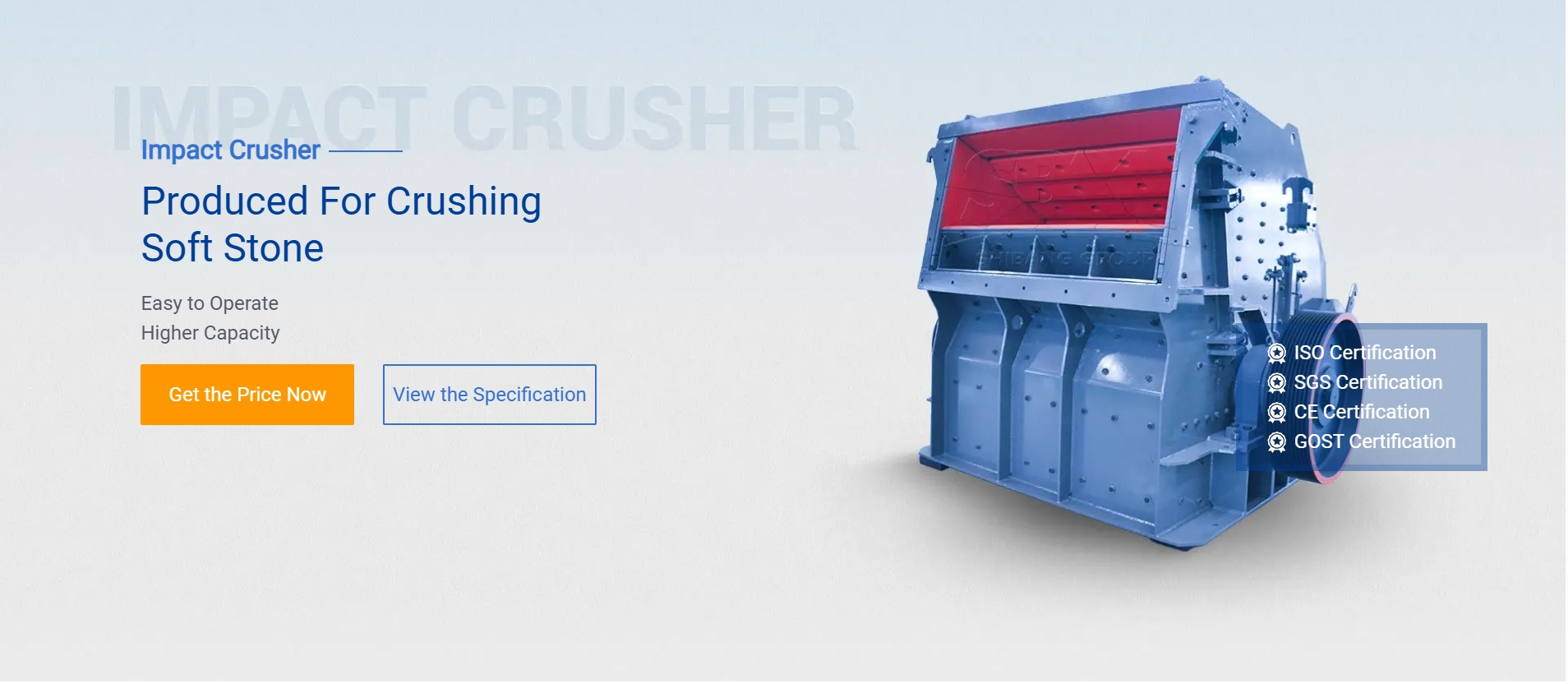
With a Mohs hardness of 7, quartzite is significantly more abrasive than limestone or basalt. Standard impact crushers often suffer from excessive wear and frequent downtime when processing this material. To achieve Australian Standard (AS 2758.1) for concrete aggregates, a specialized multi-stage reduction process is essential.
Optimized Quartzite Crushing Process Flow
To maximize uptime and particle shape quality, we recommend a three-stage circuit designed for abrasive materials:
1. Primary Crushing: Heavy-Duty Jaw Crushing
The process begins with a Heavy-duty Jaw Crusher (such as the C-Series). This stage focuses on high-ratio reduction, handling raw quartzite feed sizes up to 1000mm. Australian operators favor models with replaceable manganese liners to combat the high silica wear.
2. Secondary Crushing: High-Pressure Cone Crushing
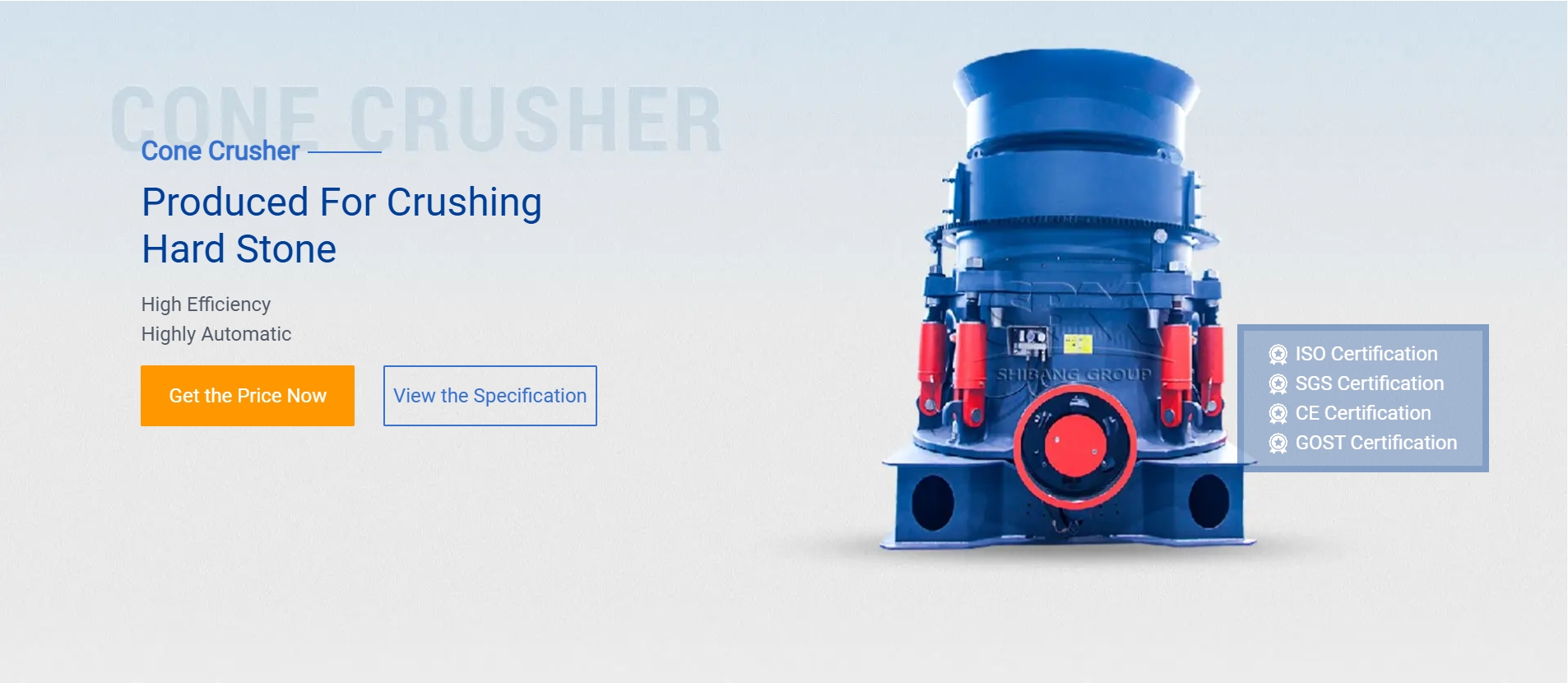
For quartzite, a Hydraulic Cone Crusher is mandatory. Unlike impactors, cone crushers utilize inter-particle crushing (compression), which significantly reduces the cost per ton of wear parts. The high-pressure hydraulic system ensures consistent output even with the toughest West Australian quartzite.
3. Tertiary Shaping: VSI Sand Making (Vertical Shaft Impactor)
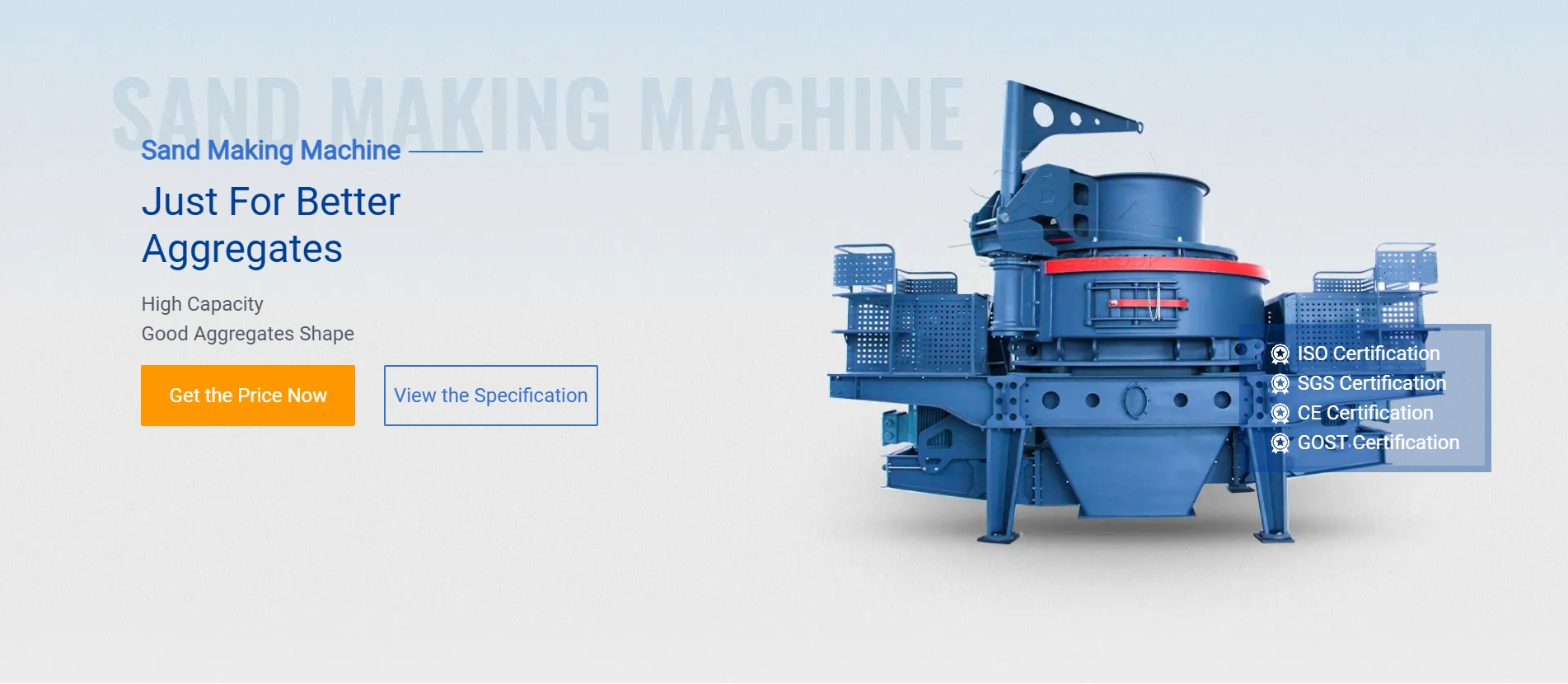
To produce premium “Manufactured Sand” (M-Sand), a VSI Crusher is utilized. By employing a “rock-on-rock” crushing principle, the VSI:
- Corrects the elongated, flaky particles common in quartzite.
- Produces a cubical grain shape that improves concrete workability.
- Removes internal fractures within the stone, increasing the final product’s strength.
4. Precision Screening & Washing
Utilizing high-frequency Vibrating Screens, the material is separated into specific fractions (e.g., 0-5mm, 5-7mm, 10-20mm). In dusty environments like the Pilbara, integrated wet-screening or sand washing systems are often added to meet strict silt-content regulations.
Strategic Market Insights for Australia
- WA & NT Mining Hubs: In remote regions, Mobile Crushing Plants are the preferred choice, allowing operators to move the plant closer to the quarry face and reduce haulage fuel costs.
- Environmental Compliance: New installations must align with the Environment Protection Act regarding dust suppression and noise mitigation, particularly near urban centers like Perth or Melbourne.
- Wear Part Logistics: Given Australia’s vast geography, selecting equipment with a robust local parts network in Adelaide, Perth, or Brisbane is critical to avoiding long lead times for manganese liners.
Success in quartzite sand production in Australia depends on balancing particle shape quality with wear-part economy. By combining the durability of hydraulic cone crushing with the precision shaping of VSI technology, Australian quarry operators can turn challenging quartzite deposits into high-value, compliant construction sand.