Mobile Crusher for Recycling in Austria: A Sustainable Approach to Construction and Demolition Waste
Austria has long been recognized for its commitment to environmental sustainability and efficient waste management. In recent years, the country has increasingly adopted mobile crushing technology as a key component in recycling construction and demolition (C&D) waste. Mobile crushers play a vital role in transforming inert materials such as concrete, bricks, and asphalt into reusable aggregates, supporting Austria’s circular economy goals.
According to data from Statistik Austria, the national statistical office, approximately 28 million tonnes of mineral construction waste were generated in 2021. Over 90% of this material was recycled—among the highest rates in Europe. This high recycling rate is largely attributed to advanced processing technologies and strict regulatory frameworks promoting on-site or near-site recycling solutions.
Mobile crushers have become instrumental in achieving these results. Unlike stationary plants, mobile crushing units can be transported directly to demolition or construction sites. This reduces transportation costs and emissions associated with hauling waste to centralized facilities. Leading Austrian companies such as Kuchling Entsorgung, Saubermacher, and ALBA Group operate fleets of mobile crushers from manufacturers like Kleemann (a subsidiary of Wirtgen Group), Metso Outotec (now part of Metso), and Terex Finlay..jpg)
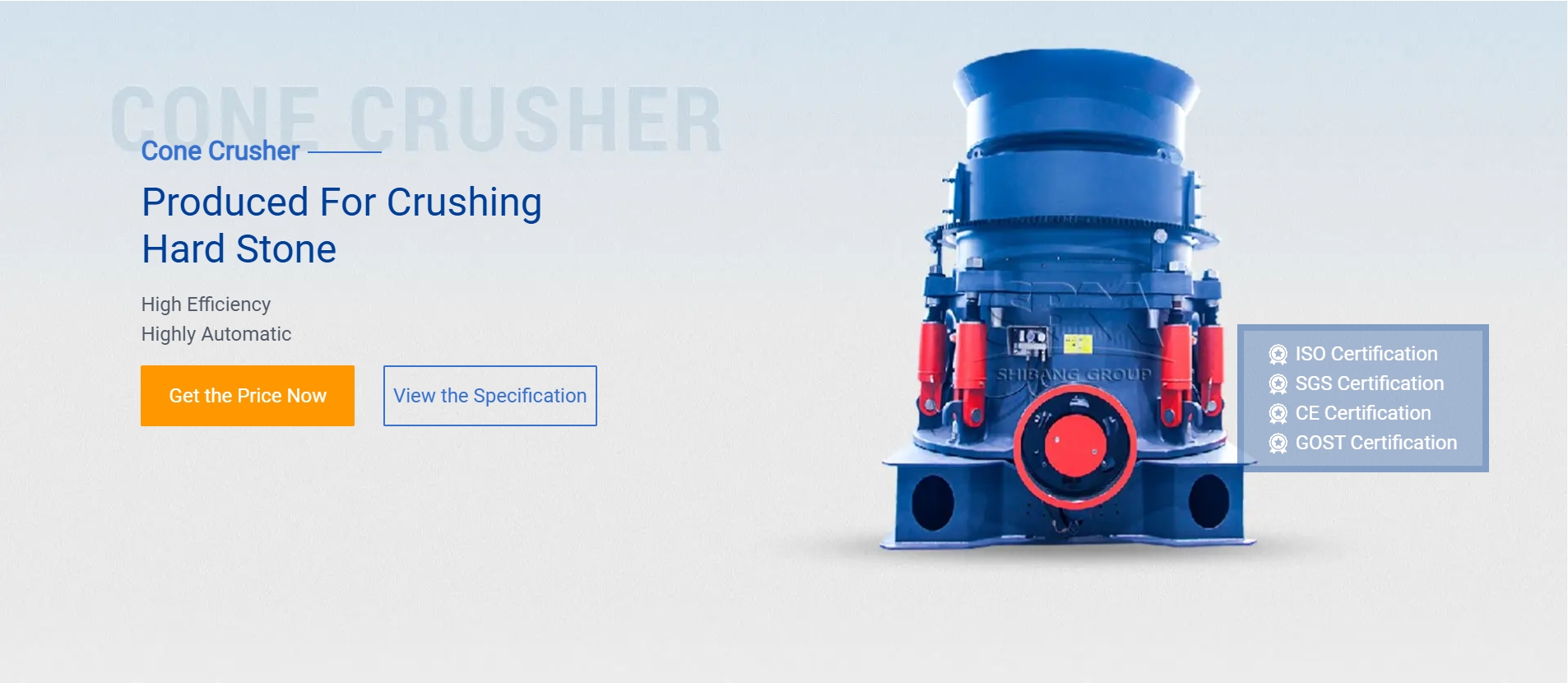
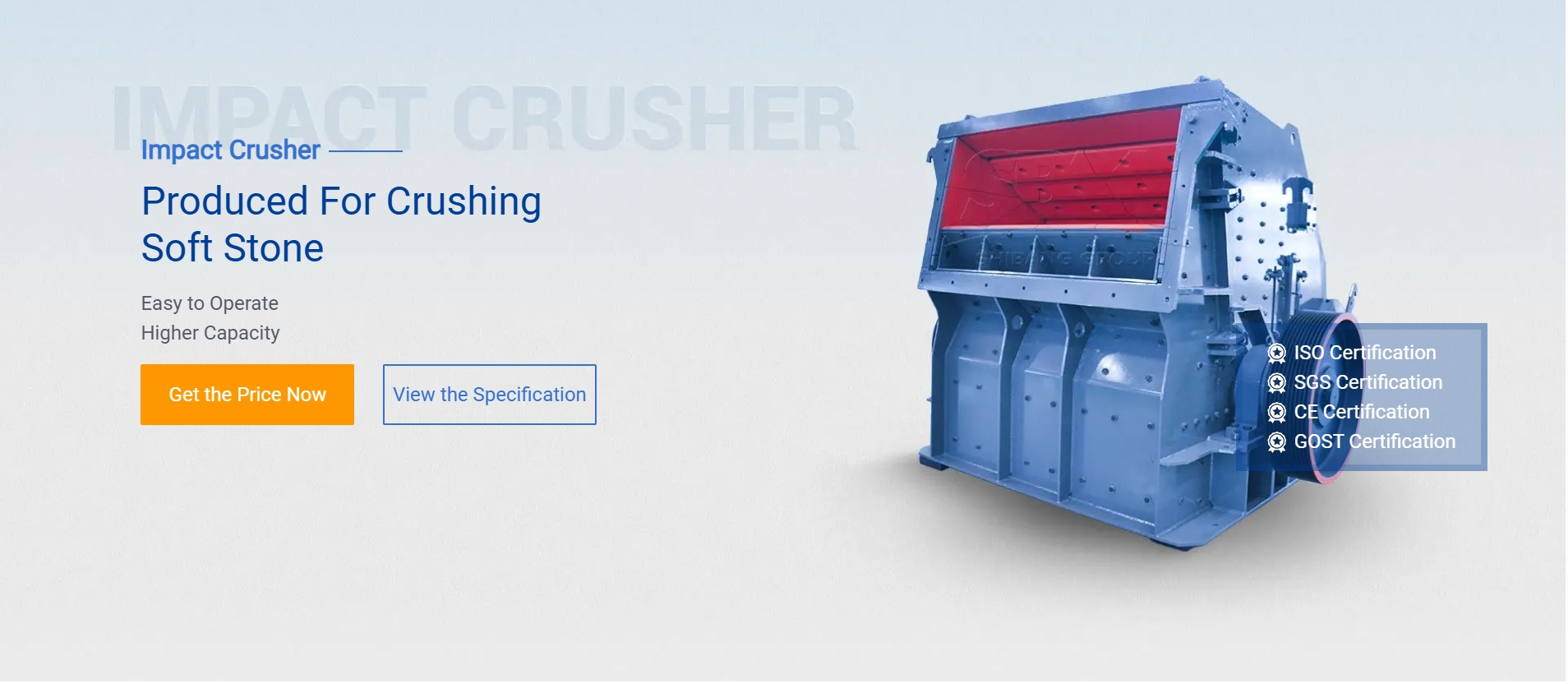
These machines typically include jaw, impact, or cone crushers mounted on tracked or wheeled platforms. Many are equipped with integrated screening systems and magnets to separate ferrous metals, enhancing material purity. For example, the Kleemann MC 110(i) EVO2 mobile jaw crusher is widely used across Austria for processing concrete debris into high-quality secondary aggregates suitable for road subbases or new concrete production.
The Austrian government supports such initiatives through policies like the Waste Management Act (Abfallwirtschaftsgesetz) and landfill bans on untreated C&D waste since 2004. Municipalities also encourage recycling by requiring contractors to submit waste management plans that prioritize reuse and recycling—often mandating minimum recovery rates of 70–80%.
Moreover, research conducted by the Austrian Environment Agency (Umweltbundesamt) highlights that using recycled aggregates from mobile crushing can reduce CO₂ emissions by up to 50% compared to extracting and processing virgin materials. This aligns with Austria’s broader climate targets under the EU Circular Economy Action Plan.
In practice, mobile crushers are frequently deployed in urban redevelopment projects. For instance, during the renovation of Vienna’s Seestadt Aspern district—a large-scale sustainable urban development—mobile crushing units processed demolished concrete on-site to produce fill material for new infrastructure, minimizing truck traffic and environmental impact.
Despite their advantages, challenges remain. Contamination from wood, plastics, or gypsum can affect aggregate quality. To address this, Austrian recyclers often combine mobile primary crushing with subsequent sorting stages at fixed facilities using optical sorting and air classification technologies..jpg)
In conclusion, mobile crushers have become a cornerstone of Austria’s strategy for sustainable construction waste recycling. Supported by strong regulations, technological investment, and environmental awareness, their use reflects a practical application of circular economy principles in real-world infrastructure projects across the country.