Table of Contents
The Malaysian construction and infrastructure sector is surging, with limestone remaining the backbone of the industry. However, for quarry owners in Perak, Pahang, or Sarawak, the challenge isn’t just “buying a machine”—it’s managing the Total Cost of Ownership (TCO) in an era of fluctuating energy prices and strict environmental regulations.
Why “Low-Price” Plants Often Fail in the Malaysian Climate
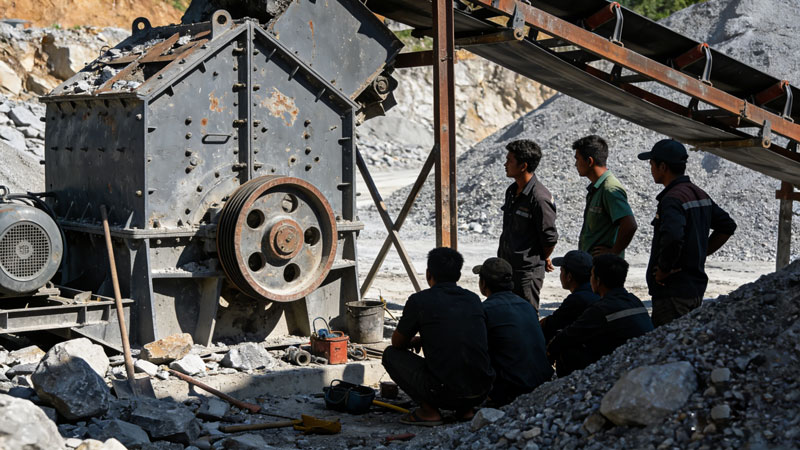
In the Malaysian market, many operators fall into the “Low-Bid Trap.” While the initial CAPEX might look attractive, a low-quality limestone plant often leads to:
- High Wear Rates: Malaysian limestone varies in silica content. Low-grade manganese parts lead to frequent shutdowns every 300-500 hours.
- Humidity Issues: High tropical humidity causes fine particles to clog subpar vibrating screens, reducing output by up to 20% during the monsoon season.
- Energy Inefficiency: With diesel and electricity costs rising, older-generation motors can drain your margins.
Optimized Configuration for Malaysian Limestone
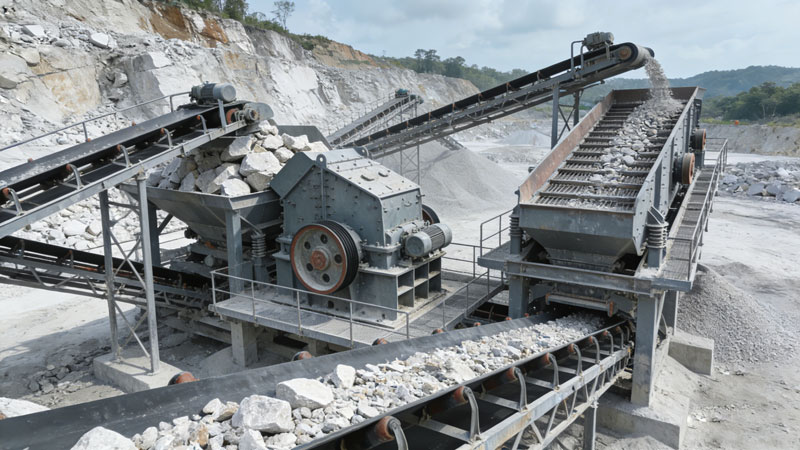
To achieve the best balance between cubical product shape and low maintenance, we recommend a three-stage or high-efficiency two-stage process:
| Stage | Recommended Equipment | Function |
|---|---|---|
| Primary | High-Capacity Jaw Crusher | Handles large feed sizes (up to 1000mm) with ease. |
| Secondary | Impact Crusher (PFW Series) | Specifically designed for limestone to ensure excellent grain shape. |
| Screening | High-Frequency Vibrating Screens | Precise grading of aggregates for JKR (Jabatan Kerja Raya) standards. |
The True Cost of Maintenance: What to Expect
Based on recent data from Clue Insights, the annual maintenance budget for a medium-scale plant (200-300 TPH) should be calculated at 10-15% of the purchase price.
In Malaysia, your OPEX will be dominated by:
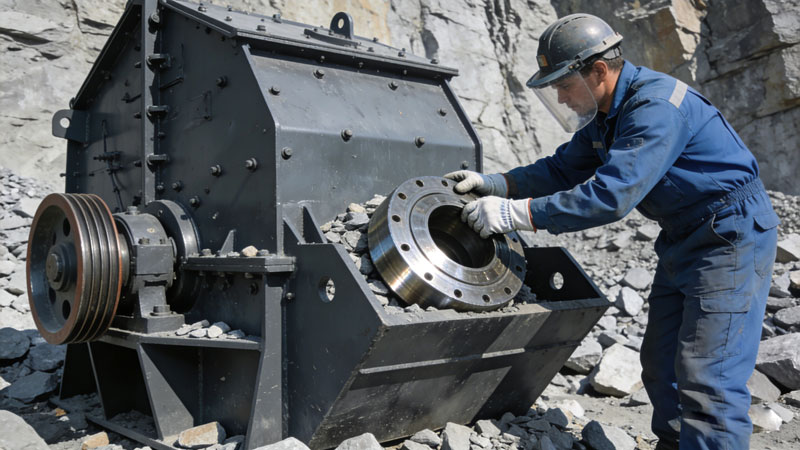
- Wear Parts: Blow bars and liner plates. High-chrome alloys are essential to extend replacement cycles.
- Power Consumption: Modern SBM Malaysia EPC Projects now integrate frequency conversion technology to cut power costs by 15%.
- Unplanned Downtime: Every hour of downtime in a major quarry can cost between RM 2,000 to RM 5,000 in lost revenue.
Navigating Malaysian Regulations & Sustainability
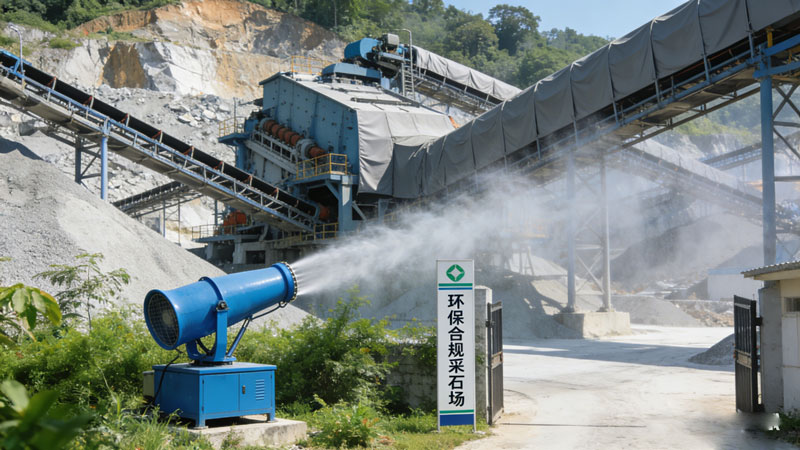
Environmental compliance is no longer optional. According to the Department of Environment (DOE) Malaysia, crushing plants must implement:
- Dust Suppression Systems: Integrated sprayers at transfer points.
- Noise Control: Specialized enclosures for plants located near residential or eco-sensitive zones.
- Smart Monitoring: Using IoT-enabled sensors to track emissions and mechanical health.
Conclusion: Investing in Reliability
Choosing a limestone crushing and screening plant in Malaysia requires more than comparing price tags. It requires a partner who understands the local geology, the regulatory landscape, and the critical importance of after-sales support and spare parts availability.