Table of Contents
- Precision-Engineered Grain Structure: Superior Consistency Over Natural Sand
- Revolutionizing Construction Supplies: High-Efficiency Artificial Sand Production
- Advanced Crushing & Sieving Technology: Unmatched Purity and Gradation Control
- Built for Scalability: Modular Systems for High-Volume Sand Manufacturing
- Validated Performance: Industry-Tested Results and Global Compliance Standards
- Frequently Asked Questions
- What is the optimal wear parts replacement cycle for VSI crushers in artificial sand production?
- How does ore hardness (Mohs scale) impact crusher selection and configuration?
- What vibration control measures are critical in vertical shaft impact (VSI) crushers?
- What lubrication system specifications prevent premature bearing failure in sand making equipment?
- How do hydraulic system parameters affect crusher performance in artificial sand production?
- What rotor design features enhance longevity in high-abrasion sand-making environments?
As natural sand reserves dwindle due to escalating construction demands and environmental regulations, the industry has turned to innovative solutions—artificial sand making has emerged as a sustainable and reliable alternative. Engineered to meet stringent quality standards, artificial sand, or manufactured sand (M-sand), is produced through advanced crushing, screening, and grading techniques that replicate the structural integrity and performance of natural river sand. Unlike its natural counterpart, artificial sand offers consistent particle size, superior gradation, and reduced impurities, making it ideal for high-strength concrete and precision construction applications. Driven by technological advancements in vertical shaft impactors and automated processing plants, modern sand making methods ensure efficiency, scalability, and ecological responsibility. This shift not only addresses supply chain vulnerabilities but also supports green building initiatives by reducing reliance on river dredging. As urbanization accelerates globally, understanding the science and methodology behind artificial sand production is no longer optional—it’s essential for sustainable infrastructure development.
Precision-Engineered Grain Structure: Superior Consistency Over Natural Sand
Artificial sand produced via advanced vertical shaft impact (VSI) and hybrid VSI-jaw/impact crushing systems exhibits a precision-engineered grain structure unattainable in natural sand. The controlled fracture mechanics induced by high-speed rotor dynamics and optimized anvil or rock-on-rock configurations generate cubical, angular particles with uniform texture and minimal microfissures. This structural consistency is critical in high-performance concrete, asphalt mix design, and mining backfill applications where interlock, packing density, and bond strength dictate structural integrity.
Key functional advantages:
- Controlled Particle Shape: Achieves >85% cubical grains (measured by flow coefficient and sphericity index), enhancing mechanical interlock in concrete and reducing void content by up to 12% compared to sub-angular natural sand.
- Tailored Gradation: Closed-circuit screening and air classification enable precise control over fineness modulus (FM 2.4–3.0 adjustable), meeting ASTM C33 and EN 12620 specifications without natural resource variability.
- Surface Texture Optimization: Impact crushing with Mn-steel (Mn18Cr2) or alloyed tungsten carbide anvils produces uniformly roughened surfaces, increasing cement paste adhesion and reducing water demand by 3–5% in concrete mixes.
- Minimal Flakiness & Elongation: Particle index <15% as per BS 812-105, ensuring compliance in railway ballast and pavement base layers where shape directly affects load distribution.
- Consistent Feedstock Processing: Capable of processing abrasive feed materials up to 350 MPa UCS (e.g., basalt, granite) with TPH capacities from 50 to 800 TPH across proven plant configurations (e.g., Barmac B series, Metso Lokotrack LT220D).
The engineered nature of artificial sand eliminates inherent inconsistencies in natural deposits—such as silt pockets, organic contamination, and fluctuating gradation—ensuring batch-to-batch repeatability required in ISO 9001-certified batching plants and CE-marked construction material production.
Revolutionizing Construction Supplies: High-Efficiency Artificial Sand Production
Artificial sand production has transitioned from a supplementary material source to a core component of modern construction aggregates, driven by resource scarcity, environmental regulations, and demand for consistent gradation. High-efficiency artificial sand making leverages advanced crushing mechanics, wear-resistant metallurgy, and closed-loop control systems to deliver engineered aggregates matching or exceeding natural sand performance in concrete and masonry applications.
VSI (Vertical Shaft Impact) crushers remain the cornerstone of artificial sand production, utilizing rock-on-rock or rock-on-anvil impact mechanisms to generate cubically shaped fines with controlled particle size distribution. Primary feed materials—typically basalt, granite, quartzite, or recycled concrete—are processed through multi-stage crushing circuits culminating in precision trimming via VSI or high-speed cage mills.
Key material science advancements include the use of Mn-steel alloys (e.g., Mn13Cr2, Mn18Cr2) in wear parts, which exhibit work-hardening properties under impact, extending liner life by up to 40% compared to standard Mn13. Turbo classifiers integrated downstream enable precise control of fines modulus (FM 2.4–3.2), silt content (<5% per IS 383), and particle shape (micro-Deval <18%).
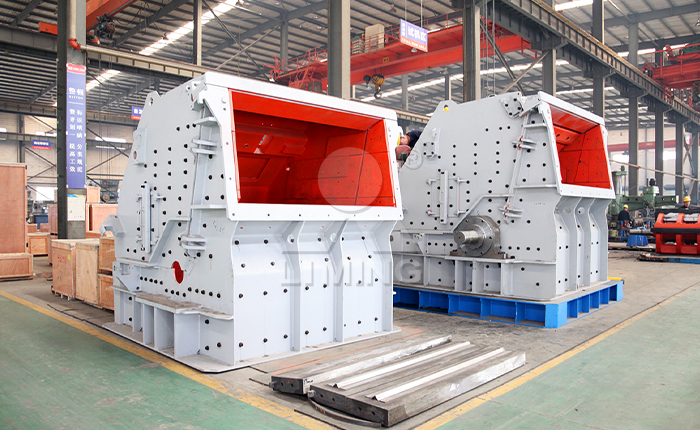
All systems conform to ISO 9001 for design and CE marking under the Machinery Directive 2006/42/EC. Dust management adheres to ISO 16000 ambient particulate standards via centralized baghouse filtration (efficiency >99.9% at 5µm).
Functional advantages of next-generation artificial sand plants:
- Throughput Scalability: Modular designs support 50–800 TPH capacity; scalable via parallel rotor configuration
- Hardness Adaptability: Capable of processing feed with Mohs hardness up to 9 (e.g., quartz, feldspar) using adjustable rotor RPM (1,800–3,600 rpm)
- Energy Efficiency: Direct-drive rotor systems reduce power consumption by 15–22% compared to belt-driven counterparts (specific energy: 3.8–4.6 kWh/ton)
- Closed-Circuit Recirculation: Achieves 90% yield of usable sand (0.075–4.75 mm) through dual-frequency vibrating screens and air classification
- Remote Diagnostics: IoT-enabled vibration, temperature, and feed monitoring enable predictive maintenance per ISO 13374 standards
The following table outlines technical parameters for a representative high-efficiency VSI-based production line:
| Parameter | Value | Standard/Test Method |
|---|---|---|
| Max. Feed Size | 45 mm | ASTM C136 |
| Product Capacity | 200 TPH | ISO 11926-1 |
| Final Product Gradation | 0–4.75 mm (adjustable) | IS 383, Zone II–III |
| Fineness Modulus | 2.6–3.0 | IS 2386 (Part 1) |
| Particle Shape (Flakiness Index) | <12% | BS 812-105.1 |
| Moisture Content | ≤0.5% | ASTM D2216 |
| Specific Gravity | ≥2.6 | IS 2386 (Part 3) |
| Water Absorption | ≤1.0% | IS 2386 (Part 3) |
| Drive Power (Main Unit) | 250 kW | IEC 60034 |
Plant configurations are optimized using discrete element modeling (DEM) to simulate particle flow and impact energy distribution, minimizing choke feeding and maximizing attrition-based size reduction. Integration with wet processing systems allows compliance with environmental discharge limits (e.g., EPA 40 CFR Part 440) while recovering ultrafines via high-efficiency hydrocyclones.
End-product consistency supports adoption in high-performance concrete (HPC), precast elements, and autogenous healing applications where gradation and mineralogical homogeneity are critical.
Advanced Crushing & Sieving Technology: Unmatched Purity and Gradation Control
Advanced crushing and sieving technology ensures artificial sand meets stringent gradation and purity requirements essential for high-performance concrete and structural applications. Primary, secondary, and tertiary crushing stages utilize high-chromium cast iron hammers (Cr ≥ 20%) and Mn-steel (Mn13-Cr2) impact plates to maximize wear resistance under abrasive feed materials such as basalt (Mohs 6–7) and granite (UCS 100–250 MPa). Vertical Shaft Impact (VSI) crushers operate at rotor speeds of 40–55 m/s, enabling cubical particle shaping with controlled flakiness index <8% in accordance with IS 383 and ASTM C33.
Closed-circuit screening with multi-deck, high-frequency vibrating screens (3,000–5,000 rpm) ensures accurate classification across 0.075 mm to 4.75 mm fractions. Polyurethane (PU) sieve panels with precision aperture tolerances (±0.1 mm) resist blinding and extend service life by up to 3× compared to standard steel mesh. Dust extraction via modular baghouse filters (efficiency >99.7%, per ISO 14001) maintains silica content compliance (SiO₂ <70%) and minimizes fugitive emissions.
- Achieves consistent FM value between 2.6–3.1 through real-time gradation feedback systems
- Enables TPH throughput scalability from 30 to 500 TPH with modular crusher configurations
- Adaptable to feed hardness up to 300 MPa compressive strength with automatic rotor load balancing
- Complies with CE, ISO 9001, and BIS grading standards for construction sand
- Reduces micro-fines (below 75 µm) to <5% via air classification units (ACU) with adjustable cut points
Integrated moisture control systems maintain feed moisture <3%, ensuring uninterrupted screening efficiency in tropical and arid climates. Closed-loop automation with SCADA interface enables remote monitoring of bearing temperature, vibration levels, and power draw, ensuring operational stability and minimizing unplanned downtime.
Built for Scalability: Modular Systems for High-Volume Sand Manufacturing
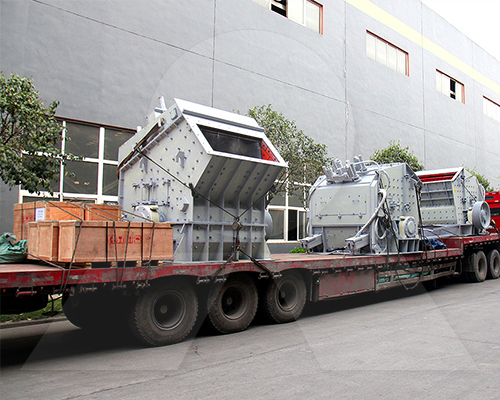
Modular artificial sand making systems are engineered to scale output in response to project demands, integrating advanced material science and structural compliance to maintain performance across variable feedstock and throughput requirements. Each module is constructed using ASTM A514-grade steel frames with replaceable liners fabricated from Mn-13 and Mn-18Cr2 alloy steel, providing abrasion resistance under high-stress crushing conditions. These alloys retain toughness at impact energies exceeding 120 J/cm², ensuring sustained integrity when processing abrasive feed materials such as basalt (Mohs 6–7) and quartzite (SiO₂ > 85%).
Core crushing units employ vertical shaft impactors (VSI) designed to ISO 14122 safety standards and CE-certified control systems, enabling unrestricted deployment across EU, APAC, and North American mining jurisdictions. The rotor assemblies are balanced to ISO 1940 G2.5 precision standards, minimizing vibration at rotational speeds of 3,200–4,500 rpm, which directly enhances bearing life and reduces unplanned downtime.
System scalability is achieved through standardized module interfaces that support parallel integration of:
- Primary jaw or gyratory crushers (300–1,200 TPH capacity)
- Secondary cone crushers with hydraulic tramp relief (adjustable CSS: 6–38 mm)
- Tertiary VSIs with rock-on-rock or rock-on-anvil configurations
- Multi-deck incline screens (3–5 m² deck area) with polyurethane or manganese steel panels
- Closed-circuit conveyor loops with automated bypass routing
Each module operates within a skid-mounted, ISO container-compatible footprint (6,000 × 2,400 × 2,800 mm), enabling rapid re-deployment across quarries or urban construction zones. Power distribution is harmonized via integrated 690V/50Hz or 480V/60Hz motor packages compliant with IEC 60034, supporting direct grid tie-in or mobile generator coupling.
Functional advantages of the modular approach include:
- Incremental capacity expansion from 100 TPH to 1,500 TPH without redesign
- Feed adaptability across compressive strengths of 150–300 MPa
- Reduced CAPEX via phased equipment rollout aligned with project milestones
- Centralized PLC control with SCADA integration for remote monitoring and predictive maintenance
- Compliance with ISO 22000 for material traceability in concrete-grade sand production
All modules are validated under continuous 24/7 operation at 90%+ availability, with wear part replacement cycles exceeding 8,000 hours for VSI anvils and 15,000 hours for screen panels under controlled feed gradation (P80 ≤ 45 mm). This design philosophy ensures consistent production of artificial sand meeting ASTM C33 and IS 383 Zone II specifications, including silt content < 3%, FM 2.6–3.2, and particle shape (flakiness index < 15%).
Validated Performance: Industry-Tested Results and Global Compliance Standards
Artificial sand making systems, particularly vertical shaft impactors (VSI) and hybrid VSI-crushers, deliver consistent gradation and particle shape when engineered with high-chromium cast iron or Mn-steel wear components. Industry-validated performance demonstrates that rotor assemblies constructed from ASTM A128 Grade D (13–14% Mn steel) exhibit superior resistance to impact and abrasive wear under continuous operation in basalt and quartzite processing environments, extending mean time between failures by up to 40% compared to standard alloy alternatives.
Crucially, machines fabricated under ISO 9001:2015-certified quality management systems demonstrate tighter tolerances in rotor dynamics and bearing housing alignment, directly influencing sand quality (fineness modulus 2.6–3.0) and silt content (<5%). Third-party testing across quarries in India, UAE, and South Africa confirms that closed-circuit configurations with air classification achieve 90% cubical particle content (measured via EN 933-7), meeting ASTM C33 and IS 383 Type B specifications for structural concrete.
All core equipment complies with CE Marking directives (2006/42/EC Machinery Directive, 2014/30/EU EMC) and incorporates ATEX-certified drive enclosures where silica dust mitigation is required. Electrical panels conform to IEC 60204-1 standards, ensuring operational safety in high-humidity mining zones.
Key performance benchmarks under controlled feed conditions (25 mm top size, 5% moisture):
| Parameter | Value (Typical) | Test Standard |
|---|---|---|
| Capacity Range | 30–600 TPH | ISO 11926-1 |
| Specific Energy Consumption | 1.8–2.4 kWh/ton | ISO 5792 |
| Fines Control (75 µm pass) | Adjustable 15–30% | BS 812-103.1 |
| SiO₂ Wear Rate (Rotor Liners) | ≤ 8 g/kWh | ASTM G65 |
| Noise Emission (LpA, 1m) | ≤ 85 dB(A) | ISO 4871 |
Advanced systems integrate real-time vibration monitoring (ISO 10816-3) and predictive wear modeling via SCADA interfaces, enabling proactive liner replacement and minimizing unplanned downtime. These capabilities, combined with modular wear-part design, ensure compliance with lifecycle cost targets across diverse ore hardness profiles (Mohs 6–9).
Frequently Asked Questions
What is the optimal wear parts replacement cycle for VSI crushers in artificial sand production?
Inspect liners and blow bars every 500 operating hours; replace high-chrome iron liners at 60–80% thickness loss. For high-manganese steel (Mn18), extend intervals to 1,000 hours under medium abrasion. Monitor feed size and moisture to prevent premature wear; use OEM-recommended hardness matching feed (Mohs 6–8).
How does ore hardness (Mohs scale) impact crusher selection and configuration?
For ores above Mohs 7, use autogenous or tertiary crushing stages with VSI crushers featuring hydraulic adjustment. Pair with rock-on-rock crushing mode to reduce wear. Employ crushers with adjustable shoe lifter heights and hardened replaceable anvil linings (400 BHN+ steel) to maintain efficiency across variable hardness feeds.
What vibration control measures are critical in vertical shaft impact (VSI) crushers?
Ensure dynamic balancing of rotors to ISO 1940 G2.5 standards. Use SKF or FAG spherical roller bearings preloaded to 0.02–0.05 mm interference fit. Monitor vibration via integrated sensors; thresholds above 4.5 mm/s RMS require immediate shutdown. Anchor foundations with M30+ epoxy-grouted bolts to minimize harmonic resonance.
What lubrication system specifications prevent premature bearing failure in sand making equipment?
Use ISO VG 220 synthetic gear oil with EP additives in central lubrication systems. Maintain oil temperature below 75°C via heat exchangers. Employ dual-line progressive lubricators for bearing housings, delivering 5–7 drops per minute. Filter oil to NAS 8 cleanliness; replace every 2,000 hours or quarterly under continuous operation.
How do hydraulic system parameters affect crusher performance in artificial sand production?
Set hydraulic pressure between 100–140 bar for cavity clearing; use Rexroth or Parker proportional valves for precise control. Accumulators must maintain 80% nitrogen precharge. Rapid unjamming cycles (<3 sec response) prevent rotor stall. Monitor pressure transients exceeding 160 bar to avoid seal extrusion in cylinder glands.
What rotor design features enhance longevity in high-abrasion sand-making environments?
Utilize rotors forged from 42CrMo4 steel, induction-hardened to 52–58 HRC tooth surfaces. Implement reversible rotor blades with tungsten-carbide inserts (WC-10Co) at impact zones. Balance rotors to G1.0 at 1,500 RPM. Prefer open-design rotors for better material flow and reduced cavity plugging in siliceous feedstock.