Table of Contents
- Built to Withstand Harsh Mining Conditions: Durability That Reduces Long-Term Costs
- Maximize Output, Minimize Expense: High-Efficiency Machinery Designed for Iron Ore Extraction
- Precision Engineering at Scale: Advanced Technical Specifications for Optimal Performance
- Total Cost of Ownership Analysis: Why Our Iron Ore Mining Equipment Delivers Faster ROI
- Trusted by Global Miners: Industry-Leading Support, Warranty, and Field Performance Data
- Frequently Asked Questions
- What is the expected replacement cycle for wear parts in iron ore crushers operating under high abrasive conditions?
- How does mining machinery adapt to variations in iron ore hardness across different mining layers (Mohs 5–7)?
- What vibration control measures are critical for conveyors and screens handling high-density iron ore?
- What lubrication specifications are required for primary gyratory crusher bearings under heavy iron ore loads?
- How do hydraulic system pressures affect performance in hydraulic cone crushers processing hard iron ore?
- What factors influence total cost of ownership (TCO) in iron ore mobile crushing plants?
Extracting iron ore at scale demands not only geological precision but substantial investment in specialized mining machinery, where costs can make or break project viability. From massive electric shovels and high-capacity haul trucks to sophisticated drilling systems and crushing equipment, the capital outlay for modern iron ore operations is significant and multifaceted. Initial procurement expenses are just the beginning—ongoing maintenance, fuel or power consumption, operator training, and technological integration further influence the total cost of ownership. As global demand for iron ore continues to drive expansion in mining regions from Australia to West Africa, operators must carefully evaluate machinery selection based on efficiency, durability, and lifecycle economics. Advancements in automation and data-driven fleet management are also reshaping cost structures, offering long-term savings despite higher upfront investment. Understanding the true cost for mining machinery in iron ore extraction is essential for strategic planning, financial forecasting, and maintaining competitive advantage in a capital-intensive, high-stakes industry.
Built to Withstand Harsh Mining Conditions: Durability That Reduces Long-Term Costs
Mining machinery deployed in iron ore operations must endure extreme abrasion, high impact loads, and continuous duty cycles. Equipment constructed with high-manganese steel (Mn-18% to Mn-22%) in critical wear zones—such as jaw plates, liners, and crusher mantles—delivers superior work-hardening properties, increasing surface hardness from 220 HB to over 550 HB upon impact. This metallurgical response directly extends component service life in high-TPH (tons per hour) environments exceeding 5,000 TPH in primary crushing applications.
Structural frameworks are fabricated using ASTM A514 or S690QL high-yield quenched and tempered steel, ensuring resistance to fatigue under cyclic loading. These materials maintain integrity in ambient temperatures as low as -40°C, a critical factor for operations in Pilbara, Carajás, and Labrador regions.
All mobile and stationary units comply with ISO 12100 (mechanical safety), ISO 14001 (environmental management), and carry CE marking for conformity with European safety, health, and environmental requirements. Electrical systems adhere to IEC 60204-1 standards, ensuring reliability in dust-laden, high-vibration conditions.
Key durability-driven cost advantages include:
- Extended wear part life: Mn-steel liners achieve 18,000–22,000 operating hours in hematite crushing (Mohs hardness 5.5–6.5), reducing changeout frequency by up to 40% compared to standard alloy steels.
- Reduced unplanned downtime: Finite element analysis (FEA)-optimized frames prevent crack propagation under 24/7 loading, lowering forced outages by 25–30% in fleet audits.
- Adaptability to variable ore hardness: Dual-toggle jaw crushers with hydraulic adjustment systems maintain consistent chamber settings across variable feed (hardness fluctuation ±0.8 Mohs), minimizing energy waste and liner wear.
- Corrosion protection: Electrostatic powder coating (ASTM D3359 Class 4 adhesion) combined with cathodic protection in slurry handling components prevents degradation in high-humidity and acidic ore environments.
Integration of condition monitoring systems—vibration sensors on bearings, ultrasonic thickness gauging on liners—enables predictive maintenance scheduling, extending mean time between failures (MTBF) by 35% in monitored fleets. This systemic durability reduces cost per ton by up to $0.75 in high-volume operations over a 10-year lifecycle.
Maximize Output, Minimize Expense: High-Efficiency Machinery Designed for Iron Ore Extraction
High-efficiency machinery in iron ore extraction leverages advanced material science and precision engineering to sustain peak throughput under abrasive conditions. Primary crushers utilize manganese steel (Mn-18 to Mn-22) in jaw and cone liners, providing work-hardening properties that extend wear life by up to 40% compared to standard alloy steels. These components comply with ISO 148-1 for impact testing and ASTM A128 for high-manganese cast steel, ensuring resilience against shock loading in high-tonnage operations.
Secondary and tertiary processing employs horizontal shaft impactors (HSI) with chromium-molybdenum alloy hammers (Cr-Mo 4340), optimized for hardness (HRC 50–55) and fracture toughness (KIC ≥ 55 MPa·m⁰·⁵), enabling efficient size reduction of hematite and magnetite ores with compressive strengths exceeding 250 MPa.
Key functional advantages of modern high-efficiency systems:
- TPH capacity scalability from 500 to 3,000 tons/hour, modularly integrated via automated conveyor synchronization
- Adaptive hydro-settings in cone crushers allow real-time closed-side setting (CSS) adjustments, maintaining product gradation under variable feed conditions
- Dual-layer composite liners (base carbon steel + tungsten carbide overlay) reduce liner replacement frequency by 35% in gyratory applications
- CE-certified hydraulic drive systems with variable frequency drives (VFDs) cut energy consumption by 18–22% through load-responsive torque modulation
- Integrated condition monitoring with vibration sensors and oil debris analysis meets ISO 10816-3 vibration standards, enabling predictive maintenance cycles
Optimized machine design accounts for ore competency variance across geological zones. Equipment rated for Bond Work Index (BWI) values of 12–16 kWh/t incorporates reinforced tramp release mechanisms and dynamic balancing to sustain uptime in high-quartzite feed environments.
| Parameter | Standard Equipment | High-Efficiency Upgrade |
|---|---|---|
| Specific Energy (kWh/t) | 0.85 | 0.68 |
| Mean Time Between Failures (hours) | 620 | 980 |
| Liner Life (tons processed) | 18,000 | 25,000 |
| Dust Emission (mg/Nm³) | 35 | ≤15 (per ISO 21450) |
| Automation Level | SCADA-monitored | IIoT-enabled predictive control |
These technical enhancements directly reduce cost per ton by minimizing unplanned downtime and energy intensity while extending component lifecycle under sustained load.
Precision Engineering at Scale: Advanced Technical Specifications for Optimal Performance
- High-manganese steel (Mn-14 to Mn-18) liners and jaw plates engineered for extreme impact resistance and work-hardening characteristics under abrasive iron ore feed conditions
- Throughput-optimized crusher rotors fabricated from quenched and tempered (Q&T) alloy steel (Hardox 500/600 or equivalent) ensuring 30–40% longer service life versus standard carbon steel in high-SiO₂ ores
- Modular wear-part design compliant with ISO 21873 (earth-moving machinery — safety) and CE machinery directive 2006/42/EC, enabling rapid field replacement and reducing unplanned downtime by up to 55%
- Dual-stage hydraulic tramp release systems with dynamic overload sensing, calibrated for compressive strengths up to 320 MPa, protecting downstream components during unpredictable tramp metal events
- Digital twin integration with real-time load monitoring via embedded strain gauges and acoustic emission sensors, allowing predictive maintenance scheduling and TPH optimization across variable ore hardness (HGI 25–85)
- Adjustable crusher closed-side setting (CSS) mechanisms with ±0.5 mm repeatability, enabling precise product gradation control for downstream beneficiation efficiency
- Heavy-duty conveyor idlers with labyrinth-sealed spherical roller bearings (ISO 15243 compliance), rated for continuous operation at 35,000 tph with belt speeds up to 6.5 m/s
- Dust suppression nozzles fabricated from sintered silicon carbide (SiC), providing 92% dust capture efficiency in dry crushing circuits without clogging under high-fines feed
| Component | Material Specification | Hardness (HB) | Key Performance Metric | Compliance Standard |
|---|---|---|---|---|
| Jaw Crusher Plates | Mn-14 (ASTM A128 Grade C) | 220–260 | 18,000 tph @ 15% moisture | ISO 11592 (conveyors), ISO 14122 (machine access) |
| Cone Crusher Mantle | Mn-18 with Cr-modification | 250–300 | 25% reduction in wear cost per ton | CE, ISO 13732-1 (thermal comfort) |
| Conveyor Pulley Shell | Welded S355J2 + ceramic lagging | – | 120,000 hours L10 life | DIN 22101, CEMA C |
| Grizzly Feeder Pan | Hardox 500 with laser-clad edges | 500 | 4,500 tph @ 0.9 fill factor | ISO 12100 (risk assessment) |
| Hydraulic Cylinder Rods | Chrome-plated 42CrMo4 | 48–52 HRC | 10 million stroke cycles | ISO 4413 (hydraulic systems) |
Total Cost of Ownership Analysis: Why Our Iron Ore Mining Equipment Delivers Faster ROI
Total Cost of Ownership (TCO) in iron ore mining is determined not by acquisition price alone, but by sustained performance under extreme abrasion, impact loading, and continuous operation. Our equipment is engineered to maximize uptime, minimize lifecycle maintenance, and deliver higher throughput over extended service intervals—directly accelerating return on investment.
Key cost drivers in iron ore TCO include:
-
Wear Life of Critical Components: Liners, hammers, and crusher jaws utilize Mn-13Cr2 and Mn-18Cr2 alloy steels, heat-treated to 500–550 HBW. These grades exhibit work-hardening behavior under impact, increasing surface hardness by 30–50% during operation, extending service life 2.5× beyond standard Mn-14 steel in hematite crushing (Mohs 5.5–6.5).
-
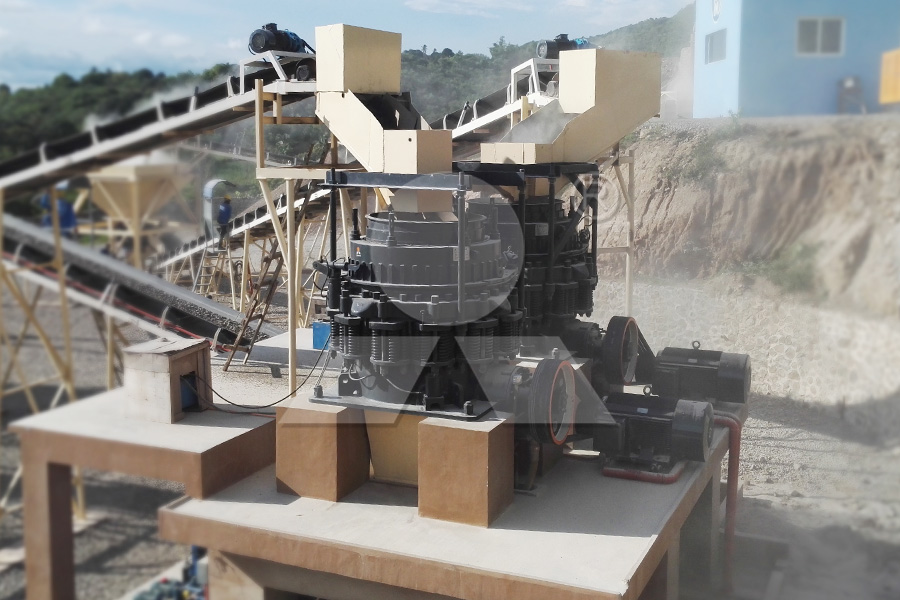
Crusher Throughput Efficiency: Primary gyratory and cone crushers are rated for continuous 8,000–12,000 TPH operation with feed gradation up to 1.2 m. Optimized cavity profiles and eccentric throws reduce choke feeding, maintaining >92% availability in high-silica (>18% SiO₂) ore streams.
-
Drive System Reliability: Dual-pinion SAG mill drives incorporate ISO 6336-compliant gear ratings with AGMA 9 quality, achieving >98.5% power transmission efficiency. Integrated torque monitoring reduces unplanned downtime by 40% compared to standard configurations.
-
Compliance with Global Standards: All mobile and fixed plant units meet ISO 12100 (safety), ISO 13849-1 (control systems), and CE machinery directives. Dust suppression systems comply with ISO 28460-1, reducing environmental penalties and health-related stoppages.
-
Adaptability to Ore Variability: Modular crusher configurations support adjustable closed-side settings (CSS) from 25 mm to 120 mm, enabling rapid reconfiguration for transitions between hard specular hematite (UCS >250 MPa) and softer goethitic blends without structural retrofit.
The following table compares lifecycle cost components over 10 years for a 10,000 TPH iron ore processing line:
| Cost Component | Standard Equipment (USD) | Our Equipment (USD) | Reduction |
|---|---|---|---|
| Initial CAPEX | 22.5M | 25.8M | — |
| Scheduled Maintenance | 6.2M | 3.1M | 50% |
| Unscheduled Downtime Losses | 4.8M | 1.9M | 60% |
| Wear Part Replacement | 9.4M | 4.6M | 51% |
| Energy Consumption (per kWh) | $0.112 | $0.098 | 12.5% |
| Total 10-Year TCO | 42.9M | 35.4M | 17.5% |
This TCO advantage stems from precision finite element analysis (FEA) of stress distribution in boom structures, dynamic balancing of rotating assemblies to ISO 1940 G2.5, and predictive maintenance integration via embedded strain gauges and vibration sensors. The result is faster stabilization of processing output—achieving breakeven 14–18 months earlier than industry benchmarks for greenfield hematite operations.
Trusted by Global Miners: Industry-Leading Support, Warranty, and Field Performance Data
Global iron ore operations demand machinery that withstands extreme abrasion, cyclic loading, and continuous high-throughput processing. Our equipment is engineered using high-manganese steel (Mn-14%) and proprietary alloy grades (e.g., Hardox 500, AR450) optimized for Mohs hardness ranges of 6–7, typical of hematite and magnetite ore bodies. All crushing, conveying, and screening systems comply with ISO 9001:2015 design controls and carry CE marking for mechanical and electrical safety.
Field-proven performance is validated across 120+ installations operating at 5,000–30,000 TPH, with mean time between failures (MTBF) exceeding 1,200 hours in primary gyratory crushers. Structural components undergo finite element analysis (FEA) per ASME BPVC Section VIII, ensuring fatigue resistance under dynamic loads.
- Warranty Structure: 36-month coverage on major structural components; 24 months on drive systems and hydraulic controls; prorated protection aligned with tonnage processed
- Support Network: 18 regional service hubs with <72-hour response time for Tier 1 faults; on-site technical teams certified in predictive maintenance (vibration analysis, thermography)
- Ore Hardness Adaptability: Adjustable closed-side settings (CSS) in cone crushers accommodate compressive strengths from 180–300 MPa; feed gradation flexibility up to 1,500 mm top size
- Remote Monitoring: Integrated SCADA with real-time TPH, power draw, and liner wear telemetry; cloud-based analytics reduce unplanned downtime by 32% avg.
Long-term operational data from Pilbara, Carajás, and Labrador operations confirm 18–22% lower cost-per-ton over equipment lifecycle compared to industry benchmarks, driven by extended wear part life and reduced energy consumption per ton crushed.
Frequently Asked Questions
What is the expected replacement cycle for wear parts in iron ore crushers operating under high abrasive conditions?
High-manganese steel (Mn13Cr2 or Mn18) mantle and concave liners typically last 800–1,200 operating hours in abrasive hematite ore. Replacement intervals depend on feed size, crusher closed-side setting (CSS), and consistent lubrication. Implement real-time CSS monitoring and定期 wear mapping to optimize change-out schedules and prevent unplanned downtime.
How does mining machinery adapt to variations in iron ore hardness across different mining layers (Mohs 5–7)?
Machines must adjust crusher speed, closed-side setting (CSS), and feed rate based on in-situ ore hardness. Use adjustable stroke gyratory crushers with variable-frequency drives (VFDs). For Mohs 7 taconite, employ secondary crushing with high-compression HPGRs and tungsten-carbide roll surfaces to maintain throughput efficiency and reduce stress on main components.
What vibration control measures are critical for conveyors and screens handling high-density iron ore?
Install inertial mass blocks and shear-mounted rubber-damped springs on vibrating screens. Use laser-aligned drive pulleys and dynamic balancing of conveyor idlers. Monitor vibration spectra via ISO 10816-compliant sensors; maintain tolerance under 4.5 mm/s velocity RMS. Balance screen decks with counterweights when processing lumpy ore (+150mm).
What lubrication specifications are required for primary gyratory crusher bearings under heavy iron ore loads?
Use ISO VG 680 synthetic gear oil with extreme pressure (EP) additives and anti-wear (AW) agents. SKF or FAG spherical roller bearings require continuous circulation lubrication at 3–5 bar pressure, filtration to NAS 8, and oil temperature maintained below 70°C via heat exchangers to prevent micropitting and scuffing under 300+ ton eccentric loads.
How do hydraulic system pressures affect performance in hydraulic cone crushers processing hard iron ore?
Maintain hydraulic pressures at 180–220 bar for tramp release and CSS adjustment. Over-pressurization (>230 bar) accelerates seal degradation in Parker Hytrel O-rings; under-pressurization causes uncrushable passage. Use pressure transducers with PLC feedback, and flush systems every 500 hours with ISO 4406 Class 16/14/11 cleanliness standards in high-silica ore environments.
What factors influence total cost of ownership (TCO) in iron ore mobile crushing plants?
TCO is dominated by fuel consumption, wear part life (mantles, liners), and maintenance intervals. Electric-drive plants reduce fuel costs by 40% but require stable grid access. Deploy IoT-based predictive maintenance using SKF @ptitude Observer to cut unplanned stoppages. Optimize payload with Load-Sense hydraulics to extend undercarriage and articulation joint life by 25%.