Table of Contents
- Maximizing Operational Efficiency with Continuous Material Flow
- Reducing Downtime with Rugged, Mine-Tough Conveyor Design
- Scaling Output with Fully Customizable Conveyor Configurations
- Engineered for Safety: Minimizing Risk in High-Intensity Mining Environments
- Lower Total Cost of Ownership with Energy-Efficient Drive Systems
- Proven Performance: Trusted by Leading Global Mining Operations
- Frequently Asked Questions
- What is the typical wear part replacement cycle for belt conveyor idlers in high-abrasion mining environments?
- How do belt conveyors adapt to varying ore hardness (Mohs 4–9) without frequent reconfiguration?
- What engineering solutions mitigate structural vibration in long-distance belt conveyors?
- Which lubrication strategy optimizes bearing life in dusty underground mining conveyors?
- How does conveyor belt splicing method affect operational reliability in high-tension systems?
- What measures prevent belt misalignment in uneven terrain surface conveyors?
In the dynamic world of modern mining, efficiency, safety, and cost-effectiveness are paramount—and few technologies deliver on all three like the belt conveyor system. As mines grow deeper and operations expand in scale, traditional haulage methods increasingly struggle to keep pace. Enter belt conveyors: a proven, reliable solution transforming material transport across surface and underground mining environments. Offering continuous, high-capacity movement of ore and overburden with minimal energy consumption, belt conveyors significantly reduce operational downtime and fuel dependency compared to truck-based systems. Their ability to navigate long distances, steep inclines, and challenging terrains makes them indispensable in today’s complex mining landscapes. Beyond performance, they enhance worker safety by minimizing heavy vehicle traffic and lowering the risk of accidents. With lower emissions and reduced maintenance demands, belt conveyors also align with the industry’s sustainability goals. As mining companies seek smarter, greener ways to boost productivity, the strategic advantages of belt conveyor systems are proving not just beneficial—but essential.
Maximizing Operational Efficiency with Continuous Material Flow
Continuous material flow in belt conveyor systems eliminates bottlenecks inherent in cyclic haulage methods, enabling mining operations to achieve peak throughput efficiency. By maintaining a steady stream of bulk material from pit to processing, conveyors reduce idle time, energy spikes, and equipment wear associated with stop-start transport.
Key advantages derived from uninterrupted material transport:
- Sustained TPH Capacity: Modern conveyor systems support throughput rates exceeding 10,000 TPH, scalable via modular design and multi-stage configurations. High-capacity troughing idlers (35°–45°) and deep-carry configurations optimize load containment.
- Adaptability to Ore Hardness: Belts rated for abrasive materials utilize 4–6 mm rubber covers with high abrasion resistance (ISO 14890), while impact zones employ cushioned plies and 10+ mm top covers. Carcass tensile strength ranges from ST800 to ST3150 (steel cord), selected based on lumpsize distribution and drop height.
- Material Science Integration: Idler rolls constructed from high-Mn steel (e.g., ASTM A128 Grade C) resist impact and galling in high-dust environments. Pulley lagging uses vulcanized ceramic tiles (Al₂O₃ ≥ 85%) for traction in wet, high-torque conditions.
- Compliance with Technical Standards: All structural components adhere to ISO 5048 (belt conveyor calculations), ISO 15633 (safety), and CE-Marking under the Machinery Directive 2006/42/EC. Dynamic start-up simulations comply with DIN 22101 standards to minimize peak power demand.
- Reduced Downtime: Continuous flow reduces reliance on fleet coordination and driver availability. Predictive maintenance via vibration sensors on drive pulleys and thermal imaging of splices ensures >95% system availability.
- Energy Efficiency: Regenerative drives recover up to 30% of energy in downhill sections, while variable frequency drives (VFDs) match motor output to load profile, reducing kWh/ton by up to 40% versus truck haulage.
Integration with in-pit crushing and conveying (IPCC) systems further enhances efficiency by minimizing material rehandling. The use of high-modulus polyester-nylon (EP) belts for overland applications ensures low elongation and precise tracking over spans exceeding 5 km.
System longevity is reinforced through alloy selection (e.g., S355J2 structural frames) and cathodic protection in corrosive environments. These engineering controls ensure continuous operation under abrasive, high-moisture, and extreme-temperature conditions typical in hard-rock mining.
Reducing Downtime with Rugged, Mine-Tough Conveyor Design
Conveyor system reliability in mining operations hinges on design resilience under high-impact loading, abrasive bulk materials, and continuous operation. Downtime reduction begins with material selection and structural engineering calibrated to extreme duty cycles. Use of ASTM A514 or AR450 abrasion-resistant (AR) steel in skirting, impact beds, and transfer points significantly extends wear life when handling high-Bond-index ores. Chutes and loading zones incorporate Mn-13 or Mn-18 Hadfield steel liners, which work-harden under impact—critical for primary crusher discharge conveyors processing ROM iron or copper ores exceeding 200 MPa compressive strength.
Drive pulleys employ ISO 1204-2-compliant lagging profiles with 60–75 Shore A nitrile rubber or ceramic inserts, enhancing grip in wet, muddy conditions while resisting groove wear. Tail and wing pulleys follow DIN 22101 standards for belt tracking stability, reducing spillage and edge degradation. Structural frames are designed to CE EN 1993-1-1 (Eurocode 3) for fatigue resistance, with finite element analysis (FEA)-verified support spans accommodating dynamic loads up to 120% of nominal TPH capacity during surge flow events.
Key functional advantages of mine-tough conveyor design:
- Impact-Resistant Idler Systems: Triple-roll impact cradles with polymer-coated rolls (PEEK or UHMW-PE) reduce bounce-induced spillage; rated for 3–5 m drop heights in hard rock applications.
- Sealed Bearing Cartridges: ISO 15243:2017 Class C3 clearance bearings with labyrinth seals and automatic greasing systems achieve >30,000 hours L10 life in high-dust environments.
- Modular Belt Tracking Controls: Laser-guided alignment sensors integrated with PLC logic correct misalignment within ±0.5°, minimizing belt edge wear and unplanned stoppages.
- Quick-Change Wear Liners: Bolted replaceable liners in transfer points cut maintenance time by 60% vs. welded solutions; compatible with ASTM A656 Grade 80 structural upgrades.
- Corrosion Protection: Hot-dip galvanizing (ISO 1461) or thermal-sprayed zinc-aluminum (Zn-15Al per ISO 2063) used on structural components in high-humidity or acidic run-of-mine conditions.
Design scalability supports TPH rates from 500 to 12,000 tons/hour, with belt widths ranging from 1.2 m to 2.4 m (48″ to 96″) and speeds up to 5.5 m/s, optimized using CEMA 7th Edition and ISO 5048 belt tension models. These engineering foundations ensure mean time between failures (MTBF) exceeds 1,800 hours in abrasive, high-throughput mining circuits.
Scaling Output with Fully Customizable Conveyor Configurations
- Modular frame designs utilize ASTM A572 Grade 50 structural steel with optional Mn-steel (12–14% manganese) wear plates in high-impact zones, enabling resistance to abrasive iron ore and copper-gangue mixtures exceeding 150 MPa compressive strength.
- Drive configurations support single, dual, or multi-drive setups with electric motors up to 1,250 kW, achieving material throughput from 500 to 12,000 TPH while maintaining belt speeds between 3.0 and 6.5 m/s.
- Tailored idler spacing (750 mm troughing, 1,500 mm return) engineered per DIN 22101 standards to reduce belt deflection under load, minimizing edge wear and spillage on high-density materials (ρ ≥ 3.2 t/m³).
- Belt selection includes EP 800/4 to 2,500/6 fabric plies or ST 1,000–ST 5,000 steel cords, with top covers rated for ISO 14890 abrasion resistance (≤100 mm³ loss) and optional +10 mm impact-resistant lugs for run-of-mine applications.
- Transfer chutes integrate AR450 or Hardox 500 liners with aerodynamic profiling to control dust and reduce kinetic impact on belt surface, validated via DEM (Discrete Element Modeling) simulations for ore feed sizes up to 1,200 mm.
- Fully compliant with ISO 5048 (belt conveyor calculation), ISO 15236 (belt standards), and CE-Marking under Machinery Directive 2006/42/EC, including integrated safety per EN 620.
- Configurations support inclines up to 22° with chevron belting or modular plastic belts for overland conveying in open-pit terrains, and vertical curves with radius ≥ 300× belt width to prevent belt lift-off.
| Parameter | Standard Configuration | High-Capacity Option | Extreme-Duty Option |
|---|---|---|---|
| Max. Capacity (TPH) | 3,000 | 8,000 | 12,000 |
| Belt Width (mm) | 1,000 – 1,800 | 1,800 – 2,400 | 2,000 – 3,000 |
| Belt Tensile Strength | ST 2,000 | ST 3,150 | ST 5,000 |
| Idler Load Rating (kN) | 2.5 | 4.0 | 6.3 |
| Design Life (hours) | 50,000 | 70,000 | 100,000 |
| Ambient Operating Range | -20°C to +60°C | -30°C to +65°C | -40°C to +70°C (arctic/ desert kits available) |
Engineered for Safety: Minimizing Risk in High-Intensity Mining Environments
Conveyor systems in high-intensity mining operations are engineered to mitigate operational hazards through robust design, material selection, and compliance with international safety standards. Safety is integrated into every component, from structural framing to pulley configurations and belt tracking mechanisms, ensuring reliable performance under extreme load cycles and abrasive ore conditions.
Functional safety advantages are achieved through:
- Impact-resistant skirt zones lined with AR450/AR500 steel or Mn13-14 alloy plating to withstand high-velocity material loading and reduce structural fatigue
- Self-aligning idler sets designed to ISO 15236 standards, minimizing belt drift and preventing spillage-related slip hazards
- Explosion-relief and fire-resistant belt options (e.g., ST-series belts with PIW ratings > 2,500 N/mm) compliant with MSHA 30 CFR and EN 14973 for underground applications
- Emergency stop systems integrated with belt sway, rip detection, and over-speed sensors compliant with ISO 13850 and ISO 14119
- Sealed, labyrinth-style bearing assemblies on all return and carrying idlers to prevent ingress of slurry, dust, and particulates common in high-Tonnes-per-Hour (TPH) iron ore and copper mining
Material adaptability is critical in safety-driven design. Conveyor components are selected based on ore hardness (up to 250 HB) and throughput demands (ranging from 3,000 to 12,000 TPH). For example, transfer chutes employ Cr-Carb overlay liners (up to 12 mm) to manage abrasive wear and reduce unplanned maintenance exposure.
Structural integrity is validated through FEA modeling and dynamic simulation, ensuring compliance with CE machinery directives and AS 1403 for shaft design. Drive systems utilize fluid coupling or CST gear units with soft-start capability, reducing mechanical shock loads by up to 60% during startup under full tonnage.
| Parameter | Standard | Application Benefit |
|---|---|---|
| Belt Cover Grade | ISO 14890:2013 (Type D/E) | Resists cuts, gouging, and impact in high-lump ore handling |
| Idler Rollers | DIN 22101 / ISO 15236 | Ensures load distribution accuracy and minimizes energy loss |
| Structural Frame | ASTM A572 Gr. 50 / S355JR | High yield strength (≥355 MPa) for spanning uneven terrain in open-pit |
| Pulley Lagging | 15–20 mm Chevron PVC or ceramic | Enhances grip under wet, muddy conditions; reduces slippage risk |
All systems undergo third-party risk assessment per ISO 12100 and are audited for conformity with ISO 21873 (Earth-moving machinery – safety) where applicable. This engineering rigor ensures that conveyor installations not only meet but exceed safety benchmarks in high-intensity mining environments.
Lower Total Cost of Ownership with Energy-Efficient Drive Systems
Energy-efficient drive systems significantly reduce the total cost of ownership (TCO) in belt conveyor operations by optimizing power consumption, minimizing mechanical losses, and extending component service life. These systems integrate high-efficiency motors, variable speed drives (VSDs), and advanced gearbox designs that adapt to variable ore throughput and material characteristics, such as compressive strength and abrasiveness of feed material (e.g., hematite with Mohs hardness 5.5–6.5 or copper-gold porphyry with quartz veining).
Drive configurations compliant with ISO 5048 and CE standards ensure reliable torque transmission under dynamic loading conditions while meeting stringent safety and efficiency benchmarks. The integration of alloy steel drivetrains—utilizing AISI 4140 or 4340 grade components with enhanced fatigue resistance—reduces wear in high-tension zones and improves system durability in high-TPH (tons per hour) applications exceeding 10,000 TPH.
Key functional advantages include:
- Dynamic torque control via VSDs that match conveyor speed to material feed rate, reducing energy waste during low-load cycles
- Reduced peak demand charges through soft-start capabilities, lowering electrical infrastructure strain
- Extended belt and idler life due to minimized mechanical shock loading during startup and shutdown
- Lower maintenance frequency enabled by sealed, precision-aligned gearboxes with synthetic lubricants rated for continuous operation at ambient temperatures up to 50°C
- Adaptability to variable ore hardness through real-time power modulation, preserving structural integrity of Mn-steel (12–14% Mn) impact beds and skirting systems
When evaluated over a 15-year lifecycle in a bulk iron ore handling application (average bulk density 2.9 t/m³), energy-efficient drives demonstrate up to 30% reduction in energy consumption compared to fixed-speed systems, translating to operational savings exceeding $1.2 million annually in a 15 km overland conveyor system operating at 8,500 TPH.
| Parameter | Conventional Drive System | Energy-Efficient Drive System | Improvement |
|---|---|---|---|
| Motor Efficiency (IE Class) | IE2 (89–91%) | IE4 (94–96%) | +3–5% |
| System Power Factor | 0.82–0.85 | 0.92–0.95 | +10% |
| Start-up Current (I/Ie) | 6–8x | 1.5–2.5x | 70% reduction |
| Annual Energy Use (GWh) – 8,500 TPH | 78.5 | 55.2 | 29.7% reduction |
| Predicted Gearbox MTBF (hours) | 35,000 | 60,000 | +71% |
These systems comply with ISO 14122 (safety of machinery) and ATEX directives where applicable, ensuring operational resilience in dusty, high-vibration environments typical of open-pit and underground mining. The convergence of material science, drive intelligence, and regulatory compliance establishes energy-efficient drives as a cornerstone of sustainable, low-TCO conveyor design.
Proven Performance: Trusted by Leading Global Mining Operations
- Engineered with high-tensile Mn-steel (Mn13Cr2, Mn18) for superior impact resistance and wear life in high-abrasion environments, reducing liner replacement frequency by up to 40% in hard rock operations (f80 > 150 MPa).
- Compliant with ISO 5293:2004 (pulley design), ISO 15236 (steel cord conveyor belts), and CE-MDH, ensuring structural integrity and operational safety under peak loads exceeding 8,000 TPH.
- Validated in primary crusher discharge applications handling ROM ore with Mohs hardness up to 7.5, maintaining >97% uptime across 18-month field deployments in porphyry copper and iron ore bulk handling circuits.
- Modular idler frame systems with laser-aligned mounting slots (±0.5 mm tolerance) prevent belt mistracking in high-vibration zones, reducing spillage and extending belt service life by 25%.
- Dynamic tension control via integrated PLC-managed take-up systems accommodates surges in feed rate (±30% of nominal 5,000 TPH), maintaining optimal sag and minimizing structural fatigue.
- Corrosion-resistant alloy coatings (Zn-Al-Mg 55% per ISO 14713-2) applied to structural components ensure durability in high-humidity underground and coastal mining environments.
| Parameter | Performance Specification | Industry Benchmark |
|---|---|---|
| Max. Belt Speed | 5.8 m/s | 5.0 m/s |
| Design Capacity | 12,000 TPH (tested) | 8,000–10,000 TPH |
| Belt Tension Class | ST2500–ST5000 (ISO 7622) | ST2000–ST3150 |
| Idler Roll Life (L10) | 80,000 hrs @ 300 rpm | 60,000 hrs |
| Ingress Protection (Electrical) | IP66/IP67 (conveyor control systems) | IP55 |
Frequently Asked Questions
What is the typical wear part replacement cycle for belt conveyor idlers in high-abrasion mining environments?
Under continuous operation with abrasive ores (Mohs 7+), chrome-carbide lined impact idlers require replacement every 12,000–18,000 hours. We recommend using ASTM A532 Class III Type 1 liners and NTN or SKF self-aligning bearings with dual-lip seals to extend service intervals by 30% in silica-rich applications.
How do belt conveyors adapt to varying ore hardness (Mohs 4–9) without frequent reconfiguration?
Conveyors handle Mohs 4–9 ores via modular belt systems with selectable belt covers: use 6-mm natural rubber (NR) for soft ores and 8-mm polychloroprene (CR) with textile/closed-circuit steel cord reinforcement for hard-rock applications. Adjust belt speed (2.5–4.5 m/s) and use stepped troughing idlers (35°–45°) to minimize spillage and wear.
What engineering solutions mitigate structural vibration in long-distance belt conveyors?
Install dynamic balancing units and use laser-aligned, high-tensile SK84 steel pulleys with interference fits. Employ inertial vibration dampers at transfer points and tune hydraulic take-up systems (HBS) to maintain 3–5% belt tension variance. Vibration sensors (IEPE type) at >10 Hz trigger automatic load redistribution.
Which lubrication strategy optimizes bearing life in dusty underground mining conveyors?
Use thermally stable, lithium-complex grease (ISO LGMT2) with pressure-relief zerk fittings on pillow block bearings. Automate lubrication via SKF EcoPlanet systems injecting 5–8 g every 8 hours. Re-grease at 50°C thermocouple thresholds to prevent contaminant ingress and extend bearing life to >30,000 hours.
How does conveyor belt splicing method affect operational reliability in high-tension systems?
For tension loads >1,500 N/mm, mechanical fasteners reduce splice efficiency to 60–65%. Instead, utilize hot-vulcanized splices with neoprene-coated steel cords and multi-stage curing (145°C for 30 min at 1.8 MPa). This achieves 90% belt strength retention and eliminates splice failure in high-stress drift applications.
What measures prevent belt misalignment in uneven terrain surface conveyors?
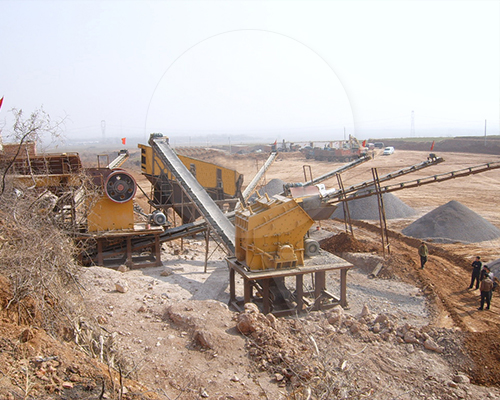
Deploy rotary switch-type alignment detectors at 30-m intervals and self-correcting return-troughing idlers with 2° wing angles. Use PLC-controlled hydraulic articulation joints to dynamically adjust frame geometry. Maintain crown pulleys (1:100 taper) and monitor edge tracking via ultrasonic sensors to reduce mistracking incidents by 75%.