Table of Contents
- Understanding Feldspar Mining and Its Industrial Importance
- Critical Equipment Used in Feldspar Quarrying Operations
- Crushing and Grinding Systems for Feldspar Ore Processing
- Separation and Purification Technology in Feldspar Production
- Innovations and Future Trends in Feldspar Mining Machinery
- Frequently Asked Questions
- What equipment is essential for large-scale feldspar mining operations?
- How does feldspar crushing differ from other industrial mineral processing?
- What type of grinding mill is optimal for feldspar in industrial applications?
- How is feldspar separated from associated minerals during processing?
- What screening equipment ensures consistent feldspar product sizing?
- What safety and environmental controls are critical in feldspar mining equipment?
- How do modern feldspar washing plants enhance product purity?
- What maintenance practices maximize uptime in feldspar processing equipment?
- Can automation improve efficiency in feldspar mining operations?
- What are the leading feldspar mining equipment manufacturers?
- How is water management integrated into feldspar processing equipment?
- What innovations are shaping the future of feldspar mining equipment?
Feldspar, one of the most abundant minerals in the Earth’s crust, plays a pivotal role in industries ranging from ceramics and glass manufacturing to paints and plastics. As global demand for high-purity feldspar continues to rise, the efficiency and precision of extraction and processing operations have never been more critical. At the heart of this growing industry lies a sophisticated array of mining equipment engineered to handle every stage of feldspar production—from initial excavation to final beneficiation. Modern feldspar mining relies on advanced machinery such as robust drilling rigs, high-capacity excavators, precision crushers, and state-of-the-art grinding mills, all designed to maximize yield while minimizing operational costs and environmental impact. Innovations in automation, sensor-based sorting, and energy-efficient processing technologies are further transforming the landscape, enabling producers to meet stringent quality standards with greater consistency. Understanding the essential machines that drive this evolution is key to unlocking sustainable, profitable feldspar operations in today’s competitive market.
Understanding Feldspar Mining and Its Industrial Importance
-
Feldspar, a group of aluminosilicate minerals rich in potassium, sodium, and calcium, constitutes approximately 60% of the Earth’s crust and is a primary raw material in multiple industrial sectors. Its mining and processing are critical to the production of ceramics, glass, paints, plastics, and fillers. The principal feldspar minerals extracted include orthoclase, microcline, and albite, typically sourced from pegmatite or feldspathic sand deposits.
-
The industrial value of feldspar stems from its fluxing properties, high alumina content, and ability to lower melting temperatures during ceramic and glass manufacturing. In ceramics, feldspar acts as a vitrifying agent, enhancing strength, durability, and translucency in products such as sanitaryware, tableware, and tiles. In glass production, it contributes to improved hardness and thermal stability while reducing energy consumption during melting.
-
Feldspar mining begins with surface extraction, predominantly through open-pit methods due to the shallow depth and lateral extent of most deposits. Drilling, blasting, and excavation are used to extract raw ore, which is then transported to processing facilities. Efficient mining operations rely on geological modeling and resource delineation to ensure selective extraction and minimize waste.
-
Processing involves crushing, grinding, classification, and beneficiation to meet stringent chemical and granulometric specifications. Magnetic and electrostatic separation techniques are employed to remove impurities such as iron-bearing minerals and mica, ensuring product consistency and color stability. Flotation may also be used to separate feldspar from quartz and other gangue minerals.
-
The demand for high-purity feldspar has driven advancements in mining equipment, including high-capacity crushers, precision grinders, automated sorting systems, and closed-circuit wet processing plants. These technologies improve recovery rates, reduce energy consumption, and support compliance with environmental regulations.
-
Sustainability considerations are increasingly influencing feldspar mining practices. Water recycling, dust suppression, and land reclamation are integral to modern operations. As global demand for ceramics and glass continues to rise—particularly in emerging markets—optimized extraction and processing technologies will remain pivotal in maintaining supply chain efficiency and product quality.
Critical Equipment Used in Feldspar Quarrying Operations
- Drill rigs
- Excavators
- Loaders
- Haul trucks
- Crushers (primary, secondary, tertiary)
- Grinding mills
- Screens (vibrating, trommel)
- Conveyors
- Magnetic separators
- Flotation cells
- Pumps and slurry handling systems
- Dust suppression systems
Feldspar quarrying relies on a sequence of specialized equipment to ensure efficient extraction, size reduction, purification, and transport of the mineral. The process begins with exploration and overburden removal, performed using excavators and loaders, which prepare the site for targeted extraction. Drill rigs are then deployed to create blast holes for controlled fragmentation of the feldspar-bearing rock. Post-blasting, high-capacity haul trucks transport the run-of-mine material to primary crushing stations.
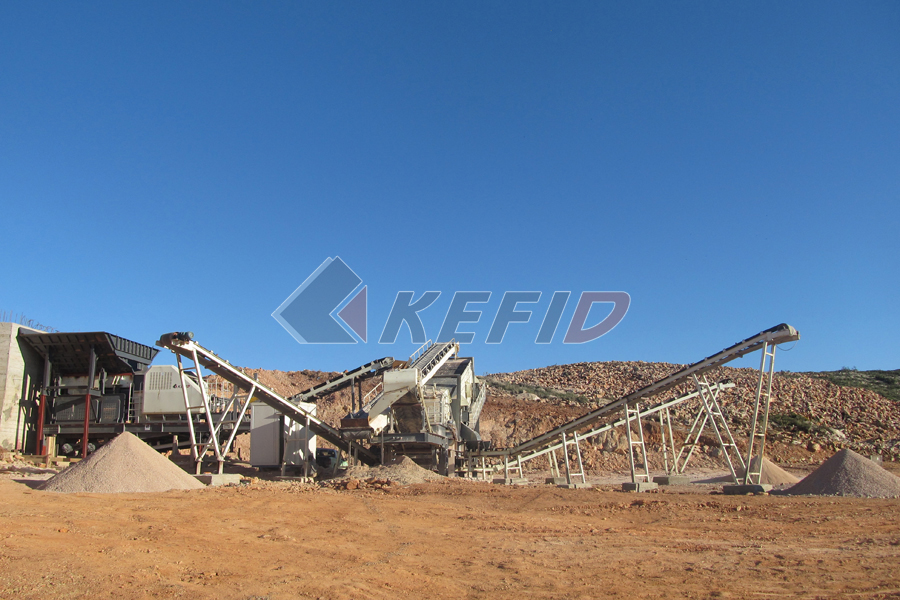
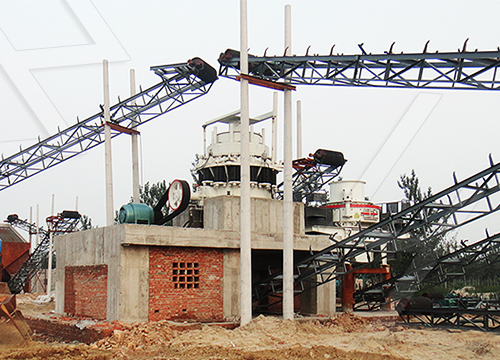
Primary crushers—typically jaw or gyratory models—initiate size reduction, preparing feed for secondary and tertiary crushing stages, commonly executed with cone or impact crushers. This staged crushing ensures optimal particle size distribution for downstream processing. From crushing, material is conveyed via robust belt systems to vibrating or trommel screens, which classify the aggregate by size. Oversized material is recirculated for re-crushing, while appropriately sized feldspar proceeds to grinding.
Grinding mills, including ball or rod mills, reduce feldspar to fine powders required for industrial applications. Post-grinding, magnetic separators remove iron-bearing contaminants, critical for maintaining the high whiteness and purity demanded in ceramics and glass manufacturing. Where higher-grade separation is required, froth flotation cells are employed to selectively separate feldspar from associated siliceous gangue minerals using chemical reagents.
Slurry management is maintained through industrial pumps and piping networks, particularly in wet processing circuits. Throughout the operation, dust suppression systems—comprising water sprays and misting units—are essential to minimize airborne particulates, ensuring regulatory compliance and worker safety.
Automation and monitoring systems are increasingly integrated across these machines, optimizing throughput, reducing downtime, and enhancing operational precision. Equipment selection is contingent on deposit characteristics, production scale, and final product specifications. Reliability, energy efficiency, and maintenance accessibility are key criteria in equipment procurement, as uptime directly influences cost-effectiveness in feldspar operations.
Crushing and Grinding Systems for Feldspar Ore Processing
-
Primary crushing of feldspar ore typically begins with a jaw crusher, selected for its robustness in handling high-abrasion feed material and consistent reduction of run-of-mine ore to a size suitable for secondary processing. Given feldspar’s moderate to high hardness (6–6.5 on the Mohs scale), crushers with durable manganese steel liners and optimized toggle mechanisms are standard to minimize wear and downtime.
-
Following primary reduction, secondary crushing commonly employs cone or impact crushers, depending on the desired product size and throughput requirements. Cone crushers offer precise size control and uniform particle shape, advantageous for downstream grinding efficiency. In operations prioritizing cubical product and higher throughput, horizontal shaft impactors (HSIs) may be preferred.
-
The grinding stage is critical for liberating feldspar from associated quartz and mica while preserving crystal integrity. Ball mills and rod mills dominate industrial-scale grinding, with rod mills favored for producing a narrow size distribution in coarse grinding circuits. For finer grind requirements (typically P80 <75 µm), overflow or grate-discharge ball mills, often operated in closed circuit with hydrocyclones, ensure precise classification.
-
High-pressure grinding rolls (HPGRs) are increasingly adopted in modern feldspar circuits for energy-efficient size reduction. HPGRs induce microfractures in the ore matrix, reducing the work index in subsequent grinding stages and lowering overall power consumption.
-
Closed-circuit grinding configurations with efficient classification systems—such as hydrocyclones or air classifiers—are essential to achieve consistent product fineness and minimize overgrinding, which can degrade feldspar quality. Automated process controls monitor feed rate, mill load, and slurry density to maintain optimal grinding conditions.
-
Equipment material selection must account for abrasion resistance; ceramic or rubber-lined components are often used in slurry handling systems to extend service life. Additionally, dust suppression systems and sealed enclosures are integrated, especially in dry grinding circuits, to comply with environmental and occupational health standards.
-
Maintenance protocols emphasize regular inspection of liners, grinding media consumption, and classifier performance to sustain throughput and product quality. Properly designed crushing and grinding systems not only maximize recovery and energy efficiency but also directly influence the market value of the final feldspar product.
Separation and Purification Technology in Feldspar Production
-
High-purity feldspar is essential for ceramics, glass, and specialty applications, necessitating advanced separation and purification technologies following initial extraction and comminution. The efficiency of these processes directly determines final product quality and market value.
-
Magnetic separation is a primary method for removing iron-bearing impurities such as magnetite, hematite, and biotite. High-intensity induced roll magnetic separators (IRMS) and rare-earth drum magnets operate at fields up to 20,000 gauss, effectively capturing paramagnetic contaminants. Dry magnetic separation is typically applied after crushing and dry screening, while wet high-intensity magnetic separators (WHIMS) are used in slurry stages for finer particle control.
-
Electrostatic separation exploits differences in surface conductivity between feldspar and gangue minerals. In dry processing, triboelectric separators charge particles via friction; feldspar acquires a positive charge, while minerals like rutile or tourmaline remain negative. This enables selective separation in an electric field, particularly effective for removing titanium-bearing contaminants.
-
Flotation remains the most selective purification method, especially for removing mica, quartz, and iron-stained feldspar. Anionic collectors such as sulfonates or amines are used under controlled pH (2.5–3.5 for mica removal; 4.5–5.5 for iron oxide). Reverse flotation of quartz with amine collectors in acidic conditions allows feldspar to report to the flotation cell’s underflow. Column flotation offers superior selectivity and lower water consumption compared to mechanical cells.
-
Sensor-based ore sorting is emerging as a pre-concentration tool, utilizing X-ray transmission, near-infrared spectroscopy, or laser technology to identify and eject gangue particles before grinding, significantly reducing downstream processing load.
-
Final purification often includes froth washing, attrition scrubbing, and dewatering via filter presses or centrifuges to reduce moisture and residual slimes. Hydrometallurgical leaching with dilute acids (e.g., HCl or H₂SO₄) may be applied for ultra-high-purity feldspar, targeting trace metal ions.
-
Integrated process design—combining magnetic, electrostatic, and flotation stages—is critical for maximizing feldspar recovery and minimizing impurity levels. Automation and real-time monitoring enhance consistency, particularly in variable ore feeds.
Innovations and Future Trends in Feldspar Mining Machinery
-
Adoption of automation and remote-operated systems is transforming feldspar mining operations, enhancing safety and precision in extraction. Modern drilling rigs and load-haul-dump (LHD) machines now integrate GPS guidance and automated navigation, reducing human error and increasing operational efficiency in both open-pit and underground settings.
-
Sensor-based ore sorting technologies are emerging as a pivotal advancement, enabling real-time mineralogical analysis at the mine face. By utilizing near-infrared (NIR) and X-ray transmission (XRT) sensors, these systems can discriminate feldspar from waste rock prior to processing, significantly reducing energy consumption and throughput costs in downstream operations.
-
Energy-efficient comminution equipment, such as high-pressure grinding rolls (HPGR) and vertical roller mills, are gaining traction due to their ability to reduce specific energy consumption during grinding. These technologies offer tighter particle size control and lower media wear, aligning with sustainability goals and operational cost reduction.
-
Digital twin technology is being deployed to simulate and optimize entire processing circuits. By creating virtual replicas of crushing, grinding, and classification stages, operators can predict equipment behavior, troubleshoot bottlenecks, and optimize parameters without interrupting live operations.
| Technology | Application | Operational Benefit |
|---|---|---|
| Autonomous Haulage Systems | Transport of run-of-mine material | Increased uptime, reduced labor costs |
| Real-Time XRF Analyzers | On-conveyor grade monitoring | Improved blending and quality control |
| Predictive Maintenance Platforms | Equipment health monitoring | Reduced unplanned downtime |
-
Electrification of mobile machinery is accelerating, particularly in underground feldspar mines, where reduced ventilation demands and lower emissions are critical. Battery-powered LHDs and drill jumbos are now commercially available, offering comparable performance to diesel equivalents while complying with tightening environmental regulations.
-
Integration of AI-driven analytics into control systems enables adaptive process optimization. Machine learning models analyze historical and real-time data from sensors across the value chain to recommend adjustments in feed rate, classifier speed, or flotation parameters, maximizing recovery and consistency.
These innovations collectively drive a shift toward intelligent, sustainable feldspar mining operations. Future trends will likely emphasize full digital integration, carbon-neutral equipment fleets, and closed-loop water and energy systems, positioning the industry for long-term resilience amid evolving regulatory and market demands.
Frequently Asked Questions
What equipment is essential for large-scale feldspar mining operations?
Large-scale feldspar mining requires a full suite of heavy-duty equipment including drilling rigs (e.g., rotary or percussion drills), excavators, front-end loaders, haul trucks, and primary crushers such as jaw crushers. These are complemented by secondary and tertiary cone or impact crushers to achieve desired particle size. Expert operations integrate GPS-guided drilling and loading systems for precision and resource optimization.
How does feldspar crushing differ from other industrial mineral processing?
Feldspar crushing emphasizes minimizing iron contamination and preserving mineral integrity. Unlike harder minerals, feldspar (Mohs 6–6.5) requires controlled compression rather than high-impact forces to reduce amorphous structure damage. Expert setups use ceramic-lined crushers and non-ferrous grinding media to prevent iron pickup, which is critical for ceramic and glass applications.
What type of grinding mill is optimal for feldspar in industrial applications?
High-pressure grinding rolls (HPGR) and vertical roller mills (VRMs) are optimal for feldspar grinding due to their energy efficiency and controlled particle size distribution. Ball mills with ceramic or flint media are used when ultra-fine, iron-free powders are required, particularly in electronics-grade feldspar production. Automated classifier systems ensure strict particle size consistency.
How is feldspar separated from associated minerals during processing?
Feldspar is separated using a combination of magnetic separation, flotation, and electrostatic techniques. High-intensity magnetic separators remove iron-bearing impurities like biotite and magnetite. Froth flotation with cationic or anionic collectors selectively separates feldspar from quartz, mica, and clay minerals based on surface chemistry under controlled pH.
What screening equipment ensures consistent feldspar product sizing?
Vibrating screens with polyurethane or stainless-steel decks are standard for feldspar sizing. Multi-deck banana screens offer high throughput and accuracy, especially when paired with air-assisted sieving to prevent blinding. Expert setups use real-time laser particle analyzers for closed-loop feedback control.
What safety and environmental controls are critical in feldspar mining equipment?
Dust suppression systems—such as wet sprays, baghouse filters, and cyclone collectors—are essential to mitigate respirable crystalline silica. Equipment must comply with ISO 14001 and MSHA/OSHA standards. Closed-loop water recycling minimizes effluent, while noise-reduction enclosures ensure compliance with local regulations around operational sites.
How do modern feldspar washing plants enhance product purity?
Advanced washing plants use log washers, attrition scrubbers, and classifying tanks to remove clay, silt, and surface contaminants. Counter-current spiral classifiers and hydrocyclones separate fines efficiently. Integration with sensor-based ore sorting (e.g., NIR or XRT) pre-concentrates feed and reduces downstream processing load.
What maintenance practices maximize uptime in feldspar processing equipment?
Predictive maintenance using vibration analysis, oil monitoring, and thermal imaging detects wear in crushers, mills, and motors before failure. Scheduled liner inspections and conveyor belt tracking checks prevent unplanned downtime. OEM-recommended lubrication intervals and wear-part replacements are critical for high-utilization environments.
Can automation improve efficiency in feldspar mining operations?
Yes—automated plant control systems (e.g., DCS or PLC-based) optimize feed rates, water usage, and energy consumption across crushing, grinding, and separation circuits. GPS-enabled fleet management reduces haul cycle times, while machine learning models forecast equipment maintenance and ore grade variability for adaptive processing.
What are the leading feldspar mining equipment manufacturers?
Primary suppliers include Metso Outotec, FLSmidth, Sandvik, and Weir Minerals for comminution and processing equipment. Eriez provides advanced magnetic and sensor sorting systems. Original equipment is often customized for feldspar’s low-abrasion but contamination-sensitive profile, with regional support networks ensuring rapid service response.
How is water management integrated into feldspar processing equipment?
Modern feldspar plants use thickener-underflow systems and filter presses to dewater slurry and recover >90% process water. Closed-circuit design with settling ponds reduces freshwater demand. Expert systems incorporate real-time turbidity sensors and automatic flocculant dosing to maintain water quality.
What innovations are shaping the future of feldspar mining equipment?
Emerging technologies include autonomous haulage systems (AHS), digital twin modeling for predictive throughput optimization, and hybrid electric mining equipment to reduce emissions. In-process elemental analyzers (e.g., PGNAA) enable real-time grade control, driving smarter blending and quality assurance.