Table of Contents
- Revolutionizing Gold Mining with Mobile Processing Units in South Africa
- How Mobile Gold Plants Are Transforming Small-Scale and Artisanal Mining Operations
- Key Features and Technology Behind Portable Gold Processing Equipment
- Top Suppliers and Manufacturers of Mobile Gold Plants in South Africa
- Environmental and Economic Benefits of Using Mobile Gold Processing Plants
- Frequently Asked Questions
- What are mobile gold plants and how do they benefit mining operations in South Africa?
- How do mobile gold processing plants comply with South African environmental regulations?
- What technologies are commonly used in South African mobile gold plants?
- Can mobile gold plants process refractory gold ores common in the Witwatersrand Basin?
- How cost-effective are mobile gold plants compared to fixed processing plants in South Africa?
- What is the typical gold recovery rate achieved by mobile processing plants in South Africa?
- How are mobile gold plants powered in remote South African mining locations?
- Are mobile gold plants suitable for artisanal and small-scale miners (ASM) in South Africa?
- What maintenance and technical support infrastructure exists for mobile gold plants in South Africa?
- How long does it take to deploy a mobile gold processing plant in South Africa?
- Can mobile gold plants be customized for South African geological conditions?
- What financing and leasing options are available for mobile gold plants in South Africa?
In the dynamic landscape of South African mining, innovation is reshaping the way gold is extracted from the earth. Mobile gold processing plants are emerging as transformative solutions, offering unmatched flexibility and efficiency in both exploration and production phases. Designed for rapid deployment, these portable systems are revolutionizing remote and small-scale operations by reducing infrastructure costs and minimizing environmental impact. South Africa, with its rich gold-bearing regions and evolving mining demands, is increasingly turning to mobile gold plants to unlock value from low-grade or isolated deposits that traditional fixed plants cannot economically process. Equipped with advanced gravity separation, flotation, and cyanidation technologies, these compact units deliver high recovery rates with minimal downtime. As the industry prioritizes sustainability and operational agility, mobile gold plants are setting a new benchmark in responsive, scalable gold extraction—proving that in today’s mining environment, mobility isn’t just an advantage—it’s a necessity.
Revolutionizing Gold Mining with Mobile Processing Units in South Africa
-
Mobile processing units are transforming gold extraction across South Africa’s mining landscape by delivering scalable, efficient, and environmentally responsible solutions. Traditional fixed-plant infrastructure has long constrained operations—particularly in remote or low-grade deposits—due to high capital expenditure and logistical complexity. Mobile gold processing plants address these challenges by enabling rapid deployment, reduced infrastructure dependency, and optimized resource utilization.
-
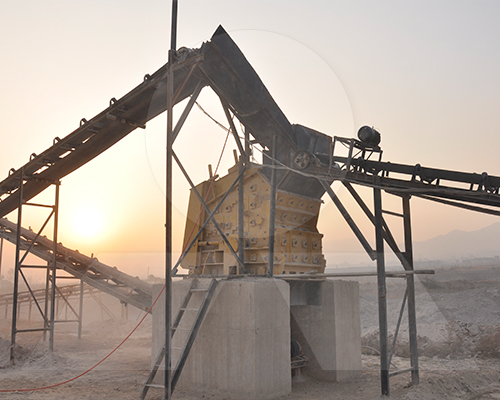
These units integrate crushing, grinding, gravity separation, and chemical leaching systems into compact, transportable configurations. Deployed directly at the mine face, they minimize ore haulage costs and reduce energy consumption associated with material transport. For South Africa’s fragmented and often underutilized small- to medium-grade deposits, mobile units unlock economic viability where conventional plants would be impractical.
-
Operational flexibility is a key advantage. Mobile plants can follow ore bodies dynamically, supporting phased development and adaptive mine planning. This agility is particularly valuable in South Africa’s diverse geology, where gold-bearing reefs such as the Witwatersrand Basin exhibit variable grades and complex structural orientations. By processing ore on-site, operators achieve faster turnaround times and improved metallurgical control, enhancing overall recovery rates.
-
Environmental and social considerations further underscore their strategic value. Reduced land disturbance, lower water usage through closed-loop systems, and minimized carbon footprint align with national sustainability mandates and ESG reporting frameworks. Additionally, mobile units support local economic development by enabling community-scale mining initiatives without requiring extensive external investment.
-
Regulatory and logistical support from South African authorities has facilitated broader adoption. The Department of Mineral Resources and Energy recognizes mobile processing as a catalyst for inclusive growth, particularly in revitalizing dormant shafts and empowering junior miners.
-
Leading operators have reported recovery improvements of up to 18% and capital expenditure reductions exceeding 40% when comparing mobile deployments to traditional plant construction. As ore grades decline and energy costs rise, the shift toward modular, mobile processing is not merely tactical—it represents a structural evolution in gold mining efficiency.
-
With ongoing advancements in automation, real-time analytics, and energy-efficient design, mobile gold processing units are poised to redefine extraction economics across South Africa’s mining sector.
How Mobile Gold Plants Are Transforming Small-Scale and Artisanal Mining Operations
-
Mobile gold processing plants are redefining operational efficiency in small-scale and artisanal mining across South Africa, where access to capital, infrastructure, and technical expertise has historically constrained productivity. These portable systems integrate crushing, grinding, gravity separation, and often cyanide leaching into compact, transportable units that can be deployed rapidly to remote or temporary mining sites.
-
Traditional fixed-plant infrastructure demands significant upfront investment and site preparation, rendering it impractical for transient or low-volume operations. In contrast, mobile units eliminate the need for permanent foundations, reduce installation time from months to days, and can be relocated as ore bodies are depleted—providing unmatched flexibility. This agility is particularly transformative for artisanal miners who operate in geologically diverse and often inaccessible regions.
-
The technological sophistication of modern mobile plants ensures extraction efficiency comparable to larger installations. Incorporating advanced gravity concentrators such as Knelson or Falcon concentrators, these systems achieve high recovery rates even from low-grade ores. Some models integrate real-time monitoring and automated process control, enabling consistent performance with minimal operator intervention—critical in environments where skilled labor is scarce.
-
From an economic perspective, mobile plants lower barriers to formalization and compliance. By offering a scalable, leaseable, or shared-use model, they allow small operators to align capital expenditure with production output. This scalability supports incremental growth and encourages adherence to environmental and safety regulations, as modern units are designed with dust suppression, water recycling, and chemical containment systems.
-
Environmentally, mobile plants minimize land disturbance and reduce the ecological footprint per ounce of gold extracted. Their closed-loop water management systems conserve resources, while modular design facilitates decommissioning and site rehabilitation—a critical consideration in South Africa’s sensitive ecosystems.
-
Regulatory bodies and development agencies are increasingly recognizing mobile processing as a catalyst for responsible artisanal mining. Initiatives promoting equipment pooling and cooperative mining models have emerged, leveraging mobile plants to consolidate fragmented operations into compliant, higher-yield ventures.
-
As South Africa seeks to unlock value from its vast but underexploited small-scale reserves, mobile gold processing plants represent a strategic convergence of mobility, efficiency, and sustainability—empowering decentralized mining to operate with industrial-grade performance.
Key Features and Technology Behind Portable Gold Processing Equipment
- Compact modular design enabling rapid deployment and relocation across remote mining sites
- Integrated gravity concentration circuits, typically employing centrifugal concentrators such as Knelson or Falcon units, for high-efficiency fine gold recovery
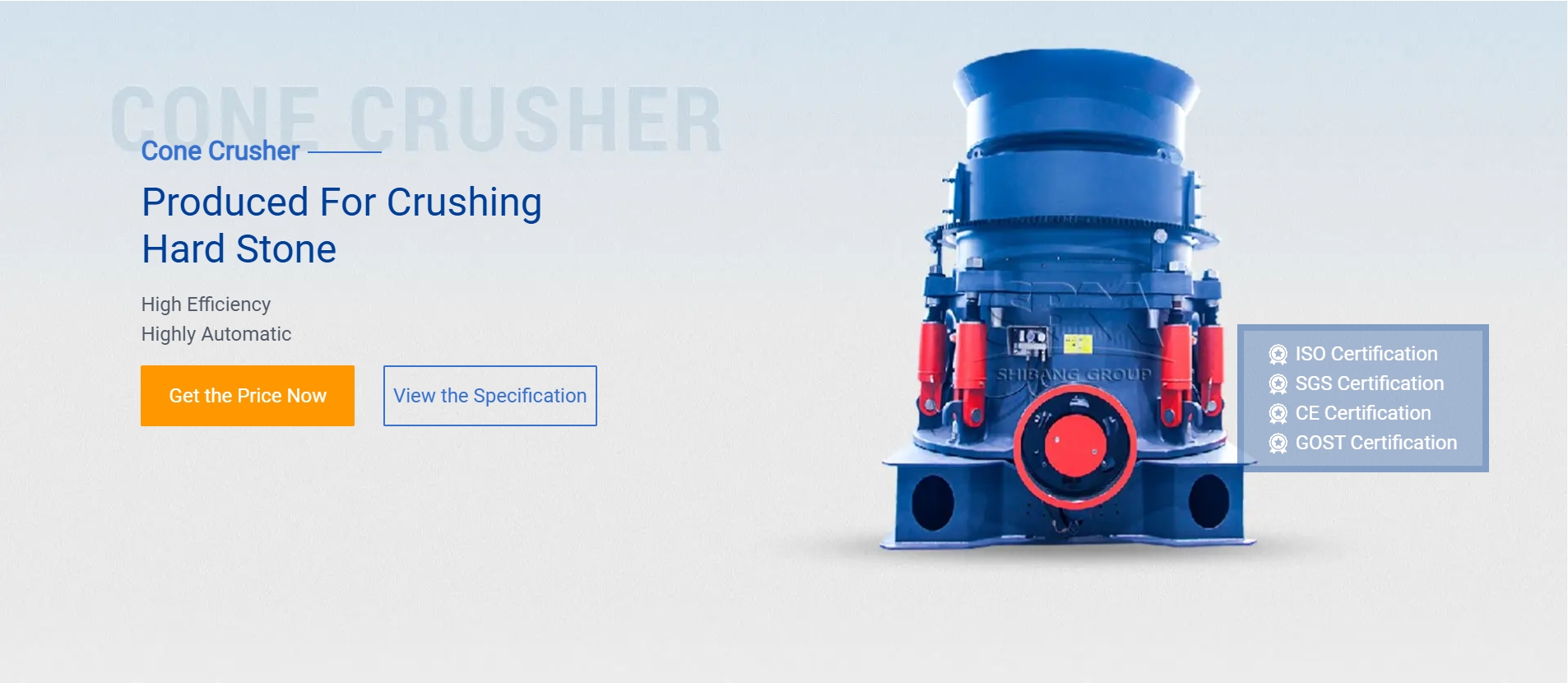
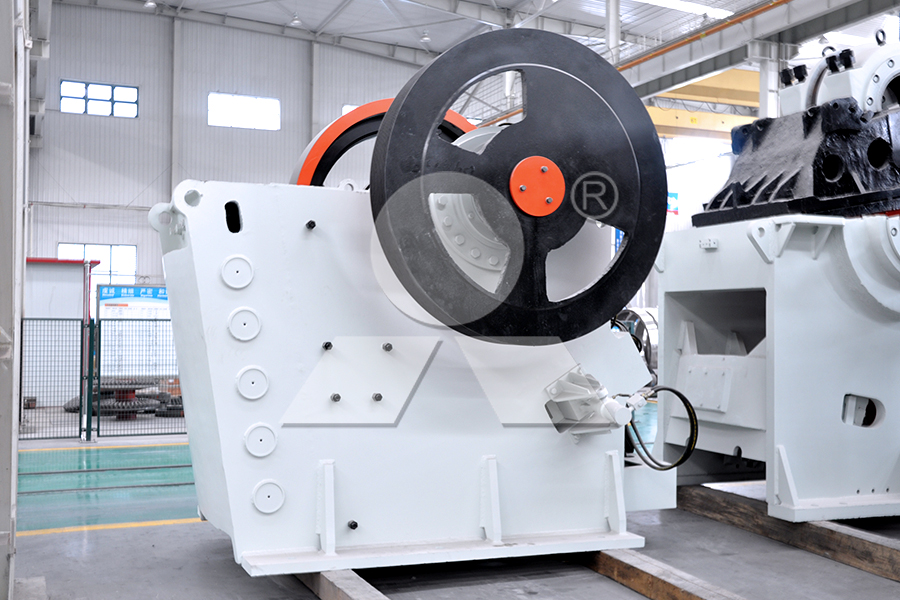
- Onboard crushing and screening systems utilizing jaw and cone crushers with vibrating grizzlies to achieve optimal feed size (typically 6–10 mm) for downstream processing
- Slurry management via adjustable hydrocyclones and high-wear-resistant pumps to maintain consistent pulp density and flow rates
- Advanced process automation with real-time monitoring of feed rate, water usage, and concentrate grade through programmable logic controllers (PLCs) and human-machine interfaces (HMI)
- Dual-stage recovery systems combining gravity concentration with inline leaching or carbon-in-pulp (CIP) modules where ore metallurgy demands enhanced extraction
- Closed-circuit water recycling systems minimizing environmental impact and operational dependency on external water sources
- Diesel-electric hybrid power packages with ISO container compatibility for seamless transport via truck, rail, or off-road trailer
Modern portable gold processing plants leverage digital twin modeling during design to optimize throughput and energy efficiency, ensuring alignment with site-specific ore characteristics. These units are engineered with wear-resistant materials—such as high-chrome alloys and polyurethane linings—across critical components to extend service intervals in abrasive feed environments.
The integration of sensor-based ore sorting technology is increasingly common, using X-ray transmission (XRT) or laser spectroscopy to pre-concentrate feed material before grinding, significantly reducing energy consumption and processing costs. Real-time assay feedback systems, often coupled with portable XRF analyzers, allow for dynamic adjustment of recovery parameters, enhancing overall metallurgical performance.
Scalability is a defining technological attribute, with standard units ranging from 5 to 50 tonnes per hour (tph), configurable in series for incremental capacity expansion. This modularity supports progressive capital investment aligned with production goals, particularly beneficial for junior miners and artisanal operations.
Environmental compliance is addressed through engineered containment solutions, low-reagent consumption circuits, and noise-dampened enclosures. The combination of mechanical robustness, operational flexibility, and technological sophistication positions portable processing units as a strategic asset in South Africa’s evolving small- to mid-scale gold sector, where agility and rapid return on investment are paramount.
Top Suppliers and Manufacturers of Mobile Gold Plants in South Africa
-
JH Machinery (Pty) Ltd
Based in Johannesburg, JH Machinery is a leading manufacturer of mobile gold processing plants in South Africa. The company specializes in modular, trailer-mounted systems equipped with integrated crushing, grinding, and gravity recovery circuits. Their plants are engineered for rapid deployment in remote or small-scale mining areas and comply with stringent SABS standards. JH Machinery’s units are known for durability in harsh environments and offer capacities from 5 to 50 tonnes per hour. Customization options include CIP/CIL integration for larger operations and automated control systems for improved operational efficiency. -
Multotec Process Equipment
A globally recognized name in mineral processing, Multotec offers mobile gold solutions designed for scalability and reliability. Their mobile plants feature proprietary hydrocyclones, gravity concentrators, and wear-resistant materials to maximize gold recovery rates. The company provides end-to-end engineering support, including on-site commissioning and operator training. Units are transportable via standard heavy-duty vehicles and can be operational within 48 hours of arrival. Multotec’s systems are particularly favored by exploration companies and junior miners due to their plug-and-play design and low maintenance footprint. -
Sepro Mineral Systems (South Africa)
Represented locally through strategic partnerships, Sepro delivers high-intensity mobile gold processing solutions, including the Falcon C and Ultra-Fine Gravity Concentrators. Their mobile plants combine coarse and fine gold recovery in compact configurations suitable for artisanal and medium-scale operations. The systems are built on robust skid-mounted frames with diesel or grid-powered options. Sepro emphasizes water efficiency and closed-loop slurry management, aligning with environmental compliance goals. Their turnkey packages include metallurgical testing and performance guarantees. -
Gold Recovery South Africa (GRSA)
Specializing exclusively in gold extraction, GRSA manufactures mobile plants integrating shaking tables, centrifugal concentrators, and inline leaching units. Their designs target high-grade alluvial and hard-rock deposits, with recovery rates exceeding 95% in optimal conditions. GRSA’s units are lightweight, constructed using corrosion-resistant alloys, and comply with MESH (Mining Equipment Standardisation Handbook) guidelines. The company offers remote monitoring integration and real-time reporting tools, enhancing operational transparency for off-grid sites.
These suppliers represent the forefront of mobile gold processing technology in South Africa, combining engineering excellence with practical deployment strategies. Their systems support rapid project initiation, reduce capital risk, and align with the country’s push toward decentralized, sustainable mining practices.
Environmental and Economic Benefits of Using Mobile Gold Processing Plants
- Reduces land disturbance by eliminating the need for permanent infrastructure and extensive site preparation
- Minimizes deforestation and topsoil removal through targeted, small-footprint operations
- Lowers greenhouse gas emissions by enabling rapid deployment and reducing fuel consumption associated with transporting ore to centralized facilities
- Facilitates site rehabilitation after processing, as mobile units can be relocated without leaving behind fixed structures
- Decreases water usage through integrated closed-loop water recycling systems commonly employed in modern mobile plants
- Supports compliance with environmental regulations by incorporating dust suppression and tailings management technologies
The deployment of mobile gold processing plants in South Africa presents a transformative approach to balancing resource extraction with ecological responsibility. These units significantly lower the environmental footprint of gold mining, particularly in ecologically sensitive or remote areas. By processing ore at or near the extraction site, mobile plants eliminate the need for long-haul transportation of raw material—reducing diesel consumption, carbon emissions, and road degradation. The modular design allows for rapid setup and dismantling, enabling operators to adhere to progressive rehabilitation practices.
From an economic perspective, mobile processing plants offer substantial advantages over traditional fixed facilities. They require significantly lower capital expenditure, as they eliminate the costs associated with constructing permanent plants and associated infrastructure. This makes them particularly suitable for small- to mid-scale mining operations and exploration-stage projects with limited budgets. Their portability allows operators to follow high-grade ore bodies dynamically, maximizing resource recovery and project lifespan.
Furthermore, mobile units reduce operational downtime. They can be redeployed within days to new sites, maintaining continuous production across multiple deposits. This agility improves return on investment and supports sustainable mine planning in geologically complex regions. For junior mining companies and artisanal operations, mobile plants provide access to efficient, scalable processing technology previously available only to large-scale operators.
The integration of mobile processing into South Africa’s gold sector also stimulates local employment and skills development, as these units often require on-site technical oversight and maintenance. Combined with reduced environmental liabilities and faster project commissioning, mobile gold processing plants represent a technically sound, economically viable, and environmentally responsible solution for the future of gold extraction in the region.
Frequently Asked Questions
What are mobile gold plants and how do they benefit mining operations in South Africa?
Mobile gold plants are portable processing units designed to extract gold from ore using methods like gravity separation, flotation, or cyanidation. In South Africa, they offer significant advantages including rapid deployment, reduced infrastructure costs, and flexibility for small-to-medium scale miners operating on remote or transient deposits. Their modular design allows for scalability and easy relocation between sites, making them ideal for South Africa’s diverse and often underexplored goldfields.
How do mobile gold processing plants comply with South African environmental regulations?
Mobile gold plants in South Africa must comply with strict environmental regulations enforced by the Department of Forestry, Fisheries and the Environment (DFFE). This includes obtaining atmospheric emission licenses, managing tailings responsibly, and adhering to the National Environmental Management Act (NEMA). Leading providers integrate closed-loop water systems and non-toxic recovery methods (e.g., MACTEC or thiosulphate leaching) to minimize ecological impact and meet compliance standards.
What technologies are commonly used in South African mobile gold plants?
Most mobile gold plants in South Africa utilize gravity concentration (e.g., Knelson or Falcon concentrators), carbon-in-leach (CIL), or carbon-in-pulp (CIP) systems for recovery. Advanced models integrate real-time monitoring, automated process controls, and sensor-based ore sorting. Given the refractory nature of some South African ores, modular flotation or ultra-fine grinding (UFG) may be added pre-cyanidation to increase recovery rates.
Can mobile gold plants process refractory gold ores common in the Witwatersrand Basin?
Yes, but with process modifications. Refractory ores in South Africa’s Witwatersrand Basin often require pre-treatment such as ultra-fine grinding, roasting, or pressure oxidation to liberate encapsulated gold. Some advanced mobile plants now integrate modular oxidation units or biological pre-treatment systems to handle these complex ores efficiently while maintaining portability and on-site adaptability.
How cost-effective are mobile gold plants compared to fixed processing plants in South Africa?
Mobile gold plants significantly reduce capital expenditure (CAPEX) and time-to-production. While fixed plants may offer higher throughput, mobile units avoid costly civil works, long lead times, and extensive site preparation. For junior miners or short-term leases common in South Africa’s underdeveloped greenfields, mobile plants provide an ROI-optimized solution with operational cost savings of 25–40% over fixed infrastructure.
What is the typical gold recovery rate achieved by mobile processing plants in South Africa?
Modern mobile gold plants achieve recovery rates between 85% and 95%, depending on ore type and processing method. Gravity-only systems may recover 60–80% for free-milling ores, while integrated CIL/CIP modules with optimized leaching kinetics can exceed 90%. On-site diagnostic tools and ore characterization help tailor processes to local geology, maximizing recovery from South African gold-bearing quartz veins or alluvial deposits.
How are mobile gold plants powered in remote South African mining locations?
Mobile plants are typically powered by diesel generators, but hybrid systems incorporating solar-battery storage are gaining traction in off-grid areas. Units are designed with energy-efficient motors and VSDs (variable speed drives) to minimize fuel consumption. Some operations in Northern or Western Cape leverage renewable microgrids, aligning with South Africa’s Just Energy Transition (JET) goals and reducing transport-related logistics costs.
Are mobile gold plants suitable for artisanal and small-scale miners (ASM) in South Africa?
Yes—when properly regulated. Mobile plants offer ASMs a formalized, safer alternative to mercury-based panning. Government-supported initiatives like the Artisanal and Small-Scale Mining Unit (ASMU) promote access to certified mobile units with training and financing. These systems improve yields, reduce environmental harm, and facilitate integration into the formal mining economy under the MPRDA framework.
What maintenance and technical support infrastructure exists for mobile gold plants in South Africa?
Major suppliers offer nationwide service networks with technical hubs in Johannesburg, Cape Town, and Durban. Preventive maintenance programs, remote diagnostics, and on-site operator training ensure uptime. Many mobile units come with IoT-enabled monitoring for vibration, flow rates, and reagent consumption, allowing predictive maintenance and minimizing downtime in remote operations.
How long does it take to deploy a mobile gold processing plant in South Africa?
Deployment timelines range from 3 to 6 weeks after site assessment and permitting. Units arrive pre-assembled on trailers and require minimal foundation work. Commissioning includes connection to power/water, calibration, and test runs. Some companies offer turnkey “mine-to-bar” solutions, including logistics, environmental compliance, and operator training, further accelerating operational readiness.
Can mobile gold plants be customized for South African geological conditions?
Absolutely. Leading engineers tailor mobile plants to South African ore characteristics—adjusting crush size, retention time, and reagent dosage based on lithology. Customizations include abrasion-resistant liners for quartz-rich feed, dual-stage gravity circuits for alluvial material, and water recycling systems ideal for arid Karoo or Northern Cape regions.
What financing and leasing options are available for mobile gold plants in South Africa?
Several providers offer lease-to-own, rental, or joint venture models tailored for junior miners. Financial institutions like the Industrial Development Corporation (IDC) and SA Mining Black Industrial Society (SAMBIS) support funding for approved B-BBEE-compliant operations. Equipment leasing avoids upfront costs and aligns payments with production cycles, improving cash flow for emerging operators.