Table of Contents
- Understanding the Complete Stone Crusher Plant: Components and Workflow
- Essential Machinery in a Stone Crushing Plant and Their Functions
- Designing an Efficient Stone Crusher Plant Layout for Maximum Output
- Cost Breakdown and Investment Analysis for a Turnkey Stone Crushing Plant
- Maintenance, Safety, and Sustainability in Stone Crusher Plant Operations
- Frequently Asked Questions
- What is a stone crusher machinery complete plant?
- What are the key components of a complete stone crusher plant?
- How to choose the right capacity for a stone crusher plant?
- What types of crushers are used in a complete stone crushing plant?
- How important is automation in a modern stone crusher plant?
- What factors influence the layout design of a stone crusher plant?
- How do you ensure environmental compliance in a stone crusher plant?
- What maintenance practices extend the life of a stone crusher plant?
- Can a stone crusher plant be mobile or modular?
- How does feed material hardness affect crusher plant configuration?
- What safety standards must a stone crusher plant meet?
- How to optimize output quality in a stone crusher plant?
Transforming raw quarry stone into high-demand construction aggregates requires more than just heavy machinery—it demands a strategically designed, fully integrated stone crusher plant. A complete stone crusher machinery setup encompasses a harmonized system of jaw crushers, impactors, cone crushers, vibrating feeders, screens, and conveyor systems, all engineered to maximize throughput, minimize downtime, and ensure consistent product quality. From initial site assessment to optimal layout planning, every component plays a pivotal role in operational efficiency. Modern plants leverage automation and advanced monitoring systems to enhance productivity while reducing energy consumption and maintenance costs. The initial investment varies significantly based on capacity, technology, and regional factors, but a well-planned setup delivers long-term profitability through reliability and scalability. Whether serving infrastructure projects or ready-mix concrete producers, a complete stone crusher plant is the backbone of efficient aggregate production—where precision engineering meets industrial performance to turn raw rock into valuable resources.
Understanding the Complete Stone Crusher Plant: Components and Workflow
- Jaw Crusher
- Cone Crusher / Impact Crusher
- Vibrating Feeder
- Vibrating Screen
- Belt Conveyor System
- Dust Collection System
- Control Panel (PLC-based)
- Optional: Washing Plant, Magnetic Separator
A complete stone crusher plant is an integrated system designed for efficient size reduction and classification of raw rock into commercially viable aggregates. The workflow begins at the quarry face, where blasted or excavated material is loaded into dump trucks and transported to the plant’s primary crushing stage.
The process initiates with the vibrating feeder, which ensures a uniform and controlled flow of raw material into the jaw crusher. This primary crusher reduces large boulders into smaller, manageable fragments through compressive force. The crushed output is conveyed via belt conveyors to a vibrating screen for classification by size.
Material failing to meet size specifications is routed to secondary crushing—typically performed by cone or impact crushers, depending on the desired product shape and hardness. Cone crushers are preferred for hard rock and high reduction ratios, while impact crushers yield cubical aggregates suitable for concrete and asphalt applications.
Screened aggregates meeting product criteria are conveyed to stockpiles, while oversized particles are recirculated for re-crushing, ensuring maximum yield and minimal waste. Multiple screening stages may be employed for precise gradation control, especially in multi-product operations.
Belt conveyors form the circulatory network of the plant, transporting material between stages with minimal manual intervention. Modern systems incorporate variable-speed drives for flow optimization and energy efficiency.
Environmental compliance is achieved through integrated dust collection units, typically baghouse filters, installed at transfer points and crushers. These systems capture airborne particulates, ensuring adherence to occupational health and safety standards.
Plant operations are centrally managed via a PLC-based control panel, enabling remote monitoring, fault diagnostics, and real-time performance adjustments. This automation enhances operational consistency and reduces downtime.
Optional components—such as sand washing plants and magnetic separators—can be integrated to remove impurities and produce high-purity sand, particularly for concrete and construction-grade applications.
The efficiency of a stone crusher plant hinges on the seamless integration of machinery, balanced material flow, and proactive maintenance protocols, all calibrated to match feed characteristics and production targets.
Essential Machinery in a Stone Crushing Plant and Their Functions
-
Jaw Crusher: Primary crushing is initiated in the jaw crusher, where large boulders are reduced through compressive force between a fixed and a reciprocating jaw plate. Designed for high reduction ratios and durability, it handles the bulk of raw feed material, typically with feed sizes up to 1.5 meters.
-
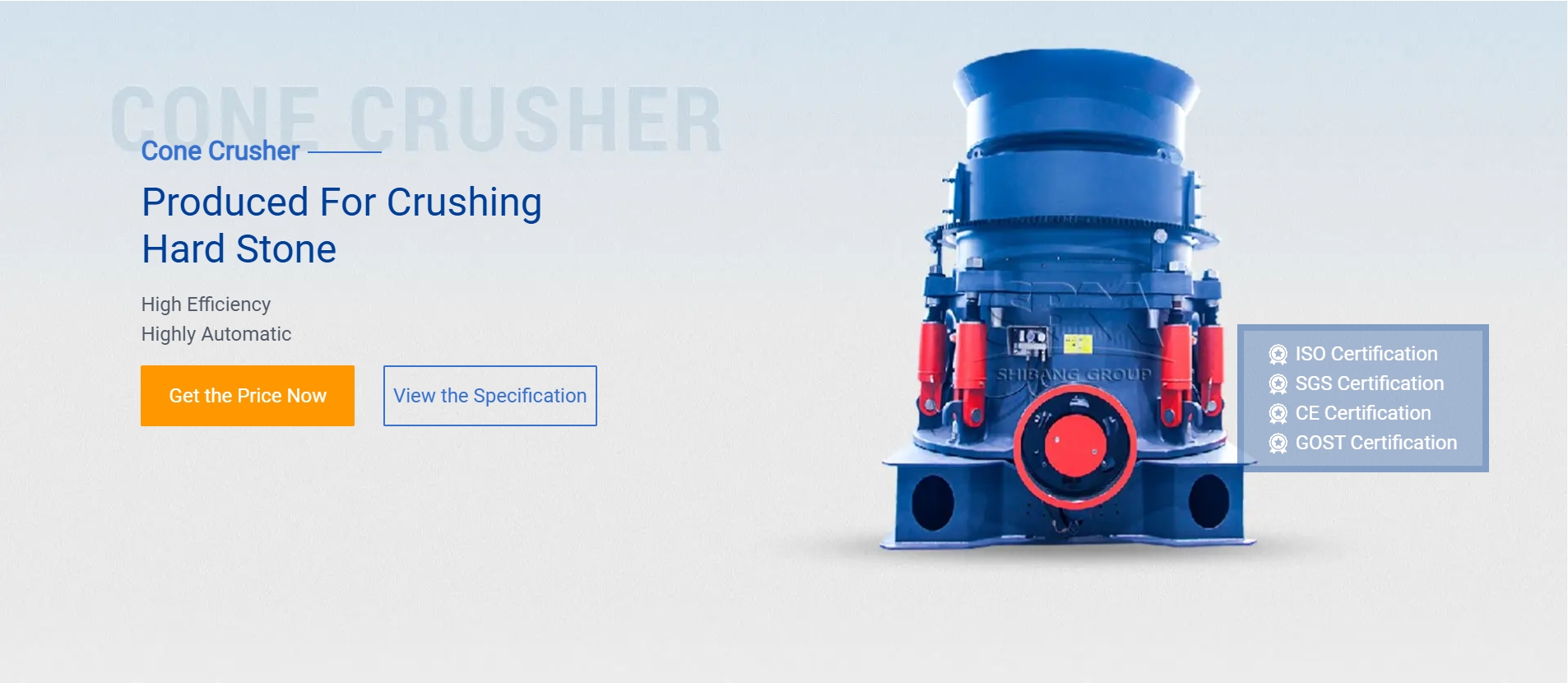
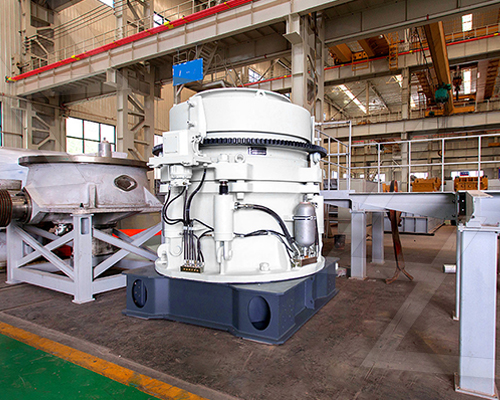
Cone Crusher: Used for secondary and tertiary crushing, the cone crusher reduces pre-crushed stone from the jaw crusher. It operates by compressing material between a rotating mantle and a fixed concave, delivering finer, more uniform output. Ideal for hard and abrasive rock types, modern hydraulic models offer precise settings control and overload protection.
-
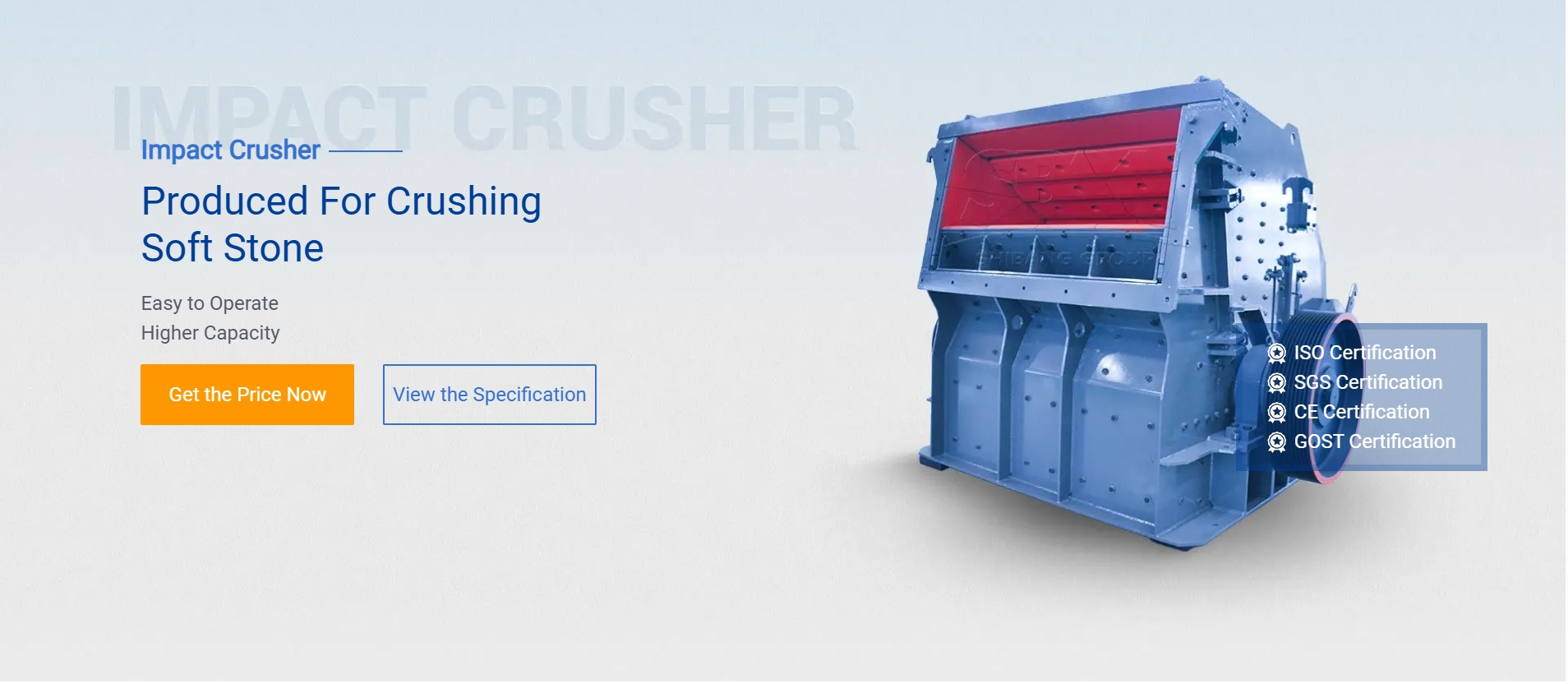
Impact Crusher: Preferred for softer rock and when cubical product shape is critical, the impact crusher uses high-speed rotors to shatter feed material against impact plates. It is commonly deployed in tertiary stages for high productivity and reduced fines generation.
-
Vibrating Feeder: Positioned at the head of the plant, the vibrating feeder ensures a consistent, controlled flow of raw material into the primary crusher. Equipped with grizzly bars, it pre-screens out fines, reducing crusher load and improving throughput efficiency.
-
Vibrating Screen: Multi-deck vibrating screens classify crushed stone by size after each crushing stage. Utilizing oscillating motion, they separate aggregates into specified fractions for stockpiling or further processing. High-amplitude, low-maintenance units are standard in modern plants.
-
Conveyor Belts: A network of belt conveyors transports material between processing units and stockpiles. Engineered for heavy-duty continuous operation, they feature impact beds, self-aligning idlers, and abrasion-resistant covers to minimize downtime.
-
Dust Suppression System: Integral to environmental compliance and operator safety, water spray systems or fog cannons are deployed at transfer points and crushers to control airborne particulates.
-
Control Panel: Centralized PLC-based automation monitors and regulates crusher settings, conveyor speeds, and feed rates. Real-time diagnostics enhance operational efficiency and facilitate preventive maintenance.
Each machine functions as part of an integrated system; optimal performance depends on proper matching of capacity, feed gradation, and discharge requirements. Equipment selection must align with the intended end-product specifications, production rates, and site-specific logistical constraints.
Designing an Efficient Stone Crusher Plant Layout for Maximum Output
-
Optimize material flow by arranging equipment in a linear or semi-circular configuration to minimize conveyance distance and reduce energy consumption. The primary crusher should be positioned closest to the raw material feed source, such as a quarry or stockpile, ensuring swift and uninterrupted supply.
-
Select crusher types based on feed size and desired output gradation. Position jaw crushers for primary reduction, followed by cone or impact crushers for secondary and tertiary stages. Align crushers in series with appropriate sizing transitions to avoid bottlene0cks and maintain consistent throughput.
-
Integrate vibrating feeders upstream of the primary crusher to regulate material flow and prevent surging. Pair with grizzly screens to pre-remove fines and reduce crusher load, enhancing efficiency and wear life.
-
Design conveyor routing to eliminate cross-traffic and elevation conflicts. Use inclined conveyors to transfer material between stages efficiently, ensuring discharge points align precisely with the next stage’s feed inlet. Incorporate transfer towers where necessary to manage elevation changes without excessive belt angles.
-
Position screens after each crushing stage to separate undersized material and recirculate oversized fractions. Use multi-deck screens for accurate classification and ensure screen deck inclination and vibration settings are tuned for maximum stratification and throughput.
-
Allocate adequate space around each machine for maintenance access, component replacement, and inspection. Maintain minimum clearance of 1.2 meters on all sides of major equipment to facilitate safe and efficient servicing.
-
Install dust suppression systems at all transfer points and crusher enclosures. Use water sprays or chemical suppressants to control airborne particulates, complying with environmental regulations and improving working conditions.
-
Centralize the control room for real-time monitoring of crusher load, conveyor status, and power consumption. Implement PLC-based automation to synchronize start-up sequences, detect blockages, and initiate shutdowns during overloads.
-
Design stockpile areas with radial stackers to create segregated, manageable piles by product size. Ensure reclamation paths allow front-end loaders or dozers to access material without disrupting active operations.
-
Conduct a detailed site topographical analysis prior to finalizing layout. Utilize elevation differences to enable gravity-assisted material transfer where possible, reducing reliance on powered conveyors and lowering operational costs.
-
Perform simulation modeling of material flow and equipment utilization to validate layout efficiency before construction. Refine based on throughput projections, maintenance cycles, and scalability requirements.
Cost Breakdown and Investment Analysis for a Turnkey Stone Crushing Plant
-
Land acquisition and site preparation: $50,000–$150,000
Site grading, drainage, access roads, and utility connections depend on topography and location. Remote sites may incur higher infrastructure costs. -
Crushing and screening equipment: $400,000–$1,200,000
Primary jaw crusher: $100,000–$300,000
Secondary cone or impact crusher: $150,000–$400,000
Tertiary crusher (if required): $100,000–$250,000
Vibrating screens (2–3 units): $80,000–$200,000
Conveyor system (5–8 units): $70,000–$150,000 -
Ancillary systems: $100,000–$200,000
Dust suppression (spray systems, baghouses): $40,000–$80,000
Control panel and automation: $30,000–$60,000
Electrical infrastructure (transformers, cabling): $50,000–$80,000
Weighbridges and sampling stations: $15,000–$30,000 -
Installation and commissioning: $50,000–$100,000
Includes engineering supervision, equipment alignment, testing, and operator training. -
Permitting and regulatory compliance: $20,000–$60,000
Environmental impact assessments, air and noise permits, and safety certifications vary by jurisdiction. -
Working capital and initial inventory: $100,000–$150,000
Covers spare parts, lubricants, initial fuel supply, and three months of operating expenses.
| Cost Component | Estimated Range (USD) |
|---|---|
| Land and site prep | $50,000 – $150,000 |
| Crushing & screening equipment | $400,000 – $1,200,000 |
| Ancillary systems | $100,000 – $200,000 |
| Installation & commissioning | $50,000 – $100,000 |
| Permitting & compliance | $20,000 – $60,000 |
| Working capital | $100,000 – $150,000 |
| Total turnkey investment | $720,000 – $1,860,000 |
Total capital expenditure is highly dependent on plant capacity (ranging 100–500 TPH), degree of automation, and regional labor and material costs. A 200 TPH plant with moderate automation typically requires $900,000–$1.3 million. Return on investment averages 3–5 years, driven by local aggregate demand, production efficiency, and operational uptime. Fixed operating costs (labor, maintenance, power) range from $8–$15 per ton. Plants located near infrastructure and end markets achieve faster payback due to lower logistics costs. Financial viability improves significantly with consistent feedstock supply and long-term off-take agreements.
Maintenance, Safety, and Sustainability in Stone Crusher Plant Operations
-
Implement preventive maintenance as a core operational protocol to ensure continuous performance and longevity of stone crusher plant machinery. Daily visual inspections, weekly lubrication schedules, and monthly alignment checks of jaw, cone, and impact crushers mitigate unplanned downtime. Maintain detailed logs for wear parts such as liners, blow bars, and bearings to predict replacement cycles accurately.
-
Conveyor systems require consistent tensioning and belt tracking adjustments. Idler rolls and pulleys should be inspected for wear and misalignment, while electric motors and gearboxes demand thermal imaging and vibration analysis to detect early signs of mechanical failure. Scheduled oil analysis for hydraulic and lubrication systems enhances component reliability.
-
Safety protocols must align with OSHA and ISO 45001 standards. Install emergency stop circuits at accessible intervals across the plant. Mandate lockout-tagout (LOTO) procedures during maintenance to prevent accidental start-up. Provide workers with certified personal protective equipment (PPE), including hearing protection, helmets, and high-visibility apparel.
-
Dust suppression is critical both for operator health and equipment integrity. Utilize water spray systems at transfer points and employ baghouse or cartridge-style dust collectors on screens and crushers. Regular filter inspection and cleaning maintain air quality within permissible exposure limits (PELs).
-
Noise levels exceeding 85 dB(A) require engineering controls such as acoustic enclosures and administrative measures like shift rotation. Conduct biannual noise mapping to identify high-risk zones and assess control effectiveness.
-
Sustainability initiatives begin with energy efficiency. Optimize motor load matching using variable frequency drives (VFDs) and prioritize electric-powered equipment over diesel where feasible. Recycle crushed fines for use in sub-base applications, reducing landfill dependency.
-
Water recycling systems reduce freshwater consumption. Closed-loop sedimentation tanks allow reuse in dust suppression and washing operations, minimizing environmental discharge.
-
Monitor fuel and power consumption through integrated SCADA systems to benchmark performance and identify inefficiencies. Conduct annual audits to align operations with environmental regulations and corporate sustainability goals.
-
Train personnel in environmental stewardship and hazard recognition. Certification programs in plant safety and sustainable practices ensure operational consistency and regulatory compliance.
Frequently Asked Questions
What is a stone crusher machinery complete plant?
A stone crusher machinery complete plant is an integrated system designed for crushing raw quarry rock into smaller, graded aggregates used in construction, road building, and mining. It typically includes primary and secondary crushers (like jaw, cone, or impact crushers), vibrating feeders, screens, conveyors, and control systems. The plant operates as a synchronized unit to maximize efficiency, output, and product uniformity.
What are the key components of a complete stone crusher plant?
The core components include a vibrating feeder (for uniform material supply), primary crusher (usually a jaw crusher), secondary crusher (cone or impact crusher), tertiary crusher (for finer output), vibrating screens (for grading), belt conveyors (for material transport), dust collection systems, and an automated control panel. Optional additions may involve wash plants and magnetic separators for impurity removal.
How to choose the right capacity for a stone crusher plant?
Capacity selection depends on project scale, feed material characteristics, desired output size, and operational hours. Plants are rated from 50 TPH (tons per hour) to over 1000 TPH. Conduct a material test analysis and align expected demand with crusher throughput efficiency. Optimal sizing prevents bottlenecks and ensures consistent supply without overinvesting in underutilized infrastructure.
What types of crushers are used in a complete stone crushing plant?
Primary crushing typically uses jaw crushers due to their high reduction ratio and robustness. Cone crushers are common for secondary and tertiary stages for producing cubical aggregates. Impact crushers are preferred for soft to medium-hard rock and when a higher fines reduction is needed. The selection depends on rock hardness (e.g., granite vs. limestone), abrasiveness, and final product specifications.
How important is automation in a modern stone crusher plant?
Automation is critical for optimizing performance, reducing labor costs, and ensuring consistent product quality. Advanced PLC-based control systems monitor feed rate, crusher load, vibration, temperature, and conveyor speeds. Remote monitoring and predictive maintenance features minimize downtime and enhance safety. Fully automated plants allow real-time adjustments to match production goals and respond to material variability.
What factors influence the layout design of a stone crusher plant?
Plant layout depends on topography, material flow efficiency, space constraints, environmental regulations, and accessibility for maintenance. Key considerations include minimizing drop heights between conveyors, ensuring proper drainage, facilitating dust suppression, and placing crushers and screens to reduce material handling. Modular designs offer flexibility for relocation and scalability.
How do you ensure environmental compliance in a stone crusher plant?
Environmental compliance involves dust suppression (using water sprays or bag filters), noise control (enclosures, sound barriers), wastewater management (sedimentation pits), and proper site restoration planning. Regular emissions testing, adherence to EPA or local regulatory standards, and installation of real-time particulate monitors are essential for sustainable operation and regulatory approvals.
What maintenance practices extend the life of a stone crusher plant?
Routine maintenance includes lubrication of bearings, inspection of crusher liners and wear parts, conveyor belt alignment, screen media replacement, and electrical system checks. Implementing a predictive maintenance strategy—using vibration analysis, thermal imaging, and oil sampling—helps detect failures before they occur. Proper training for operators and detailed maintenance logs are crucial for longevity.
Can a stone crusher plant be mobile or modular?
Yes, mobile plants use tracked or wheeled chassis for mobility and are ideal for temporary sites or shifting quarries. Modular plants are semi-portable, factory-assembled units that allow rapid deployment and reconfiguration. Both options reduce installation time and capital costs while offering scalability. Modular designs are particularly beneficial for remote or phased development projects.
How does feed material hardness affect crusher plant configuration?
Harder materials like basalt or granite require robust primary crushers (e.g., heavy-duty jaw crushers) and wear-resistant components. Softer rocks like limestone can use impact crushers for higher output and better shape. Material abrasiveness impacts liner life and maintenance cycles. A Petrographic Analysis Report (PAR) helps tailor crusher settings, speed, and configuration for optimal performance and cost-efficiency.

What safety standards must a stone crusher plant meet?
Compliance with OSHA (or equivalent national) safety standards is mandatory. Key measures include emergency stop systems, lockout/tagout (LOTO) procedures, PPE requirements, machine guarding, fire suppression systems, and training programs. Regular safety audits, risk assessments (like HIRA), and installation of CCTV and proximity sensors enhance operational safety in high-risk environments.
How to optimize output quality in a stone crusher plant?
Output quality is optimized by selecting the right crusher type and closed-side settings, using multi-deck vibrating screens with precise mesh sizing, and implementing closed-loop feedback systems. Regular calibration of crushers and screens, controlling feed gradation, and eliminating contaminants through tramp iron removal ensure consistent aggregate shape, size distribution, and adherence to industry standards like ASTM or BS.