Table of Contents
- Understanding Manganese Ore and Its Industrial Importance
- Key Stages in Manganese Ore Processing Plant Operations
- Crushing and Grinding Systems for Efficient Manganese Liberation
- Separation and Concentration Techniques in Manganese Refining
- Advanced Technologies and Sustainability in Modern Manganese Plants
- Frequently Asked Questions
- What are the key stages in a manganese ore processing plant?
- How is low-grade manganese ore upgraded in a processing plant?
- What role does magnetic separation play in manganese ore processing?
- Can flotation be used effectively for manganese ore concentration?
- What are the environmental challenges in manganese ore processing and how are they mitigated?
- How does ore composition influence the design of a manganese processing plant?
- What equipment is essential for a modern manganese ore processing plant?
- How is manganese recovery maximized in fine particle processing?
- What is the significance of particle size analysis in manganese beneficiation?
- Are reductive roasting techniques viable for refractory manganese ores?
- What are the latest innovations in manganese ore processing technology?
- How is water management optimized in remote manganese processing facilities?
Manganese ore, a critical component in steelmaking and battery technologies, demands efficient and reliable processing to unlock its full industrial potential. As global demand for high-purity manganese continues to rise, the design and operation of a manganese ore processing plant have become pivotal in ensuring economic viability and environmental sustainability. From initial ore extraction to final concentrate production, each stage—crushing, grinding, beneficiation, and refining—requires precision engineering and advanced equipment tailored to the ore’s unique characteristics. Modern processing plants leverage technologies such as magnetic separation, gravity concentration, and hydrometallurgical methods to maximize recovery rates and minimize waste. Optimizing these processes not only enhances throughput and product quality but also reduces energy consumption and operational costs. This comprehensive guide explores the intricacies of manganese ore processing, detailing essential equipment, extraction methodologies, and strategic optimization techniques that empower mining operations to meet evolving market demands with efficiency and resilience.
Understanding Manganese Ore and Its Industrial Importance
-
Manganese is a critical metallic element, primarily sourced from manganese oxide and carbonate ores, with pyrolusite (MnO₂) and rhodochrosite (MnCO₃) being the most industrially significant. These ores vary in manganese content, ranging from 15% to over 50%, with higher-grade deposits typically required for direct processing in metallurgical applications.
-
The strategic importance of manganese stems from its irreplaceable role in steel production, where it acts as a key deoxidizer and desulfurizer. Over 90% of global manganese consumption supports the steel industry, enhancing strength, workability, and corrosion resistance in carbon and stainless steels. Manganese also enables the efficient use of sulfur in free-machining steels, a unique metallurgical function not replicable by alternative elements.
-
Beyond ferrous metallurgy, manganese is vital in non-ferrous alloys, particularly aluminum-manganese alloys used in beverage cans and aerospace components for improved strength and thermal stability. It also serves as a cathode material in lithium-ion batteries, notably in lithium-manganese oxide (LMO) and nickel-manganese-cobalt (NMC) chemistries, positioning manganese at the nexus of energy storage and electrification trends.
-
Industrial demand drives stringent specifications for ore quality. Grades below 35% Mn typically require beneficiation to meet market standards, while contaminants such as iron, silica, phosphorus, and alumina must be minimized to ensure process efficiency and product integrity in downstream applications.
-
Supply security is a growing concern due to the geographic concentration of high-grade reserves. Major producers include South Africa, Australia, Gabon, and Ghana, with supply chains increasingly scrutinized for sustainability and traceability, particularly in battery-grade material sourcing.
-
The processing of manganese ore involves multiple stages—crushing, screening, washing, gravity separation, and magnetic separation—tailored to the ore’s mineralogical composition. Refractory or complex ores may necessitate froth flotation or hydrometallurgical techniques to achieve acceptable recovery and purity.
-
With rising demand across steel and battery sectors, advancements in ore processing efficiency, resource utilization, and environmental performance are paramount. Effective plant design must balance throughput, energy consumption, and recovery rates while adhering to evolving regulatory and market requirements.
Key Stages in Manganese Ore Processing Plant Operations
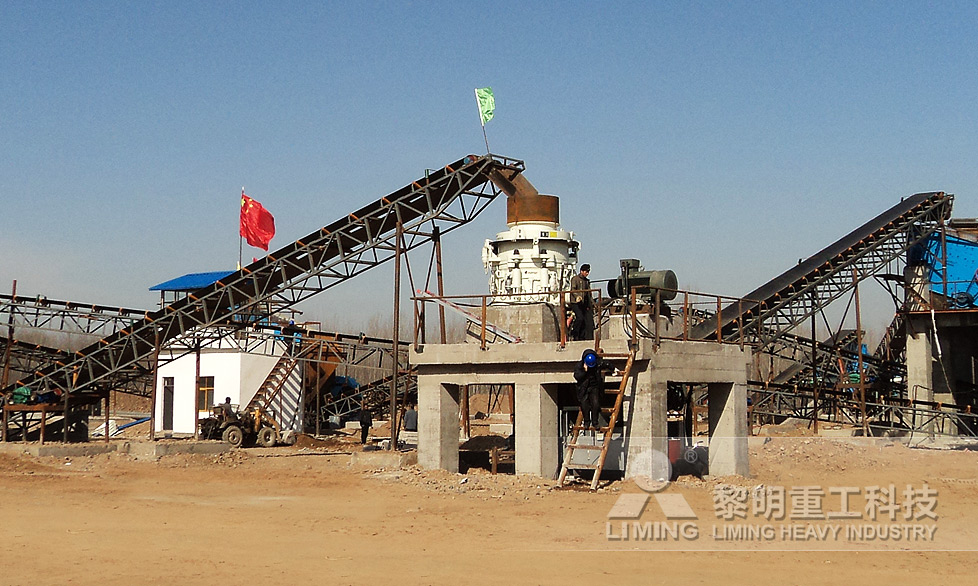
- Manganese ore processing begins with run-of-mine ore delivery to the crushing station, where primary jaw crushers reduce lump sizes from up to 1.5 m to approximately 150 mm. This stage ensures efficient handling and downstream processing.
- Secondary and tertiary cone or impact crushers further reduce the ore to 10–25 mm, optimizing liberation characteristics. Closed-circuit crushing with vibrating screens ensures product size uniformity and recirculates oversized material.
- Ore is then conveyed to storage or directly to the grinding circuit, typically comprising SAG or ball mills. Wet grinding in rod or ball mills produces a slurry with 60–75% solids, liberating manganese minerals from gangue materials such as quartz and silicates.
- Classification follows grinding, using hydrocyclones or spiral classifiers to separate fine and coarse particles. The overflow, containing properly sized particles, proceeds to beneficiation, while underflow is re-ground.
- Gravity separation is the primary beneficiation method for coarse manganese ores, employing jigs, shaking tables, or spirals. These exploit density differences between manganese oxides (e.g., pyrolusite, psilomelane) and siliceous gangue, achieving Mn recoveries of 70–85% with upgraded concentrate grades of 40–48% Mn.
- For fine-grained or complex ores, magnetic separation is applied due to the paramagnetic nature of manganese minerals. High-intensity magnetic separators (induced roll or drum types) effectively recover manganese from slimes, especially when combined with gravity circuits.
- Flotation is used selectively for ores with phosphate or iron intergrowth. Cationic or anionic collectors, often with depressants like starch, separate manganese from associated impurities. However, flotation is energy- and reagent-intensive, deployed only when gravity and magnetic methods are insufficient.
- Concentrate dewatering involves thickening, filtration, and drying. High-rate thickeners reduce moisture to 30–40%, followed by vacuum or pressure filters achieving 8–12% moisture. Belt or rotary dryers finalize moisture reduction to <5% for smelting or market specifications.
- Tailings management is critical: cyclone underflow and flotation tailings are pumped to engineered tailings storage facilities with proper geochemical monitoring and water recovery systems to minimize environmental impact.
- Final product quality control includes XRF or ICP-OES analysis to verify Mn content, Fe, P, SiO₂ ratios, and moisture, ensuring compliance with ferromanganese or silicomanganese feedstock standards.
- Process optimization integrates real-time sensors, automated control systems, and metallurgical accounting to maintain throughput, recovery, and energy efficiency across the circuit.
Crushing and Grinding Systems for Efficient Manganese Liberation
-
Primary crushing of manganese ore typically begins with a jaw or gyratory crusher, designed to reduce run-of-mine ore from large boulders to particles under 150 mm. This stage is critical to ensure feed compatibility with downstream grinding circuits and to liberate coarse gangue material early, reducing energy consumption in fine grinding.
-
Secondary and tertiary crushing stages employ cone or impact crushers to further reduce particle size to 10–25 mm. The selection depends on ore hardness, moisture content, and required product size distribution. Closed-circuit configurations with vibrating screens are standard to ensure undersized material proceeds while oversize is recirculated.
-
Grinding operations are central to achieving adequate manganese mineral liberation, which typically occurs at 75–150 µm. Ball mills, operated in closed circuit with hydrocyclones, are most common. For harder, more abrasive ores, rod mills may precede ball mills to reduce peeling and overgrinding.
-
High-pressure grinding rolls (HPGR) are increasingly adopted as energy-efficient alternatives in tertiary crushing or as a pre-grind step. HPGR units induce microcracking within particles, enhancing liberation and reducing grindability energy requirements by up to 30%.
-
Circuit optimization involves precise control of feed rate, pulp density, and classification efficiency. Advanced process control systems monitor particle size in real time via online analyzers, adjusting mill throughput and classifier settings to maintain target grind.
-
Wear resistance is a key consideration due to the abrasive nature of manganese ores. Liners, grinding media, and crusher components must utilize high-chrome alloys or composite materials to extend service life and minimize downtime.
-
Liberation analysis via quantitative mineralogy (e.g., QEMSCAN or MLA) is recommended to confirm optimal grind size and identify locked particles. Under-grinding reduces recovery; over-grinding increases slimes, complicating downstream beneficiation.
-
Water balance and slurry rheology must be managed closely, especially in dry or arid regions. Closed-loop water recycling systems reduce consumption and environmental impact while maintaining consistent grinding performance.
-
Maintenance protocols should emphasize predictive monitoring—vibration analysis, liner wear mapping, and media consumption tracking—to sustain throughput and avoid unscheduled outages.
Separation and Concentration Techniques in Manganese Refining
-
Manganese refining relies on efficient separation and concentration techniques to upgrade raw ore to commercially viable grades, typically increasing Mn content from 20–35% in run-of-mine ore to >44–48% in concentrate. The selection of method depends on ore mineralogy, gangue composition, particle size distribution, and economic constraints.
-
Gravity separation is widely employed for coarse and medium-sized particles, particularly in processing sedimentary or weathered deposits. Jigs, spirals, and shaking tables exploit density differences between manganese minerals (e.g., pyrolusite, psilomelane; SG: 4.5–5.0) and siliceous gangue (SG: ~2.65). This technique is cost-effective and environmentally benign, with minimal reagent use, but is limited by particle size and liberation requirements.
-
Magnetic separation is critical for fine-grained ores containing paramagnetic manganese oxides. Low-intensity magnetic separators (LIMS) remove ferromagnetic impurities, while high-intensity magnetic separators (HIMS), including induced roll and rare-earth drum types, effectively recover manganese minerals from non-magnetic gangue. HIMS can achieve Mn recoveries of 70–85% in finely disseminated ores where liberation occurs below 150 µm.
-
Froth flotation is applied when manganese minerals are finely interlocked with silicates or carbonates. Cationic collectors (e.g., amines) are used to float gangue, while anionic collectors target manganese oxides directly. Depression of iron and silicate gangue is achieved using sodium silicate and starch. Flotation delivers high-grade concentrates (>48% Mn) but requires precise pH control (typically 8–10), reagent optimization, and careful grinding to ensure mineral liberation.
-
Chemical leaching, particularly acid leaching with H₂SO₄ or SO₂, is reserved for low-grade or refractory ores. It dissolves manganese selectively from carbonate or oxide minerals, followed by precipitation or solvent extraction for purification. While effective, leaching is energy- and reagent-intensive and generally serves as a secondary upgrading step.
-
Multi-stage flowsheets integrating crushing, grinding, screening, and sensor-based ore sorting are increasingly adopted to pre-concentrate feed and reduce downstream load. The optimal technique or combination is determined through detailed mineralogical analysis and metallurgical testing to balance recovery, grade, and operational cost.
Advanced Technologies and Sustainability in Modern Manganese Plants
-
Implementation of advanced process control (APC) systems has revolutionized manganese ore processing, enabling real-time optimization of grinding, separation, and refining operations. These systems leverage data from online sensors—such as X-ray fluorescence (XRF) analyzers and laser particle size detectors—to dynamically adjust feed rates, reagent dosages, and hydrocyclone pressures, ensuring consistent product quality while minimizing energy and reagent consumption.
-
High-intensity magnetic separation (HIMS) and sensor-based ore sorting are now integral in pre-concentration stages. HIMS efficiently separates paramagnetic manganese minerals like pyrolusite and psilomelane from gangue materials, particularly in low-grade ores. Sensor-based sorting, utilizing X-ray transmission or near-infrared spectroscopy, enables early rejection of waste material, reducing downstream load and improving overall plant throughput.
-
Hydrometallurgical advancements, particularly in reductive leaching using sulfur dioxide or organic reductants, offer higher manganese recovery with lower environmental impact compared to traditional smelting. These processes operate at ambient or moderate pressures and temperatures, reducing energy demands and enabling selective extraction from complex oxide ores.
-
Digital twin technology is increasingly deployed to simulate plant operations, predict equipment failures, and optimize maintenance schedules. Coupled with machine learning algorithms, digital twins allow operators to model various operational scenarios, improving decision-making for throughput, recovery, and energy efficiency.
-
Sustainability is further enhanced through closed-loop water recycling systems and tailings valorization. Modern plants integrate thickener-underflow recovery and membrane filtration to achieve water reuse rates exceeding 90%. Additionally, research into converting manganese tailings into construction materials or soil amendments reduces landfill dependency and supports circular economy objectives.
-
Renewable energy integration, particularly solar and wind, is being piloted in remote mining operations to offset grid dependence and lower carbon intensity. When coupled with energy-efficient comminution equipment—such as high-pressure grinding rolls (HPGR) and vertical roller mills—these measures contribute to a significant reduction in the plant’s carbon footprint.
-
Continuous monitoring of emissions and effluents using IoT-enabled sensors ensures compliance with stringent environmental regulations, while enabling proactive mitigation of potential ecological risks.
Frequently Asked Questions
What are the key stages in a manganese ore processing plant?
A manganese ore processing plant typically involves crushing, screening, washing, grinding, gravity separation, magnetic separation, and sometimes flotation. The exact sequence depends on the ore type (e.g., oxide or carbonate) and grade. High-grade ores may only need crushing and screening, while low-grade ores require advanced beneficiation to enhance manganese content and reduce impurities like iron, silica, and alumina.
How is low-grade manganese ore upgraded in a processing plant?
Low-grade manganese ore is upgraded through beneficiation techniques such as jigging (gravity separation), high-intensity magnetic separation (for paramagnetic minerals like pyrolusite), and flotation. Pre-concentration via sensor-based sorting or dry/wet screening may also be used. Chemical leaching with reducing agents (e.g., SO₂ or ferrous sulfate) can dissolve manganese oxides for subsequent recovery.
What role does magnetic separation play in manganese ore processing?
Magnetic separation, particularly high-intensity magnetic separators (HIMS), is vital for separating manganese minerals like psilomelane and pyrolusite from gangue minerals such as quartz and silicates. These manganese oxides exhibit paramagnetic properties, allowing effective concentration at field intensities of 0.8–1.2 Tesla. This method is especially effective for fine-grained ores after grinding.
Can flotation be used effectively for manganese ore concentration?
Yes, flotation can be effective for fine-grained manganese ores where gravity and magnetic methods are insufficient. Reverse anionic flotation removes siliceous gangue using collectors like fatty acids, while direct cationic flotation targets manganese minerals. However, due to the hydrophilic nature of most manganese oxides, careful reagent selection and pH control (typically pH 8–10) are critical for success.
What are the environmental challenges in manganese ore processing and how are they mitigated?
Key environmental challenges include dust emissions during crushing, wastewater with suspended solids and heavy metals, and tailings management. Mitigation includes wet suppression systems, closed-loop water recycling, thickener underflow filtration, and engineered tailings storage facilities (TSFs) with seepage liners. Neutralization of acidic runoff using limestone and phytoremediation of manganese-contaminated soils are also employed.
How does ore composition influence the design of a manganese processing plant?
Ore composition—such as Mn/Fe ratio, silica content, presence of phosphorus, and mineralogy—dictates processing routes. High-iron ores may require reductive roasting followed by magnetic separation. Carbonate ores (e.g., rhodochrosite) often respond well to gravity separation, while complex oxide ores may necessitate a hybrid flowsheet combining multiple technologies. Detailed mineralogical analysis (e.g., QEMSCAN) informs optimal circuit design.
What equipment is essential for a modern manganese ore processing plant?
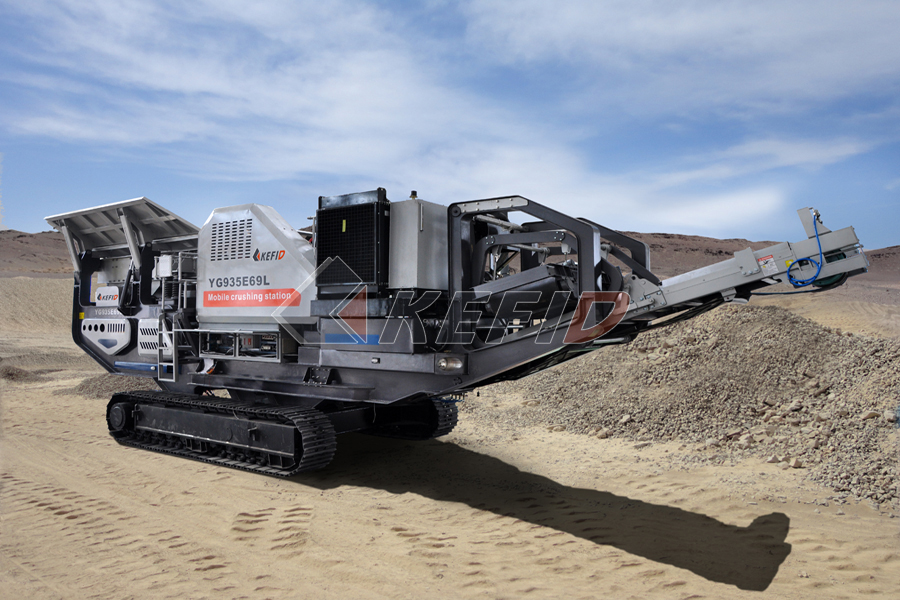
Essential equipment includes jaw and cone crushers, vibrating screens, scrubbers, ball or rod mills, jigs, spiral concentrators, high-intensity magnetic separators, flotation cells, thickeners, filters, and stackers. Automation systems (e.g., PLC/SCADA) optimize throughput and recovery. For high-capacity plants, modular process plants (MPPs) offer scalability and rapid deployment.
How is manganese recovery maximized in fine particle processing?
Fine particle recovery (<75 µm) is enhanced using advanced gravity concentrators (e.g., Knelson or Falcon concentrators), flocculation-assisted thickening, and ultrafine magnetic separators. Integrating flotation or selective agglomeration helps recover micron-sized manganese values. Process water chemistry control (e.g., ionic strength, dispersants) prevents slimes interference and improves selectivity.
What is the significance of particle size analysis in manganese beneficiation?
Particle size distribution directly affects liberation efficiency and downstream separation performance. Optimal grinding ensures sufficient liberation of manganese minerals from gangue without excessive overgrinding. Laser diffraction and sieve analysis guide mill circuit design. A typical target grind size ranges between 60–150 µm, depending on ore texture and mineral associations.
Are reductive roasting techniques viable for refractory manganese ores?
Yes, reductive roasting is highly effective for refractory manganese ores, particularly high-iron types. Roasting at 800–1000°C under reducing atmosphere (CO/H₂) converts manganese and iron oxides to magnetite and MnO, enabling selective magnetic separation. Rotary kilns or fluidized beds are commonly used. While energy-intensive, this method achieves Mn/Fe ratios suitable for ferromanganese production.
What are the latest innovations in manganese ore processing technology?
Recent innovations include sensor-based ore sorting (XRT, LIBS) for pre-concentration, high-gradient superconducting magnetic separators (HGMS), and bioleaching using acidophilic bacteria (e.g., Leptospirillum spp.) for selective manganese dissolution. Modular and mobile processing units, digital twin modeling, and AI-driven process optimization are also transforming operational efficiency and recovery rates.
How is water management optimized in remote manganese processing facilities?
In remote locations, water scarcity demands closed-circuit water recycling. Thickeners with high compression designs, filter presses, and zero liquid discharge (ZLD) systems minimize freshwater intake. Non-process water (e.g., rainwater, runoff) is harvested and treated via reverse osmosis or evaporation ponds. Real-time water quality monitoring ensures consistent process performance and regulatory compliance.