Table of Contents
- Understanding Rock and Clay Crushing: Industrial Needs and Material Challenges
- Primary Crushers for Rock and Clay: Jaw and Gyratory Crusher Performance Compared
- Secondary and Tertiary Processing: Cone, Impact, and Roll Crushers in Action
- Specialized Crushing Solutions for Sticky Clay: Mud Crushers and Toothed Roll Designs
- Optimizing Efficiency: Selecting the Right Crushing Equipment for Your Operation
- Frequently Asked Questions
- What are the primary types of rock clay crushing equipment used in industrial applications?
- How does moisture content in rock clay affect crusher selection?
- What are the key maintenance challenges with rock clay crushing equipment?
- Can jaw crushers effectively process clay-rich rock materials?
- What role does particle size distribution play in selecting crushing equipment?
- How do hammer mills outperform other crushers for clay rock?
- What safety considerations are critical when operating rock clay crushers?
- How can energy efficiency be optimized in rock clay crushing circuits?
- What are the environmental impacts of rock clay crushing, and how are they mitigated?
- Is pre-crushing screening necessary for rock clay feed?
- How do abrasive components in clay rock influence wear part selection?
- Can automation improve performance in rock clay crushing plants?
In the dynamic world of construction, mining, and aggregate production, the efficient processing of raw materials is paramount—and rock and clay crushing equipment stands at the heart of this transformation. From rugged quarries to large-scale infrastructure projects, these powerful machines convert formidable chunks of earth into usable aggregates, enabling the creation of roads, buildings, and industrial products. The diversity of materials—ranging from hard igneous rock to plastic, moisture-laden clay—demands specialized crushing solutions tailored to specific operational needs. Jaw crushers, cone crushers, impact crushers, and specialized clay breakers each play a crucial role in optimizing throughput, reducing wear, and ensuring consistent output quality. Selecting the right machinery isn’t just about power—it’s about precision, adaptability, and long-term cost-efficiency. As technology advances, modern crushing systems integrate smart controls, improved material flow, and enhanced durability to meet rising industry demands. Understanding the types, applications, and best machinery choices is essential for maximizing productivity and staying competitive in today’s demanding markets.
Understanding Rock and Clay Crushing: Industrial Needs and Material Challenges
-
Rock and clay crushing represents a foundational operation in construction materials, ceramics, mining, and infrastructure development, where raw geological materials must be reduced to specified gradations for downstream processing. The industrial demand centers on consistent output, energy efficiency, and equipment durability under abrasive and variable feed conditions.
-
Material characteristics significantly influence crushing methodology. Rock—such as limestone, granite, and basalt—varies in compressive strength (ranging from 100 to over 300 MPa), abrasiveness, and fracture toughness. High-strength rocks demand robust primary crushers capable of withstanding impact and compression forces, often favoring jaw and gyratory crushers. Clay, by contrast, presents challenges related to plasticity, moisture retention, and adhesion. Wet or sticky clay tends to cause blinding (clogging) in screens and feed chutes, requiring specialized equipment with self-cleaning features or pre-drying stages.
-
Industrial applications dictate throughput and precision requirements. In cement production, limestone must be crushed to 75–100 mm before grinding; in brick manufacturing, clay must be reduced to fine, homogenized particles to ensure uniform extrusion. Aggregate production requires multi-stage crushing to achieve distinct size fractions meeting ASTM or EN specifications.
| Material Type | Typical Moisture Content | Primary Crushing Challenge | Preferred Crusher Type |
|---|---|---|---|
| Hard Rock | <1% | High compressive strength, abrasiveness | Jaw, Gyratory |
| Soft Rock | 1–3% | Moderate wear, consistent sizing | Cone, Impact |
| Plastic Clay | 8–20% | Clogging, adhesion, uneven flow | Reversible Hammer Mill, Cage Mill |
-
Equipment selection must account for feed variability, including fluctuations in moisture, particle size, and contaminant presence (e.g., roots, debris in clay). Closed-circuit configurations with integrated screening improve size control and reduce recirculation load. Advanced automation systems monitor power draw, feed rate, and chamber level to maintain optimal performance.
-
Long-term operational costs are driven by wear part consumption—mantles, liners, hammers—particularly when processing siliceous rocks or contaminated clays. Alloys such as manganese steel or engineered composites are employed to extend component life.
Understanding material behavior under mechanical stress, combined with precise equipment matching, ensures reliable, cost-effective crushing operations across diverse industrial environments.
Primary Crushers for Rock and Clay: Jaw and Gyratory Crusher Performance Compared
- Primary crushers serve as the initial stage in size reduction circuits for rock and clay processing, with jaw and gyratory crushers representing the dominant technologies. Selection between the two hinges on feed characteristics, throughput requirements, and operational efficiency.
Jaw crushers operate on the principle of compressive force, utilizing a fixed and a reciprocating jaw plate to fracture material. They are mechanically simpler, with fewer moving parts, leading to lower maintenance demands and capital costs. Jaw crushers handle abrasive, sticky, and moderately hard materials effectively, making them particularly suitable for clay-laden feed or operations with variable moisture content. Their compact footprint and ease of installation favor modular or mobile crushing plants.
Gyratory crushers employ a rotating mantle within a concave bowl liner to generate continuous compressive force. This design enables higher throughput capacities and more uniform particle size distribution compared to jaw crushers of similar size. Gyratory units excel in large-scale, continuous operations processing hard, high-abrasion rock such as granite or basalt. Their superior reduction ratio and energy efficiency per ton justify higher initial investment in high-volume applications.
| Parameter | Jaw Crusher | Gyratory Crusher |
|---|---|---|
| Feed Size (max) | Up to 1,200 mm | Up to 1,500 mm |
| Capacity Range | 100–1,500 tph | 500–10,000 tph |
| Maintenance Complexity | Low to moderate | High |
| Energy Efficiency | Moderate | High (at scale) |
| Moisture Tolerance | High | Moderate |
| Footprint | Compact | Large |
Jaw crushers offer greater tolerance to tramp metal and bridging, especially in wet clay applications, whereas gyratory crushers require stringent tramp metal protection due to complex internal geometry. Operational costs for gyratory units are lower per ton at full capacity but increase significantly under partial loading.
In applications involving mixed rock and clay feed, jaw crushers often provide more reliable performance due to reduced risk of hang-ups. However, for high-tonnage operations processing competent rock, the gyratory crusher’s throughput and efficiency advantages are decisive. The choice ultimately depends on material properties, production scale, and total cost of ownership.
Secondary and Tertiary Processing: Cone, Impact, and Roll Crushers in Action
-
Secondary and tertiary crushing stages refine material after primary reduction, optimizing particle shape and size for downstream applications. Cone, impact, and roll crushers each serve distinct roles in these phases, selected based on feed characteristics, desired output gradation, and operational efficiency requirements.
-
Cone crushers dominate secondary and tertiary circuits for hard and abrasive rock such as granite, basalt, and quartzite. Utilizing compressive force between a gyrating mantle and a fixed concave liner, they produce consistently cubical aggregates ideal for high-performance concrete and asphalt. Modern hydraulic adjustment and overload protection systems enhance reliability and minimize downtime. High reduction ratios and precise closed-side settings enable fine control over product size, making them indispensable in quarries producing specification-grade aggregates.
-
Impact crushers, particularly horizontal shaft impactors (HSIs), are preferred when shaping and high reduction efficiency are critical. They excel in processing softer to medium-hard materials like limestone and recycled concrete. Rotor-driven hammers or blow bars impart kinetic energy to fracture feed material against impact plates, yielding uniformly shaped particles with minimal fines. Their ability to produce sand-sized material makes them valuable in manufactured sand production, although wear costs increase significantly with abrasive feed.
-
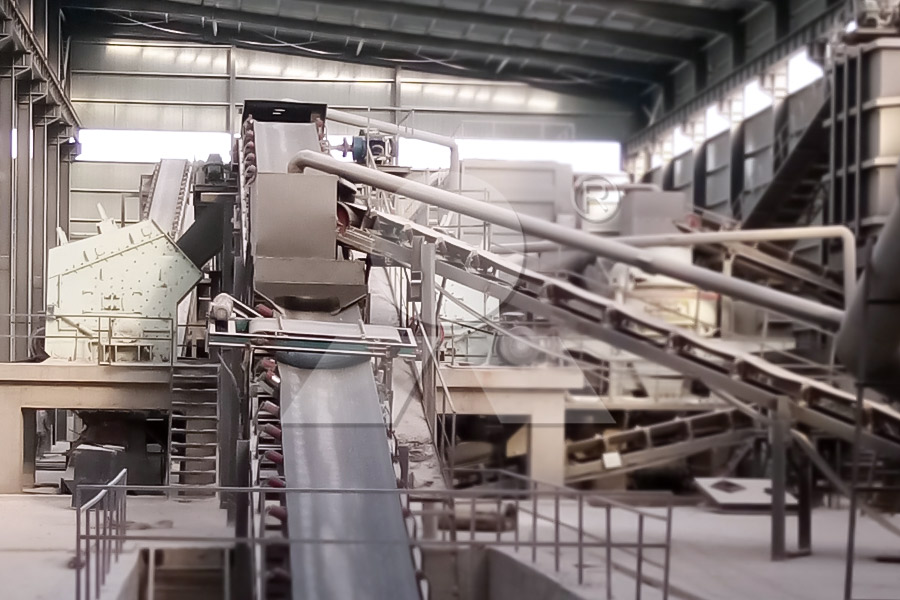
Roll crushers, including single, double, and toothed variants, operate through compressive and shearing forces between counter-rotating rolls. They are deployed in tertiary circuits where controlled size reduction with minimal fines generation is paramount, such as in industrial mineral processing or clay-rich feed. Smooth roll crushers achieve fine reduction for friable materials, while toothed rolls handle sticky or clay-laden rock with reduced clogging risk. Although reduction ratios are lower than those of cone or impact units, roll crushers offer precise top-size control and gentle processing to preserve valuable mineral integrity.
-
Selection among these machines hinges on material properties, throughput demands, and product specifications. Cone crushers offer durability and precision for hard rock, impact crushers deliver superior particle shaping for construction aggregates, and roll crushers provide controlled, low-fines reduction for specialized applications. Integrating the appropriate technology in secondary and tertiary stages ensures optimal efficiency, product quality, and operational economy.
Specialized Crushing Solutions for Sticky Clay: Mud Crushers and Toothed Roll Designs
-
Mud crushers and toothed roll crushers represent specialized solutions engineered to address the unique challenges posed by sticky, high-moisture clay and clay-rich feed materials in mineral processing and aggregate production.
-
Conventional jaw and cone crushers frequently experience blockages, reduced throughput, and excessive downtime when processing wet, cohesive materials. Mud crushers, also known as wet clay crushers or rotary chain crushers, overcome these limitations through a combination of high-torque drive systems and aggressive material agitation.
-
These units typically employ rotating shafts equipped with hardened steel hammers or chains that impact and shear clay masses, breaking them into smaller, manageable particles. The open rotor design minimizes bridging and allows for continuous operation even with feed moisture content exceeding 20%. Clearance between rotating elements and the housing is optimized to prevent material packing while maintaining effective particle size reduction.
-
Toothed roll crushers complement this category by offering controlled size reduction with minimal fines generation. Each roll features machined alloy steel teeth arranged in a staggered pattern to interlock during rotation, providing a scissor-like action that fractures clay aggregates efficiently. The gap between rolls is adjustable, enabling precise output sizing—typically within 10–50 mm ranges—making them ideal for downstream screening or pelletizing.
-
Key design advantages include oversized bearings for shock load resistance, replaceable wear parts for prolonged service life, and modular construction facilitating maintenance. Some models integrate hydraulic tramp release mechanisms to protect drivetrain components from uncrushable debris.
| Feature | Mud Crusher | Toothed Roll Crusher |
|---|---|---|
| Feed Moisture Tolerance | Up to 25% | Up to 20% |
| Reduction Ratio | 4:1 to 6:1 | 3:1 to 8:1 |
| Output Control | Moderate | High |
| Wear Part Accessibility | High | High |
| Ideal Application | Primary breaking of wet clay banks | Secondary size reduction, blending |
- Selection between these systems depends on feed characteristics, required throughput, and downstream process demands. For primary reduction of raw, excavated clay with variable moisture, mud crushers provide robust performance. For consistent feed with tighter size specifications, toothed roll crushers deliver superior control and efficiency.
Optimizing Efficiency: Selecting the Right Crushing Equipment for Your Operation
-
Evaluate feed material characteristics as the foundation for equipment selection. Hardness, abrasiveness, moisture content, and feed size directly influence crusher performance and longevity. For hard, abrasive rock such as granite or basalt, primary jaw or gyratory crushers offer robust initial size reduction. Softer materials like clay or limestone may allow for impact or roll crushers, which provide higher reduction ratios and cubical output.
-
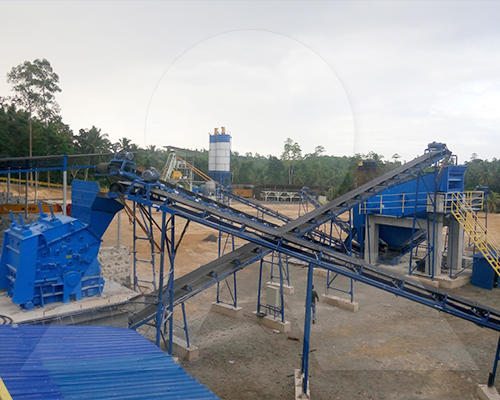
Match capacity requirements to throughput demands. Overestimating leads to unnecessary capital and operational expenditure; underestimating creates bottlenecks. Analyze hourly tonnage needs and account for peak loads. Stationary installations benefit from high-capacity cone or horizontal shaft impact (HSI) crushers, while mobile units offer flexibility for changing site conditions or temporary projects.
-
Prioritize reduction ratio and product size specifications. Jaw crushers typically offer 6:1 reduction ratios, suitable for primary stages. Cone and impact crushers achieve 8:1 or higher, ideal for secondary and tertiary processing where precise gradation is critical. For fines-sensitive applications—such as aggregate for asphalt or sub-base—consider crushers with adjustable closed-side settings and automated controls to maintain consistency.
-
Assess operational efficiency through power consumption, wear part life, and maintenance intervals. High chrome alloy liners and manganese steel mantles extend service life in abrasive environments. Modern crushers integrate monitoring systems for real-time adjustments, minimizing unplanned downtime. Evaluate total cost of ownership, factoring in energy use, spare parts availability, and service support.
-
Consider environmental and spatial constraints. Enclosed crushing systems reduce dust and noise, complying with regulatory standards. In confined urban or underground settings, compact designs such as vertical shaft impact (VSI) crushers or portable jaw units provide efficient solutions without sacrificing output.
| Crusher Type | Best Material Type | Typical Reduction Ratio | Primary Application Stage |
|---|---|---|---|
| Jaw | Hard, abrasive rock | 6:1 | Primary |
| Gyratory | Very hard rock | 6–8:1 | Primary |
| Cone | Medium to hard rock | 4–8:1 | Secondary/Tertiary |
| HSI | Softer, less abrasive | 10:1 | Secondary |
| VSI | Controlled shaping | Varies | Tertiary/Quaternary |
| Roll | Soft to medium rock, clay | 3–4:1 | Low-capacity, fines control |
Selecting the optimal crushing equipment requires alignment of material properties, production goals, and lifecycle costs. A systematic evaluation ensures peak efficiency, consistent product quality, and long-term operational reliability.
Frequently Asked Questions
What are the primary types of rock clay crushing equipment used in industrial applications?
Primary rock clay crushing equipment includes jaw crushers, hammer mills, impact crushers, and roll crushers. Jaw crushers handle initial coarse reduction, while hammer mills are ideal for wet, sticky materials like clay due to their high-impact breakage mechanism. Impact crushers offer efficient size reduction with good particle shape, and smooth or toothed roll crushers provide controlled sizing for downstream processing. Each machine is selected based on feed size, moisture content, throughput requirements, and final product specifications.
How does moisture content in rock clay affect crusher selection?
High moisture content in rock clay can cause blinding, clogging, and reduced throughput. Crushers with high-impact mechanisms—such as hammer mills or cage crushers—are preferred because their rotational speed and open designs minimize material buildup. Anti-clogging features like adjustable breaker plates, self-cleaning rotors, and bottom screens with vibration assist in managing sticky feed. Pre-drying or conditioning may also be integrated in high-moisture scenarios.
What are the key maintenance challenges with rock clay crushing equipment?
Common maintenance issues include wear on hammers, liners, and screens due to abrasive clay content, accumulation of sticky material in crushing chambers, and bearing overheating from fine dust ingress. Expert-level maintenance involves routine inspection of wear parts, use of wear-resistant alloys (e.g., Mn steel or ceramic linings), proper lubrication systems, and regular purge cycles to prevent buildup. Predictive maintenance using vibration and temperature sensors enhances equipment longevity.
Can jaw crushers effectively process clay-rich rock materials?
Jaw crushers can process clay-rich rock but are best suited for primary crushing with moderately moist feed. Excessive clay content may cause cheek plate blockage and reduced throughput. To mitigate this, operators often use vibrating feeders with pre-screening grizzlies, reduce feed rate, or apply water sprays to wash sticky material. For highly plastic or wet clay, pairing jaw crushers with downstream impactors or hammer mills improves overall efficiency.
What role does particle size distribution play in selecting crushing equipment?
Target particle size distribution determines the crushing stages and machine types. Coarse output (e.g., >50 mm) may only require a single-stage jaw crusher. For finer, uniform granulometry (<10 mm), multi-stage processing using hammer mills or vertical shaft impactors (VSI) is preferred. Closed-circuit systems with air or screen classifiers allow precise control over final product size, crucial for ceramic or brick manufacturing applications.
How do hammer mills outperform other crushers for clay rock?
Hammer mills excel in processing clay-rich rock due to high-speed rotors that strike and pulverize material against breaker plates. Their open-bottom design allows quick evacuation of fines, reducing retention time and clogging. Reversible rotors and adjustable screen sizes provide flexibility in output control. Their efficiency in handling mixed feed with varying hardness and moisture makes them a top choice in shale and clay processing plants.
What safety considerations are critical when operating rock clay crushers?
Key safety measures include lockout/tagout (LOTO) procedures during maintenance, real-time dust monitoring to prevent silicosis, explosion suppression systems (especially in enclosed hammer mills), and automated shutdowns for vibration or temperature anomalies. Proper guarding, emergency stops, and operator training on material flow blockage resolution are essential to prevent mechanical failures and personnel injury.
How can energy efficiency be optimized in rock clay crushing circuits?
Energy efficiency is enhanced by matching crusher type to material properties, using variable frequency drives (VFDs) to match motor load, and incorporating pre-screening to remove undersize material. Closed-circuit configurations with recycling reduce over-grinding. Advanced process controls adjust feed rates dynamically based on crusher amperage and throughput, minimizing idle energy waste.
What are the environmental impacts of rock clay crushing, and how are they mitigated?
Dust generation, noise, and particulate emissions are major environmental concerns. Mitigation includes wet suppression systems at transfer points, baghouse dust collectors, and acoustic enclosures around high-noise equipment. Zero-discharge water recycling systems manage slurry from wet processing. Proper site layout and vegetative buffers help reduce community impact.
Is pre-crushing screening necessary for rock clay feed?
Yes, pre-crushing screening using vibrating grizzlies or trommel screens removes fines and contaminants, increasing crusher efficiency and reducing wear. It prevents unnecessary processing of undersize material and minimizes plugging in primary crushers, especially critical when feed variability is high. Proper scalping can increase throughput by up to 25%.
How do abrasive components in clay rock influence wear part selection?
Clay rock often contains quartz and feldspar, which are highly abrasive. This accelerates wear on hammers, liners, and screens. High-chrome cast iron, tungsten carbide-tipped hammers, and manganese steel liners are standard in high-abrasion environments. Regular wear audits and inventory of critical spares ensure minimal downtime and consistent product quality.
Can automation improve performance in rock clay crushing plants?
Absolutely. Automated systems monitor feed rates, crusher load, motor temperature, and particle size output in real time. PLC-based control allows adaptive adjustments to optimize throughput and energy consumption. Predictive analytics identify potential failures in bearings or drive systems, reducing unplanned shutdowns. Fully automated plants show 15–30% gains in operational efficiency and product consistency.