Table of Contents
- What Is a High Efficiency Vertical Combination Crusher and How It Revolutionizes Crushing Processes
- Key Engineering Features That Maximize Performance and Durability
- Energy-Saving Technology Behind High Efficiency Vertical Crushing Systems
- Applications Across Industries: Mining, Construction, and Recycling
- Maintenance Best Practices and Operational Tips for Long-Term Reliability
- Frequently Asked Questions
- What is a high efficiency vertical combination crusher and how does it work?
- What are the primary advantages of using a vertical combination crusher over traditional crushers?
- How does the design of the rotor contribute to the high efficiency of vertical combination crushers?
- What types of materials are best suited for crushing with a vertical combination crusher?
- How do manufacturers achieve high wear resistance in vertical combination crusher components?
- What role does automation play in optimizing the performance of vertical combination crushers?
- How does the vertical design improve safety and environmental compliance?
- What maintenance practices are critical for ensuring long-term efficiency?
- Can vertical combination crushers be integrated into modular or mobile crushing plants?
- What are the typical capacity and size reduction ratios for high-efficiency models?
- How does moisture content in feed material affect crusher performance?
- Are there energy recovery systems used in advanced vertical combination crushers?
In an era defined by demand for precision, sustainability, and operational excellence, the high efficiency vertical combination crusher emerges as a transformative force in material processing. Engineered to meet the rigorous challenges of modern industries—from mining and construction to recycling and aggregate production—this innovative crusher redefines what’s possible in size reduction technology. By seamlessly integrating the principles of impact, compression, and shear crushing within a compact vertical design, it delivers unparalleled throughput, consistent particle shape, and reduced energy consumption. Its advanced rotor configuration and intelligent material flow management ensure minimal wear, lower maintenance costs, and maximum uptime. As industries worldwide strive to enhance productivity while minimizing environmental impact, the high efficiency vertical combination crusher stands at the forefront of innovation—offering a smarter, more sustainable solution for processing hard and soft materials alike. This is not just evolution in crushing technology; it’s a revolution in performance.
What Is a High Efficiency Vertical Combination Crusher and How It Revolutionizes Crushing Processes
-
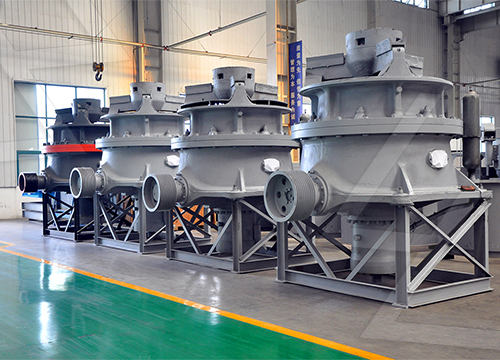
High Efficiency Vertical Combination Crusher (HEVCC) represents a paradigm shift in material size reduction technology, engineered to deliver superior performance in aggregate, mining, and industrial mineral processing applications. Unlike conventional crushers that rely on horizontal shafts and complex mechanical arrangements, the HEVCC employs a vertically oriented rotor-stator configuration that integrates impact, shear, and compression forces within a single, compact housing. This design enables a two-stage crushing process—primary and secondary—within one machine, significantly reducing equipment footprint and operational complexity.
-
The core innovation lies in its dual-chamber architecture. The upper chamber performs initial size reduction through high-speed impact, where incoming material is accelerated by a centrifugal rotor and fractured against fixed anvils. The partially crushed material then transitions to the lower chamber, where optimized stator rings apply controlled compression and attrition, refining particle shape and size distribution. This sequential processing ensures a product with consistent cubical morphology, reduced fines generation, and narrow gradation—critical for high-performance concrete and asphalt applications.
-
Operational efficiency is enhanced through advanced rotor dynamics and wear-resistant composite liners, which extend service intervals and reduce maintenance costs. The vertical configuration promotes gravitational material flow, minimizing blockages and energy loss. Coupled with variable frequency drives (VFDs) and real-time monitoring systems, the HEVCC adapts to feed variations, maintaining stable throughput and energy consumption under fluctuating loads.
-
Energy utilization is optimized through a closed-circuit rotor design that recirculates fine particles for additional crushing only when necessary. This selective comminution approach reduces over-grinding and improves overall energy efficiency by up to 30% compared to traditional cone or impact crushers. Furthermore, modular construction allows rapid component replacement and scalability across diverse throughput requirements, from 100 to 800 tons per hour.
-
The HEVCC’s integration of mechanical precision, material science, and intelligent control systems establishes a new benchmark in sustainable crushing operations. By consolidating multiple processing stages, minimizing wear costs, and delivering high-quality end products, it redefines productivity and lifecycle economics in modern crushing circuits.
Key Engineering Features That Maximize Performance and Durability
- Optimized rotor design utilizing high-strength alloy steel ensures precise rotational balance and enhanced resistance to impact fatigue, directly contributing to sustained throughput and reduced vibration under high-load conditions.
- Precision-engineered blow bars fabricated from chromium-molybdenum wear-resistant alloys deliver extended service life and consistent particle-shaping performance across abrasive feed materials.
- A dual-layer, multi-directional impact chamber geometry maximizes material-on-material crushing, minimizing metal contact and promoting efficient size reduction with lower energy consumption per ton.
- Adjustable curtain liners and modular impact plates allow rapid configuration changes, enabling fine-tuning of discharge granularity and optimizing product shape for downstream processing requirements.
- Integrated hydraulic opening system facilitates swift access to internal components, reducing downtime during maintenance and enabling rapid wear-part replacement without disassembly of structural elements.
- Advanced bearing assembly, sealed with labyrinth-type enclosures and coupled with forced lubrication systems, maintains optimal operating temperature and prevents contamination, ensuring uninterrupted operation in harsh environments.
- Dynamic balancing certification to ISO 21940 standards guarantees minimal vibration at operational speeds, preserving structural integrity and prolonging the service life of supporting infrastructure.
- Wear monitoring systems with embedded sensors provide real-time feedback on component degradation, enabling predictive maintenance scheduling and preventing unplanned outages.
- High-efficiency drive integration through direct-coupled VFD-controlled motors ensures precise speed modulation, matching crusher performance to variable feed conditions and maximizing energy efficiency.
- Structural frame constructed from finite element-optimized, welded high-tensile steel provides exceptional rigidity under cyclic loading, mitigating stress concentration and enhancing long-term durability.
These engineering advancements collectively elevate the vertical combination crusher’s operational efficiency, delivering consistent product quality, reduced lifecycle costs, and superior reliability in demanding crushing applications. The integration of intelligent monitoring, material science innovations, and precision mechanical design establishes a benchmark in durability and performance for next-generation material reduction systems.
Energy-Saving Technology Behind High Efficiency Vertical Crushing Systems
- Utilizes advanced rotor dynamics to minimize energy dissipation during material impact, ensuring optimal kinetic energy transfer from rotor to feed material
- Incorporates variable frequency drives (VFDs) to dynamically match motor speed with load conditions, reducing idle and off-peak energy consumption by up to 30%
- Features intelligent feed control systems that regulate material flow in real time, preventing overloading and maintaining consistent specific energy utilization across variable feed compositions
- Employs high-precision balancing of vertical shaft assemblies, reducing mechanical losses and vibration-induced energy waste while extending bearing and seal service life
- Integrates regenerative braking mechanisms during deceleration events, recovering kinetic energy and feeding it back into the plant’s power network
- Uses high-efficiency IE4 and IE5 premium motors with low harmonic distortion, achieving motor efficiency levels exceeding 95% under partial and full load operations
- Applies computational fluid dynamics (CFD) modeling to optimize internal airflow, reducing aerodynamic drag within the crushing chamber and minimizing fan-effect power losses
- Leverages predictive maintenance algorithms powered by machine learning to identify inefficiencies in drive systems before they escalate, preserving energy performance over time
- Implements closed-loop hydraulic adjustment systems that maintain optimal crusher settings with minimal energy expenditure during wear compensation cycles
- Designs crushing chambers with wear-resistant, aerodynamically contoured liners that reduce material recirculation and re-crushing—key contributors to excess energy use
Energy efficiency in vertical combination crushers is not achieved through isolated upgrades but via systemic integration of mechanical, electrical, and control technologies. The vertical configuration inherently reduces material handling elevation requirements, lowering auxiliary conveyor energy demands. Furthermore, the concentric arrangement of rotor, housing, and discharge systems minimizes mechanical losses typically associated with multi-stage horizontal systems. Real-time monitoring of power draw, vibration signature, and throughput allows the system to self-optimize crushing intensity based on material friability, resulting in adaptive energy application. By aligning peak torque delivery with momentary crushing resistance, the system avoids sustained high-draw operation. These technologies collectively achieve specific energy reductions of 20–35% compared to conventional vertical shaft impactors, with return on investment realized within 14–18 months in continuous operation scenarios. The result is a crushing solution that meets rigorous industrial throughput demands while aligning with global energy reduction mandates.
Applications Across Industries: Mining, Construction, and Recycling
-
High Efficiency Vertical Combination Crushers (HEVCC) are redefining material size reduction across industries where throughput, energy efficiency, and product consistency are paramount. Their robust design, integrating vertical impact and compression mechanisms, enables optimal performance in high-demand environments.
-
In mining operations, HEVCC units are deployed for secondary and tertiary crushing of hard rock ores, including iron, copper, and gold-bearing materials. Their ability to process abrasive feed with minimal wear—coupled with adjustable rotor speed and chamber geometry—ensures precise control over product gradation. This precision supports downstream processes such as grinding and flotation, where particle size directly influences recovery rates. Additionally, reduced energy consumption per ton compared to traditional cone or jaw crushers enhances operational sustainability, particularly in remote or off-grid mining sites where power supply is limited.
-
The construction sector leverages HEVCC technology for on-site crushing of aggregates and recycled concrete. With increasing demand for high-quality, consistent aggregate in infrastructure projects, these crushers deliver superior cubicity and reduced fines content, improving the mechanical performance of concrete and asphalt mixtures. Their modular design allows rapid deployment at urban construction sites or demolition zones, minimizing transport costs and carbon emissions associated with material hauling.
-
In recycling, HEVCC systems are instrumental in processing mixed construction and demolition waste (C&DW), including reinforced concrete, bricks, and asphalt. Their capacity to handle variable feed compositions—often containing contaminants such as rebar or wood—without significant downtime ensures continuous operation. Advanced magnetic separation integration upstream of the crusher enables ferrous metal recovery, while the uniform output stream facilitates downstream sorting and reuse in road base or new concrete production.
-
Operational data from integrated installations show 20–30% improvement in throughput efficiency and up to 25% reduction in maintenance intervals compared to conventional crushing systems. These metrics underscore the role of HEVCC units as a strategic asset in resource-intensive sectors committed to efficiency, circularity, and environmental compliance.
Maintenance Best Practices and Operational Tips for Long-Term Reliability
-
Conduct daily visual inspections of the crushing chamber, rotor assembly, and wear components to identify early signs of wear, misalignment, or structural fatigue. Document findings to support predictive maintenance scheduling.
-
Implement a lubrication regime aligned with OEM specifications, using high-temperature, high-load bearing grease. Monitor lubricant condition monthly via spectrographic analysis; replace seals proactively to prevent contamination.
-
Utilize vibration analysis and thermal imaging during routine operation to detect imbalance, misalignment, or bearing degradation. Establish baseline readings during commissioning to improve fault detection sensitivity.
-
Maintain consistent feed control to avoid overloading or cascading material flow disruptions. Install weigh feeders and level sensors to ensure uniform throughput and prevent blockages that induce mechanical stress.
-
Schedule rotor balancing after every wear-part replacement or 500 operating hours, whichever occurs first. Unbalanced rotors accelerate bearing wear and compromise structural integrity.
-
Standardize wear part replacement using OEM-certified hammers, liners, and impact plates. Non-compliant materials reduce crushing efficiency and increase the risk of catastrophic failure.
-
Perform monthly torque checks on all structural and foundation bolts. Vibratory loads can induce gradual loosening, threatening equipment stability and safety.
-
Integrate the crusher into a centralized SCADA or CMMS platform for real-time performance monitoring, maintenance alerts, and historical trend analysis. Leverage operational data to refine maintenance intervals and optimize part life.
-
Train maintenance personnel on safe lockout/tagout (LOTO) procedures specific to vertical combination crusher configurations. Emphasize confined space entry protocols when accessing the crushing chamber.
-
After prolonged shutdowns, inspect for moisture accumulation and corrosion, particularly in sealed bearing housings and electrical enclosures. Operate heaters or dehumidifiers as needed during idle periods.
-
Maintain a strategic inventory of critical spares—including rotor assemblies, drive belts, and sensor modules—to minimize unplanned downtime. Rotate stock to prevent obsolescence.
-
Review motor load curves weekly to identify deviations indicating wear, poor feed gradation, or drive system inefficiencies. Address anomalies before secondary damage occurs.
-
Conduct annual structural integrity assessments of the support frame and mounting system, especially in high-vibration environments. Reinforce or replace compromised components immediately.
-
Optimize airflow and dust extraction systems to protect electrical systems and maintain operator safety. Clean ducts and filters bi-weekly to sustain system efficiency.
Frequently Asked Questions
What is a high efficiency vertical combination crusher and how does it work?
A high-efficiency vertical combination crusher is a modern mineral processing machine that integrates impact, compression, and attrition crushing mechanisms within a vertical shaft design. It operates by feeding material into the top, where it’s accelerated by a high-speed rotor and impacted against fixed anvils or liners, resulting in efficient size reduction with minimal energy consumption. Its dual-chamber vertical structure enables pre-crushing and fine crushing in a single unit, making it highly effective for medium to hard rock materials.
What are the primary advantages of using a vertical combination crusher over traditional crushers?
Vertical combination crushers offer higher throughput, lower energy consumption (typically 15–30% more efficient than jaw or cone crushers), reduced maintenance costs, and a more compact footprint. Their ability to produce cubical-shaped aggregates enhances material quality for construction applications. Additionally, they feature advanced rotor balancing and automated wear compensation systems, increasing uptime and reducing operational overhead.
How does the design of the rotor contribute to the high efficiency of vertical combination crushers?
The rotor in a high-efficiency vertical combination crusher is dynamically balanced and engineered with optimized vane geometry and high-chrome alloy tips to maximize kinetic energy transfer and wear resistance. Computational fluid dynamics (CFD) and finite element analysis (FEA) are used to refine rotor design for uniform material distribution and minimized turbulence, resulting in consistent particle size reduction and reduced power draw per ton of material processed.
What types of materials are best suited for crushing with a vertical combination crusher?
Vertical combination crushers excel at processing medium to high-hardness materials such as granite, basalt, river pebble, limestone, and recycled concrete. They are particularly effective in applications requiring a high percentage of cubical product, such as ready-mix concrete, asphalt aggregates, and railway ballast. The crusher’s adjustable cascade ratio allows fine-tuning for specific feed characteristics.
How do manufacturers achieve high wear resistance in vertical combination crusher components?
Leading manufacturers employ high-chrome cast iron, tungsten carbide overlays, and heat-treated alloy steels for critical wear parts like rotors, anvils, and impact plates. These materials, combined with laser-cladding technologies and precision casting techniques, extend component life by up to 50% compared to conventional alternatives. Some systems also feature modular wear parts for rapid replacement and reduced downtime.
What role does automation play in optimizing the performance of vertical combination crushers?
Advanced vertical combination crushers integrate PLC-based automation with sensors for vibration, temperature, and power monitoring. Real-time data analytics enable predictive maintenance, automatic gap adjustment, and load balancing. Remote monitoring via IoT platforms allows operators to optimize feed rates and crusher settings dynamically, maintaining peak efficiency and preventing catastrophic failures.
How does the vertical design improve safety and environmental compliance?
The enclosed vertical design reduces dust emissions and noise levels by up to 20 dB(A) compared to open horizontal systems. Integrated water spray or air filtration systems further mitigate particulate release. The compact footprint minimizes site disturbance, while fail-safe shutdown mechanisms and torque-limiting couplings enhance operator safety, meeting ISO 14122 and OSHA standards.
What maintenance practices are critical for ensuring long-term efficiency?
Key maintenance protocols include weekly inspections of rotor balance and wear liner thickness, monthly lubrication of bearings using high-temperature grease, and quarterly calibration of automation sensors. Utilizing OEM-recommended replacement parts and adhering to a digital maintenance log powered by CMMS software ensures traceability and optimal performance over extended operating cycles.
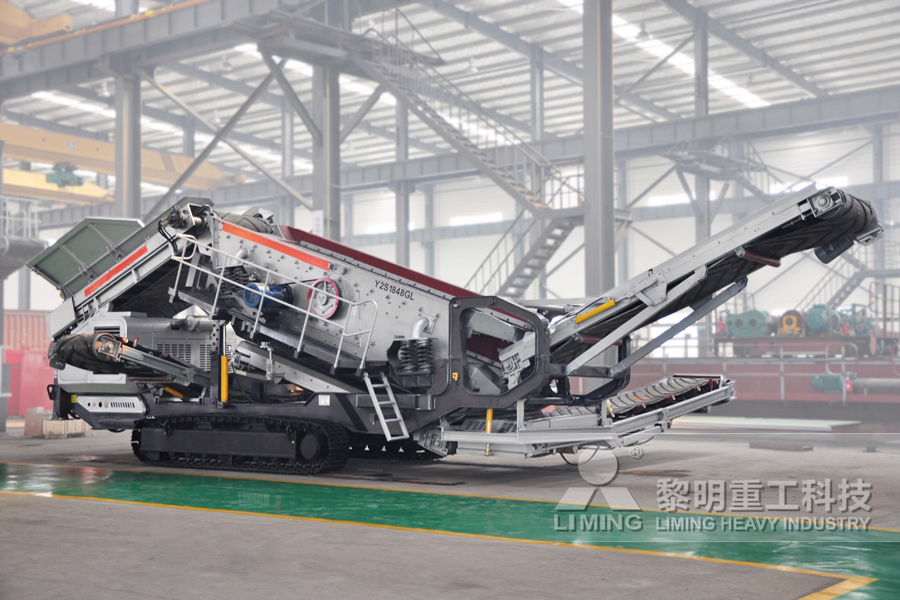
Can vertical combination crushers be integrated into modular or mobile crushing plants?
Yes, high-efficiency vertical combination crushers are commonly integrated into skid-mounted or trailer-based modular plants due to their compact vertical orientation and low weight-to-output ratio. Their modular design facilitates rapid deployment in remote or urban construction sites, with standardized interfaces for feeders, screens, and conveyors—enabling plug-and-play scalability.
What are the typical capacity and size reduction ratios for high-efficiency models?
Modern vertical combination crushers achieve throughput rates from 50 to 800 tons per hour, depending on model and feed size. They typically deliver a size reduction ratio of 10:1 to 20:1, producing final products in the range of 0–5 mm to 0–40 mm. Higher ratios are attainable through adjustable rotor speeds and multi-stage crushing chambers.
How does moisture content in feed material affect crusher performance?
While vertical combination crushers handle moderately moist feed (up to 5% moisture), excessive moisture can lead to clogging in the discharge chute and reduced efficiency. Solutions include pre-screening, use of anti-adhesion liners, or integrating air-jet cleaning systems. Some models feature heated impact zones to evaporate surface moisture during operation.
Are there energy recovery systems used in advanced vertical combination crushers?
Top-tier models incorporate variable frequency drives (VFDs) that recover kinetic energy during deceleration and regenerative braking phases. This energy is either fed back into the grid or stored in capacitive banks for startup surges, improving overall plant energy efficiency by up to 12%. Smart load-sensing systems further reduce idle power consumption.