Table of Contents
- Major Quarry Sites Powering Ondo State’s Construction Boom
- Exploring the Geology Behind Ondo State’s Rich Mineral Deposits
- How Quarry Operations Are Driving Local Economic Growth
- Regulatory Framework and Environmental Considerations for Quarrying in Ondo
- Investment Prospects and Future Development in Ondo State’s Quarry Sector
- Frequently Asked Questions
- What are the major quarries operating in Ondo State?
- Where are the primary mineral resources located in Ondo State?
- Is quarrying regulated in Ondo State, and by which agency?
- What licenses and permits are required to operate a quarry in Ondo State?
- How does quarrying impact the environment in Ondo State, and what mitigation measures are enforced?
- Are foreign investors allowed to operate quarries in Ondo State?
- What is the economic impact of quarrying on Ondo State?
- How can communities benefit from quarry operations in their locality?
- What geological surveys support quarry development in Ondo State?
- Are there ongoing government initiatives to modernize quarry operations in Ondo State?
- What safety standards are required for quarry operations in Ondo State?
- How does Ondo State prevent illegal quarrying?
Nestled in the heart of Nigeria’s Southwest, Ondo State emerges as a burgeoning hub for solid mineral resources, with its expansive quarry sites offering vast potential for economic transformation. Rich in granite, gravel, limestone, and other construction-grade minerals, the state’s geologically endowed terrain presents a strategic advantage for quarrying operations. Key locations such as Akure, Oka-Akoko, Owo, and Ilaje host active quarry sites that not only supply raw materials for infrastructure development across the region but also stimulate local employment and industrial growth. The quarry sector in Ondo State is increasingly attracting both domestic and foreign investors, drawn by favorable geological conditions, improving road networks, and supportive state policies aimed at diversifying the economy beyond agriculture and oil. As demand for construction materials surges nationwide, Ondo State stands at the forefront of Nigeria’s mineral revolution—offering untapped opportunities, sustainable development pathways, and a compelling case for strategic investment in the quarrying industry.
Major Quarry Sites Powering Ondo State’s Construction Boom
-
Major quarry sites in Ondo State are strategically contributing to the region’s construction expansion, driven by growing infrastructure demands and urban development. These sites supply high-grade granite, gravel, and sandstone essential for road projects, housing developments, and commercial construction across Southwest Nigeria.
-
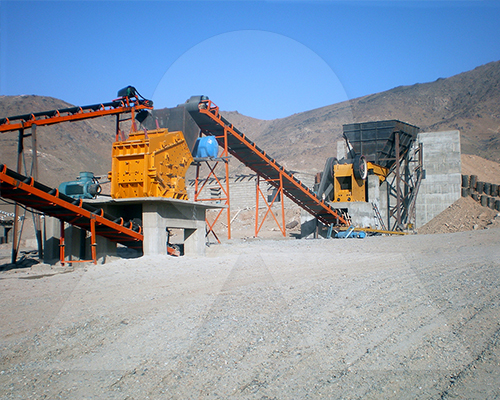
One of the most significant operations is located in Irele Local Government Area, where expansive granite deposits are extracted for crushed stone production. The site benefits from proximity to major road networks and the Lekki Deep Sea Port, enabling efficient logistics to Lagos and Akure. Annual output exceeds 1.2 million metric tons, supporting both local contractors and interstate suppliers.
-
In Okitipupa, sedimentary quarries yield coarse aggregates ideal for concrete batching and foundation work. These deposits are geologically stable and require minimal beneficiation, reducing processing costs. The site has attracted private investment in mechanized extraction and screening plants, enhancing output consistency and product quality.
-
The Owo area hosts multiple small to mid-scale quarries focusing on laterite and sandstone, materials in high demand for low-cost housing and rural road construction. Though individually smaller in scale, their aggregated contribution is critical to community-level development projects funded by state and federal agencies.
-
Recent geological surveys by the Nigerian Geological Survey Agency (NGSA) have confirmed substantial basalt reserves in the Ifedore region, a discovery poised to diversify Ondo’s quarry output. Basalt’s high compressive strength makes it ideal for high-performance concrete and erosion control structures, opening new market opportunities.
-
Regulatory oversight by the Ondo State Ministry of Mines and Natural Resources ensures compliance with environmental standards and operational licensing. Operators are required to submit rehabilitation plans, promoting sustainable land use post-extraction.
-
Infrastructure upgrades, including road improvements and power supply initiatives, are enhancing quarry accessibility and reducing operational downtime. These developments, combined with the state’s investor-friendly policies, are positioning Ondo as a key aggregate supply hub in the South-West geopolitical zone.
-
With rising demand for construction materials driven by federal housing schemes and state-level urban renewal projects, Ondo’s quarry sector is set for sustained growth, offering scalable investment avenues in aggregate processing, logistics, and value-added mineral products.
Exploring the Geology Behind Ondo State’s Rich Mineral Deposits
-
Ondo State, located in southwestern Nigeria, lies within the Precambrian basement complex of the Yorubaland sector, a geologic domain characterized by ancient crystalline rocks that host a diverse array of economically viable minerals. The region’s geologic framework is dominated by migmatite-gneiss complexes, quartzites, schists, and intrusive bodies such as granites and pegmatites, which provide the primary lithological controls on mineralization.
-
The area’s mineral wealth stems from prolonged tectonic and metamorphic events dating back over 2 billion years, resulting in the concentration of industrial minerals and metallic ores. Notably, the presence of banded gneiss and amphibolite facies rocks correlates with occurrences of granite, marble, and feldspar, while pegmatitic intrusions are linked to deposits of feldspar, quartz, mica, and occasional rare-element mineralization including tantalite and columbite.
-
One of the most significant geological features influencing mineral distribution is the transcurrent shear zone system, particularly the Ifewara–Zungeru lineament extending into Ondo State. This structural corridor has facilitated hydrothermal fluid movement, promoting secondary enrichment and mineral precipitation. These processes are instrumental in the formation of silica-rich quartz veins and marble deposits derived from metamorphosed carbonate sequences.
-
Limestone and marble resources, particularly around Ilado and Oke-Igbo, originate from calcsilicate and metamorphosed sedimentary bands interlayered within the gneiss complex. Geochemical analyses indicate high calcium oxide content (>50%), making these deposits ideal for cement production and agro-industrial applications.
| Key Rock Type | Associated Minerals | Primary Locations |
|---|---|---|
| Migmatite-Gneiss | Feldspar, Quartz, Granite | Akure, Owo |
| Metasedimentary Schist | Talc, Marble | Oke-Igbo, Ilado |
| Pegmatite | Mica, Feldspar, Rare Metals | Irele, Odigbo |
| Quartzite | Silica Sand, Quartz | Okeluse, Ayeka |
-
Additionally, weathering profiles over crystalline basement rocks have led to the development of lateritic duricrusts, which serve as sources of construction-grade laterite and clay. These regolith-hosted materials are extensively quarried for road base and brick-making.
-
The stratigraphic stability and low tectonic disruption in recent geologic time have preserved these deposits near surface, reducing extraction costs and enhancing economic viability. Understanding the Precambrian structural architecture and metamorphic history is therefore critical for targeted exploration and sustainable quarrying operations in Ondo State.
How Quarry Operations Are Driving Local Economic Growth
-
Quarry operations in Ondo State are emerging as pivotal drivers of local economic growth, contributing significantly to infrastructure development, employment generation, and revenue enhancement at both community and state levels. Strategically located deposits of granite, gravel, and other construction minerals have attracted investment from local and private operators, catalyzing socio-economic transformation in host communities.
-
Employment remains one of the most direct impacts. Active quarry sites employ hundreds of residents in roles spanning extraction, processing, transportation, and equipment maintenance. These jobs provide stable incomes, reduce rural-urban migration, and support skill development in heavy machinery operation and site safety protocols. Ancillary employment in logistics, catering, and equipment servicing further amplifies labor market expansion.
-
The supply of locally sourced construction materials has reduced dependency on imported aggregates, lowering project costs for housing, road networks, and public infrastructure. This cost efficiency accelerates development timelines and enhances the financial viability of state-led and private construction projects. Notably, ongoing road rehabilitation and housing initiatives across Akure, Oka-Akoko, and Owo rely heavily on materials from Ondo’s quarries.
-
Revenue generation for local governments has increased through permit fees, land leasing agreements, and compliance levies. Revenue streams are increasingly being reinvested into community development projects, including electrification, drainage systems, and primary healthcare access—improving quality of life in quarry-adjacent areas.
-
Investment in mechanization and processing plants has elevated productivity and encouraged backward integration. Modern crushing and screening facilities now operate in key locations such as Ore, Ayetoro, and Okeluse, improving product quality and market competitiveness. These upgrades attract contract bids from major construction firms and create opportunities for small and medium enterprises (SMEs) in material distribution.
-
Environmental stewardship and community engagement are increasingly integrated into operational practices, ensuring long-term sustainability. Operators who comply with regulatory standards and engage proactively with host communities are positioned to secure expansion opportunities and favorable policy support.
-
With strong mineral endowments and growing infrastructure demand, quarry operations in Ondo State are not only meeting construction needs but establishing a scalable model of resource-based local economic development.
Regulatory Framework and Environmental Considerations for Quarrying in Ondo
-
Quarrying activities in Ondo State are governed by a multi-tiered regulatory framework designed to ensure compliance with environmental protection standards, land use policies, and occupational safety requirements. Oversight is shared among federal, state, and local agencies, with primary responsibility resting with the Federal Ministry of Environment (FMEnv), the Ministry of Solid Minerals Development, and the Ondo State Ministry of Environment and Natural Resources.
-
Operators must obtain a series of permits before commencing operations, including an Environmental Impact Assessment (EIA) approval from the Federal Ministry of Environment, a mining license from the Mines and Minerals Department of the Ministry of Solid Minerals Development, and a quarry lease or permit from the Ondo State Bureau of Lands and Natural Resources. The EIA process is mandatory for all medium to large-scale operations and must include baseline environmental studies, risk assessments, and proposed mitigation measures.
-
Compliance with the National Environmental Standards and Regulations Enforcement Agency (NESREA) guidelines is strictly enforced. These include dust and noise control, blasting protocols, waste management, and reclamation planning. Quarry operators are required to submit annual environmental monitoring reports and are subject to periodic audits and site inspections by regulatory bodies.
-
Environmental considerations are central to sustainable quarrying. Key concerns include habitat fragmentation, deforestation, groundwater contamination, and impacts on nearby communities. To mitigate these, operators must implement erosion control systems, rehabilitate mined-out areas through regrading and revegetation, and establish buffer zones around operational sites.
-
Community engagement and corporate social responsibility are increasingly integrated into regulatory expectations. Operators are encouraged to support local development through employment, infrastructure projects, and environmental education. Non-compliance may result in penalties, suspension of operations, or revocation of licenses.
-
Ondo State’s regulatory regime continues to evolve, aligning with national mining reforms and international best practices. Investors are advised to engage early with regulatory authorities, conduct thorough due diligence, and adopt environmental management systems that exceed minimum compliance standards to ensure long-term operational viability and community acceptance.
Investment Prospects and Future Development in Ondo State’s Quarry Sector
-
Strategic geographic positioning and expanding infrastructure networks enhance Ondo State’s potential as a regional hub for quarry operations, linking supply chains across Southwest and South-South Nigeria.
-
The state hosts numerous proven mineral deposits, including granite, gravel, kaolin, and laterite, particularly concentrated in Akure North, Owo, Idanre, and Akoko regions. These resources provide a diversified foundation for both domestic construction demand and export-oriented ventures.
-
Increasing federal and state investments in road networks, housing programs, and urban development—such as the ongoing Lagos–Ibadan–Oyo highway expansion and the Ondo Science and Technology Park—drive sustained demand for aggregates and industrial minerals.
-
The Ondo State Government has signaled commitment to mineral sector reform, with streamlined permitting processes through the Ministry of Solid Minerals Development and incentives for mechanized, environmentally compliant operations.
-
Investment prospects are strongest in integrated quarry-to-processing ventures, leveraging low-cost energy from the Owo Independent Power Project and proximity to rail corridors under the Lagos–Kano standard gauge expansion.
-
Technological modernization remains underdeveloped, creating high-return opportunities in mechanized extraction, crushing plants, conveyor systems, and dust control innovations. Early movers can establish economies of scale ahead of market saturation.
-
Environmental compliance is increasingly critical. Investors adopting best practices in land reclamation, water management, and community engagement will benefit from regulatory goodwill and long-term social license.
| Investment Segment | Key Opportunity | Risk Mitigation Factor |
|---|---|---|
| Large-scale Granite Quarrying | Supply to major infrastructure projects | Secure land rights and EIA approvals early |
| Gravel and Sand Processing | Fast-cycle returns from local construction boom | Proximity to Akure and Owo urban centers |
| Kaolin Beneficiation | High-value export and industrial applications | Partner with technical experts in refining |
-
Public-private partnership models are emerging, particularly in road construction where quarry operators supply materials in exchange for project equity or toll rights.
-
With proper due diligence and alignment with state development goals, Ondo State’s quarry sector offers scalable, long-term returns backed by geological abundance and infrastructural momentum.
Frequently Asked Questions
What are the major quarries operating in Ondo State?
Ondo State hosts several operational quarries, with the most prominent being the Benue Cement Company quarry in Ibese (though technically in Ogun State, it’s often associated with South-West operations including Ondo). Within Ondo, the state government has licensed numerous sites for granite, gravel, and sand extraction. Key commercial sites include quarries in Akure, Oka, and Ore areas. These are typically operated by private firms under supervision from the Ondo State Ministry of Solid Minerals Development.
Where are the primary mineral resources located in Ondo State?
The primary mineral resources in Ondo State include granite, gravel, clay, kaolin, and silica sand. These are predominantly found in the Akure, Oka-Akoko, Owo, and Idanre regions. The southwestern part of the state, particularly areas around Ore and Ile-Oluji, show high potential for industrial-grade stone extraction. Geological surveys by the Nigerian Geological Survey Agency (NGSA) confirm significant deposits suitable for large-scale quarrying.
Is quarrying regulated in Ondo State, and by which agency?
Yes, quarrying in Ondo State is regulated by the Ondo State Ministry of Solid Minerals Development in collaboration with the Department of Petroleum Resources (DPR) and the National Environmental Standards and Regulations Enforcement Agency (NESREA). Operators must obtain mineral title leases, environmental impact assessments (EIA), and comply with land use and reclamation requirements.
What licenses and permits are required to operate a quarry in Ondo State?
To legally operate a quarry, applicants must secure: a Reconnaissance Permit (RP), Exploration Licence (EL), or Mining Licence (ML) from the state’s mineral office; an Environmental Impact Assessment (EIA) approval from NESREA; a water use permit if extracting from water bodies; and approval from the state’s land registry. Additionally, quarry operators must register with the Corporate Affairs Commission (CAC) and comply with tax obligations.
How does quarrying impact the environment in Ondo State, and what mitigation measures are enforced?
Quarrying can lead to soil erosion, deforestation, noise pollution, and degradation of water quality. To mitigate impacts, Ondo State enforces Environmental Management Plans (EMPs) and requires operators to adopt controlled blasting, sediment control basins, dust suppression systems, and post-mining land reclamation. Operators found violating environmental standards face penalties or permit revocation.
Are foreign investors allowed to operate quarries in Ondo State?
Yes, foreign investors may operate quarries in Ondo State, provided they incorporate a Nigerian subsidiary under the Companies and Allied Matters Act (CAMA), obtain the necessary mineral rights via the Nigerian Minerals and Mining Act (2007), and partner with local stakeholders where beneficial. The Nigerian Investment Promotion Commission (NIPC) facilitates entry, but mining equity ownership must comply with local participation guidelines.
What is the economic impact of quarrying on Ondo State?
Quarrying contributes significantly to Ondo State’s economy through job creation, infrastructural development, and revenue generation via licensing fees and taxes. The sector supports construction industries by supplying raw materials and stimulates ancillary services such as transport and machinery maintenance. The state government leverages quarry revenues to fund rural development projects.
How can communities benefit from quarry operations in their locality?
Communities benefit through Corporate Social Responsibility (CSR) programs, direct employment, contract opportunities, and infrastructure development funded by quarry operators. The Ondo State Mining Community Development Agreement mandates that operators engage host communities in decision-making and allocate a portion of revenues for local projects like schools, roads, and water systems.
What geological surveys support quarry development in Ondo State?
The Nigerian Geological Survey Agency (NGSA) has conducted regional geological mapping in Ondo State, identifying boulder clay formations, basement complex rocks, and alluvial deposits suitable for aggregate extraction. Aeromagnetic and geochemical surveys further delineate high-potential zones, aiding investors in feasibility studies and exploration planning.
Are there ongoing government initiatives to modernize quarry operations in Ondo State?
Yes, the Ondo State government has initiated modernization through public-private partnerships, digitization of mineral titles, and training programs via the Ondo State School of Mines. The state also promotes mechanized and sustainable extraction methods to reduce artisanal inefficiencies and environmental degradation.
What safety standards are required for quarry operations in Ondo State?
Operators must comply with safety standards from the Nigeria Mining Cadastre Office (MCO) and OSHA Nigeria, including proper signage, controlled blasting zones, protective gear for workers, stable bench designs, and emergency response plans. Regular audits by state and federal inspectors ensure adherence to occupational health and safety regulations.
How does Ondo State prevent illegal quarrying?
Ondo State combats illegal quarrying through surveillance by the Ministry of Solid Minerals Development, use of geospatial monitoring tools, community informant networks, and inter-agency task forces. Penalties include equipment seizure, heavy fines, and prosecution under the Mineral and Mining Act. Public awareness campaigns also discourage unauthorized excavation.