Table of Contents
- Understanding Gold Ore Characteristics for Optimal Plant Design
- Crushing and Grinding Circuit Configuration in Gold Processing Plants
- Choosing the Right Gold Recovery Method: CIL, CIP, or Gravity Separation
- Process Automation and Material Flow Optimization in Gold Extraction Facilities
- Environmental Compliance and Sustainable Design in Modern Gold Processing Plants
- Frequently Asked Questions
- What are the key stages involved in gold processing plant design?
- How does ore composition influence gold processing plant design?
- What are the most common gold recovery methods used in plant design?
- How is metallurgical testing used in gold processing plant design?
- What role does plant layout play in gold processing efficiency?
- How do environmental regulations impact gold processing plant design?
- What factors determine the scale of a gold processing plant?
- How is automation integrated into modern gold processing plant design?
- What are the latest innovations in sustainable gold processing plant design?
- How do capital and operating costs influence processing plant configuration?
- What is the importance of modularity in gold plant design?
- How are tailings management systems designed in gold processing plants?
Designing a gold processing plant demands a strategic fusion of engineering precision, metallurgical expertise, and forward-thinking scalability to ensure optimal performance across a mine’s lifecycle. As global demand for gold persists and ore grades continue to decline, the efficiency of extraction processes becomes paramount. A well-conceived plant layout not only maximizes gold recovery but also minimizes operational costs, energy consumption, and environmental impact. From the selection of crushing and grinding circuits to the integration of advanced leaching and refining technologies, every design decision influences throughput, reliability, and adaptability. Equally critical is anticipating future expansions and processing variable ore types without sacrificing performance. Engineers must balance capital intensity with long-term operational flexibility, incorporating automation and data-driven controls to enhance decision-making. Ultimately, successful gold processing plant design transcends technical specifications—it embodies a holistic vision that aligns geological realities, economic constraints, and sustainability goals into a cohesive, resilient operation capable of thriving in an evolving industry landscape.
Understanding Gold Ore Characteristics for Optimal Plant Design
-
Gold ore characteristics directly influence processing efficiency, recovery rates, and capital and operating expenditures in plant design. A comprehensive understanding of geological, mineralogical, and metallurgical properties is essential for selecting appropriate extraction technologies and designing scalable, efficient flowsheets.
-
Ore variability—both spatially and temporally—must be evaluated through representative sampling and rigorous diagnostic testing. Key parameters include gold grade distribution, mineral associations, liberation size, and the presence of deleterious elements such as arsenic, antimony, or carbonaceous matter. Refractory ores, where gold is encapsulated in sulfide minerals or preg-robbing carbon, demand specialized treatment such as pressure oxidation or bioleaching, significantly impacting process selection and plant complexity.
-
Liberation size determines optimal grind size and influences circuit design. Finer liberation requires increased energy input in grinding, affecting throughput and operating costs. Automated mineralogy (e.g., QEMSCAN or MLA) provides detailed liberation and locking characteristics, enabling precise modeling of comminution and concentration stages.
-
The nature of gangue minerals affects downstream operations. Acid-consuming carbonates or clay-rich ores can influence cyanide consumption, thickening performance, and tailings management. High-clay feeds may require washing or attrition to prevent blinding in screens and pumps.
| Parameter | Impact on Plant Design |
|---|---|
| Gold Grain Size | Dictates grinding requirements and gravity recovery potential |
| Sulfide Content | Influences need for oxidation pre-treatment and flotation circuits |
| Preg-Robbing Carbon | May require carbon-in-leach modification or preg-robbing mitigation |
| Arsenic or Mercury | Requires environmental controls and off-gas treatment systems |
| Ore Hardness (A×b) | Determines mill type, size, and power requirements |
-
Gravity recoverable gold (GRG) content should be quantified early; high GRG fractions justify inclusion of gravity concentration (e.g., Knelson or Falcon concentrators) ahead of leaching, improving overall recovery and reducing leach residence time.
-
Variability in feed composition necessitates flexible plant design with adequate surge capacity, blending strategies, and process control systems to maintain stable operation under fluctuating ore types.
-
Ultimately, ore characterization must be integrated with metallurgical testwork—bottle roll, column leach, flotation, and diagnostic leaching—to de-risk flowsheet development and ensure robust, scalable plant performance across the orebody’s lifespan.
Crushing and Grinding Circuit Configuration in Gold Processing Plants
-
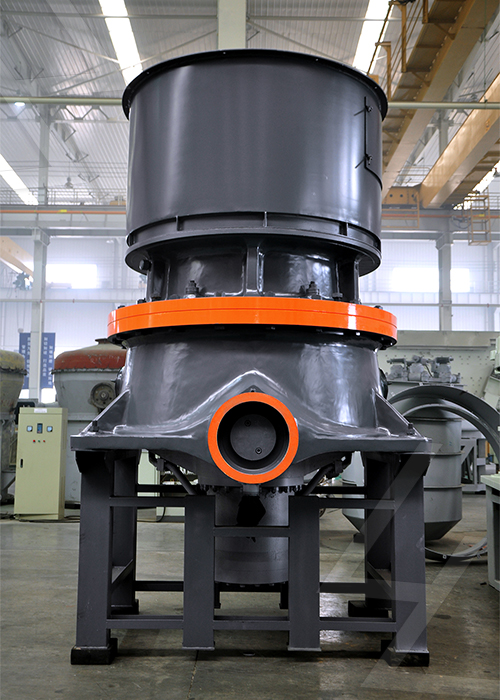
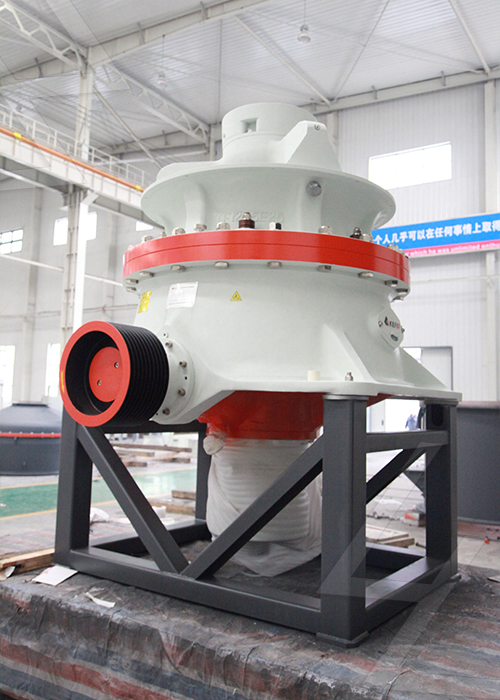
Closed-circuit crushing with multiple stages is standard in modern gold processing plants, designed to achieve optimal feed size for downstream grinding. Primary crushing typically employs jaw or gyratory crushers, reducing run-of-mine ore from 1,000 mm to 150–200 mm. Secondary and tertiary crushing, often conducted with cone or high-pressure grinding roll (HPGR) units, further reduce material to 10–25 mm, suitable for semi-autogenous (SAG) or autogenous (AG) grinding circuits.
-
Grinding circuits are selected based on ore hardness, throughput requirements, and liberation characteristics. SAG mills are favored for medium- to high-grade ores due to their ability to handle large feed sizes and reduce capital costs by minimizing crushing stages. Ball mills, operating in closed circuit with hydrocyclones, are commonly used for final grinding to achieve P80 values of 75–150 µm, ensuring adequate gold liberation.
| Circuit Type | Configuration | Application |
|---|---|---|
| SAG Mill | SAG + Ball Mill (SAB or SABC) | Hard, competent ores; high throughput |
| Full AG | AG + Pebble Crusher + Ball Mill | Where steel media consumption must be minimized |
| Conventional | Rod Mill + Ball Mill | Uniform, fine-grained ores |
| HPGR-Based | HPGR + Ball Mill | Energy-efficient alternative; suitable for brittle ores |
-
The integration of HPGR technology has gained traction due to its energy efficiency and ability to produce a finer product with increased microfracturing, enhancing downstream recovery. HPGRs are often paired with ball mills in hybrid circuits to optimize specific energy consumption (kWh/t).
-
Effective classification is critical; cyclones equipped with variable frequency drives (VFDs) allow precise control of circulating load and grind size. Advanced process control (APC) systems are increasingly deployed to stabilize circuit performance, especially in variable ore feed conditions.
-
Circuit scalability must be considered during design. Modular configurations with redundant equipment allow phased expansion and improved operational flexibility. Maintenance access, wear part longevity, and energy recovery systems further influence long-term reliability and operating costs.
-
Water and slurry management, including pump sump design and piping layout, directly impact grinding efficiency. Proper integration with leaching circuits ensures consistent slurry rheology and minimizes bottlenecks in gold extraction.
Choosing the Right Gold Recovery Method: CIL, CIP, or Gravity Separation
-
Gravity separation is most effective for recovering coarse, free-mill gold particles, particularly in ores where liberated gold exceeds 75 microns in size. This method exploits differences in density between gold and gangue minerals, utilizing equipment such as Knelson concentrators or shaking tables. It offers low reagent consumption and rapid recovery kinetics, making it ideal for initial concentration stages. However, its efficiency drops significantly with fine or refractory gold, limiting its standalone applicability in complex deposits.
-
Carbon-in-leach (CIL) integrates leaching and adsorption into a single process, where activated carbon is introduced directly into the leach tanks. This allows simultaneous cyanide dissolution of gold and its adsorption onto carbon. CIL excels in treating ores with moderate to high gold content and variable mineralogy, particularly when preg-robbing tendencies are low. The method reduces residence time and capital footprint compared to sequential processes, but requires careful management of carbon inventory and potential fouling from organic constituents.
-
Carbon-in-pulp (CIP) operates similarly but performs leaching and adsorption in separate stages. After gold is fully solubilized in cyanide solution, the slurry passes through adsorption tanks containing activated carbon. CIP provides greater control over leaching conditions and is preferred when ores require extended leach times or exhibit variable cyanide consumption. It typically achieves higher gold loading on carbon than CIL, though at the cost of additional tanks and larger footprint.
| Method | Best Suited For | Gold Size Range | Capital Cost | Operational Complexity |
|---|---|---|---|---|
| Gravity Separation | Coarse, free-milling ores | >75 µm | Low | Low |
| CIL | Homogeneous ores, moderate preg-robbing | Fine to very fine | Medium | Medium |
| CIP | Refractory or variable-grade ores | Fine to very fine | High | High |
Selection hinges on ore mineralogy, gold particle size distribution, throughput requirements, and economic constraints. Gravity is often integrated as a pre-concentration step ahead of CIL or CIP to capture coarse gold and improve overall recovery. For scalable, high-throughput operations processing fine-grained ore, CIL or CIP dominate, with CIP offering superior metallurgical control where leach kinetics are inconsistent. A diagnostic testwork program evaluating head grade, liberation size, and carbon affinity is essential for optimal method selection.
Process Automation and Material Flow Optimization in Gold Extraction Facilities
-
Implementing process automation in gold extraction facilities begins with integrating distributed control systems (DCS) and programmable logic controllers (PLC) to monitor and regulate critical unit operations, including crushing, grinding, leaching, and elution-stripping. Real-time data acquisition enables precise control over reagent dosing, slurry density, and retention time, directly impacting recovery efficiency and reagent consumption.
-
Automation extends to material flow optimization through conveyor tracking systems, belt scales, and online analyzers (e.g., XRF, particle size analyzers). These tools provide continuous feedback on feed composition and throughput, enabling dynamic adjustments to maintain optimal process conditions. Automated diverter valves and chute systems ensure consistent material routing, minimizing bottlenecks and downtime.
-
Advanced process control (APC) algorithms, such as model predictive control (MPC), are increasingly deployed to manage multivariable interactions in carbon-in-leach (CIL) and carbon-in-pulp (CIP) circuits. APC systems balance gold recovery against operational costs by optimizing residence time, oxygen injection, and carbon transfer rates across multiple adsorption tanks.
-
Closed-circuit communication between laboratory data and the control system enhances responsiveness. For example, head-grade fluctuations detected via automated sampling are automatically compensated by adjusting grinding power or cyanide addition rates, reducing manual intervention and stabilizing output.
-
Material flow efficiency is further improved through digital twin technology. High-fidelity simulations of the entire flowsheet allow operators to test control strategies, evaluate throughput limits, and simulate failure scenarios without disrupting operations.
| System Component | Function | Impact on Efficiency |
|---|---|---|
| DCS/PLC Integration | Centralized process monitoring & control | Reduces human error, ensures consistency |
| Online Slurry Analyzers | Real-time particle size & density data | Enables feed optimization |
| Belt Scales & Tracking | Accurate mass flow measurement | Improves inventory and throughput control |
| Model Predictive Control | Multivariable process optimization | Maximizes recovery, minimizes reagent use |
-
Cybersecurity protocols and redundant network architecture are essential to maintain system integrity and uptime. Remote diagnostics and cloud-based data platforms facilitate expert support and predictive maintenance planning.
-
Successful automation requires alignment between instrumentation design, control logic, and operational objectives. A phased implementation approach—starting with critical circuits—ensures reliability and allows for incremental scalability.
Environmental Compliance and Sustainable Design in Modern Gold Processing Plants
-
Implementing stringent environmental compliance and sustainable design principles is no longer optional in modern gold processing—regulatory mandates, stakeholder expectations, and long-term operational viability demand it. Leading processing plants integrate environmental stewardship into every design phase, from site selection to closure planning.
-
Water stewardship is a cornerstone of sustainable operations. Closed-loop water recycling systems minimize freshwater intake and prevent contamination of local watersheds. Advanced filtration, such as ultrafiltration and reverse osmosis, enables >90% water recovery in well-designed circuits. Rainwater harvesting and constructed wetlands further reduce dependency on external sources and enhance ecological integration.
-
Energy efficiency directly correlates with sustainability and operating cost reduction. Modern plants deploy high-efficiency comminution technologies (e.g., high-pressure grinding rolls), variable frequency drives, and waste-heat recovery systems. Where feasible, hybrid renewable energy integration—solar photovoltaics or wind—supplements grid or diesel power, particularly in remote locations.
-
Tailings management has evolved beyond conventional impoundments. Dry-stack filtration and paste backfill systems reduce seepage risks, footprint, and long-term liability. These technologies align with the Global Industry Standard on Tailings Management (GISTM), promoting geotechnical stability and post-closure rehabilitation.
-
Emissions control targets fugitive dust, mercury, and NOx/SOx from roasting or energy generation. Carbon-in-leach (CIL) circuits now incorporate mercury capture units, while electrification of mobile equipment and carbon-in-pulp (CIP) optimization cut greenhouse gas intensity.
-
Biodiversity and land use planning are embedded in site layout. Progressive rehabilitation, native species re-vegetation, and wildlife corridors mitigate ecosystem disruption. Life cycle assessment (LCA) tools guide material selection and waste minimization strategies.
-
Regulatory compliance—spanning ISO 14001, IFC Performance Standard 3, and national frameworks—requires transparent monitoring, real-time data reporting, and community engagement. Digital environmental management systems (EMS) enable proactive compliance auditing and adaptive management.
-
Ultimately, sustainability in plant design translates to resilience. Facilities engineered with circular economy principles, reduced ecological footprint, and adaptive compliance frameworks achieve license to operate, attract ESG-aligned financing, and ensure longevity in an increasingly regulated global market.
Frequently Asked Questions
What are the key stages involved in gold processing plant design?
Gold processing plant design involves several critical stages: ore characterization, process flow sheet development, equipment selection, plant layout and engineering, environmental and safety compliance, and cost estimation. Each stage requires detailed metallurgical testing, process simulation, and optimization to ensure efficient gold recovery while minimizing capital and operating expenses.
How does ore composition influence gold processing plant design?
Ore composition—such as gold grade, mineralogy, presence of sulfides, carbon, or preg-robbing materials—directly affects process selection. For example, refractory ores may require pressure oxidation or bioleaching, while free-milling ores can be processed via conventional cyanidation. Comprehensive diagnostic leaching and mineralogical analysis are essential to tailor the flowsheet accurately.
What are the most common gold recovery methods used in plant design?
The most common recovery methods include gravity concentration, cyanidation (via CIP/CIL), flotation, and sometimes heap leaching. The choice depends on gold particle size, liberation characteristics, and associated minerals. Modern designs often integrate multiple methods—such as gravity pre-concentration followed by CIL—to maximize recovery and reduce reagent consumption.
How is metallurgical testing used in gold processing plant design?
Metallurgical testing provides critical data on grindability, leach kinetics, recovery rates, and reagent consumption. Tests like bottle roll, column leach, and flotation variability studies inform flow sheet development. Batch and continuous pilot testing validate scalability and risk mitigation under simulated plant conditions.
What role does plant layout play in gold processing efficiency?
An optimized plant layout minimizes material handling, reduces downtime, and enhances operational safety. Critical considerations include ore feed proximity, gravity-driven material flow, maintenance access, and modular design for phased expansion. 3D modeling is commonly used to simulate and optimize spatial integration of equipment and infrastructure.
How do environmental regulations impact gold processing plant design?
Environmental regulations govern tailings management, water recycling, cyanide handling, and emissions control. Modern designs incorporate dry stack tailings, zero liquid discharge (ZLD) systems, and closed-loop water circuits to meet stringent standards. Environmental Impact Assessments (EIA) and permitting are integral to the design timeline.
What factors determine the scale of a gold processing plant?
Plant scale is determined by ore reserve size, grade consistency, market conditions, capital availability, and logistical constraints. Throughput can range from 50 tpd for small-scale operations to over 100,000 tpd for large mines. Scalability and phased development are often designed into projects to manage risk and CAPEX.
How is automation integrated into modern gold processing plant design?
Automation enhances process control, safety, and consistency. Systems like distributed control systems (DCS), real-time optimization (RTO), and online analyzers (e.g., PIMA, XRF) enable dynamic adjustment of grinding, flotation, and leaching parameters. Predictive maintenance and remote monitoring further improve reliability and reduce OPEX.
What are the latest innovations in sustainable gold processing plant design?
Recent innovations include bioleaching for refractory ores, thiosulfate leaching as a non-toxic alternative to cyanide, solar-powered operations, and AI-driven process optimization. Emphasis is on energy efficiency, carbon footprint reduction, and circular water usage to align with ESG goals.
How do capital and operating costs influence processing plant configuration?
CAPEX and OPEX drive technology selection and plant complexity. High-grade ores may justify expensive technologies like pressure oxidation, while low-grade deposits benefit from low-cost heap leaching. Sensitivity analysis and life-of-mine costing ensure economic viability across commodity cycles.
What is the importance of modularity in gold plant design?
Modular design enables faster construction, lower upfront investment, and easier relocation or expansion. Prefabricated modules for crushing, CIL, or refining are common in remote or greenfield sites. This approach reduces on-site labor, improves quality control, and accelerates commissioning.
How are tailings management systems designed in gold processing plants?
Tailings systems are designed based on geotechnical stability, environmental risk, and water recovery needs. Options include conventional slurry impoundments, paste tailings, and filtered/dry stack systems. Modern designs prioritize long-term containment, seepage control, and post-closure rehabilitation plans compliant with GISTM standards.