Table of Contents
- Sourcing Raw Materials: Strategies for Reliable and Sustainable Supply Chains
- Types of Raw Materials Commonly Used in Industrial Crushing Operations
- Crushing Equipment Overview: Selecting the Right Machinery for Your Needs
- Optimizing the Crushing Process for Maximum Efficiency and Output
- Environmental and Safety Considerations in Raw Material Handling and Crushing
- Frequently Asked Questions
- What are the primary raw materials used in crushing operations?
- How do you select the right source for raw materials in aggregate production?
- What equipment is essential for primary crushing of raw materials?
- How does material hardness affect the crushing process?
- What role does gradation play in raw material crushing?
- What are best practices for reducing wear and tear on crushing equipment?
- How is crushed material quality controlled during production?
- What environmental considerations are involved in raw material extraction and crushing?
- Can recycled materials be effectively crushed for reuse?
- What is the importance of feed preparation before crushing?
- How do you optimize energy efficiency in crushing operations?
- What safety protocols are essential in raw material crushing plants?
Efficient raw material acquisition and crushing form the cornerstone of streamlined industrial processing, setting the stage for productivity, cost control, and product quality across sectors from mining to construction. The journey begins with strategic sourcing—identifying, extracting, and transporting raw materials with precision to minimize waste and environmental impact. Once procured, the crushing phase transforms bulky, irregular feedstock into manageable, uniform particles, optimizing downstream processing. This critical stage demands more than brute force; it requires intelligent equipment selection, operational foresight, and adherence to safety and sustainability standards. Advances in technology have introduced smarter crushers, real-time monitoring systems, and energy-efficient designs that elevate throughput while reducing downtime. Understanding the interplay between geology, logistics, machinery, and maintenance is essential for maximizing yield and minimizing operational hiccups. Whether dealing with ores, aggregates, or recycled materials, mastering the fundamentals of acquisition and crushing is not just about breaking rock—it’s about building efficiency from the ground up.
Sourcing Raw Materials: Strategies for Reliable and Sustainable Supply Chains
-
Prioritize supplier diversification to mitigate risks associated with geopolitical instability, climate events, and market volatility. Relying on a single source or region increases vulnerability; a geographically dispersed supplier base enhances resilience.
-
Conduct thorough due diligence on suppliers, evaluating not only cost and capacity but also environmental compliance, labor practices, and long-term sustainability commitments. Third-party certifications such as ISO 14001 (Environmental Management) or IRMA (Initiative for Responsible Mining Assurance) provide verifiable benchmarks.
-
Establish long-term contracts with key suppliers to secure volume and pricing stability, while incorporating flexible clauses that allow adjustments for sustainability performance or supply disruptions. These agreements should include clear KPIs for delivery reliability, material quality, and environmental impact.
-
Integrate digital supply chain tools—such as blockchain traceability platforms and predictive analytics—to monitor material provenance, forecast shortages, and verify compliance in real time. These technologies enable transparency and support rapid response to supply chain anomalies.
-
Develop strategic partnerships with suppliers to co-invest in sustainable extraction practices, including water recycling, energy-efficient operations, and land rehabilitation. Collaborative innovation often yields mutual gains in efficiency and regulatory compliance.
-
Prioritize raw materials with lower embedded carbon and higher recyclability. Lifecycle assessments (LCA) should guide material selection, favoring sources that minimize environmental degradation across extraction, transport, and processing stages.
-
Optimize logistics by aligning sourcing locations with processing facilities to reduce transportation emissions and costs. Nearshoring or regional sourcing may offer advantages in carbon footprint and lead time, particularly for bulk materials.
-
Implement continuous supplier performance reviews, combining on-site audits with data-driven monitoring. Underperforming suppliers should be subject to improvement plans or phased replacement to maintain supply integrity.
-
Engage in industry consortia focused on responsible sourcing. Collective action strengthens leverage in negotiations, harmonizes sustainability standards, and supports advocacy for regulatory frameworks that promote ethical supply chains.
Reliable and sustainable raw material sourcing is not merely a procurement function—it is a strategic imperative that directly influences operational continuity, regulatory compliance, and corporate reputation. By embedding sustainability into sourcing criteria and leveraging technology for transparency, organizations secure not only material supply but long-term competitive advantage.
Types of Raw Materials Commonly Used in Industrial Crushing Operations
-
Ores and Metallic Minerals
Iron ore, copper ore, and bauxite are primary feedstocks in mining and metallurgical operations. These materials require crushing to liberate valuable minerals from gangue before concentration and smelting. Hardness and abrasiveness vary significantly; for example, hematite iron ore is moderately hard, while quartz-rich copper ores exhibit high abrasion resistance, influencing crusher selection and wear part durability. -
Industrial Minerals
Limestone, gypsum, and dolomite are extensively processed in cement, construction, and chemical industries. Limestone, a key ingredient in cement production, is typically crushed in stages—from primary jaw crushers to tertiary impactors—to achieve precise particle size distributions. Gypsum, softer than limestone, is often crushed for use in wallboard and cement retarders, where controlled moisture and minimal over-grinding are critical. -
Aggregates
Crushed stone, gravel, and sand form the backbone of infrastructure development. Basalt, granite, and trap rock are favored for their strength and durability in road bases and concrete. Processing involves multi-stage crushing circuits optimized for shape and gradation. Cone and vertical shaft impact (VSI) crushers are commonly employed to produce cubical particles that enhance structural integrity.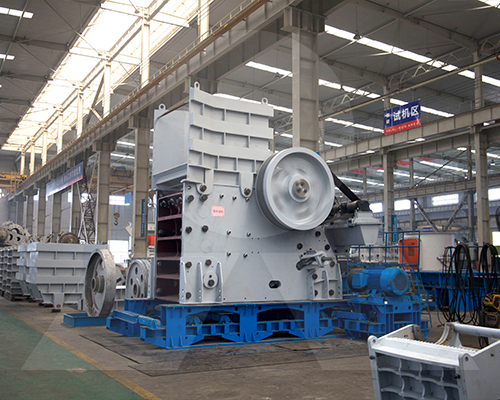
-
Coal
Thermal and metallurgical coal undergo crushing prior to combustion or coking. Size reduction improves combustion efficiency and ensures uniform feed in pulverizers. Run-of-mine coal is typically reduced to 50 mm or less using sizers or roll crushers to minimize fines generation and maintain calorific value consistency. -
Recycled Materials
Construction and demolition debris, including concrete and asphalt, are increasingly processed for reuse. Crushing enables recovery of aggregate fractions suitable for sub-base materials. Contaminant separation—such as wood, metals, or plastics—is integral to ensuring product quality. Recycling operations often deploy mobile crushing units for on-site processing, reducing transport costs and environmental impact. -
Non-Metallic Rocks
Materials such as quartzite, feldspar, and kaolin are crushed for use in ceramics, glass, and specialty chemicals. These materials often demand precise sizing and minimal contamination. Processing may include washing and air classification post-crushing to meet stringent purity standards.
Each material type imposes distinct demands on crusher design, wear resistance, throughput capacity, and downstream handling. Selection of crushing equipment—whether jaw, gyratory, cone, or impact—must align with the mechanical properties of the feedstock, desired product specification, and operational efficiency targets.
Crushing Equipment Overview: Selecting the Right Machinery for Your Needs
-
Jaw crushers: Primary reduction workhorses, jaw crushers utilize compressive force between a fixed and reciprocating plate to break large, hard feed materials. Ideal for initial size reduction of blasted run-of-mine ore or quarried rock, they offer high reduction ratios and consistent output. Their robust design ensures reliability under severe operating conditions, though they are generally less efficient for softer or sticky feedstocks.
-
Cone crushers: Used predominantly in secondary and tertiary crushing stages, cone crushers excel in reducing harder materials to finer, more uniform gradations. Operating via compression between a mantle and concave liner, they produce fewer fines than impactors and are preferred when product shape and consistency are critical, such as in high-specification aggregate production.
-
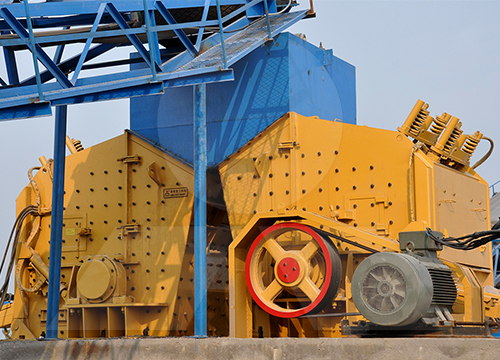
Impact crushers: These include horizontal shaft impactors (HSI) and vertical shaft impactors (VSI). HSI units are effective for soft to medium-hard materials and deliver high cubicity in final product, making them suitable for asphalt and concrete aggregates. VSI crushers use rock-on-rock or rock-on-metal impact to shape and refine material, particularly in producing manufactured sand and high-value construction aggregates.
-
Gyratory crushers: Typically deployed in large-scale mining operations, gyratory crushers process high volumes of hard rock at the primary stage. Their continuous crushing action and large feed openings provide superior throughput compared to jaw crushers, though they require significant capital investment and infrastructure.
-
Roll crushers: Employed for fine crushing and when minimal fines generation is essential, roll crushers use compressive force between counter-rotating rolls. They are best suited for low-abrasion, non-sticky materials such as coal, limestone, and potash.
Selection criteria must align with feed size, required output size, material hardness (measured by Mohs or compressive strength), moisture content, and desired tonnage. Operational costs—including wear part consumption, energy use, and maintenance frequency—must be evaluated alongside initial capital outlay. Automation and monitoring capabilities, such as closed-side setting (CSS) controls and real-time diagnostics, enhance efficiency and reduce downtime. Ultimately, optimal equipment choice balances throughput, product quality, and lifecycle cost within the context of the processing workflow.
Optimizing the Crushing Process for Maximum Efficiency and Output
-
Regular equipment maintenance is foundational to consistent crushing efficiency. Scheduled inspections of wear parts—such as liners, bearings, and toggle plates—prevent unplanned downtime and maintain optimal throughput. Implementing a predictive maintenance strategy using vibration analysis and thermal imaging enhances reliability and extends component life.
-
Feed consistency directly influences crusher performance. Variability in feed size, moisture content, or material composition leads to uneven load distribution and reduced output. Employing scalping screens or grizzlies upstream of the primary crusher ensures oversized material is removed, protecting downstream equipment and stabilizing feed rates.
-
Proper choke feeding maximizes crushing efficiency by maintaining a full chamber, promoting inter-particle crushing and uniform wear. Starving the crusher reduces productivity and accelerates wear due to increased abrasive action. Automated feed control systems with level sensors optimize material flow and minimize fluctuations.
-
Closed-circuit configurations with efficient screening circuits enable continuous product recirculation, ensuring final output meets size specifications. Integrating crushers with vibrating screens in a feedback loop improves yield and reduces over-crushing, which wastes energy and generates excess fines.
-
Crusher settings must be aligned with material characteristics and desired product gradation. Adjusting closed-side settings (CSS) based on feed material hardness and abrasiveness optimizes fragmentation efficiency. Dynamic CSS control systems allow real-time adjustments, adapting to changing conditions without manual intervention.
-
Energy consumption can be minimized through variable frequency drives (VFDs) on feeders and motors. VFDs match power input to load requirements, reducing peak demand and improving energy efficiency. Monitoring power draw in real time provides insight into operational inefficiencies.
-
Wear-resistant materials and advanced liner designs enhance throughput longevity. Utilizing manganese steel or composite liners tailored to specific applications reduces replacement frequency and maintains chamber geometry critical for consistent performance.
-
Data-driven decision-making is essential. Implementing process monitoring systems that track throughput, power consumption, CSS, and product size distribution enables rapid troubleshooting and performance optimization. Historical data analysis identifies trends and supports continuous improvement.
-
Operator training ensures adherence to best practices in startup, shutdown, and response to process deviations. Skilled personnel contribute significantly to operational stability and equipment longevity.
Environmental and Safety Considerations in Raw Material Handling and Crushing
-
Implement engineering controls such as enclosed conveyor systems, sealed crushers, and automated feeding mechanisms to minimize dust emissions and reduce operator exposure to airborne particulates.
-
Install high-efficiency particulate air (HEPA) filtration systems on ventilation units to capture fine mineral dust, particularly when processing silica-rich materials known to pose respiratory hazards.
-
Conduct regular ambient air monitoring in processing areas to ensure compliance with permissible exposure limits (PELs) established by OSHA or equivalent regulatory bodies.
-
Utilize water spray suppression systems at transfer points, crusher inlets, and stockpile zones to mitigate dust generation during material handling and size reduction operations.
-
Design material transfer infrastructure with controlled drop heights and impact plates to reduce dust liberation and prevent material spillage, enhancing both safety and environmental performance.
-
Establish routine maintenance protocols for crushing equipment to prevent mechanical failures that could lead to unplanned emissions, fires, or hazardous energy release.
-
Equip all machinery with emergency stop systems, lockout/tagout (LOTO) capabilities, and vibration monitoring to safeguard personnel during operation and maintenance.
-
Provide operators with appropriate personal protective equipment (PPE), including N95 respirators, hearing protection, safety goggles, and high-visibility apparel, aligned with hazard assessments.
-
Classify raw material storage zones according to chemical reactivity and physical hazards; separate oxidizing agents, reactive minerals, and combustible dusts to prevent unintended reactions.
-
Implement secondary containment measures for material stockpiles near sensitive ecosystems or water bodies to prevent leaching and runoff, particularly when handling sulfide-bearing or acid-generating materials.
-
Develop and enforce spill response plans, including containment booms, absorbent materials, and trained response teams, to address accidental releases promptly.
-
Conduct lifecycle assessments of raw material sourcing to evaluate environmental burdens associated with extraction, transport, and processing.
-
Prioritize local sourcing where feasible to reduce transportation-related emissions and support regional sustainability goals.
-
Monitor noise levels around crushing circuits and install acoustic enclosures or barriers where sound pressure exceeds regulatory thresholds.
Environmental and safety integrity in raw material handling and crushing requires an integrated approach combining engineering design, regulatory compliance, and operational discipline. Proactive risk management not only ensures worker safety and environmental protection but also enhances process reliability and regulatory standing.
Frequently Asked Questions
What are the primary raw materials used in crushing operations?
The primary raw materials used in crushing operations include natural stone (such as limestone, granite, basalt, and quartz), recycled concrete, asphalt, and construction debris. The selection depends on the end application—construction aggregates, road base, or specialty minerals—and geological availability. High-purity and structurally sound materials are preferred to ensure optimal crush quality and equipment longevity.
How do you select the right source for raw materials in aggregate production?
Selecting the right source involves geological surveying, core sampling, and material testing to assess compressive strength, abrasion resistance, and chemical composition. Proximity to infrastructure, environmental impact, and permitting feasibility are also evaluated. Expert operators conduct reserve estimations and lifecycle cost analyses to ensure sustainable extraction and economic viability.
What equipment is essential for primary crushing of raw materials?
Primary crushing requires robust equipment such as jaw crushers or gyratory crushers, designed to handle large feed sizes and high-volume throughput. These machines break down oversized raw materials into manageable sizes for secondary processing. Selection is based on feed size, hardness (measured by Mohs or Los Angeles abrasion value), and required output capacity.
How does material hardness affect the crushing process?
Material hardness directly impacts crusher selection, wear part lifespan, energy consumption, and throughput. Harder materials like basalt or quartz require high-pressure crushing technologies (e.g., gyratory or cone crushers) and more durable manganese steel liners. Pre-screening or pre-crushing assessments using Bond Work Index testing help optimize operational parameters.
What role does gradation play in raw material crushing?
Gradation—the particle size distribution of crushed material—determines suitability for specific applications like asphalt mix, concrete, or sub-base. Optimal gradation ensures structural integrity and compaction. Closed-circuit crushing with vibrating screens allows real-time feedback and recirculation of oversized particles to maintain specification compliance.
What are best practices for reducing wear and tear on crushing equipment?
Best practices include consistent feed control (avoiding overloading), using proper lubrication systems, installing metallurgical liners matched to material abrasiveness, and employing automated monitoring for vibration, temperature, and feed flow. Preventative maintenance schedules based on operational hours and material analysis minimize unplanned downtime.
How is crushed material quality controlled during production?
Quality control involves real-time sampling, sieve analysis, and periodic testing for gradation, particle shape (e.g., flakiness index), and cleanliness (clay or organic content). Automated process control systems adjust crusher settings dynamically. Certified labs conduct compliance testing per ASTM or EN standards for construction-grade aggregates.
What environmental considerations are involved in raw material extraction and crushing?
Environmental considerations include dust control (via water sprays or chemical suppressants), noise mitigation, stormwater management, and habitat preservation. Operators must comply with EPA or local regulations, implement reclamation plans, and conduct air quality monitoring. Recycling waste streams reduces landfill dependency and enhances sustainability.
Can recycled materials be effectively crushed for reuse?
Yes, recycled concrete and asphalt pavement are commonly crushed using impact or jaw crushers to produce recycled aggregate (RAP or RCA). Contaminants like rebar or wood must be removed via magnets and screening. When properly processed, recycled materials meet specifications for sub-base, road base, or even structural applications, reducing virgin resource extraction.
What is the importance of feed preparation before crushing?
Feed preparation—including scalping screens, tramp metal removal, and controlled feeding—ensures consistent throughput, protects downstream equipment, and improves crushing efficiency. Removing fines and contaminants upfront reduces wear and blockages, while regulated feed rates maintain uniform product quality and energy efficiency.
How do you optimize energy efficiency in crushing operations?
Optimize energy efficiency by matching equipment to material characteristics, operating crushers at optimal speed and closed-side settings, minimizing material transport height, and using variable frequency drives (VFDs). Plant layout design for gravity-assisted flow and closed-loop automation further reduces power consumption per ton.
What safety protocols are essential in raw material crushing plants?
Essential safety protocols include lockout-tagout (LOTO) procedures, confined space entry permits, dust explosion prevention systems, real-time gas monitoring, and mandatory PPE. Regular training, machine guarding, emergency stop systems, and AI-powered camera monitoring help prevent accidents in high-risk crushing environments.