Table of Contents
- Direct Profit Centers from Crusher Equipment in Kenya
- Indirect Beneficiaries of Crusher Equipment Deployment
- Operational Efficiency Gains That Translate into Profits
- Environmental Compliance as a Profit Enabler
- Strategic Considerations for Procurement Managers Evaluating Crushers
- Frequently Asked Questions (FAQ)
Kenya’s mining and construction sectors are undergoing rapid transformation, driven by infrastructure expansion, urbanization, and increased mineral exploration. At the heart of this industrial evolution lies a critical piece of machinery: the crusher equipment. For mining managers and procurement officers, understanding what profits from crusher equipment in Kenya is no longer a matter of operational curiosity—it’s a strategic imperative.
Crusher machines are more than just tools for reducing rock size; they are profit multipliers when deployed effectively. From enhancing material processing efficiency to lowering operational costs and enabling compliance with market specifications, crushers play a pivotal role in determining the financial health of mining and quarrying operations across Kenya.
This article explores the tangible and intangible benefits derived from crusher equipment investments, identifies key stakeholders who profit directly or indirectly, and provides actionable insights for decision-makers evaluating capital expenditures in crushing technology.
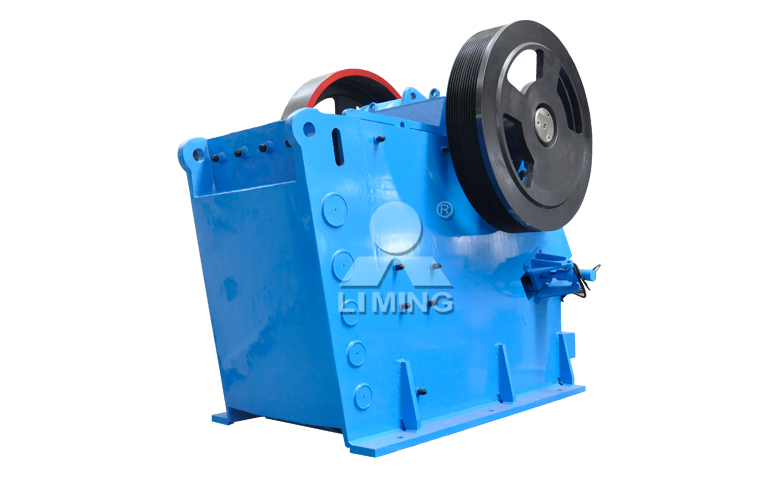
Direct Profit Centers from Crusher Equipment in Kenya
1. Large-Scale Mining Operations
Mining companies engaged in extracting limestone, soda ash, gold, titanium, and gemstones benefit significantly from integrating advanced crusher systems. Primary and secondary crushers enable these operations to process raw ore efficiently at scale.
For example, limestone quarries supplying cement manufacturers such as Bamburi Cement or East African Portland Cement rely on jaw and cone crushers to produce consistent aggregate sizes. The ability to deliver standardized materials on time translates directly into higher contract retention rates and premium pricing.
Moreover, efficient crushing reduces downstream processing bottlenecks. A well-optimized crushing circuit can increase throughput by up to 30%, directly boosting revenue without additional labor or energy input per ton processed.
2. Construction Aggregate Producers
With Kenya’s Vision 2030 infrastructure agenda driving road networks, housing projects, and urban development, demand for construction aggregates has surged. Crusher equipment allows local producers to convert naturally occurring rock into saleable gravel, sand, and crushed stone.
Mobile crushers have become particularly profitable for contractors working on remote sites like Lamu Port-South Sudan-Ethiopia Transport (LAPSSET) corridors or Standard Gauge Railway (SGR) extensions. These units eliminate transportation costs by processing material on-site, reducing logistics overheads by up to 40%.
Procurement managers who invest in modular or portable crushing plants gain flexibility across multiple project locations—maximizing asset utilization and minimizing idle time.
3. Small-to-Medium Quarry Operators
While large firms dominate headlines, small-scale quarry operators represent one of the most dynamic segments profiting from crusher adoption. Previously reliant on manual breaking or outdated machinery, many now lease or purchase affordable diesel-powered jaw crushers manufactured locally or imported from China via Mombasa port.
These operators report profit margins increasing from 15% to over 35% within 18 months of mechanization due to:
- Faster production cycles
- Improved product consistency
- Access to formal supply chains (e.g., county governments’ road projects)
Additionally, partnerships with cooperatives allow smaller players to pool resources for shared crusher use—spreading capital risk while maintaining competitiveness against larger rivals.
Indirect Beneficiaries of Crusher Equipment Deployment
4. Equipment Suppliers & Distributors
Local distributors of crushing machinery—including brands like Sandvik, Metso Outotec (now Metso), SBM Kenya, and Zenith Engineering—generate recurring revenue not only from equipment sales but also through after-sales services such as spare parts supply, maintenance contracts, operator training, and remote diagnostics.
A growing trend among Kenyan buyers is preference for suppliers offering bundled service packages. This shift creates long-term customer relationships that yield higher lifetime value than one-time sales alone.
Furthermore, domestic assembly partnerships—such as those emerging between Chinese OEMs and Kenyan engineering firms—are creating localized manufacturing hubs that reduce import duties and delivery lead times. These ventures generate employment and reinvest profits locally.
5. Transport & Logistics Firms
Efficient crushing reduces bulk volume significantly before haulage begins. For instance, raw boulders reduced to graded aggregates occupy less space per truckload—meaning fewer trips are needed to transport equivalent volumes.
Logistics companies serving quarries near Nairobi (e.g., Athi River), Naivasha (Great Rift Valley), or Kitui benefit from increased cargo frequency due to higher production rates enabled by crushers. Even though individual loads may be smaller post-crushing due to densification limits per axle weight regulations), overall trip efficiency improves with predictable loading schedules driven by mechanized operations.
Some forward-thinking transporters even co-invest in mobile crushing units operated jointly with quarry owners—a hybrid model gaining traction in central Kenya’s granite belt region.
6. Government Revenue Agencies
The Kenya Revenue Authority (KRA) collects excise duty on construction materials under Section 129 of the Excise Duty Act. As crusher-enabled operations formalize their output measurement systems using weighbridges integrated with digital reporting tools, tax compliance increases across the sector.
Higher declared outputs mean greater excise collections—particularly beneficial given ongoing government focus on domestic resource mobilization for infrastructure funding.
Additionally:
- Import duties on new crusher equipment contribute directly to national revenue
- VAT accrues at every stage: sale of machines → spare parts → fuel → final aggregate sales
Local authorities also benefit via county-level levies on quarrying activities—many now mandating mechanized processing as part of environmental impact assessments (EIAs).
Operational Efficiency Gains That Translate into Profits
Beyond direct revenue generation or stakeholder benefits, crusher equipment delivers measurable improvements in operational performance metrics critical for profitability:
| Metric | Pre-Crusher Scenario | Post-Crusher Improvement |
|---|---|---|
| Production Rate | 50–100 tons/day | 300–800 tons/day |
| Labor Cost per Ton | KES 450 | KES 180 |
| Product Rejection Rate | ~25% | <7% |
| Downtime Due to Blockages | Frequent | Reduced by automation |
| Energy Consumption per Ton | High (inefficient methods) | Optimized via modern drives |
Modern crushers equipped with hydraulic adjustment systems, overload protection sensors, and variable frequency drives (VFDs) minimize unplanned stoppages—a major pain point cited by mine managers during field interviews conducted across Machakos and Makueni counties.
Predictive maintenance alerts sent via IoT-connected panels further reduce repair costs by up to 25%, according to data provided by Nairobi-based industrial automation provider Ebara Technologies Ltd.
Environmental Compliance as a Profit Enabler
Kenya’s National Environmental Management Authority (NEMA) enforces strict regulations regarding dust emissions, noise pollution, and land rehabilitation at extraction sites. Manual rock-breaking methods often fail compliance audits due to uncontrolled fragmentation patterns and excessive airborne particulates.
Crusher installations come with built-in mitigation features:
- Water spray bars suppress dust
- Enclosed feed hoppers limit spillage
- Noise-dampening enclosures meet urban zoning standards
Quarries that adopt compliant crushing systems avoid costly shutdowns—and more importantly—retain eligibility for public tenders requiring environmental certification under Public Procurement Regulatory Authority (PPRA) guidelines.
In fact, several county governments now prioritize bids submitted by environmentally certified suppliers—a competitive edge secured through responsible investment in modern crushing infrastructure.
Strategic Considerations for Procurement Managers Evaluating Crushers
When assessing potential returns on crusher equipment investments in Kenya’s unique operating environment, procurement officers should consider:
A. Feed Material Characteristics Different ores require specific crusher types:
- Hard basalt/titaniferous rocks → Cone or impact crushers
- Limestone/sedimentary formations → Jaw crushers
- Recycled concrete → Horizontal shaft impactors
Conducting a petrographic analysis ensures optimal selection based on abrasiveness index (AI) and compressive strength values common in Kenyan geology zones like Turkana Rift Basin or Central Highlands volcanic deposits.
B. Power Source Availability Grid instability remains an issue outside major cities:
- Diesel-powered mobile units ideal for remote areas
- Electric models cost-effective near stable power sources Hybrid systems combining solar-assisted charging with diesel backup are emerging options worth monitoring
C. Total Cost of Ownership (TCO) vs Initial Price Low-cost imported crushers may offer attractive upfront pricing but often lack:
- Local technical support
- Availability of wear parts
- Warranty enforcement mechanisms
Procurement teams should evaluate TCO over five years—including fuel consumption rates (~25–35 L/hr average), expected liner life (~6–12 months depending on feed hardness), service intervals (~every 500 hours), training needs—and factor these into ROI calculations before finalizing purchase decisions.
Frequently Asked Questions (FAQ)
Q: What types of crusher equipment are most profitable in Kenya?
A: Jaw crushers offer high profitability due to reliability; cone crushers maximize returns when processing hard rock; mobile plants deliver best ROI for short-term projects requiring relocation flexibility.
Q: How much does a typical crusher setup cost in Kenya?
A: Entry-level diesel jaw crushers start around USD $45,000; full stationary plants range between USD $180,000–$600,000 depending on capacity; mobile units cost USD $95k–$320k including transport chassis.
Q: Are there tax incentives for buying mining equipment in Kenya?
A: Yes—capital allowances allow up to 100% depreciation write-off over three years under Section 17(2)(a)(ii) of the Income Tax Act; import duty exemptions apply if used exclusively for approved mining activities under MCA license terms.
Q: Can small-scale miners afford crusher machines?
A: Yes—leasing arrangements through banks like KCB Group’s Mining Finance Program offer financing up to KES 15 million (~USD $115k); cooperative ownership models spread acquisition costs across multiple users effectively reducing individual burden by ~65%.
Q: How long does it take to recover investment in a rock crusher?
A: Most Kenyan operators report payback periods between 14–26 months depending on utilization rate (>75% recommended), feed availability (>8 hrs/day operation), market access stability (>6-month contracts).
Q: Where can I get reliable spare parts for my crusher?
A: Authorized dealerships exist in Nairobi (e.g., Sandvik East Africa); alternative channels include certified Chinese suppliers shipping via Mombasa port (~3-week lead time); some local foundries now produce compatible manganese steel liners at ~40% lower cost than OEM equivalents—with similar wear resistance when properly heat-treated.
Q: Do I need special permits beyond standard mining licenses?
A: Yes—you must register noise/dust emissions control measures with NEMA; obtain electrical safety certification if using grid-connected motors; submit site layout plans showing buffer zones compliant with EMCA guidelines before commissioning any fixed plant installation above 5 tons/hour capacity.
Q: How does automation improve profitability?
A: Automated feeding controls prevent choke feeding; real-time monitoring reduces human error; predictive diagnostics cut downtime; centralized dashboards enable remote oversight across multiple sites—improving yield accuracy by ~18% according industry benchmarks reported during KEPSA mining forums last year.
Q: Is recycled concrete viable feedstock using standard crushers?
A: Yes—with proper pre-screening magnets removed rebar fragments first; horizontal shaft impactors perform best here achieving up to 98% recovery rate suitable for Class B structural fill applications approved under KEBS EAS 979 standards used nationwide since April 2023 update issued by Ministry of Roads & Transport Infrastructure Development Division – Materials Lab Unit IV Technical Advisory Memo Ref No.: MTID/MAT/ADM/TA/27/23 dated Feb ’23 released publicly June ’23 accessible online archive section www.transport.go.ke/policies_research_archives.html
Q: What role do women-owned enterprises play in crusher-based ventures today?
A: Increasingly significant—the Women Enterprise Fund supports female-led quarry cooperatives acquiring shared mobile units targeting affordable housing programs initiated under Ministry Of Gender Equality National Action Plan Phase III FY’24 allocations totaling approx