Table of Contents
Tire Crusher Machine: Revolutionizing Tire Recycling and Waste Management
In recent years, the global increase in vehicle ownership has led to a growing number of end-of-life tires, posing serious environmental challenges. Discarded tires are not only bulky and difficult to manage but also contribute to pollution, serve as breeding grounds for pests, and present fire hazards. To address these issues, the tire crusher machine has emerged as a vital solution in the field of waste management and recycling.
What Is a Tire Crusher Machine?
A tire crusher machine is a specialized piece of industrial equipment designed to break down whole scrap tires into smaller, manageable pieces. These machines use mechanical force—such as cutting, shredding, or crushing—to reduce tire size significantly. The resulting material can then be further processed for recycling into valuable products like rubber mulch, crumb rubber, or fuel.
How Does a Tire Crusher Work?
Tire crusher machines typically operate using one of several mechanisms:
- Rotary Cutters: Equipped with sharp blades or knives that rotate at high speed to slice through tires.
- Hammer Mills: Use swinging hammers to pulverize tires into small fragments.
- Shear Shredders: Employ slow-speed, high-torque systems to tear tires apart efficiently with minimal noise and dust.
The process usually begins with feeding whole tires into the machine via a conveyor or hopper. The crushing unit then reduces them into chips or granules ranging from 50mm down to 2mm in size, depending on the machine settings and downstream applications.
Benefits of Using a Tire Crusher Machine
-
Environmental Protection
By reducing tire volume by up to 80%, tire crushers minimize landfill usage and prevent illegal dumping. This helps reduce soil and water contamination and lowers greenhouse gas emissions from tire fires. -
Resource Recovery
Crushed tires can be separated into rubber, steel, and fiber—each recyclable into new products. Rubber granules are used in playground surfaces, athletic tracks, and asphalt modification; steel is recycled in metal industries; and fiber can serve as alternative fuel.
-
Cost Efficiency
Transporting whole tires is expensive due to their size and weight. Crushing them on-site reduces transportation costs significantly and improves logistics efficiency. -
Compliance with Regulations
Many countries have strict regulations regarding tire disposal. Using a tire crusher ensures compliance with environmental laws while promoting sustainable practices. -
Support for Circular Economy
Tire crushers play a key role in transforming waste into reusable raw materials, supporting the principles of a circular economy where resources are reused rather than discarded.
Applications Across Industries
Tire crusher machines are widely used in:
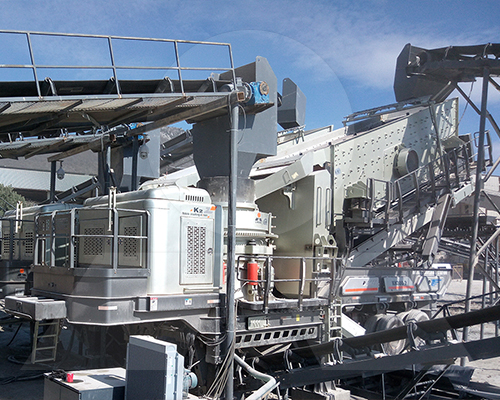
- Recycling Facilities: As part of comprehensive tire recycling lines.
- Waste Management Centers: For preprocessing before further sorting or pyrolysis.
- Construction Sites: To repurpose rubber material for road base or sound insulation.
- Land Reclamation Projects: Where space-saving waste reduction is essential.
Choosing the Right Tire Crusher
When selecting a tire crusher machine, consider factors such as:
- Processing capacity (tons per hour)
- Input tire size (car tires, truck tires, OTR tires)
- Output particle size requirements
- Power source (electric or diesel)
- Maintenance needs and durability
- Automation level (manual vs fully automated systems)
Leading manufacturers offer models ranging from compact units suitable for small operations to large-scale industrial systems capable of handling thousands of tires daily.
The Future of Tire Crushing Technology
As sustainability becomes a global priority, innovations in tire crushing continue to evolve. Modern machines now feature smart controls, energy-efficient motors, dust suppression systems, and integration with downstream separation technologies like magnetic separators and air classifiers. Moreover, advancements in AI and IoT are enabling predictive maintenance and remote monitoring for improved uptime and performance.
Conclusion
The tire crusher machine is more than just industrial equipment—it’s an essential tool in building a cleaner, greener future. By turning problematic waste into valuable resources, it supports environmental protection, economic efficiency, and regulatory compliance. As technology advances and awareness grows, tire crushers will continue to play a central role in transforming how we manage one of the most persistent forms of waste in the modern world.
Investing in tire crushing solutions isn’t just smart business—it’s responsible stewardship of our planet’s resources.