Table of Contents
Understanding Stone Crushing Machine Prices: Factors, Types, and Market Trends
Stone crushing machines are essential equipment in the construction, mining, and quarrying industries. These machines are designed to break down large rocks into smaller, more manageable aggregates used in road construction, concrete production, and other infrastructure projects. As demand for construction materials continues to grow globally, so does the need for efficient and cost-effective stone crushing solutions. One of the most frequently asked questions by buyers is: What determines the price of a stone crushing machine? This article explores the key factors influencing stone crushing machine prices, different types available in the market, and current pricing trends.
Types of Stone Crushing Machines
The price of a stone crushing machine largely depends on its type and intended application. The most common types include:
-
Jaw Crushers
Ideal for primary crushing, jaw crushers are known for their durability and ability to handle hard materials. They are typically used to reduce large boulders into smaller pieces before further processing. -
Impact Crushers
These machines use impact force to crush stones and are especially effective for soft to medium-hard materials. They are often used in secondary or tertiary crushing stages. -
Cone Crushers
Suitable for secondary and tertiary crushing, cone crushers offer high efficiency and produce uniformly shaped aggregates. They are commonly used in mining operations.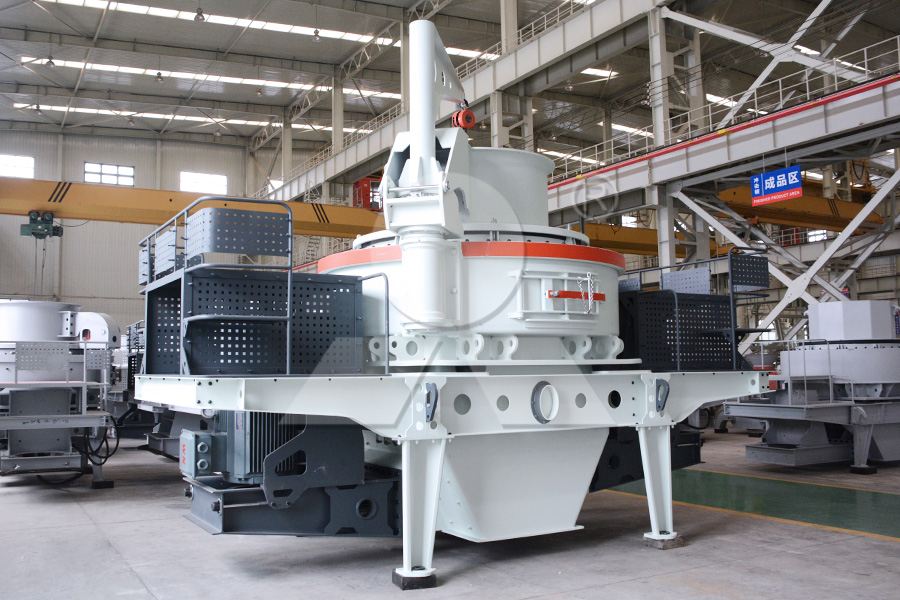
-
Roll Crushers
These are used for fine crushing and produce a consistent product size. Roll crushers are often employed in coal processing and small-scale operations. -
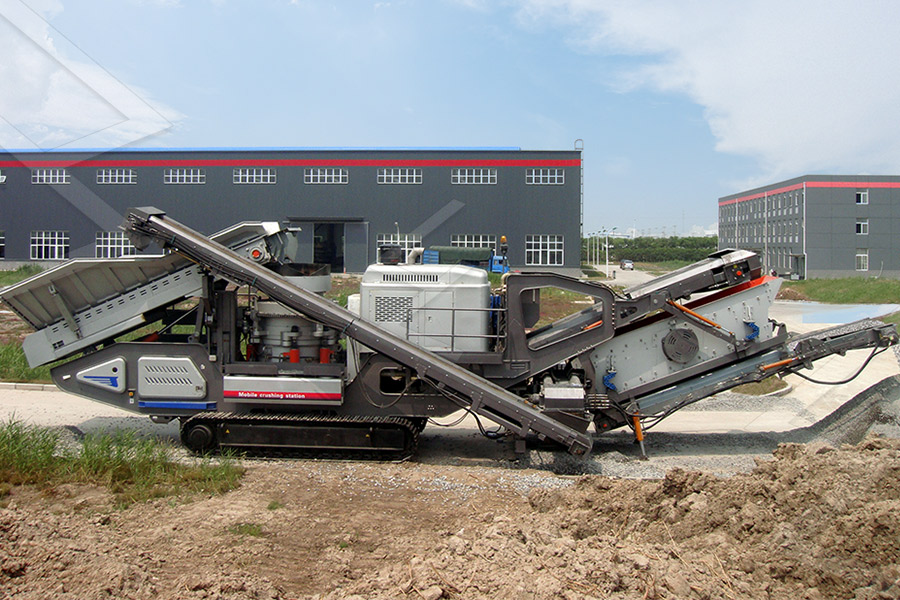
Mobile Crushing Plants
These are complete crushing systems mounted on wheels or tracks, allowing for easy transportation between job sites. Mobile units typically command higher prices due to their versatility and integrated design.
Factors Affecting Stone Crushing Machine Prices
Several factors contribute to the variation in stone crushing machine prices:
-
Capacity and Output
Machines with higher throughput (measured in tons per hour) generally cost more. A small-scale crusher producing 50 TPH may cost significantly less than an industrial model producing 500 TPH. -
Crushing Technology and Automation
Advanced features such as hydraulic adjustment systems, automatic overload protection, remote monitoring, and energy-saving motors increase both performance and price. -
Material Quality and Build
Crushers made from high-grade steel or wear-resistant materials tend to be more expensive but offer longer service life and reduced maintenance costs. -
Brand Reputation
Established manufacturers like Sandvik, Metso Outotec, Terex, and Powerscreen often charge premium prices due to their reliability, after-sales service, and global support networks. -
New vs. Used Equipment
Used or refurbished machines can cost 30%–60% less than new ones but may come with higher maintenance risks or limited warranties. -
Additional Components
Complete crushing plants include feeders, screens, conveyors, dust collectors, and control panels—each adding to the total price. -
Customization Options
Tailored designs for specific applications (e.g., portable units for remote sites) can increase costs due to engineering complexity.
Price Range Overview (as of 2024)
- Small Jaw Crusher (30–100 TPH): $10,000 – $50,000
- Medium Cone Crusher (100–300 TPH): $80,000 – $250,000
- Large Impact Crusher (200–500 TPH): $150,000 – $400,000
- Mobile Crushing Plant: $250,000 – $1 million+ depending on configuration
Prices may vary significantly based on region, import duties, transportation costs, and local market demand.
Market Trends Influencing Pricing
- Rising Demand in Developing Countries: Infrastructure development in Asia-Pacific (especially India and Southeast Asia), Africa, and Latin America is driving demand for affordable yet reliable crushers.
- Sustainability Focus: Energy-efficient models with low emissions are gaining popularity due to stricter environmental regulations.
- Digital Integration: Smart crushers equipped with IoT sensors for predictive maintenance are becoming more common—and more expensive.
- Local Manufacturing: Countries like China offer competitive pricing due to lower production costs but may vary in quality control compared to European or American brands.
Tips for Buyers
- Assess your production needs accurately before selecting a machine.
- Compare quotes from multiple suppliers—consider total cost of ownership (including maintenance).
- Evaluate warranty terms and after-sales support.
- Consider financing options or leasing programs offered by manufacturers.
- Inspect used equipment thoroughly or purchase from certified dealers.
Conclusion
The price of a stone crushing machine varies widely based on type, capacity, technology level, brand reputation, and additional features. While initial investment is important, buyers should also consider long-term operational efficiency and maintenance costs when evaluating options. With rapid technological advancements and growing global infrastructure needs, investing in the right stone crusher can lead to significant returns over time—making it crucial to balance performance with budget constraints when making a purchase decision.
Whether you’re setting up a new quarry or expanding an existing operation,
understanding what drives stone crushing machine prices helps ensure you make an informed choice that supports your business goals effectively.
Note: Prices mentioned are approximate estimates as of 2024 based on global market data.