Table of Contents
Standard Operating Procedure for Ceramic Ball Mill
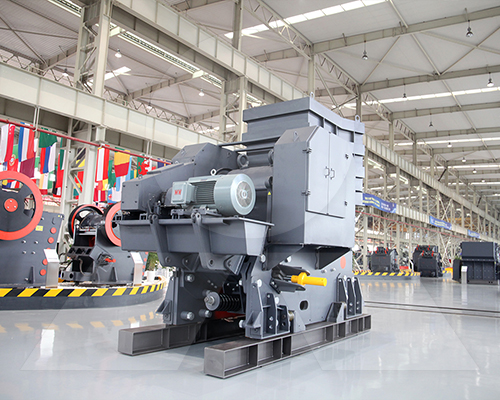
A ceramic ball mill is a critical piece of equipment in industries such as ceramics, electronics, pharmaceuticals, and advanced materials manufacturing. It is used to grind, blend, and mix materials into fine powders with high homogeneity and precision. To ensure safe, efficient, and consistent operation, adherence to a Standard Operating Procedure (SOP) is essential. This document outlines the standard operating procedure for the use of a ceramic ball mill.
1. Purpose
The purpose of this SOP is to provide clear guidelines for the safe and effective operation of a ceramic ball mill. It aims to ensure product quality, operator safety, equipment longevity, and compliance with industry standards.
2. Scope
This procedure applies to all personnel involved in the operation, maintenance, and supervision of ceramic ball mills in production or laboratory environments.
3. Equipment and Materials
- Ceramic ball mill (including jar and grinding media)
- Ceramic grinding media (e.g., alumina or zirconia balls)
- Raw materials to be milled
- Weighing scale
- Protective gear (gloves, safety goggles, face mask/respirator)
- Cleaning tools (brushes, lint-free cloths)
- Sealing tape or clamps (if applicable)
4. Safety Precautions
Before operating the ball mill:
- Wear appropriate personal protective equipment (PPE), including safety goggles, gloves, and a dust mask.
- Ensure the work area is clean, dry, and well-ventilated.
- Verify that the ball mill is properly grounded to prevent static discharge.
- Do not operate the equipment if any part appears damaged or worn.
- Keep hands and loose clothing away from moving parts.
- Never open the mill while it is in operation.
5. Operating Procedure
Step 1: Preparation
- Inspect the ceramic jar and grinding media for cracks or contamination.
- Clean the jar and grinding balls thoroughly with appropriate solvents if previously used; allow them to dry completely.
- Weigh the required amount of raw material(s) using a calibrated scale.
- Calculate and weigh the appropriate quantity of grinding media (typically 2–3 times the weight of the material).
- Load materials into the jar: first add raw materials, then grinding media.
Step 2: Loading the Mill
- Securely seal the jar according to manufacturer instructions—ensure tight closure to prevent leakage.
- Place the sealed jar into the ball mill holder.
- Confirm that the jar is properly aligned and clamped.
Step 3: Setting Parameters
- Set rotation speed based on material properties and desired fineness (typically 60–80% of critical speed).
- Determine milling time based on material hardness and required particle size (commonly 1–24 hours).
- For wet milling: add suitable liquid medium (e.g., deionized water or ethanol) before sealing.
Step 4: Starting Operation
- Turn on the power supply.
- Start the ball mill at low speed initially; gradually increase to set speed.
- Monitor initial operation for unusual vibrations or noises.
Step 5: Monitoring
- Periodically check equipment during long runs for overheating or abnormal sounds.
- Do not leave unattended unless equipped with safety alarms or automatic shut-off systems.
Step 6: Stopping and Unloading
- After completion of milling time, turn off power supply.
- Wait until rotation has completely stopped before opening.
- Carefully remove jar from holder; unseal cautiously due to possible pressure buildup.
- Pour out slurry or powder into a clean container; separate grinding media using a sieve if necessary.
Step 7: Cleaning
- Clean jar and grinding media immediately after use to prevent residue hardening.
- Rinse with water or solvent depending on material used; dry thoroughly before storage.
6. Maintenance
- Regularly inspect seals, clamps, motor belts, and bearings for wear.
- Lubricate moving parts as per manufacturer recommendations.
- Perform vibration checks monthly; realign components if needed.
- Keep a maintenance log for all inspections and repairs.
7. Troubleshooting
| Issue | Possible Cause | Solution |
|---|---|---|
| Excessive noise/vibration | Loose components or imbalance | Tighten clamps; rebalance load |
| Overheating | Overloading or prolonged run | Reduce load; allow cooling intervals |
| Contamination | Dirty jar/media | Clean thoroughly before use |
| Incomplete grinding | Insufficient time/media | Adjust parameters accordingly |
8. Documentation
Record each milling process including:
- Date and operator name
- Material type and weight
- Grinding media type and quantity
- Milling time and speed
- Any observations or deviations
9. Conclusion
Following this Standard Operating Procedure ensures safe handling, consistent results, extended equipment life, and high-quality output when using a ceramic ball mill. All operators must be trained on this SOP before operating the equipment independently.
Regular review and updates of this procedure are recommended to incorporate technological improvements or regulatory changes.
Prepared by: [Name]
Reviewed by: [Supervisor Name]
Effective Date: [Date]
Version: 1.0
Note: Always refer to manufacturer guidelines specific to your model of ceramic ball mill.