Table of Contents
- Industry Background: What Challenges Does the Quarry Industry Face?
- Core Product/Technology: How Are Modern Quarries Operated?
- Market & Applications: Where Are Quarry Materials Used?
- Future Outlook: What’s Next for Quarry Operations?
- FAQ Section: Common Questions Answered
- Case Study: Hanson UK’s AI-Driven Quarry Optimization
Industry Background: What Challenges Does the Quarry Industry Face?
The quarrying industry plays a pivotal role in supplying raw materials for construction, infrastructure, and manufacturing sectors. Aggregates such as crushed stone, sand, and gravel are essential for roadways, concrete production, and landscaping. However, quarries face significant operational challenges:
- Environmental Regulations: Stricter laws mandate sustainable extraction practices to minimize land degradation, water pollution, and dust emissions.
- Safety Risks: Heavy machinery operation, blasting activities, and unstable terrain pose hazards to workers.
- Efficiency Demands: Rising fuel costs and competition necessitate optimized workflows to reduce downtime and waste.
According to the U.S. Geological Survey (USGS), global aggregate production exceeds 50 billion metric tons annually, underscoring the need for streamlined operations.
Core Product/Technology: How Are Modern Quarries Operated?
Modern quarry operations rely on integrated systems combining geology, engineering, and automation. Key steps include:
1. Site Preparation & Planning
- Conduct geological surveys to assess reserves using LiDAR or drone mapping.
- Secure permits addressing environmental impact assessments (EIAs).
2. Drilling & Blasting
- Deploy rotary drills with GPS-guided precision to create blast holes.
- Use controlled explosives (e.g., ANFO) calibrated for minimal vibration and flyrock.
3. Extraction & Loading
- Excavators load fragmented rock onto haul trucks (e.g., CAT 777).
- Real-time fleet management systems track material movement via telematics.
4. Crushing & Screening
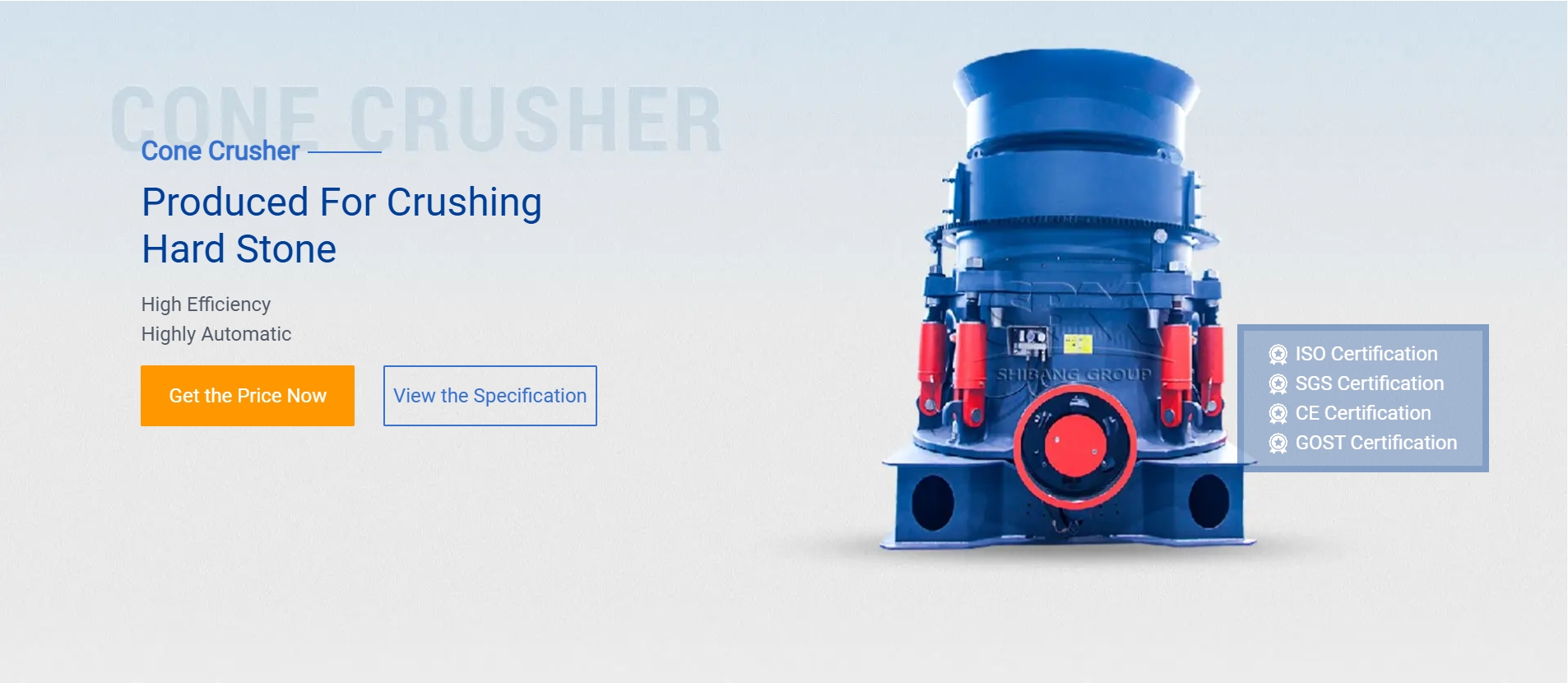
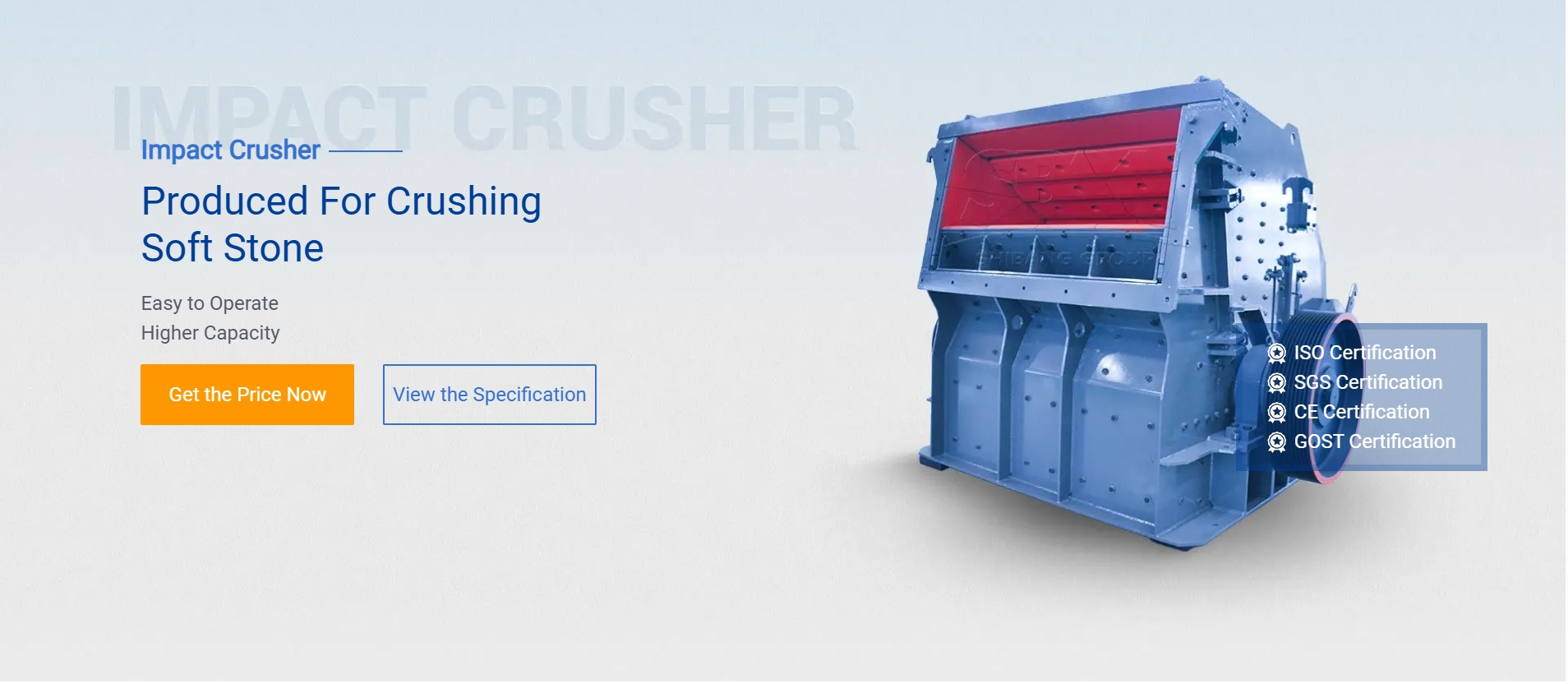
- Primary crushers (jaw/gyratory) reduce rock size; secondary/tertiary crushers refine output.
- Vibrating screens segregate aggregates by grade (e.g., 0–5mm sand vs. 20mm gravel).
5. Transport & Stockpiling
- Conveyors or trucks transport sorted materials to storage or customers.
Innovations Driving Efficiency:
- Autonomous Vehicles: Komatsu’s FrontRunner system reduces human error in hauling.
- AI-Powered Sorting: Computer vision identifies impurities in real time (e.g., Tomra’s XRT technology).
Market & Applications: Where Are Quarry Materials Used?
Quarry outputs serve diverse industries with measurable benefits:
| Industry | Application | Key Benefit |
|---|---|---|
| Construction | Concrete, asphalt production | High-strength aggregates reduce cement use |
| Transportation | Road base layers | Improved compaction lowers maintenance |
| Landscaping | Decorative stone | Aesthetic appeal with erosion control |
A study by Allied Market Research projects the global aggregates market to reach $668 billion by 2030, driven by urbanization in Asia-Pacific.
Future Outlook: What’s Next for Quarry Operations?
Emerging trends include:
- Decarbonization: Electrification of equipment (e.g., Volvo’s LX01 electric loader) cuts CO₂ emissions by 50%.
- Circular Economy: Recycling demolition waste into aggregates gains traction; Europe recycles ~90% of construction waste (Eurostat).
- Digital Twins: Virtual quarry models simulate scenarios to optimize blasting patterns or equipment routes.
FAQ Section: Common Questions Answered
Q1: How do quarries mitigate environmental damage?
A: Techniques include water spray systems for dust suppression, phased land rehabilitation, and noise barriers compliant with ISO 14001 standards. .jpg)
Q2: What safety protocols are critical in quarries?
A: Mandatory PPE (helmets, high-vis gear), proximity sensors on vehicles, and MSHA/OSHA training programs reduce accidents by 30% (NIOSH data).
Q3: Can quarries operate autonomously?
A: Semi-autonomous quarries exist today using AI-driven dispatch systems; full autonomy requires further advances in edge computing.*
Case Study: Hanson UK’s AI-Driven Quarry Optimization
Challenge: Hanson’s Leicestershire quarry faced inefficiencies in material sorting, leading to 15% waste generation.
Solution: Deployed a smart crushing plant with Metso’s Lokotrack® LT120E jaw crusher + AI analytics from Cogniteam’s Nimbus platform to adjust settings dynamically based on feed composition.* .jpg)
Results:*
- Waste reduced to 5%, saving £500K/year.*
- Throughput increased by 20% without additional energy use.*
This aligns with the UK Mineral Products Association’s goal of net-zero quarries by 2050.*