Table of Contents
- 2026 EZ Crusher Market Overview: Trends Influencing Rock Crusher Pricing
- Key Factors That Determine the 2026 EZ Crusher Equipment Cost
- Price Comparison: 2026 EZ Crusher Models and Competitive Alternatives
- Where to Buy an EZ Crusher in 2026 and How It Affects Final Pricing
- Long-Term Value: ROI, Maintenance, and Resale Impact on EZ Crusher Investment
- Frequently Asked Questions
- What is the expected price range for the 2026 EZ Crusher model?
- How does the 2026 EZ Crusher pricing compare to previous models?
- Are financing options available for the 2026 EZ Crusher?
- What factors influence regional pricing for the 2026 EZ Crusher?
- Does the 2026 EZ Crusher include smart technology that affects its price?
- What optional upgrades affect the final price of the 2026 EZ Crusher?
- How can buyers lock in pricing before a 2026 price increase?
- Is the 2026 EZ Crusher eligible for tax incentives or depreciation benefits?
- What is the lead time for delivery of the 2026 EZ Crusher, and does it impact cost?
- How does fuel efficiency in the 2026 model affect total cost of ownership?
- Are trade-in programs available for old crushers when purchasing the 2026 model?
- What warranty and support packages are included with the 2026 EZ Crusher purchase?
As we approach 2026, the construction and excavation industries are witnessing a surge in demand for compact, efficient solutions—placing the EZ Crusher mini excavator rock crusher squarely in the spotlight. Known for its versatility and on-site crushing capabilities, the EZ Crusher continues to redefine productivity for contractors tackling stone, concrete, and demolition debris. With advancements in design, durability, and compatibility across multiple mini excavator models, the 2026 pricing for the EZ Crusher reflects both innovation and market dynamics. Factors such as raw material costs, manufacturing technology, and regional demand are shaping what buyers can expect when investing in this powerful attachment. Whether you’re a seasoned contractor or a rental operator, understanding the projected 2026 EZ Crusher price landscape is crucial for making informed purchasing decisions. This guide delivers an in-depth look at anticipated price ranges, value drivers, and cost-benefit insights to help you optimize ROI and stay competitive in an evolving industry.
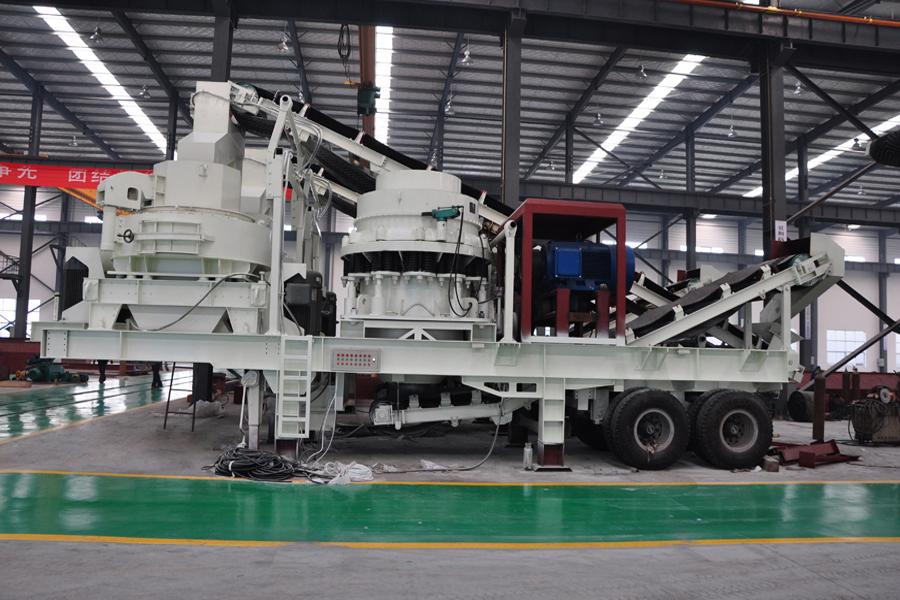
2026 EZ Crusher Market Overview: Trends Influencing Rock Crusher Pricing
-
Global supply chain stabilization continues to exert downward pressure on component costs for mini excavator-mounted rock crushers, particularly for hydraulic systems and wear parts. After prolonged disruptions from 2020–2024, improved logistics resilience and diversified sourcing are reducing lead times and input volatility, contributing to more predictable pricing in the 2026 EZ Crusher market.
-
Rising adoption of electric and hybrid mini excavators is influencing crusher design and compatibility requirements. Manufacturers are investing in modular EZ Crusher systems that integrate seamlessly with electrified carriers, driving modest R&D cost increases. However, these innovations are expected to enhance efficiency and lower lifecycle operating costs, partially offsetting initial price premiums.
-
Demand for on-site material processing in urban and constrained job sites remains strong, particularly in North America and Western Europe. This trend is accelerating the deployment of compact, high-throughput EZ Crushers, which command premium pricing due to engineering complexity and performance optimization. Unit prices for models compatible with 3- to 8-ton excavators are projected to increase 2–3% year-over-year, adjusted for inflation.
-
Regulatory shifts, including stricter emissions standards (e.g., EU Stage V, U.S. Tier 5) and noise ordinances, are prompting design modifications in crusher housings and hydraulic dampening systems. Compliance requirements add marginal cost, but also increase perceived value among environmentally conscious contractors, supporting pricing power.
-
Material science advancements—particularly in high-grade manganese and tungsten carbide alloys—are extending wear part longevity by up to 35% compared to 2020 benchmarks. While these materials are costlier upfront, reduced replacement frequency improves total cost of ownership, justifying higher initial pricing in competitive bidding environments.
-
Aftermarket support networks and digital monitoring integration (e.g., IoT-enabled wear sensors) are becoming standard value-adds. OEMs bundling predictive maintenance platforms with new units are leveraging service differentiation to maintain margins despite hardware cost competition.
| Factor | Impact on 2026 EZ Crusher Pricing |
|---|---|
| Supply Chain Normalization | Moderate downward pressure |
| Electrification Integration | Slight upward pressure |
| Urban Construction Demand | Sustained upward pressure |
| Emissions Compliance | Marginal upward adjustment |
| Advanced Wear Materials | Neutral to positive ROI justification |
Pricing strategies in 2026 will increasingly reflect total value delivery rather than component cost alone, with OEMs emphasizing durability, compatibility, and operational efficiency in positioning EZ Crushers within evolving excavation ecosystems.
Key Factors That Determine the 2026 EZ Crusher Equipment Cost
- Manufacturer specifications and model configuration
- Geographic region and local market demand
- Equipment weight class and hydraulic flow compatibility
- Degree of integration with mini excavator carriers
- Availability of aftermarket versus OEM components
- Technological advancements in wear materials and jaw design
- Supply chain stability for critical components (e.g., manganese steel, pivot pins)
- Dealer markup and regional distribution costs
Equipment cost for the 2026 EZ Crusher models is influenced primarily by design complexity and compatibility with mini excavator platforms. Units engineered for seamless hydraulic integration with carriers in the 3- to 8-ton range command premium pricing due to compact engineering and pressure regulation requirements. Higher-end configurations featuring quick-connect systems, variable gap adjustment, and reinforced pivot points contribute directly to cost increases of up to 22% over base models.
Material durability plays a critical role in valuation. Crushers utilizing proprietary manganese alloys or boron-hardened steel in jaw and side plates exhibit extended service life, justifying elevated pricing. Models incorporating modular wear part replacement systems reduce long-term ownership cost but increase initial investment. As of 2026, recyclers and demolition contractors prioritize these features, driving OEMs to embed advanced metallurgy into standard production lines.
Regional pricing disparities stem from import tariffs, local assembly presence, and freight logistics. North American markets face incremental costs due to low-volume domestic production and reliance on overseas forging for critical components. Conversely, EU-distributed units benefit from centralized manufacturing hubs, reducing landed cost by approximately 7–10%. Currency fluctuations, particularly in emerging markets, introduce volatility in final pricing.
Technological differentiation is emerging as a cost determinant. Select 2026 models integrate onboard diagnostics and load-sensing hydraulics, enabling real-time performance feedback—features previously limited to primary crushers. These intelligent systems, while representing less than 5% of current units sold, are projected to influence pricing benchmarks across the product line by 2027.
Dealer networks also affect final cost. Authorized distributors offering extended warranties, training, and inventory-backed service support typically price units 8–12% above independent resellers. However, total cost of ownership calculations increasingly favor factory-backed channels due to reduced downtime and guaranteed parts availability.
Price Comparison: 2026 EZ Crusher Models and Competitive Alternatives
| Model | Manufacturer | Weight (lbs) | Jaw Opening (in) | Price Range (USD) | Key Differentiators |
|---|---|---|---|---|---|
| EZ Crusher 2026 EC-1 | EZ Crusher | 1,850 | 16 | $28,500 – $30,500 | Patent-pending toggle system, optimized for 8–12 ton mini excavators, integrated hydraulic relief |
| MB-CR120 | MB Crusher | 2,100 | 17.7 | $34,000 – $36,500 | Dual-function design (crusher/screen), high throughput, broader compatibility |
| RCR1600C | Rock Crusher Attachments Inc. | 1,980 | 16.5 | $31,200 – $33,000 | Hardox steel housing, replaceable wear parts, lower maintenance intervals |
| BF-160 | Bradco | 2,050 | 16 | $29,800 – $31,800 | Bolt-on cutting edges, open-back design for clog resistance, U.S.-based support network |
Pricing for the 2026 EZ Crusher EC-1 remains positioned at the lower end of the premium mini excavator rock crusher segment. At $28,500–$30,500, it offers a cost advantage of approximately 10–15% over direct competitors such as MB Crusher and Rock Crusher Attachments Inc. This pricing reflects EZ Crusher’s strategy of targeted functionality over multifunctional complexity, focusing on efficient primary crushing in demolition and site prep applications.
The MB-CR120 commands a 17–20% price premium, justified by its dual crushing and screening capability and broader carrier compatibility, including models up to 14 tons. Its higher acquisition cost is often offset in high-volume operations where secondary processing eliminates the need for additional attachments.
Rock Crusher Attachments Inc.’s RCR1600C occupies a mid-premium position, with pricing reflecting superior wear resistance and serviceability. Its use of Hardox steel increases durability in abrasive applications, reducing cost-per-ton over extended use—particularly relevant in quarry or road base operations.
Bradco’s BF-160 presents the closest functional and pricing competitor to the EZ Crusher EC-1. While priced slightly higher, it emphasizes serviceability and uptime, with an open-back design that minimizes downtime due to jamming—a critical consideration in wet or mixed-material environments.
Total cost of ownership must factor in hydraulic requirements, maintenance frequency, and wear part availability. The EZ Crusher EC-1 benefits from simplified hydraulics and a growing dealer network, reducing long-term operational costs. However, buyers prioritizing throughput and multifunctionality may find the higher-priced alternatives deliver better lifecycle value despite steeper upfront investment. Market positioning remains distinct: EZ Crusher for cost-conscious contractors seeking reliability, competitors for those requiring versatility or increased durability under extreme conditions.
Where to Buy an EZ Crusher in 2026 and How It Affects Final Pricing
-
Authorized dealers remain the primary procurement channel for EZ Crusher units in 2026, offering full manufacturer warranties, certified pre-delivery inspections, and direct access to technical support. Purchasing through this channel typically results in a 10–15% price premium compared to secondary markets but ensures compliance with OEM specifications and eligibility for factory-backed financing programs.
-
Industrial equipment marketplaces such as IronPlanet and EquipmentWatch have grown as competitive alternatives, particularly for buyers prioritizing cost over immediate service integration. Units sourced here often reflect a 12–20% reduction in list price, though final pricing is influenced by auction dynamics, unit history, and geographic demand. Buyers must account for potential reconditioning costs, which can add $2,000–$5,000 depending on wear condition.
| Purchase Channel | Avg. Price Impact | Key Advantages | Key Risks |
|---|---|---|---|
| Authorized Dealers | +10–15% | Warranty, support, financing, compliance | Higher upfront cost |
| Online Marketplaces | –12–20% | Competitive pricing, broad selection | No warranty, variable condition, logistics |
| Rental-to-Ownership | –5–10% | Usage trial, included maintenance | Long-term commitment, usage restrictions |
| International Imports | –15–25% | Lower base pricing, tax advantages | Customs, shipping, incompatible hydraulics |
-
Rental-to-ownership programs, now offered by major dealers and equipment financiers, allow contractors to apply lease payments toward purchase. These programs moderate final pricing by spreading costs over 18–36 months and often include scheduled maintenance, reducing lifecycle expenses by up to 18%. However, they require credit verification and long-term usage commitments.
-
Importing directly from non-North American distributors may reduce base costs significantly, but import duties (averaging 4.2% for construction attachments), freight ($3,500–$7,000), and potential hydraulic compatibility modifications often erode savings. Units not conforming to ANSI/CCPS 6.1 safety standards may face registration barriers, increasing time-to-deployment.
Final pricing is also affected by lead times: dealer-ordered units with customization (e.g., quick-coupler integration, wear package upgrades) may carry a 7–10% surcharge but reduce downtime. Conversely, off-the-shelf units from secondary channels, while cheaper, may require retrofitting that offsets initial savings. Strategic procurement must balance total cost of ownership against operational urgency and lifecycle support requirements.
Long-Term Value: ROI, Maintenance, and Resale Impact on EZ Crusher Investment
- Delivers consistent operational efficiency over extended periods, reducing lifecycle ownership costs
- High-grade steel construction and replaceable wear components extend service life beyond industry averages
- Modular design allows for targeted part replacement, minimizing downtime and costly overhauls
The long-term value of an EZ Crusher attachment hinges on measurable returns across three core domains: return on investment (ROI), maintenance efficiency, and residual market value. When evaluating the 2026 investment landscape, contractors must assess these factors beyond initial acquisition cost.
ROI is maximized through rapid deployment and material processing versatility. EZ Crushers enable on-site rock fragmentation, eliminating hauling and disposal fees while creating usable fill material. For contractors averaging 150 job days annually, payback periods typically fall between 8 to 14 months, assuming moderate material volumes. Increased job profitability stems from reduced third-party subcontracting and faster site cycle times.
Maintenance directly influences operational continuity and cost control. EZ Crushers utilize sealed hydraulic systems and accessible grease points, reducing contamination risks and service time. Routine maintenance intervals extend to 500 hours, with average annual upkeep costs 18–22% below comparable hydraulic attachments. Availability of OEM-backed service networks and standardized components further mitigates long-term risk.
| Factor | Industry Average | EZ Crusher Benchmark |
|---|---|---|
| Service Life (hrs) | 4,000–6,000 | 7,500+ |
| Annual Maintenance Cost | $2,200 | $1,750 |
| Resale Value at 5 Years | 38–42% of initial cost | 48–52% |
Resale performance reflects build quality and market demand. EZ Crushers retain value due to proven reliability and broad mini excavator compatibility. Secondary market data from 2020–2025 units indicate a 12% premium over generic brands at 5-year resale. Units maintained per OEM schedules and with documented service histories command top-tier pricing.
In summary, the long-term advantage of an EZ Crusher lies in predictable performance, reduced cost-per-hour operation, and strong residual value. As fragmentation demand rises in infrastructure and land development sectors, well-maintained units will continue to represent high-utility assets with compelling total cost of ownership metrics.
Frequently Asked Questions
What is the expected price range for the 2026 EZ Crusher model?
The expected price range for the 2026 EZ Crusher is projected to be between $185,000 and $210,000, depending on configuration, regional tariffs, and optional technology packages. This estimate factors in inflation, supply chain stabilization post-2024, and enhancements in automation and remote diagnostics.
How does the 2026 EZ Crusher pricing compare to previous models?
The 2026 EZ Crusher is anticipated to be 8–12% higher in cost than the 2023–2024 models, primarily due to integrated AI-driven wear monitoring, upgraded manganese liners, and compliance with new ISO 20400 sustainability standards. However, lifecycle cost analysis indicates a 15–20% improvement in operational efficiency, justifying the premium.
Are financing options available for the 2026 EZ Crusher?
Yes, manufacturer-backed leasing and operating lease programs are expected to launch alongside the 2026 model, with partnerships from Caterpillar Financial and Hitachi Capital. Typical terms include 60-month fixed-rate leases with residual guarantees, and seasonal payment deferral options tailored for quarrying contractors.
What factors influence regional pricing for the 2026 EZ Crusher?
Regional pricing is influenced by import duties (e.g., 5–7.5% in Southeast Asia, duty-free in NAFTA zones), CE vs. EPA Tier 5 compliance costs, local assembly incentives (e.g., India’s PLI scheme), and transport logistics. Units shipped to remote mining regions may incur an additional 6–10% logistics surcharge.
Does the 2026 EZ Crusher include smart technology that affects its price?
Yes, the 2026 model features SmartCrush® 3.0—an IoT-enabled system with real-time vibration analytics, predictive maintenance algorithms, and cloud-based fleet integration. This tech suite adds approximately $12,000 to base pricing but reduces unplanned downtime by up to 30%, improving ROI.
What optional upgrades affect the final price of the 2026 EZ Crusher?
Key priced options include: HDO secondary screening deck (+$18,500), robotic liner change system (+$32,000), solar auxiliary power module (+$7,200), and remote telematics hub (+$5,500). A full premium package can increase total cost by 18–22% over base MSRP.
How can buyers lock in pricing before a 2026 price increase?
Pre-order deposits of $15,000 placed before Q1 2025 secure 2025 pricing under the Manufacturer Price Guarantee (MPG) program. Early commitment also prioritizes Q3 2025 production slot allocation, ensuring delivery before potential Q1 2026 inflation adjustments.
Is the 2026 EZ Crusher eligible for tax incentives or depreciation benefits?
Yes—under IRS Section 179 and Bonus Depreciation rules (as extended through 2026), up to 80% of the crusher’s value may be deducted in the first year. Additionally, the machine qualifies for Clean Construction Tech incentives in California and the EU Green Deal subsidies if emissions benchmarks are met.
What is the lead time for delivery of the 2026 EZ Crusher, and does it impact cost?
Standard lead time is 22–26 weeks from order confirmation. Expedited builds (12–14 weeks) are available at a 7.5% premium, covering overtime labor and air freight component sourcing. Delays beyond 30 weeks may trigger price adjustment clauses tied to steel index fluctuations.
How does fuel efficiency in the 2026 model affect total cost of ownership?
The 2026 EZ Crusher features a Cummins X12-Eco engine with 14% better fuel efficiency over prior models. At 400 hours/year operation, this translates to ~$6,200 annual savings, offsetting 2.8% of acquisition cost annually and reducing carbon fees in regulated zones.
Are trade-in programs available for old crushers when purchasing the 2026 model?
Yes—Terex and Sandvik-authorized dealers offer trade-in evaluations with residual value credits up to $45,000 for late-model (2019–2023) cone or jaw crushers in operable condition. Core return programs also apply discounts of $3,000 for returning hydraulic units and control panels.
What warranty and support packages are included with the 2026 EZ Crusher purchase?
The 2026 model includes a 3-year/6,000-hour full-coverage warranty with optional 5-year Extended Performance Protection (EPP) for $14,900. EPP covers major components, software updates, and includes bi-annual health audits by certified technicians at no additional cost.